Cursing and harm
Curses, hexes and sorcery as people describe and fear them, with the counter-magic against them.
Cursing and harm are the part of magic that societies fear most. This page describes curses and sorcery as beliefs, and the social role of fear and accusation, and does not give instructions. The evil eye, the curse tablets of the Greek and Roman world, Hebrew and Arabic writings on harmful magic, sorcery in Melanesia and Africa, and the European witch are all part of this subject. Most of the harm recorded is that done to people accused.
What is believed
Many cultures hold that envy, anger or hostile ritual can bring illness, loss or death to a victim. The beliefs differ: in the Mediterranean, the evil eye needs no intent. In Azande society, studied by Evans-Pritchard, witchcraft was an inherited substance that explained why misfortune struck one person and not another. Greek and Roman lead curse tablets, often addressed to gods of the underworld, show the belief was written down in antiquity.
Accusation as social force
Where harm is feared, accusation follows. Anthropologists have shown that charges of witchcraft often follow tension inside a family or village, such as inheritance, jealousy or a sudden death. Accusers are usually in conflict with the accused, who is more likely to be old, poor, widowed or marginal. The belief can enforce norms and also destroy people. People also fear being accused, since an accusation can arrive without warning and can follow a family for generations.
Persecution and its present
European and colonial American witch trials, from the fifteenth to the eighteenth century, put tens of thousands to death, including the Salem trials of 1692. The practice has not ended. Mobs and families still attack accused people in parts of Africa, India, Papua New Guinea and elsewhere, and Saudi Arabia has executed people for sorcery. Albino people have been killed for body parts in East Africa. Several states are drafting or enforcing laws against accusation itself.
Counter-magic and scholarship
Where harm is feared, so is protection: amulets, cleansing, and a specialist who can say who sent it. Scholars see curses as a language of grievance, and psychologists have documented the nocebo effect, in which belief in harm can bring on real distress. A person who is afraid should seek medical and social help, and talk to someone they trust. People who believe they have been cursed should be helped to find practical support, including from health services, and not left alone with fear.
Cursing and harm on EveryJaadu
The entries written up so far, best known first.
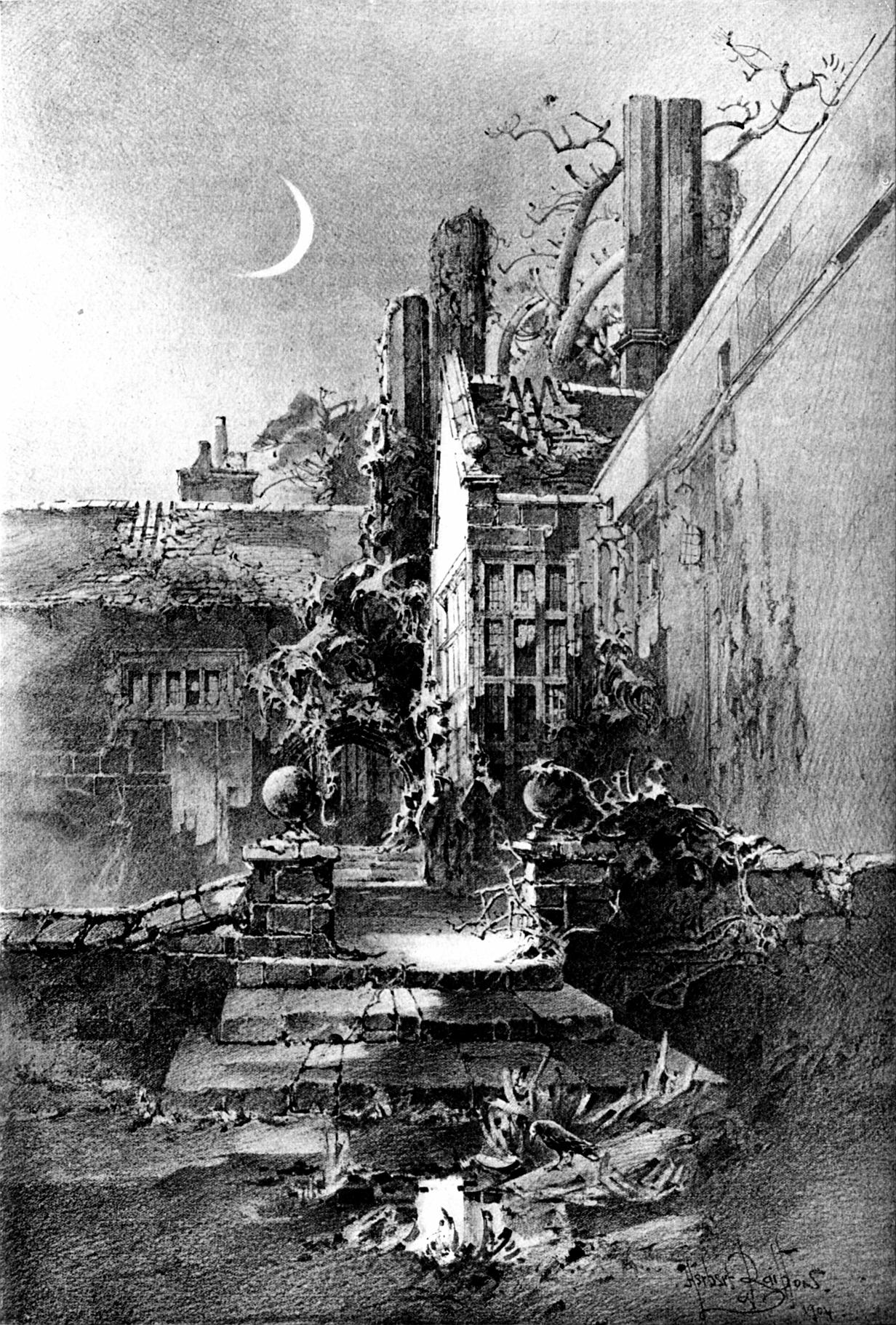 🇬🇧 United KingdomHobgoblin
A household spirit from English folklore known for chores and mischiefBeing · Cursing and harm · Luck and prosperity Historical
🇺🇸 United StatesSpearfingerU'tlun'ta'
A Cherokee stone witch who eats livers and hides her weak spot.Being · Cursing and harm Legendary
🇨🇳 ChinaChang伥
A Chinese ghost enslaved by a tiger to lure new victimsBeing · Cursing and harm Legendary
 🇮🇸 IcelandSurtrSurtur
A fire giant of Norse myth who guards a burning realm and ends the worldBeing · Cursing and harm Legendary
🇬🇧 United KingdomCeffyl Dŵr
A Welsh water spirit that takes the form of a horse to test or harm travellers.Being · Cursing and harm · Luck and prosperity Legendary
 🇯🇵 JapanTeke Tekeテケテケ
A Japanese legend of a vengeful spirit who drags herself along on her elbowsBeing · Cursing and harm Legendary
 🇨🇴 ColombiaMohan
A forest spirit and ancestor soul in Colombian Indigenous folkloreBeing · Cursing and harm · Speaking with spirits and the dead Legendary
🇦🇿 Azerbaijan and 1 moreYuxaЮха елан
A snake of a hundred years said to become a fire-breathing, shape-shifting dragonBeing · Love and attraction · Protection Legendary
 🇩🇲 DominicaBelie Belcan
A loa of justice and protection in Dominican Vudú, linked to Saint Michael.Being · Protection · Cursing and harm Living
🇫🇯 FijiUlupoka
A god of evil beheaded in the gods' war, whose head and body still roam the PacificBeing · Cursing and harm Legendary
🇬🇭 GhanaAbonsam
A malevolent spirit blamed for accidents and disease, driven out to sea with noiseBeing · Cursing and harm · Cleansing and purification Living
 🇯🇵 JapanDatsue-ba奪衣婆
A Japanese underworld figure who strips clothes from spirits at the river of deathBeing · Cursing and harm Historical
 🇩🇪 Germany and 3 moreDrude
A Germanic nightmare spirit and the pentagram charm used to keep it outBeing · Cursing and harm · Protection Historical
🇲🇳 Mongolia and 1 moreÇor
An invisible spirit in Turkic and Mongolian myth, linked to mental states and later Islamic jinn beliefs.Being · Cursing and harm Legendary
 🇦🇺 AustraliaNargun
A stone creature from Gunai/Kurnai legend and a site of women's initiationBeing · Cursing and harm · Speaking with spirits and the dead Legendary
🇷🇸 SerbiaBaukБаук
A bear-like creature from Serbian folklore that lurks in the dark.Being · Cursing and harm Legendary
🇬🇧 United KingdomAdar Llwch Gwin
Griffin-kin birds of Welsh legend that obeyed speech, and destroyed their own master.Being · Cursing and harm Legendary
 🇮🇱 Israel and 1 moreUnclean spiritπνεῦμα ἀκάθαρτον (pneuma akatharton)
A spirit of impurity in biblical belief, driven out by breath, smoke and wordsBeing · Cleansing and purification · Cursing and harm Living
🇩🇪 Germany and 2 moreFängge
A hairy forest giantess or dwarf-spirit of the Alpine woodlandsBeing · Cursing and harm · Protection Legendary
🇫🇮 FinlandMenninkäinen
A Finnish spirit or goblin linked to hidden treasures and urban labourBeing · Luck and prosperity · Cursing and harm Legendary
🇨🇱 ChileBasilisco Chilote
A rooster-crested serpent said to hatch from an egg and feed on the people above itBeing · Cursing and harm Legendary
🇯🇵 JapanKuchisake-onna口裂け女
A masked Japanese spirit said to ask strangers if she is beautifulBeing · Cursing and harm Legendary
🇯🇵 JapanBake-kujira化鯨
A skeletal whale spirit from Japanese coastal folklore, said to avenge whaling.Being · Cursing and harm Legendary
 🇯🇵 JapanYamawaro山童
A mountain spirit of Western Japan, often linked to river kappa and known for pranks and lumberjack assistance.Being · Cursing and harm · Luck and prosperity Historical
 🇯🇵 JapanGagoze元興寺の鬼
A yōkai of Nara said to be a lightning child or a monk demon from Gangō-jiBeing · Cursing and harm Historical
 🇯🇵 JapanUmibōzu海坊主
A giant black sea being said to rise from calm water and wreck boatsBeing · Cursing and harm Legendary
 🇯🇵 JapanAkashita赤舌
A red-tongued beast from Edo-period scrolls, tied to water and bad daysBeing · Protection · Cursing and harm Legendary
🇯🇵 JapanAzukiarai小豆洗い
A Japanese water yōkai heard washing beans, said to pull the curious into the waterBeing · Cursing and harm Legendary
 🇯🇵 JapanŌkubi大首
A huge female head among Japan's yōkai, said to be a vengeful spirit that sickensBeing · Cursing and harm Legendary
🇯🇵 JapanMokumokuren目目連
A Japanese yōkai of eyes that crowds the tears in a paper screenBeing · Cursing and harm Legendary
 🇯🇵 JapanOtoroshiおとろし
A Japanese yōkai with blue skin and tusks that guards temple gates and punishes the wicked.Being · Protection · Cursing and harm Legendary
🇯🇵 JapanWanyūdō輪入道
A flaming wheel with a monk's head that steals souls in Japanese folkloreBeing · Cursing and harm · Speaking with spirits and the dead Legendary
 🇯🇵 JapanHyōsubeひょうすべ
A hairy river spirit of Kyushu that eats eggplants and brings fever.Being · Cursing and harm Historical
 🇯🇵 JapanShuten-dōji酒呑童子
A demon leader of Japanese legend, slain by a warrior after a drinking trickBeing · Cursing and harm Legendary
🇯🇵 JapanYamajijii山爺
A one-eyed mountain spirit from Shikoku folklore known for its thunderous voice and unpredictable nature.Being · Cursing and harm · Luck and prosperity Historical
 🇪🇬 Egypt and 1 moreHypnalis
A legendary snake from medieval bestiaries that kills in sleepBeing · Cursing and harm Legendary
 🇩🇪 GermanyFeuermann
A large, fiery German ghost believed to be the wandering soul of a sinnerBeing · Speaking with spirits and the dead · Cursing and harm Legendary
🇹🇭 ThailandPhi Phongผีโพง
A Thai ghost born from failed black magic, known for its glowing nose and feeding on filth.Being · Cursing and harm Legendary
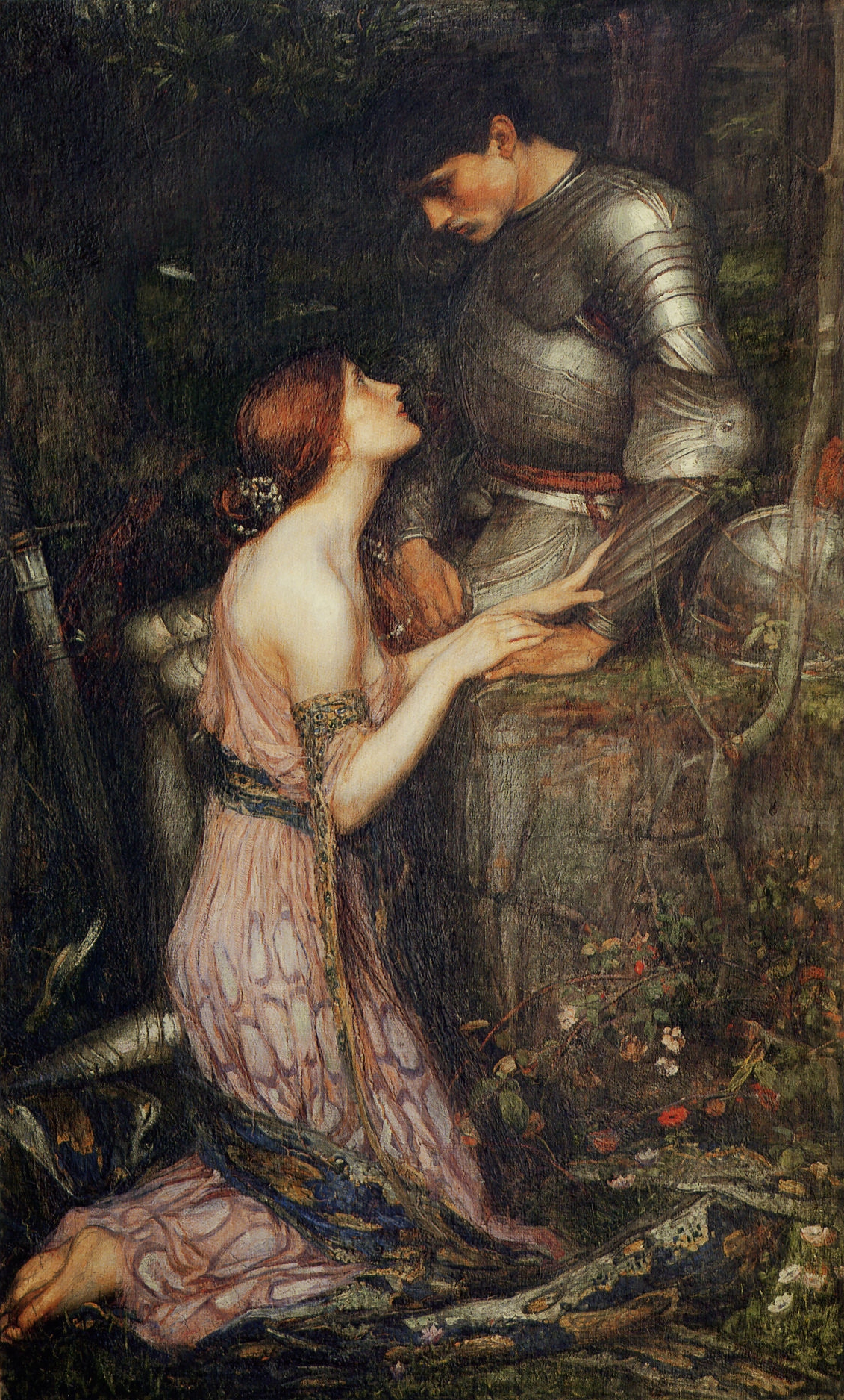 🇱🇾 Libya and 2 moreLamiaΛάμια
A child-snatching monster and night phantom from ancient Greek mythBeing · Cursing and harm · Seeing and foretelling Legendary
 🇪🇸 Spain and 5 moreSack Man
A man carrying a sack who frightens misbehaving children into obedience.Being · Cursing and harm Living
🇳🇵 Nepal and 1 moreMurkattaमुर्कट्टा
A headless spirit from Nepali folklore with eyes and a mouth on its chestBeing · Cursing and harm Living
🇦🇺 AustraliaMuldjewangk
A legendary water being of the Murray River and Lake AlexandrinaBeing · Protection · Cursing and harm Legendary
🇬🇧 United KingdomDrummer of Cortachy
A ghostly drummer said to foretell the death of the lords of Cortachy CastleBeing · Cursing and harm Historical
🇵🇭 PhilippinesSarangay
A Philippine half-bull creature that guards gemstones with deadly forceBeing · Cursing and harm Legendary
🇬🇷 GreeceNeadesΝηάς, Νηάδες
Gigantic legendary creatures of Samos whose voices were said to cause earthquakesBeing · Cursing and harm Legendary
Photo credits on this page
The small pictures above come from Wikimedia Commons under free licences. Some are cropped to fit.
- Nargun: Unknown author, Public domain, source
- Datsue-ba: Fred Cherrygarden, CC BY-SA 4.0, source
- Mohan: Sanjuan, Public domain, source
- Teke Teke: Dr.Lantis, CC BY-SA 4.0, source
- Surtr: Friedrich Wilhelm Heine (1845-1921) after an original by Friedrich Wil, Public domain, source
- Minamoto no Yorimitsu: Yoshitoshi, Public domain, source
- Lamia: John William Waterhouse, Public domain, source
- Sack Man: Unknown author, Public domain, source
- Feuermann: Rolf Erik von Hoerschelmann (1885 - 1947), CC0, source
- Hypnalis: Werner Seiler ( User:Centine ), Public domain, source
- Hobgoblin: Herbert Railton, Public domain, source
- Belie Belcan: Domfranciscorodrigues, CC BY-SA 3.0, source
- Drude: Ramessos, Public domain, source
- Unclean spirit: David Shankbone, CC BY-SA 3.0, source
- Yamawaro: Brigham Young University, CC BY-SA 4.0, source
- Gagoze: Brigham Young University, CC BY-SA 4.0, source
- Umibōzu: Brigham Young University, CC BY-SA 4.0, source
- Akashita: Brigham Young University, CC BY-SA 4.0, source
- Ōkubi: Unknown author, Public domain, source
- Otoroshi: Unknown author, Public domain, source
- Hyōsube: Brigham Young University, CC BY-SA 4.0, source