Furutsubaki-no-rei
In its own language: 古椿の霊
Japanese, "old camellia spirit"
A spirit said to live in old camellia trees, appearing as a woman who lures or warns
A yōkai, or spirit creature, of Japanese folklore, said to dwell in old camellia trees and appear as a beautiful woman who lures or frightens passers-by. Pictured in Toriyama Sekien's Konjaku Gazu Zoku Hyakki, its night cry is held to warn of coming tragedy, and camellia flowers are kept away from hospital patients.
- Drawn by Toriyama Sekien in the Konjaku Gazu Zoku Hyakki as a spirit within an old camellia
- Appears as a woman in a kimono; its true shape a tree bearing red, misshapen heads
- A cry at night is taken as a warning that tragedy will strike the village or town
- Camellia petals drop whole, so red blooms recall a head leaving the neck at a sword stroke
- A 700-year-old Night Crying Camellia still stands at Kanmanji temple in Akita
What it is
The Furutsubaki-no-rei is a yōkai, one of Japan's many spirits and strange beings, said to make its home in a camellia tree that has grown old. In picture and story it steps out as a lovely woman in a kimono, though its true shape is described as a gnarled trunk bearing red, misshapen heads. Travellers are said to be drawn in by her beauty or moved to pity by her weeping; most are frightened away when they come close, while a few vanish with her altogether. A cry after dark is heard as an omen that trouble is coming to the village or town. Toriyama Sekien drew the spirit in his Konjaku Gazu Zoku Hyakki, and camellia-spirit tales were widely told from the era of kaidan storytelling through the Bunsei era.
Where it comes from
Sekien pictured it in his Konjaku Gazu Zoku Hyakki, a printed gallery of yōkai, and accounts of camellia spirits circulated from the era of kaidan storytelling to the Bunsei era. Local tradition places the creature's birth in a village near the Kuju Plateau. There a grand tree bloomed for decades until villagers began stripping its flowers for ornament; left to wither, the tree was said to fill with rage, bloom more beautifully than ever, and kill those who came back for the blossoms. After a woman returned screaming that a ghost had taken her lover, survivors spoke of a beautiful woman standing by the tree. The folklore itself has been traced to the strange image the flower carries.
How it is done
The tales show a consistent pattern of enticement. A young woman appears beside a traveller on the road, beautiful in a kimono, or weeps so mournfully that the hearer pities her. Those who approach the tree are usually driven off in fright; in rarer cases a victim disappears with the spirit. In the Yamagata story the woman breathes on a merchant, turning him into a bee that follows her into a camellia bloom; when the flower drops, the bee inside is dead, and even sutras chanted by a priest cannot restore him. A Higo tale adds that a pestle carved from camellia wood is said to bring the tree rebirth.
Tools and materials
The marks of this spirit come from the tree itself: an aged camellia, its red blossoms, and the kimono of the woman who steps out from it. The camellia sheds its flowers whole, petals and all, where other flowers scatter petal by petal. A red bloom dropping from a branch was likened to a head leaving the neck at a sword stroke, and this likeness is said to give the flower its hint of death and the spirit its grim look. In one tale the tree grows over a burial mound that neighbours had restored.
Furutsubaki-no-rei, drawn and placed
- Living
- Revived
- Fading
- Historical
- Legendary
- Performed
- Lineage
- Japanese yōkai lore and kaidan ghost-story tradition
- Timing
- said to appear and cry at night
Peoples and places
Stories cluster in particular places. In Kisakata, Nikaho City, Akita Prefecture, a camellia at Kanmanji temple was heard weeping at midnight; misery soon struck the temple, and the tree, said to be 700 years old, became known as the Night Crying Camellia and counted among the temple's seven mysteries. In Aohaka Village, now part of Ogaki City in Gifu Prefecture, a tree planted over a mended burial mound was said to shine by the roadside as a woman, earning the name Masquerade Camellia. Higo Province, today's Kumamoto, kept the Kishinbo tale of the camellia pestle. And in Yamagata, a Tenmei-era account called Tsubakijo tells of the merchant who became a bee.
At a glance: who, where and when
Peoples
Belief worlds
What people believe
Behind the tales stands the idea that an old tree can gather a spirit within it: the Furutsubaki-no-rei is said to take up residence in a camellia that has stood for years, and to develop out of it. In the Kuju Plateau story the tree's feelings matter, constant picking leaving it withered and full of rage, and that rage becoming a deadly lure. The night cry works as an omen for the whole settlement, warning before tragedy arrives. Around the same flower hangs a quieter rule: blossoms are not carried to people staying in hospital, because the petals leaving all together recall a death.
Compare and confuse
The same idea of a camellia that acts carries different local names: the Night Crying Camellia at the Akita temple, the Masquerade Camellia of Gifu, the Kishinbo pestle tale of Higo Province, and the Tsubakijo ghost story of Yamagata. The being belongs to Japan's wider yōkai lore, catalogued by Toriyama Sekien, and to kaidan, the tradition of told ghost stories.
Today
Part of the folklore still guides behaviour: camellia flowers are not taken as gifts to people staying in hospital, since the sight of them dropping whole brings human death to mind. The Kanmanji tree is also still there, said to be 700 years old, and is reckoned one of the temple's mysteries. Elsewhere the yōkai lives on chiefly in story, through Sekien's picture and local accounts such as Yamagata's Tsubakijo.
Questions people ask about Furutsubaki-no-rei
What is the Furutsubaki-no-rei?
A yōkai, a spirit from Japanese folklore, said to live in and grow from an old camellia tree. Stories give it the shape of a lovely woman in a kimono, while its real form is described as a grotesque tree with red, misshapen heads on its trunk.
Where does the belief come from?
From Japan. The spirit appears in Toriyama Sekien's Konjaku Gazu Zoku Hyakki, and tales of camellia spirits were widely told from the era of kaidan storytelling through the Bunsei era. One origin story places its birth in a village near the Kuju Plateau.
Is the spirit dangerous?
In the stories it can be. People who take its flowers are said to die or vanish, one merchant was breathed into bee form and lost inside a falling bloom, and some who come near the tree disappear with the spirit. Others are only frightened away.
Why are camellia flowers not given in hospital?
Camellia petals drop all together rather than one by one, and a red flower falling whole from the branch was likened to a head leaving the neck at a sword stroke. For that reason the flowers are kept away from people in hospital as gifts.
Does the spirit give warnings?
Believers say so. When the spirit cries at night the sound is taken as a sign that tragedy will come to the village or town. At Kanmanji temple in Akita a tree called the Night Crying Camellia was said to announce misfortune before it befell the temple.
Good reading and sources
The facts on this page come from the Wikipedia article "Furutsubaki-no-rei", written by its contributors and used under the CC BY-SA 4.0 licence, and from its Wikidata record (CC0). EveryJaadu rewrote the text in its own words, with AI assistance, and compares every page with the article to make sure no passage is copied. It may be reused under the same CC BY-SA 4.0 licence with a link back.
It may contain mistakes. Names and customs differ from one community to the next, and some knowledge is closed to outsiders and left out here. This page describes belief and practice. It does not say that any of it works, it is not a how-to, and it is not medical advice. If something is wrong, tell us. Last refreshed 2026-10-19.
More from Japan
All the entries from Japan 🇯🇵 JapanOni鬼(おに)
A horned demon of Japanese folklore known for strength and evil deedsBeing · Cursing and harm · Luck and prosperity Legendary
 🇯🇵 JapanBaku獏
A Japanese spirit said to eat bad dreams and protect sleepersBeing · Protection Living
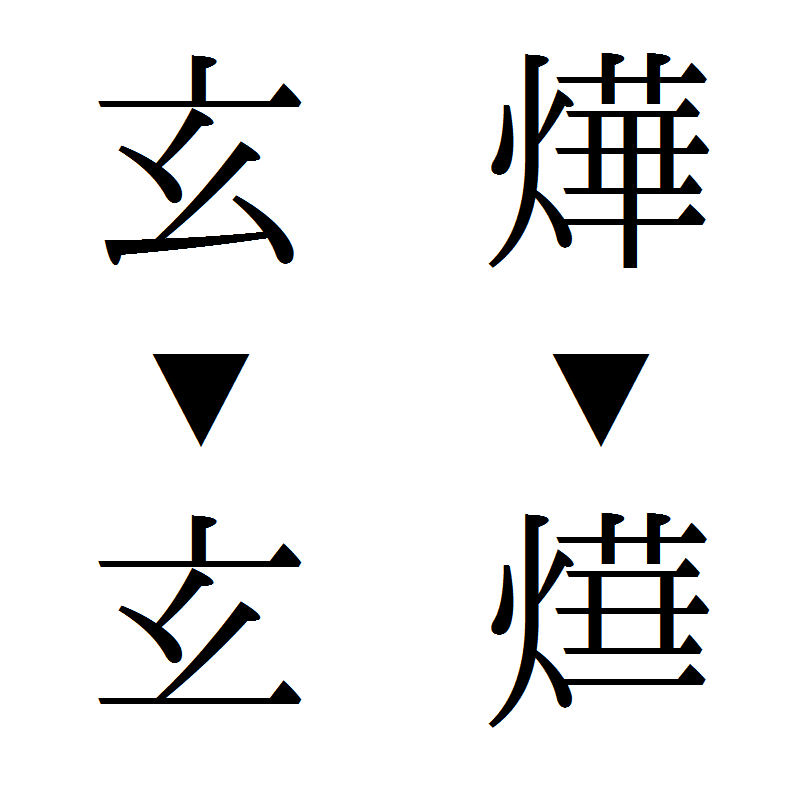 🇨🇳 China and 2 moreNaming taboo避諱
A cultural rule against speaking or writing the names of rulers and ancestors in East AsiaBelief · Protection Historical
Related elsewhere
All being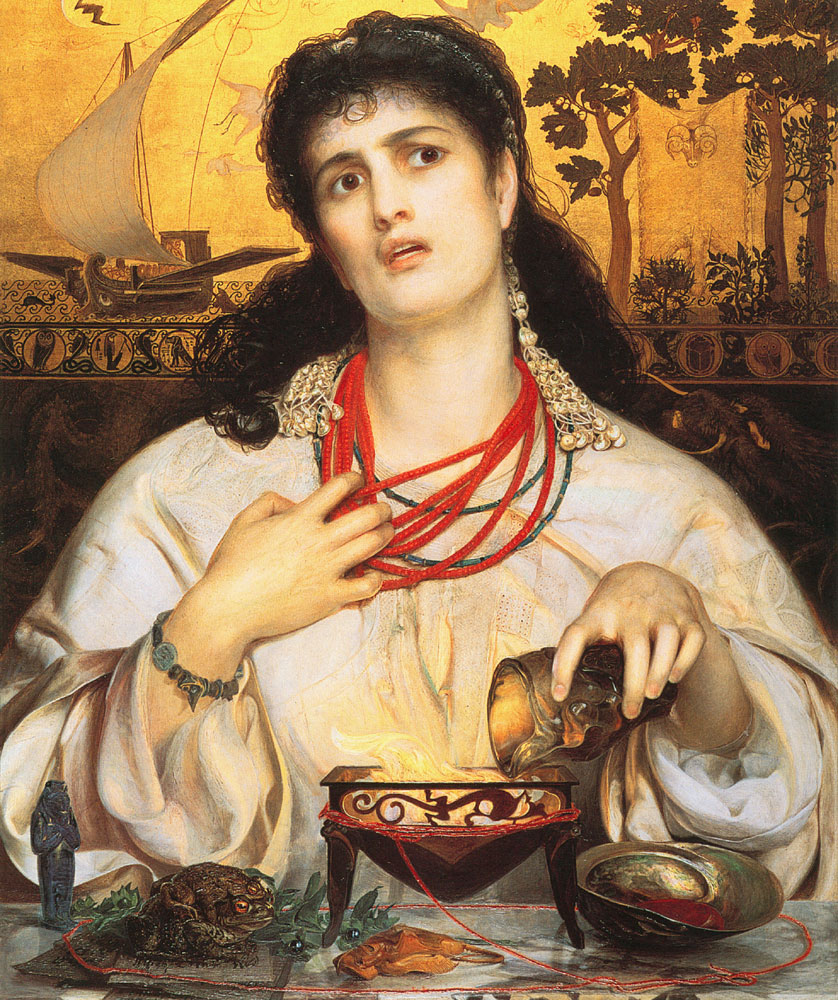 🇬🇷 GreeceMedeaΜήδεια
A sorceress and princess of Colchis who aids Jason and uses magic for revenge.Figure · Cursing and harm · Healing Legendary
🇲🇾 Malaysia and 1 moreBomohبوموه
A Malay shaman and traditional healer who works with spirits, herbs, and geomancy.Tradition · Healing · Seeing and foretelling Living
🇮🇪 IrelandThe MorríganMórrígan
An Irish goddess of war, fate, and sovereignty who appears as a crow or shape-shifter.Figure · Seeing and foretelling · Cursing and harm Legendary
🇬🇧 United KingdomSt Mark's Eve
An English folk custom to witness omens of death and future marriage on the eve of a saint's feast dayRite · Seeing and foretelling · Cursing and harm Historical