Traditions and systems
Whole bodies of practice: Vodou, shamanism, hoodoo, Wicca, onmyodo, Ifa and the rest.
A tradition is a whole body of magical practice with its own teachers, vocabulary and rules, as distinct from a single charm or rite. Ifa in West Africa, Vodou in Haiti, Tibetan Buddhist ritual, Wicca in Britain and America, and Siberian shamanism are all traditions in this sense. Some are living religions, some are modern inventions, and some survive only in fragments. This page looks at how they differ and what each label hides. Each is described here in its own terms wherever the community has chosen to share them.
Who holds them
A tradition has keepers. In Ifa, a babalawo trains for years and memorises the verses of Odu. In Haitian Vodou, a houngan or mambo is initiated within a house and a lineage. Wicca, by contrast, grew from the writings of Gerald Gardner in the 1950s and spreads by books and covens. Access varies: some traditions are open, some require initiation, and some are closed to outsiders by the community's own rule.
Names that mislead
Outsiders have often given traditions names their keepers did not choose. Colonial officials and missionaries called African and Indigenous religions fetishism, witchcraft or devil worship. The word voodoo, borrowed from the Haitian religion, became a stock horror image, while practitioners say Vodou. Many people also reject the word magic for what they see as plain religion, worship of ancestors or medicine of the land. Some are written down in long poems or scriptures, while others are carried only in memory, song and apprenticeship, which affects how outsiders can study them.
How states treat them
Treatment ranges from protection to prohibition. Haiti recognised Vodou as a religion in 2003. Britain repealed its Witchcraft Act only in 1951. Several African and Pacific states still prosecute witchcraft accusations, and Saudi Arabia has executed people for sorcery. Many traditions were absorbed rather than banned: Santeria wore the faces of Catholic saints, and Taoist ritual was licensed by Chinese emperors. Recognition on paper does not end prejudice: a faith can be legal under a constitution and still be mocked, taxed or policed at local level.
Scholars and sceptics
Anthropologists such as Evans-Pritchard, who studied the Azande in the 1930s, described magic as a coherent system of explanation, not stupidity. Historians stress that boundaries between religion, magic and science were drawn by particular people for particular reasons. Sceptics point out that tests of efficacy have found no effect beyond expectation. Many tradition-bearers answer that the question misses what the practice is for. Folklorists add that traditions are always changing, with no pure original to return to, and that revival is itself a form of change.
Tradition on EveryJaadu
The entries written up so far, best known first.
 🇻🇺 Vanuatu and 5 moreKava culture
A shared ritual across Oceania where a root brew marks ceremony, respect, and social gathering.Tradition · Speaking with spirits and the dead · Luck and prosperity Living
 🇲🇳 Mongolia and 1 moreTsagaan SarЦагаан сар
The Mongolian Lunar New Year, three days of white foods and family visitsTradition · Luck and prosperity · Cleansing and purification Living
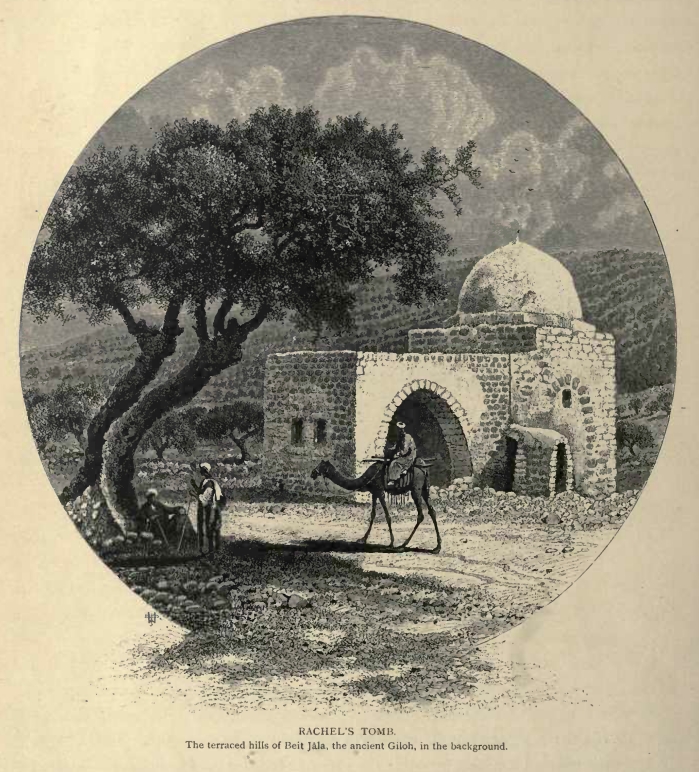 🇵🇸 Palestine and 1 moreRachel's TombQever Raḥel / Qabr Rāḥīl
A shared holy site in Bethlehem revered by Jews, Christians, and Muslims.Tradition · Speaking with spirits and the dead · Protection Living
 🇯🇵 JapanShinto shrine神社 (jinja)
A structure in Japan that houses kami, the deities of ShintoTradition · Speaking with spirits and the dead · Protection Living
 🇬🇹 GuatemalaMaximónRi Laj Mam
A Maya folk saint and trickster deity venerated in the Guatemalan HighlandsBeing · Protection · Healing Living
🇳🇿 New Zealand and 5 moreTapu
A Polynesian concept of sacred restriction and spiritual prohibitionTradition · Protection · Speaking with spirits and the dead Living
🇳🇿 New ZealandKarakia
Māori recitations used for spiritual guidance, protection, and formal greetingsTradition · Protection · Speaking with spirits and the dead Living
 🇨🇳 China and 1 moreDongyue Dadi東嶽大帝
The Chinese mountain god of Mount Tai who rules lifespans and underworld recordsBeing · Speaking with spirits and the dead · Power and authority Living
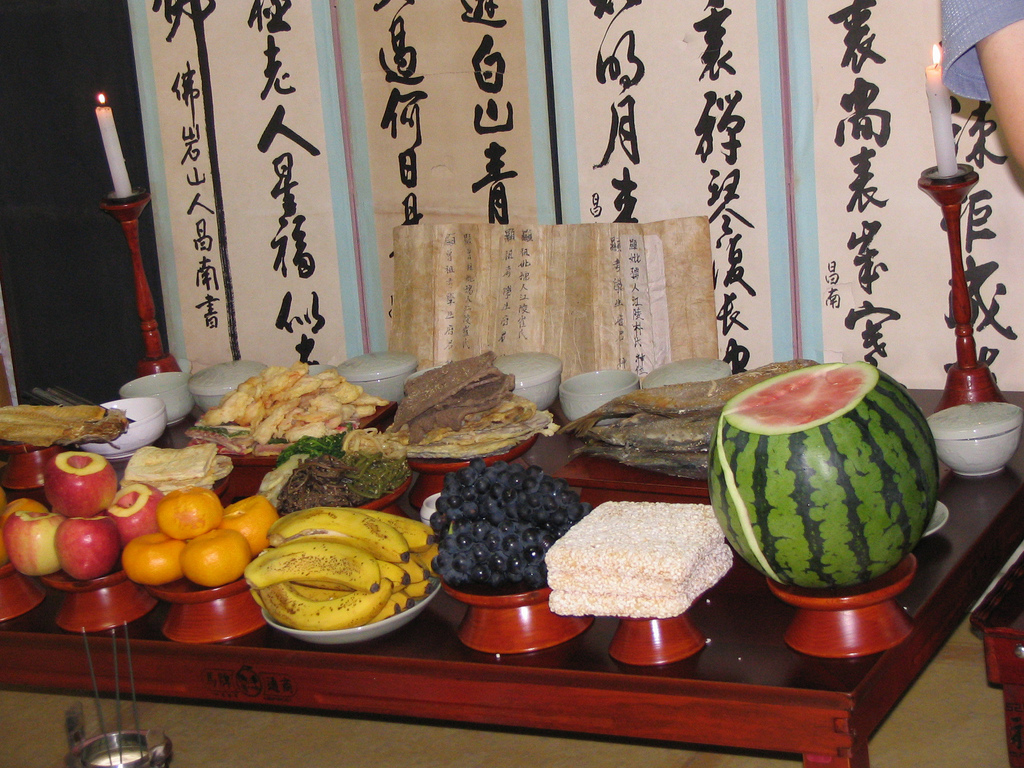 🇰🇷 South Korea and 1 moreChuseok추석 (Chuseok), 한가위 (Hangawi)
A Korean autumn harvest festival marked by ancestral rites and feasting on the full moon.Tradition · Speaking with spirits and the dead · Luck and prosperity Living
 🇮🇳 IndiaSarnaism
A nature-based faith of India's Adivasi communities centered on sacred grovesTradition · Protection · Speaking with spirits and the dead Living
 🇩🇪 Germany and 5 moreStraw bearStrohbär
A carnival figure wrapped in straw that visits homes for gifts and marks the turning of seasons.Tradition · Luck and prosperity · Cursing and harm Living
 🇦🇷 Argentina and 2 moreSan La Muerte
A skeletal folk saint venerated in South America for protection and favorsTradition · Protection · Healing Living
 🇸🇳 Senegal and 5 moreVeneration of the dead
Rituals of respect and offerings for ancestors across global culturesTradition · Protection · Speaking with spirits and the dead Living
 🇺🇸 United States and 2 moreSpiritualism
A nineteenth-century religious movement focused on communicating with the dead.Tradition · Speaking with spirits and the dead Historical
 🇩🇪 Germany and 5 moreBiodynamic agriculture
An organic farming system with esoteric roots and spiritual practicesTradition · Healing · Power and authority Living
 🇮🇳 IndiaSanamahismꯁꯅꯥꯃꯍꯤ ꯂꯥꯏꯅꯤꯡ
The polytheistic ethnic religion of the Meitei people of Manipur, IndiaTradition · Protection · Speaking with spirits and the dead Living
 🇺🇸 United States and 1 moreBarnstar
A painted or carved star used to decorate barns in parts of the United States and Canada.Charm · Luck and prosperity · Wonder and entertainment Living
 🇱🇦 Laos and 3 moreTai folk religionສາສະໜາຜີ
Spirits, ancestor rites, and soul-calling ceremonies of the Tai peoplesTradition · Protection · Healing Living
 🇮🇹 ItalySanctuary of Fortuna Primigenia
A vast Roman sanctuary complex in Palestrina that housed an oracle and a temple to the goddess of fate.Tradition · Seeing and foretelling · Protection Historical
 🇮🇹 Italy and 2 morePiedmontese tarotTarocco Piemontese
A 78-card Italian deck used for trick-taking games in northern Italy and beyondTradition · Wonder and entertainment Living
 🇹🇳 TunisiaStambeli
A Tunisian music and possession rite practiced by Black communities of slave descentTradition · Healing · Protection Living
 🇹🇹 Trinidad and Tobago and 4 moreTrinidad Orisha
A syncretic Afro-Caribbean faith blending Yoruba spirit work with Christian and other traditions in Trinidad.Tradition · Speaking with spirits and the dead · Healing Living
 🇨🇺 Cuba and 1 moreHaitian Vodou in CubaVodú Haitiano
A Caribbean religious tradition brought by migrants and maintained in eastern CubaTradition · Speaking with spirits and the dead · Protection Living
 🇩🇪 Germany and 4 moreAnimal TarotTiertarock
A family of playing card decks featuring animal imagery instead of traditional tarot scenesTradition · Luck and prosperity Living
🇧🇷 BrazilPro-VidaPró-Vida, Integração Cósmica
An occultist group founded in Brazil that promises cosmic consciousness and earthly paradise.Tradition · Change and initiation · Power and authority Living
 🇮🇳 India and 1 moreJagarजागर
A Himalayan night ritual to wake local deities through song and tranceRite · Protection · Healing Living
 🇯🇵 JapanChinkon kishin鎮魂帰神
A Japanese spiritual practice combining soul calming with spirit possessionRite · Speaking with spirits and the dead · Healing Living
 🇺🇸 United StatesAtheistic Satanism
A non-theistic approach to Satan as a symbol of human nature and resistanceTradition · Power and authority · Wonder and entertainment Living
 🇨🇳 China and 1 moreFalun Gong法轮功
A Chinese cultivation practice blending meditative exercises with moral principlesTradition · Healing · Protection Living
 🇮🇳 India and 3 moreBrahma Kumarisप्रजापिता ब्रह्माकुमारी ईश्वरीय विश्वविद्यालय
A meditation-based spiritual movement that teaches soul identity and global peaceTradition · Cleansing and purification · Change and initiation Living
 🇺🇸 United States and 2 moreBlack Hebrew Israelites
A religious movement claiming African Americans are descendants of ancient IsraelitesTradition · Speaking with spirits and the dead Living
 🇺🇸 United StatesAshtar
A channeled extraterrestrial figure central to mid-century American ufology and New Age spiritualityBeing · Speaking with spirits and the dead · Seeing and foretelling Living
 🇷🇺 Russia and 5 moreRinging Cedars' Anastasianismдвижение «Анастасия»
A Russian new religious movement based on books about a Siberian mystic and nature worshipTradition · Protection · Speaking with spirits and the dead Living
 🇬🇧 United Kingdom and 2 moreAetherius Society
A new religious movement blending theosophy, UFO claims, and spiritual healing to aid humanity.Tradition · Protection · Healing Living
🇮🇳 India and 5 moreWestern Sufism
Adaptations of Islamic mysticism in Europe and North AmericaTradition · Speaking with spirits and the dead · Power and authority Living
🇷🇺 Russia and 3 moreYehowistsильинцы
A Russian Spiritual Christian group founded by Nikolai Ilyin in the 1840sTradition · Protection · Speaking with spirits and the dead Living
 🇺🇸 United States and 5 moreSpiritualist church
A worship service led by a medium to communicate with the deceasedTradition · Speaking with spirits and the dead · Healing Living
 🇨🇳 ChinaBenzhuism本主教
The indigenous patron worship of the Bai people in Yunnan, ChinaTradition · Protection · Healing Living
🇰🇷 South KoreaSuunism수운교
A Korean ethnic religion focused on the Great Jade Emperor of Heaven and spiritual reconnection.Tradition · Speaking with spirits and the dead · Change and initiation Living
🇷🇺 Russia and 1 moreNew IsraelНовый Израиль
A Russian sectarian movement that established a farming commune in UruguayTradition Living
🇱🇨 Saint Lucia and 1 moreKélé
An Afro-Saint Lucian faith rooted in Yoruba traditions and secret practiceTradition · Speaking with spirits and the dead · Power and authority Living
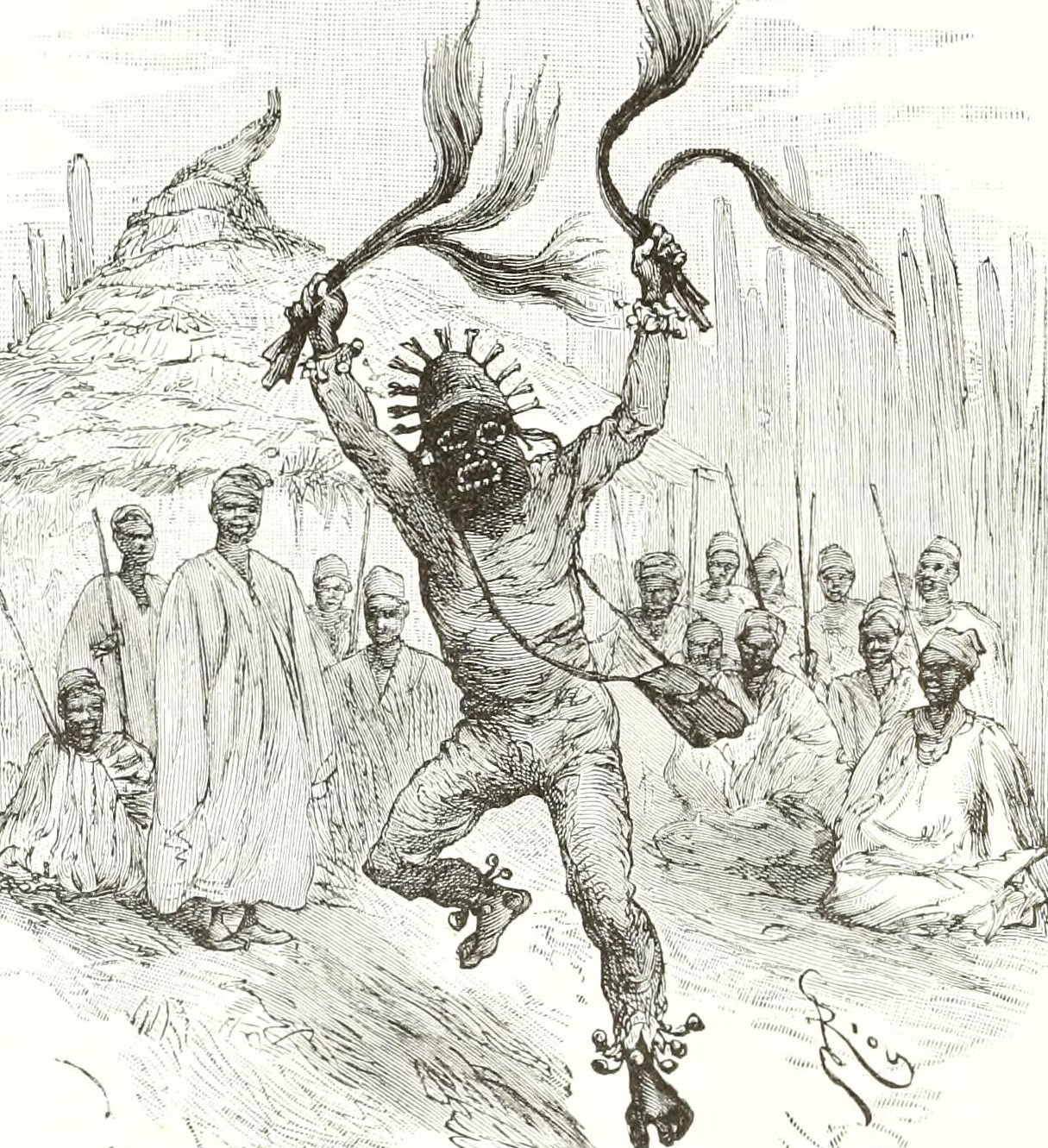 🇹🇹 Trinidad and Tobago and 1 moreTrinidadian Vodunu
A West African Vodun tradition practiced in Trinidad and Tobago with Catholic elementsTradition · Speaking with spirits and the dead · Power and authority Living
🇷🇴 Romania and 5 moreMărțișor
A red and white string charm worn in early spring to welcome the seasonTradition · Protection · Luck and prosperity Living
 🇮🇳 India and 1 moreRoshni Mela
A three-day fair of earthen lamps and prayers held at a Sufi shrine in Punjab.Tradition · Protection · Luck and prosperity Living
🇮🇳 IndiaTribal religions in India
Indigenous spiritual practices of India's Scheduled Tribes, often grouped under Hinduism in official records.Tradition · Speaking with spirits and the dead · Protection Living
 🇮🇳 IndiaKhodiyarખોડીયાર
A limping Hindu folk goddess who rides a crocodile and shields royal clansBeing · Protection · Healing Living
 🇮🇳 IndiaChhapar Mela
A three-day Punjabi fair for Gugga, a hero of legend said to command snakesRite · Protection · Healing Living
 🇰🇷 South KoreaBangsatap방사탑
A stone cairn on Jeju Island believed to shield communities from harm and disease.Tradition · Protection · Cursing and harm Revived
Photo credits on this page
The small pictures above come from Wikimedia Commons under free licences. Some are cropped to fit.
- Black Hebrew Israelites: Elvert Barnes, CC BY-SA 2.0, source
- Veneration of the dead: Anonymous ( Flemish ) Unknown author, Public domain, source
- Barnstar: Una Smith, CC BY-SA 4.0, source
- Jesa: by Joseph Steinberg (Baltimoron in Korea) at Flickr, CC BY-SA 2.0, source
- Aetherius Society: Hjamesberglen, CC0, source
- Ashtar: Evedawn99, Public domain, source
- Egungun: Ìṣẹ̀ṣeAssembly, CC BY-SA 4.0, source
- West African Vodún: I cropped, original authors are Ridpath, John Clark, CC BY-SA 4.0, source
- Biodynamic agriculture: Martist, CC BY-SA 4.0, source
- Kava culture: Jaejay77, CC BY-SA 4.0, source
- Tsagaan Sar: User:Chinneeb, CC BY-SA 3.0, source
- Jagar: Digvijay singh janoti, CC BY-SA 4.0, source
- Rachel's Tomb: Lane-Poole, Stanley, Public domain, source
- Shinto shrine: No machine-readable author provided. Fg2 assumed (based on copyright c, Public domain, source
- Maximón: Sapfan (Jan Pesula), Public domain, source
- Dongyue Dadi: H2v5o68z, CC0, source
- Sarnaism: বুদ্ধি, CC BY-SA 4.0, source
- Straw bear: Photo: Andreas Praefcke, CC BY 3.0, source
- San La Muerte: Sergio Serrano, CC BY-SA 2.0, source
- Spiritualist church: Jim.henderson, CC0, source
- Sanamahism: Kayia N, CC BY-SA 4.0, source
- Piedmontese tarot: Argonitros, CC BY-SA 4.0, source
- Spiritualism: Rossington, W. W. and Garrett, J. Ellwood, Public domain, source
- Roshni Mela: FatherofGod, CC BY-SA 4.0, source
- Chhapar Mela: Stalinjeet, CC BY-SA 4.0, source
- Bangsatap: Grapesurgeon, CC BY-SA 4.0, source
- Chinkon kishin: Tomokiyo Yoshisane (友清歓真), also known as Tomokiyo Kyūgo (友清九吾), Public domain, source
- Stambeli: Youssefbensaad, CC BY-SA 4.0, source
- Animal Tarot: Cards: anonymous; Photo: Andreas Praefcke, Public domain, source
- Falun Gong: longtrekhome, CC BY 3.0, source
- Ringing Cedars' Anastasianism: Лобачев Владимир, CC BY-SA 3.0, source
- Brahma Kumaris: Tamasin Ramsey, CC BY-SA 3.0, source
- Sanctuary of Fortuna Primigenia: MM, CC BY-SA 3.0, source
- Atheistic Satanism: Crisco 1492, CC BY-SA 4.0, source
- Haitian Vodou in Cuba: Dr. Anthony R. Picciolo, NOAA NODC, Public domain, source
- Tai folk religion: ( เทวประภาส มากคล้าย ), Tevaprapas, Public domain, source
- Benzhuism: G41rn8, CC BY-SA 4.0, source
- Khodiyar: Damian N. Boodram, CC BY-SA 4.0, source