
Codex Gigas
In its own language: Obří kniha
from Latin gigas, meaning giant
A massive medieval manuscript known for its size and a portrait of Satan.
The Codex Gigas is the largest surviving medieval illuminated manuscript, created in Bohemia during the early thirteenth century. It contains a complete Latin Bible alongside various historical and medical texts, and is famous for a full-page illustration of the Devil.
- Largest medieval manuscript at 92 cm tall
- Contains a full-page portrait of Satan
- Written by a single scribe over 20-30 years
- Saved from a 1697 castle fire in Stockholm
- Now held at the National Library of Sweden
What it is
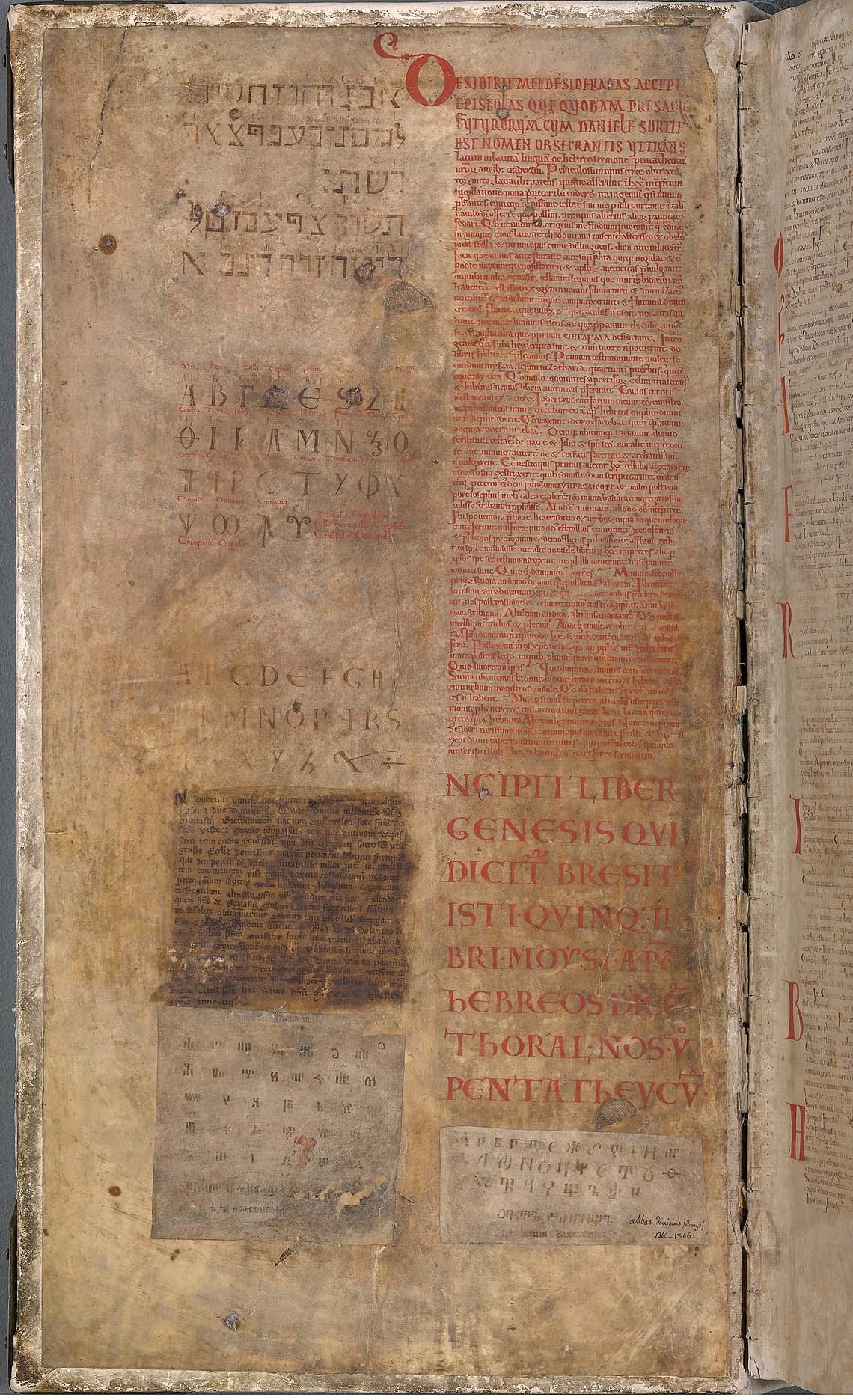
This volume stands as the largest extant medieval illuminated manuscript on Earth. Measuring ninety-two centimeters in height, it holds a complete Latin Bible within wooden boards covered in leather. The pages are made from vellum, likely derived from animal skins, and feature elaborate decorations in red, blue, yellow, green, and gold. While most grand Bibles of the era included figurative art, this work relies mostly on large, colorful initial letters to mark sections. Its sheer physical presence has earned it nicknames that emphasize its scale and unusual imagery.
Where it comes from
Scholars date the creation of the codex to the period between twelve hundred four and twelve thirty. It originated at the Benedictine monastery in Podlažice, located in Bohemia, which is now part of the Czech Republic. The handwriting throughout remains consistent, suggesting a single scribe worked on the project over many years rather than completing it overnight as local stories claim. Records within the text stop around the year twelve twenty two.
How it is done
The manuscript was produced using standard monastic practices for creating large reference books. A single scribe wrote the entire text in Latin, including the Vulgate Bible and supplementary works. The process involved preparing large sheets of vellum and applying illuminations to capital letters and specific pages. The uniform nature of the script indicates careful, long-term labor rather than a rushed or supernatural effort.
Tools and materials
Artisans used wooden boards for the cover and bound them with leather. The pages consist of vellum, estimated to come from roughly one hundred sixty donkeys or perhaps calves. Ink in various colors, including red, blue, yellow, and green, decorated the initial letters and illustrations. Gold leaf was also applied to enhance the visual impact of the text divisions.
Codex Gigas, drawn and placed
- Living
- Revived
- Fading
- Historical
- Legendary
- Performed
- Lineage
- Romanesque monastic book production
What it is for
The primary goal was to compile a comprehensive library of knowledge for the monastery. It includes the complete Bible, works by Josephus, Isidore of Seville’s encyclopedia, medical treatises, and local chronicles. The inclusion of a striking image of Satan opposite a depiction of Heaven serves as a theological contrast between good and evil, reflecting Christian iconography of the time.
Who does it
Herman the Recluse, a monk at Podlažice, is traditionally credited with writing the book. Modern analysis confirms a single hand produced the text, though it required decades to finish. The monks maintained the manuscript for generations before it passed into other collections. Today, scholars study its contents and physical structure to understand medieval textual transmission.
Peoples and places
The book belongs to the cultural heritage of the Czech Republic, where it was originally created. It currently resides in Sweden, having been taken there during the Thirty Years' War. The Swedish Royal Library, now the National Library of Sweden, preserves it in Stockholm. The text reflects the intellectual interests of Central European monastic communities in the thirteenth century.
At a glance: who, where and when



What people believe
Local folklore claims the monk made a pact with the Devil to finish the book in a single night after breaking his vows. The legend says Lucifer completed the writing while the monk added the portrait of Satan as a tribute. Historical evidence contradicts this, showing the work took over twenty years. The story persists because of the dramatic full-page illustration and the book's imposing size.
When it is done
No specific religious festivals or calendar days are tied to the creation or use of the manuscript. It served as a permanent reference work for the monastery. The text itself contains a calendar and necrology for the Podlažice community, marking local feast days and memorial dates for deceased brothers.
How scholars and sceptics see it
Epigraphers and historians have analyzed the handwriting to determine the timeline of production. They conclude that the consistent script style points to a single author working over a span of twenty to thirty years. This scientific assessment dispels the myth of supernatural assistance, attributing the work to disciplined human effort and significant resources.
Cautions and what is closed
The manuscript survived a major fire at Tre Kronor castle in Stockholm in sixteen ninety seven. It was thrown from a window to save it, an act that reportedly injured a bystander. Twelve leaves were removed at some point in history, and their fate remains unknown. The book is now carefully preserved and displayed for public viewing.
Compare and confuse
It differs from typical Romanesque Bibles due to its exceptional size and the inclusion of secular texts like medical manuals and historical chronicles. While other grand bibles focused on scripture, this volume acts as an encyclopedia. The nickname Devil's Bible distinguishes it from other large medieval codices through its unique demonic illustration.
Law and persecution
The manuscript became property of the Swedish state after being taken as war booty in sixteen forty eight. It has remained in Sweden since then. Current laws protect it as a national treasure. It is kept in a secure facility and made available for research and public exhibition under strict preservation guidelines.
Questions people ask about Codex Gigas
What is the Codex Gigas?
It is the largest surviving medieval illuminated manuscript, measuring 92 cm in height. It contains a complete Latin Bible along with various historical and medical texts, and is famous for its size and a portrait of the Devil.
Where did the Codex Gigas originate?
It was created in the early thirteenth century at the Benedictine monastery of Podlažice in Bohemia, which is now part of the Czech Republic. The handwriting suggests a single monk worked on it for decades.
Why is it called the Devil's Bible?
The nickname comes from a full-page illustration of Satan on folio 290. Folklore claims a monk made a pact with the Devil to finish the book in one night, though scholars say it took over twenty years.
Where is the Codex Gigas today?
It is housed at the National Library of Sweden in Stockholm. It was taken there as war booty in 1648 during the Thirty Years' War and has remained in Sweden ever since.
What texts are inside the manuscript?
It includes the complete Vulgate Bible, works by Josephus, Isidore of Seville's Etymologiae, medical treatises, and Cosmas of Prague's chronicle. It also contains prayers, magic formulae, and local monastic records.
Good reading and sources
- National Geographic TV Shows, Specials & DocumentariesNational Geographic, Article
- Codex Gigas (The Devil's Bible)Atlas Obscura, Article
- Codex Gigas on WikipediaEncyclopedia
- More photos on Wikimedia CommonsPhotos and video
- Wikidata recordOpen data
The facts on this page come from the Wikipedia article "Codex Gigas", written by its contributors and used under the CC BY-SA 4.0 licence, and from its Wikidata record (CC0). EveryJaadu rewrote the text in its own words, with AI assistance, and compares every page with the article to make sure no passage is copied. It may be reused under the same CC BY-SA 4.0 licence with a link back.
It may contain mistakes. Names and customs differ from one community to the next, and some knowledge is closed to outsiders and left out here. This page describes belief and practice. It does not say that any of it works, it is not a how-to, and it is not medical advice. If something is wrong, tell us. Last refreshed 2026-10-13.
More from the Czech Republic
All the entries from the Czech Republic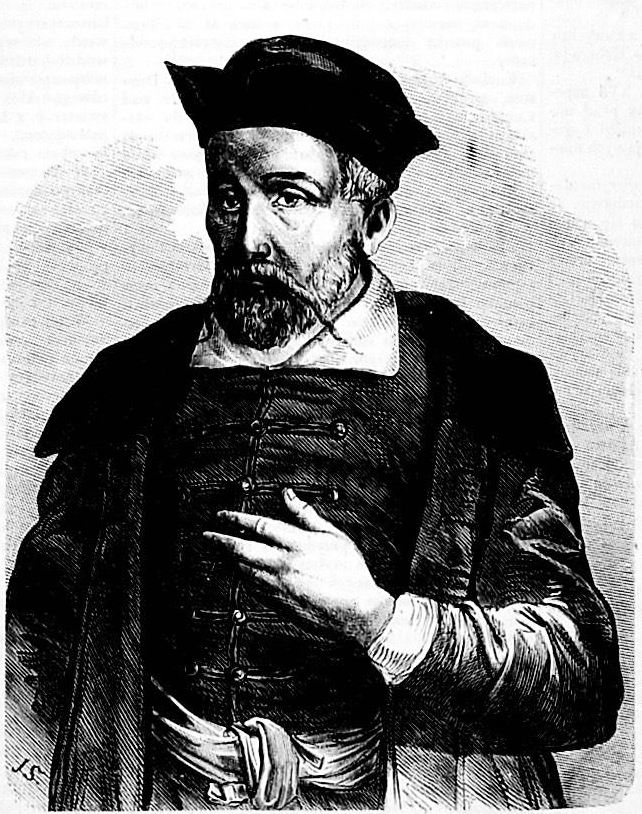 🇵🇱 Poland and 1 moreMichael SendivogiusMichał Sędziwój
A Polish alchemist who discovered oxygen and wrote on the 'food of life'Text · Power and authority · Change and initiation Historical
🇵🇱 Poland and 1 moreMichael SendivogiusMichał Sędziwój
A Polish alchemist who discovered oxygen and wrote on the 'food of life'Text · Power and authority · Change and initiation Historical
 🇮🇷 Iran and 5 moreKnocking on wood
A gesture of tapping wood to ward off bad luck or prevent tempting fateBelief · Protection · Luck and prosperity Living
🇮🇷 Iran and 5 moreKnocking on wood
A gesture of tapping wood to ward off bad luck or prevent tempting fateBelief · Protection · Luck and prosperity Living
 🇬🇧 United Kingdom and 3 moreEdward Kelley
An English occultist and scryer who worked with John Dee to contact angels and practice alchemy.Figure · Power and authority · Wonder and entertainment Historical
🇬🇧 United Kingdom and 3 moreEdward Kelley
An English occultist and scryer who worked with John Dee to contact angels and practice alchemy.Figure · Power and authority · Wonder and entertainment Historical
 🇩🇪 Germany and 7 moreWalpurgis NightWalpurgisnacht
A spring vigil marking the eve of Saint Walpurga's feast day with bonfires and student festivalsRite · Protection · Speaking with spirits and the dead Living
🇩🇪 Germany and 7 moreWalpurgis NightWalpurgisnacht
A spring vigil marking the eve of Saint Walpurga's feast day with bonfires and student festivalsRite · Protection · Speaking with spirits and the dead Living
Related elsewhere
All text 🇮🇶 Iraq and 4 moreAstrology
A system of divination that links human affairs to the positions of celestial bodiesTradition · Seeing and foretelling · Luck and prosperity Living
🇮🇶 Iraq and 4 moreAstrology
A system of divination that links human affairs to the positions of celestial bodiesTradition · Seeing and foretelling · Luck and prosperity Living
 🇺🇸 United States and 5 moreSatanism
A modern set of beliefs using the figure of Satan as a symbol or deity.Tradition · Power and authority · Cursing and harm Living
🇺🇸 United States and 5 moreSatanism
A modern set of beliefs using the figure of Satan as a symbol or deity.Tradition · Power and authority · Cursing and harm Living
 🇨🇳 China and 3 moreChinese dragon龍
A legendary water deity and imperial symbol in East Asian cultureBeing · Protection · Luck and prosperity Historical
🇨🇳 China and 3 moreChinese dragon龍
A legendary water deity and imperial symbol in East Asian cultureBeing · Protection · Luck and prosperity Historical
 🇮🇳 IndiaTaraतारा (Sanskrit), তারা (Bengali)
A fierce Hindu goddess of protection and wisdom, central to the Mahavidya tradition.Being · Protection · Power and authority Living
🇮🇳 IndiaTaraतारा (Sanskrit), তারা (Bengali)
A fierce Hindu goddess of protection and wisdom, central to the Mahavidya tradition.Being · Protection · Power and authority Living