![Ashmole, Elias. “Here Followeth the Figure Conteyning [Containing] All the Secrets of the Treatise Both Great & Small.” An engraved diagram from George Ripley's The Compound of Alchymie. Known as Ripley's Wheel, the draw](https://thumb.wikimedia.org/wikipedia/commons/thumb/9/97/Here_followeth_the_0c483k14n_d504rk93m_dl_full_size.jpg/1280px-Here_followeth_the_0c483k14n_d504rk93m_dl_full_size.jpg)
Theatrum Chemicum Britannicum
A 1652 collection of English alchemical verse, gathered and annotated by Elias Ashmole
Theatrum Chemicum Britannicum is a 1652 collection of English alchemical poems, gathered and annotated by the alchemist and antiquarian Elias Ashmole. He planned it as the first part of a larger set, and the poems it holds had until then survived only as privately kept manuscripts.
- Printed in London in 1652, it is marked as the first part of a planned set
- Ashmole gathered poems that had survived only as privately held manuscripts
- A closing table explains obscure, obsolete and misspelled words
- Thomas Charnock's Breviary of naturall Philosophy carries the year 1557
- Scans of the 1652 title page and plates are free from the Science History Institute
What it is
Theatrum Chemicum Britannicum is a printed book of English alchemical poems that came out in 1652. Elias Ashmole, an alchemist and antiquarian, gathered the pieces and wrote notes around them. It belongs to the written side of alchemy, texts that were copied, kept and read. Many of the poems had existed only as manuscripts in private hands, so printing them made them available. The verse deals with the philosopher's stone, the elixir and the preparation of the medicine, and it comes with annotations, discourses and tables. One long poem in the collection, the Ordinall of Alchimy, is by Thomas Norton.
Where it comes from
Ashmole collected so many manuscripts that one volume could not hold them all, so he planned a set. The verse went into the first part, marked The First Part on the title page, and prose was to be given to a second. The printing was done in London in 1652 by J. Grismond for Nathaniel Brooke, at the Angel in Cornhill, and the prologue is dated 26 January 1652. Some pieces are anonymous, one is set under the name of Ramon Lull and labelled pseudo, and the December 1633 piece called The Magistery is credited to William Backhouse in Ashmole's own annotated copy. George Ripley's Compound of Alchymie stands among the named works.
How it is done
The arrangement follows a plan. Ashmole's prologue opens the volume, the poems follow, and then come annotations and discourses on parts of what has gone before. Two tables close it: one lists the treatises with the names of their authors, the other explains words that had grown obscure, obsolete or misspelled. Because several pieces circulated in more than one handwritten copy, the printed text also notes where verses were found placed differently, or joined to the end of another work.
Tools and materials
The poems carry their subject's equipment: the philosopher's stone, the elixir, and the glass vessel that stands during the putrefaction and congelation of the medicine, a stage of decay followed by setting. They also carry the tools of a printed scholarly book: notes fixed to the poems, discourses on the earlier pieces, a table of treatises and authors, and a list of difficult spellings. The title page adds, after Ashmole's name, the Latin words Qui est Mercuriophilus Anglicus.
Theatrum Chemicum Britannicum, drawn and placed
- Living
- Revived
- Fading
- Historical
- Legendary
- Performed
- Lineage
- English alchemical literature
What it is for
The aim is preservation. Pieces that had been held privately in manuscript became, in print, something other people could read. Ashmole presents the volume as a faithful gathering of what English writers had set down about the hermetic mysteries, with notes to carry a reader through texts whose language had aged. In the preface he says of himself that he knew enough for silence but not enough for speech.
Who does it
Elias Ashmole is the compiler. The volume describes him as an English alchemist and antiquarian, and he supplied the prologue and the notes. He worked from manuscripts he had acquired in quantity, enough to fill more than one volume. The writers behind the poems are described as alchemists, poets and mathematicians, some anonymous, some named with dates: Thomas Charnock's Breviary of naturall Philosophy is dated 1557 and his two enigmas 1572. A few attributions are marked as doubtful, as with the piece given to Ramon Lull under the label pseudo.
At a glance: who, where and when
Who does it
Belief worlds
What people believe
Behind the poems sits alchemy's own frame of ideas. The goals named in the titles are the philosopher's stone and the elixir, and a medicine carried through putrefaction and congelation, the stages of decay and setting. The writers are presented as English philosophers who set the hermetic mysteries down in verse in their own old language, and the collection is offered as a faithful gathering of that work with notes for readers who came later.
Today
The 1652 printing is still readable. A copy of the edition sits at the Internet Archive, and English alchemical verse from the collection can be read on The Alchemy Website. The Science History Institute Digital Collections offers high-resolution scans of the title page and all the plates from the 1652 edition, in a variety of formats, free to download.
Questions people ask about Theatrum Chemicum Britannicum
What is Theatrum Chemicum Britannicum?
A printed collection of English alchemical poems from 1652, put together in London. Elias Ashmole, an alchemist and antiquarian, gathered the verse and supplied annotations. It is the first part of a planned set, and it holds works that had previously existed only in private manuscripts.
Who wrote the poems in it?
The writers include alchemists, poets and mathematicians. Several pieces are anonymous; one is placed under Ramon Lull's name with a pseudo label; the December 1633 Magistery is credited to William Backhouse in Ashmole's annotated copy. Thomas Charnock's contributions carry the dates 1557 and 1572.
What was meant to come after the 1652 volume?
Ashmole planned several volumes. He chose the rhyming verse for the part that appeared, and prose was intended for a second part. The 1652 book is labelled The First Part on its title page.
Where can the 1652 edition be seen?
A copy is available at the Internet Archive. English alchemical verse from the collection appears on The Alchemy Website, and the Science History Institute Digital Collections offers free scans of the title page and plates in several formats.
What else is in the book besides poems?
Annotations and discourses on parts of the earlier work, a table of the treatises and their authors, and a table explaining obscure, obsolete and misspelled words. Some poems are found in copies in different positions.
Good reading and sources
- Theatrum Chemicum Britannicum on WikipediaEncyclopedia
- More photos on Wikimedia CommonsPhotos and video
- Wikidata recordOpen data
The facts on this page come from the Wikipedia article "Theatrum Chemicum Britannicum", written by its contributors and used under the CC BY-SA 4.0 licence, and from its Wikidata record (CC0). EveryJaadu rewrote the text in its own words, with AI assistance, and compares every page with the article to make sure no passage is copied. It may be reused under the same CC BY-SA 4.0 licence with a link back.
It may contain mistakes. Names and customs differ from one community to the next, and some knowledge is closed to outsiders and left out here. This page describes belief and practice. It does not say that any of it works, it is not a how-to, and it is not medical advice. If something is wrong, tell us. Last refreshed 2026-10-16.
More from the United Kingdom
All the entries from the United Kingdom 🇬🇧 United KingdomWilliam Lilly
A seventeenth-century English astrologer and author who shaped Western tradition.Text · Seeing and foretelling · Power and authority Historical
🇬🇧 United KingdomWilliam Lilly
A seventeenth-century English astrologer and author who shaped Western tradition.Text · Seeing and foretelling · Power and authority Historical
 🇬🇧 United KingdomMother Shipton
An English prophetess and herbalist from folklore, known for predictions printed long after her death.Figure · Seeing and foretelling · Healing Historical
🇬🇧 United KingdomMother Shipton
An English prophetess and herbalist from folklore, known for predictions printed long after her death.Figure · Seeing and foretelling · Healing Historical
 🇬🇧 United Kingdom and 5 moreAleister Crowley
English occultist and founder of the religion of ThelemaText · Power and authority · Change and initiation Living
🇬🇧 United Kingdom and 5 moreAleister Crowley
English occultist and founder of the religion of ThelemaText · Power and authority · Change and initiation Living
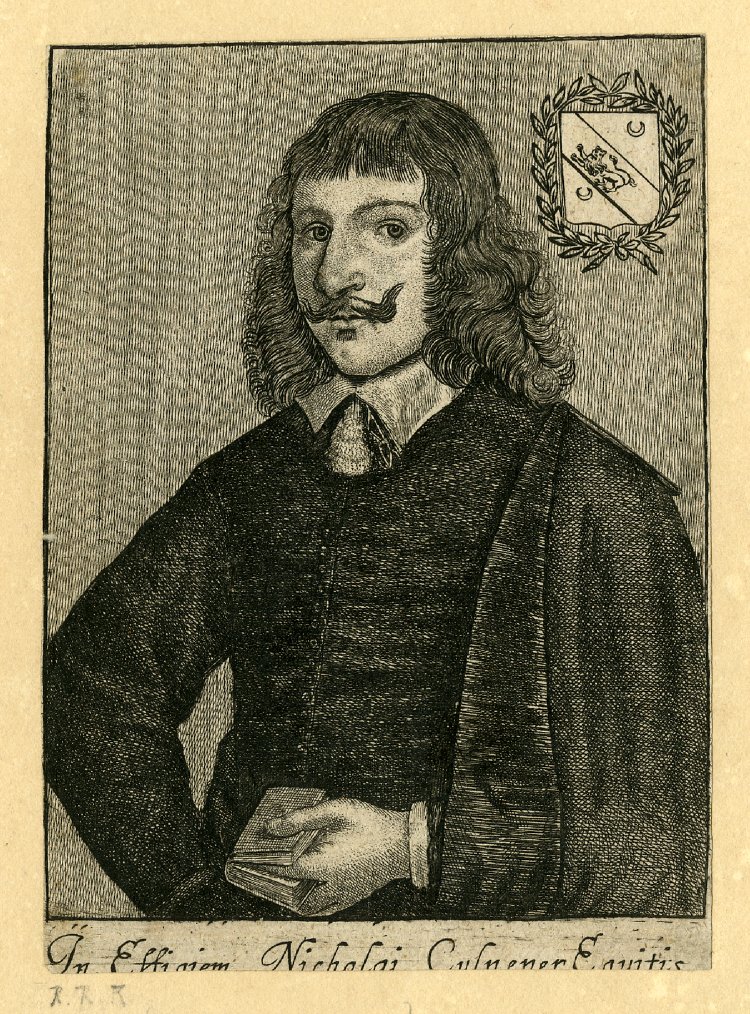 🇬🇧 United Kingdom and 1 moreNicholas Culpeper
An English herbalist and astrologer who translated medical texts into English for the poor.Text · Healing · Power and authority Historical
🇬🇧 United Kingdom and 1 moreNicholas Culpeper
An English herbalist and astrologer who translated medical texts into English for the poor.Text · Healing · Power and authority Historical
Related elsewhere
All text 🇮🇳 IndiaChakraचक्र
Meditation points in the subtle body used in Hindu and Buddhist yogaTradition · Speaking with spirits and the dead · Change and initiation Living
🇮🇳 IndiaChakraचक्र
Meditation points in the subtle body used in Hindu and Buddhist yogaTradition · Speaking with spirits and the dead · Change and initiation Living
 🇮🇳 India and 5 moreFountain of Youth
A legendary spring said to reverse aging and cure illness, appearing in myths across the world.Belief · Healing · Change and initiation Legendary
🇮🇳 India and 5 moreFountain of Youth
A legendary spring said to reverse aging and cure illness, appearing in myths across the world.Belief · Healing · Change and initiation Legendary
 🇪🇸 Spain and 5 moreIbn Arabiمحيي الدين أبو عبد الله محمد بن علي بن عربي الحاتمي الطائي
A medieval Andalusian mystic and philosopher whose teachings shaped Sufi metaphysics across the Islamic world.Text · Speaking with spirits and the dead · Change and initiation Living
🇪🇸 Spain and 5 moreIbn Arabiمحيي الدين أبو عبد الله محمد بن علي بن عربي الحاتمي الطائي
A medieval Andalusian mystic and philosopher whose teachings shaped Sufi metaphysics across the Islamic world.Text · Speaking with spirits and the dead · Change and initiation Living
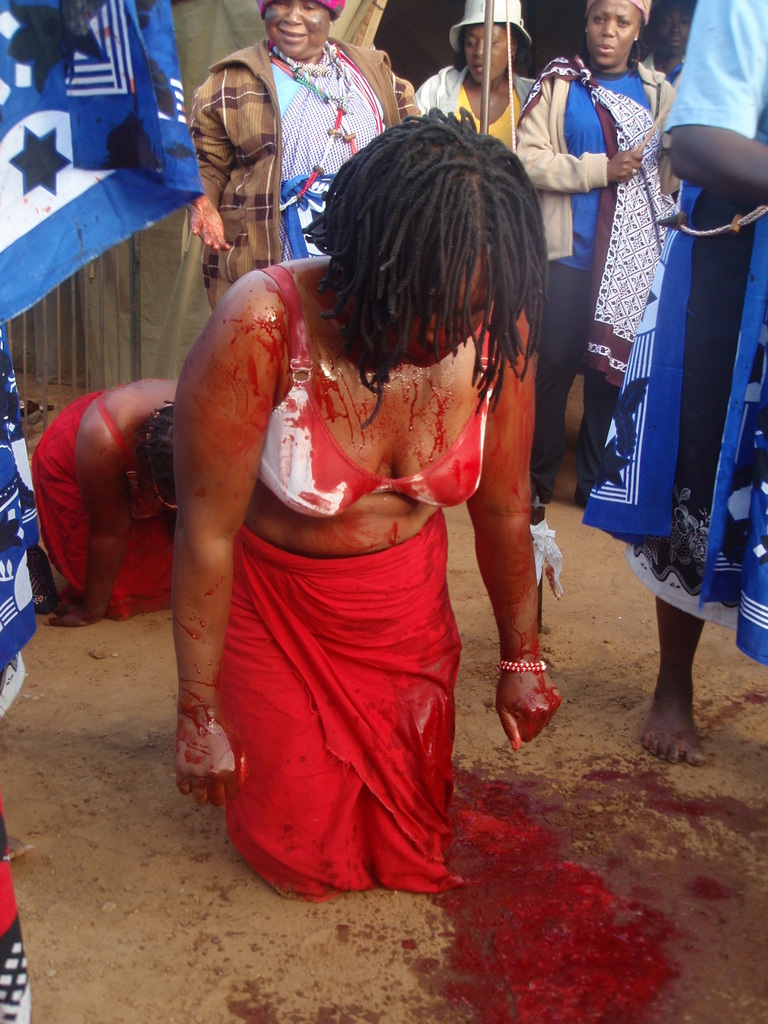 🇿🇦 South AfricaUkuthwasa
A spiritual calling and initiation process for traditional healers in Southern Africa.Rite · Healing · Speaking with spirits and the dead Living
🇿🇦 South AfricaUkuthwasa
A spiritual calling and initiation process for traditional healers in Southern Africa.Rite · Healing · Speaking with spirits and the dead Living