Books of secrets
Early modern European compilations of recipes and formulae framed as hidden knowledge
Books of secrets were popular publications in Europe from the Middle Ages through the eighteenth century. They gathered practical recipes for medicine, household tasks, and technical crafts, presenting them as exclusive magical or natural knowledge.
- Popular genre in Europe from the High Middle Ages through the eighteenth century
- Combined practical recipes with magical or natural philosophy
- Often falsely attributed to ancient authorities like Aristotle
- Played a role in the emergence of experimental science
- Solidified as a distinct form in sixteenth-century Italy
What it is
Books of secrets formed a distinct literary genre in early modern Europe. These volumes collected technical instructions, medical remedies, and household tips alongside magical formulae. Publishers marketed them to a broad public while framing the content as exclusive or arcane information. The texts often claimed to reveal hidden truths about nature, blending practical utility with an aura of mystery. This approach made them highly popular across different social classes, from peddlers selling pamphlets to scholars reading encyclopedic volumes.
Where it comes from
The tradition traces back to ancient Greek and Roman authors like Aristotle and Pliny, who wrote philosophical and practical texts about the natural world. After the fall of Rome, surviving medical and herbal texts were adapted for northern European environments. The genre solidified in sixteenth-century Italy, with works like Secreti setting the standard for subsequent publications throughout Europe.
How it is done
These books compiled existing knowledge into accessible formats for readers without university education. Authors frequently used pseudonyms or falsely attributed works to respected historical figures to lend authority. Many texts began with narratives explaining how the secrets were gathered. Recipes were often copied between different volumes, creating a standardized body of practical knowledge. Some authors, like Giambattista Della Porta, used these recipes to demonstrate principles of natural magic rather than just providing instructions.
Tools and materials
The primary tool was the printed page, which allowed for the mass distribution of previously private trade secrets. Common contents included lists of herbs, metallurgical processes, dyeing techniques, and cosmetic ingredients. The books themselves served as tools for disseminating knowledge that had once been restricted to guilds or family lineages. Pamphlets and larger encyclopedic volumes both functioned as repositories for this accumulated practical wisdom.
Books of secrets, drawn and placed
- Living
- Revived
- Fading
- Historical
- Legendary
- Performed
What it is for
Readers sought these books for access to useful information on health, household management, and craftsmanship. They also appealed to those interested in the esoteric aspects of natural philosophy. By framing practical advice as secret knowledge, publishers attracted buyers eager for privileged insights. The books helped democratize technical skills, allowing non-specialists to perform tasks previously reserved for trained artisans or physicians.
Who does it
Scholars and historians analyze these texts to understand the transition from medieval to modern scientific thought. While originally intended for general readers, they influenced experimental scientists by making technical data widely available. Authors often adopted pseudonyms, such as Alessio Piemontese, to navigate the competitive publishing landscape. The lack of copyright protection meant that printers and writers frequently reused and repackaged successful recipes.
Peoples and places
The genre flourished primarily in Italy before spreading across Europe. Italian publishers pioneered the format in the sixteenth century, capitalizing on the commercial printing industry. The rise of Renaissance Humanism encouraged publishers to link their works to classical authorities, leading to fabricated origins for many texts. This practice helped establish a pan-European market for secret knowledge, appealing to diverse audiences seeking both utility and wonder.
At a glance: who, where and when
Who does it
Belief worlds
What people believe
The underlying worldview treated nature as containing hidden forces and secrets that could be unlocked through specific procedures. Natural magic was seen as a way to interact with these forces using everyday materials. The books reflected a belief that knowledge, even when practical, held a sacred or powerful quality. This perspective bridged the gap between religious mysticism and emerging empirical observation, suggesting that understanding nature's secrets was a path to greater power.
How scholars and sceptics see it
Historians link the dissemination of practical knowledge in these books to the development of secular values and Baconian science. Some view them as contributing to an 'age of how-to' by making technical information publicly available. Recent research suggests they played a crucial role in the emergence of experimental science by providing raw data to scientists. Roger Bacon criticized similar works for hindering rational thought, but modern scholars argue they actually encouraged systematic experimentation.
Compare and confuse
Books of secrets are related to earlier medieval manuscripts and later scientific journals. They differ from grimoires by focusing heavily on practical trades and household management rather than purely ritualistic magic. The term 'Natural Magic' distinguishes them from ceremonial practices, emphasizing interaction with the physical world. They share similarities with modern DIY guides but retain a unique historical framing of knowledge as secretive and exclusive.
Today
The influence of books of secrets waned after the seventeenth century as experimental science made natural phenomena less mysterious. How-to books remained popular, but the framing of information as 'secret' became less desirable. The genre serves as a historical record of early modern technology and beliefs. Modern scholars study these texts to trace the evolution of scientific methodology and the changing relationship between knowledge and power.
Questions people ask about Books of secrets
What exactly are books of secrets?
They are early modern European publications collecting practical recipes for medicine, crafts, and household tasks, framed as exclusive or magical knowledge.
Where did this tradition originate?
It traces back to ancient Greek and Roman texts, but the specific genre of 'books of secrets' took clear form in sixteenth-century Italy.
Why were they called 'secrets' if they were for everyone?
Publishers used the label to create an aura of exclusivity and mystery, attracting readers who wanted privileged access to useful information.
How did they influence science?
By disseminating practical technical data to a wide audience, they provided essential information that helped shape early experimental scientific methods.
Good reading and sources
The facts on this page come from the Wikipedia article "Books of secrets", written by its contributors and used under the CC BY-SA 4.0 licence, and from its Wikidata record (CC0). EveryJaadu rewrote the text in its own words, with AI assistance, and compares every page with the article to make sure no passage is copied. It may be reused under the same CC BY-SA 4.0 licence with a link back.
It may contain mistakes. Names and customs differ from one community to the next, and some knowledge is closed to outsiders and left out here. This page describes belief and practice. It does not say that any of it works, it is not a how-to, and it is not medical advice. If something is wrong, tell us. Last refreshed 2026-10-08.
More from Italy
All the entries from Italy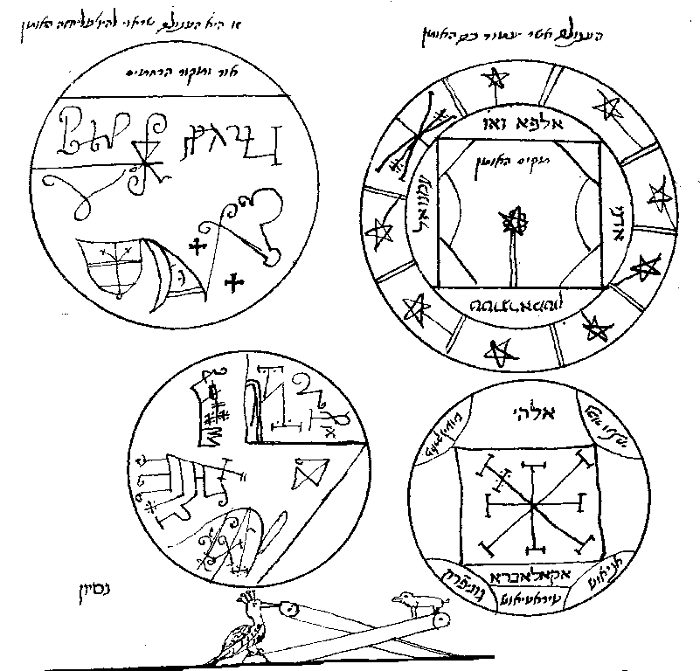 🇮🇹 Italy and 2 moreKey of SolomonClavicula Salomonis
A Renaissance grimoire attributed to King Solomon, detailing ritual preparations and invocations.Text · Cursing and harm · Love and attraction Historical
🇮🇹 Italy and 2 moreKey of SolomonClavicula Salomonis
A Renaissance grimoire attributed to King Solomon, detailing ritual preparations and invocations.Text · Cursing and harm · Love and attraction Historical
 🇮🇹 ItalyMarsilio Ficino
A Renaissance priest and philosopher who revived Plato and blended astrology with Christian theology.Text · Speaking with spirits and the dead · Healing Historical
🇮🇹 ItalyMarsilio Ficino
A Renaissance priest and philosopher who revived Plato and blended astrology with Christian theology.Text · Speaking with spirits and the dead · Healing Historical
 🇫🇷 France and 1 moreNostradamus
A French astrologer and physician known for a book of poetic propheciesText · Seeing and foretelling · Power and authority Historical
🇫🇷 France and 1 moreNostradamus
A French astrologer and physician known for a book of poetic propheciesText · Seeing and foretelling · Power and authority Historical
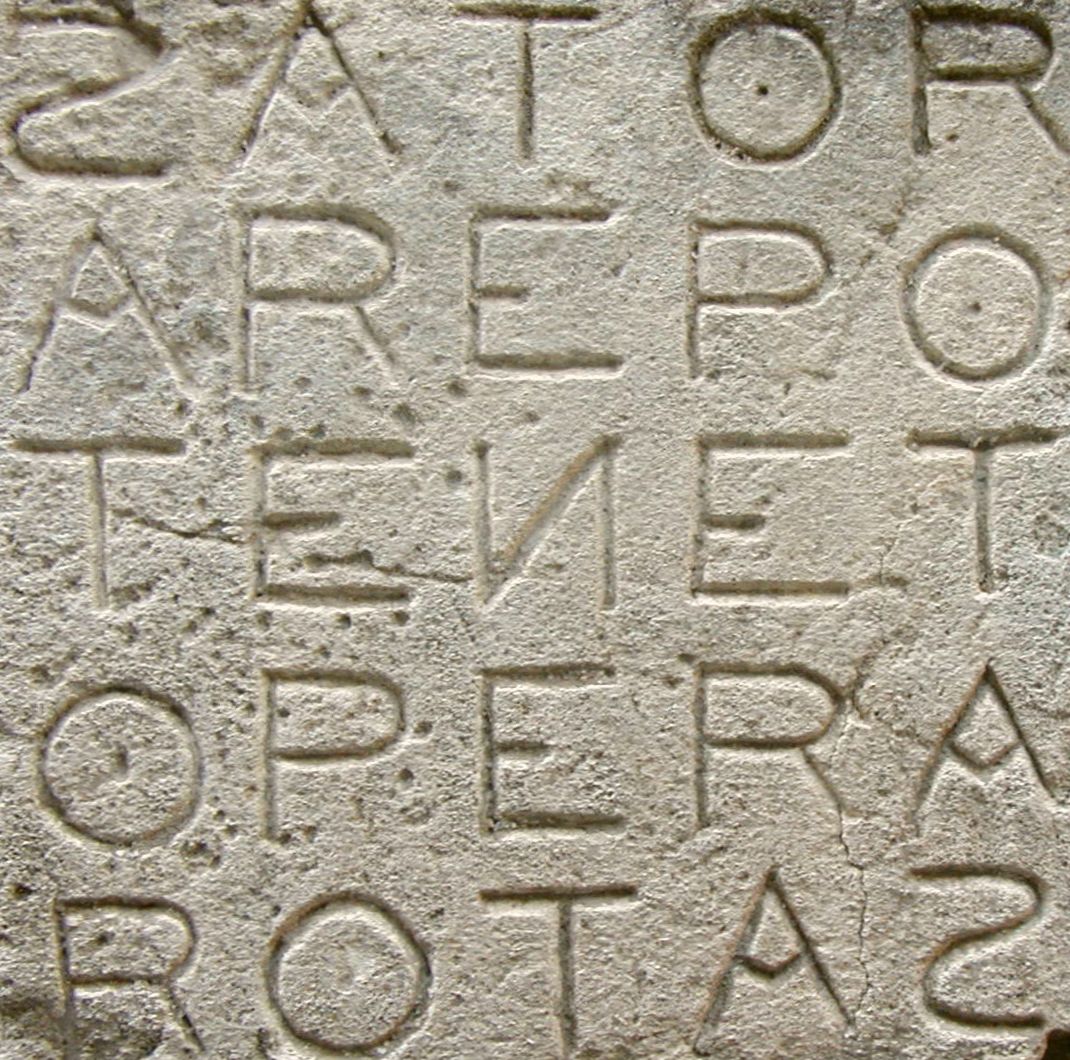 🇮🇹 Italy and 5 moreSator Square
A five-word Latin palindrome found in Roman ruins and medieval churchesCharm · Protection · Healing Historical
🇮🇹 Italy and 5 moreSator Square
A five-word Latin palindrome found in Roman ruins and medieval churchesCharm · Protection · Healing Historical
Related elsewhere
All text 🇮🇳 India and 5 moreAstrology
A divinatory practice that reads human fate through the positions of celestial bodies.Belief · Seeing and foretelling · Luck and prosperity Living
🇮🇳 India and 5 moreAstrology
A divinatory practice that reads human fate through the positions of celestial bodies.Belief · Seeing and foretelling · Luck and prosperity Living
 🇮🇳 India and 2 morePalmistry
A divination method that interprets the lines and shapes of the hand to predict fate or reveal character.Oracle · Seeing and foretelling · Power and authority Living
🇮🇳 India and 2 morePalmistry
A divination method that interprets the lines and shapes of the hand to predict fate or reveal character.Oracle · Seeing and foretelling · Power and authority Living
 🇨🇳 China and 3 moreChinese dragon龍
A legendary water deity and imperial symbol in East Asian cultureBeing · Protection · Luck and prosperity Historical
🇨🇳 China and 3 moreChinese dragon龍
A legendary water deity and imperial symbol in East Asian cultureBeing · Protection · Luck and prosperity Historical
 🇮🇳 India and 1 moreGarba
A Gujarati circle dance performed around a central symbol during NavaratriIllusion · Power and authority · Luck and prosperity Living
🇮🇳 India and 1 moreGarba
A Gujarati circle dance performed around a central symbol during NavaratriIllusion · Power and authority · Luck and prosperity Living