Books and texts
Grimoires, magical papyri, Kabbalistic and Hermetic works and the manuals of cunning folk.
Magical texts are the books, scrolls and papyri that record spells, rites and lore: the Greek Magical Papyri, the Hebrew Sefer Yetzirah and the Zohar, the Picatrix, the Key of Solomon, the Grimorium Verum, the Hindu Atharvaveda, the Egyptian Book of the Dead, the Chinese Taoist ritual manuals and the grimoires of the European cunning folk. This page asks what these texts are, who wrote and read them, and why their authority is complicated.
What the texts are
Some are scripture, such as the Atharvaveda, which contains charms and healing hymns beside its worship. Some are handbooks, like the Greek Magical Papyri from Roman Egypt, which mix Greek, Egyptian and Jewish elements. Some are medieval compendia, such as the Arabic Picatrix. Many European grimoires were printed cheaply and passed hand to hand, and names such as Solomon were attached to give them credit. Some are tiny, such as a few lines on a papyrus strip folded into a case, and some run to hundreds of pages, but all were handled by a small number of people.
Readers and gatekeepers
Literacy mattered. A text of magic could only be used by someone who could read, copy and, often, read Latin, Hebrew or Arabic. That made the learned magician a figure of the elite and left village healers with oral knowledge. In Ethiopia, the debtera, a church-trained scribe, writes protective scrolls. In Java and Malaysia, Quranic and Sanskrit-derived texts are kept by family teachers. Where a text was in a sacred language, the ritual use sometimes outran the meaning, and people recited words they could not translate because the sound itself was held to matter.
Censorship and burning
Texts have been burned. The Church placed books of magic on its Index, Chinese dynasties restricted books of divination, and Qing and later authorities attacked books they saw as superstition. The Nazi regime closed occult lodges and seized their libraries. What we now know of some practices survives because inquisitors, in transcribing confiscated books, kept copies. Preservation depends on accident as well as intention: papyri survived in the dry sands of Egypt, while many paper books of village healers were lost when families moved or owners died.
Authenticity and the market
Many famous grimoires are not as old as they claim. The Sixth and Seventh Books of Moses is a nineteenth-century compilation. Scholars study such works to see how people imagined power, not to test it. Modern editions and online copies are popular, and some publishers present them as ready-to-use manuals, which the guide treats as a matter of belief and not of instruction. Collectors, museums and antiquarian dealers now trade in old manuscripts, and some forgeries sell as originals, which is another reason scholars check provenance.
Text on EveryJaadu
The entries written up so far, best known first.
 🇪🇸 Spain and 5 moreAlfonso X of Castileel Sabio
A medieval king who sponsored astronomical tables and translated works on magic and astrology.Text · Power and authority · Seeing and foretelling Historical
 🇪🇸 SpainDirectorium Inquisitorum
A 14th-century manual for inquisitors on heresy, magic, and trial procedureText · Cursing and harm · Power and authority Historical
 🇦🇫 Afghanistan and 2 moreAbu Ma'shar al-Balkhiابومَعْشَر جعفر بن محمد بن عمر بلخی
A Persian astrologer whose manuals shaped medieval European and Islamic celestial studiesText · Seeing and foretelling · Power and authority Historical
 🇨🇳 China and 2 moreJiang Ziya姜子牙
A historical strategist and war god who helped establish the Zhou dynastyFigure · Power and authority · Cursing and harm Historical
 🇮🇶 Iraq and 5 moreGrimoire
A textbook containing instructions for spells, rituals, and the creation of magical objects.Text · Protection · Healing Historical
🇩🇪 Germany and 3 moreSixth and Seventh Books of Moses
A grimoire claiming to reveal the hidden spells of Moses for controlling spirits and natureText · Power and authority · Speaking with spirits and the dead Historical
🇪🇬 Egypt and 1 moreLeyden papyrus X
A third-century Greek manuscript of alchemical and metallurgical recipesText · Power and authority Historical
 🇪🇬 Egypt and 5 moreHermetica
A collection of ancient texts attributed to Hermes Trismegistus covering magic, alchemy and philosophy.Text · Power and authority · Seeing and foretelling Historical
 🇮🇳 IndiaAtharvavedaअथर्ववेद
The fourth Veda of Hinduism, containing spells, healing rites, and domestic rituals.Text · Protection · Healing Historical
 🇬🇧 United KingdomWilliam Lilly
A seventeenth-century English astrologer and author who shaped Western tradition.Text · Seeing and foretelling · Power and authority Historical
 🇺🇸 United StatesThe Kybalion
A 1908 book presenting seven principles of mental philosophy as ancient Hermetic wisdomText · Power and authority Historical
 🇨🇳 ChinaOracle bone甲骨
Divination using heated ox bones and turtle shells in ancient ChinaRite · Seeing and foretelling · Power and authority Historical
 🇩🇪 GermanyBasil ValentineBasilius Valentinus
A pseudonymous alchemist whose chemical writings shaped early modern chemistry and hermetic tradition.Text · Power and authority Historical
 🇪🇬 Egypt and 1 moreDendera zodiac
A carved Egyptian sky map now held in a Paris museumText · Seeing and foretelling · Power and authority Historical
🇫🇷 FranceEtteilla
The first professional tarot occultist who created a system for card divination.Text · Seeing and foretelling · Power and authority Historical
 🇫🇷 FranceThree Books of Occult PhilosophyDe occulta philosophia libri III
A Renaissance treatise on elemental, celestial, and divine magic by Heinrich Cornelius AgrippaText · Healing · Protection Historical
 🇩🇿 Algeria and 1 moreAhmad al-Buniأحمد البوني المالكي
A medieval Sufi scholar known for works on letter mysticism and talismansText · Power and authority · Seeing and foretelling Historical
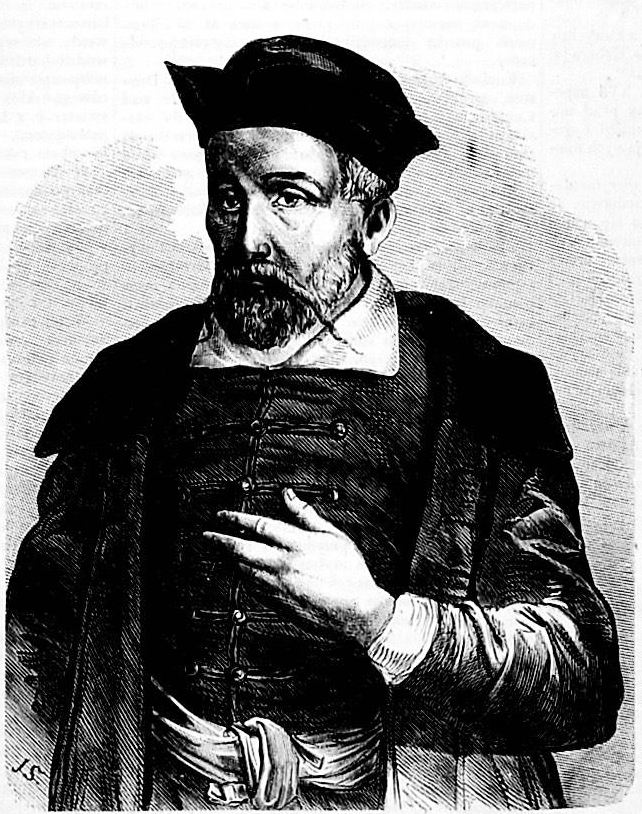 🇵🇱 Poland and 1 moreMichael SendivogiusMichał Sędziwój
A Polish alchemist who discovered oxygen and wrote on the 'food of life'Text · Power and authority · Change and initiation Historical
🇪🇬 EgyptBook of Thoth
A collection of ancient Egyptian texts attributed to the god of writing and knowledge.Text · Power and authority Historical
 🇯🇵 Japan and 1 moreKūkai空海
Founder of Shingon Buddhism who brought Vajrayana esoteric practices from China to Japan.Text · Power and authority · Protection Historical
 🇨🇳 China and 1 moreLuoshu Square洛書
An ancient Chinese magic square linked to river myths and Feng Shui geomancyText · Power and authority · Seeing and foretelling Historical
 🇮🇷 Iran and 2 moreJabir ibn Hayyanجابِر بِن حَيّان
A legendary Islamic alchemist and philosopher whose writings shaped medieval magic and chemistryText · Power and authority · Wonder and entertainment Historical
 🇮🇹 Italy and 3 moreRenaissance magic
A 15th and 16th century revival of magical arts blending philosophy, astrology, and hidden knowledge.Tradition · Power and authority · Seeing and foretelling Historical
 🇨🇳 China and 1 moreGe Hong葛洪
A Jin dynasty scholar and alchemist who wrote key texts on Taoist immortality and early medicine.Text · Healing · Power and authority Historical
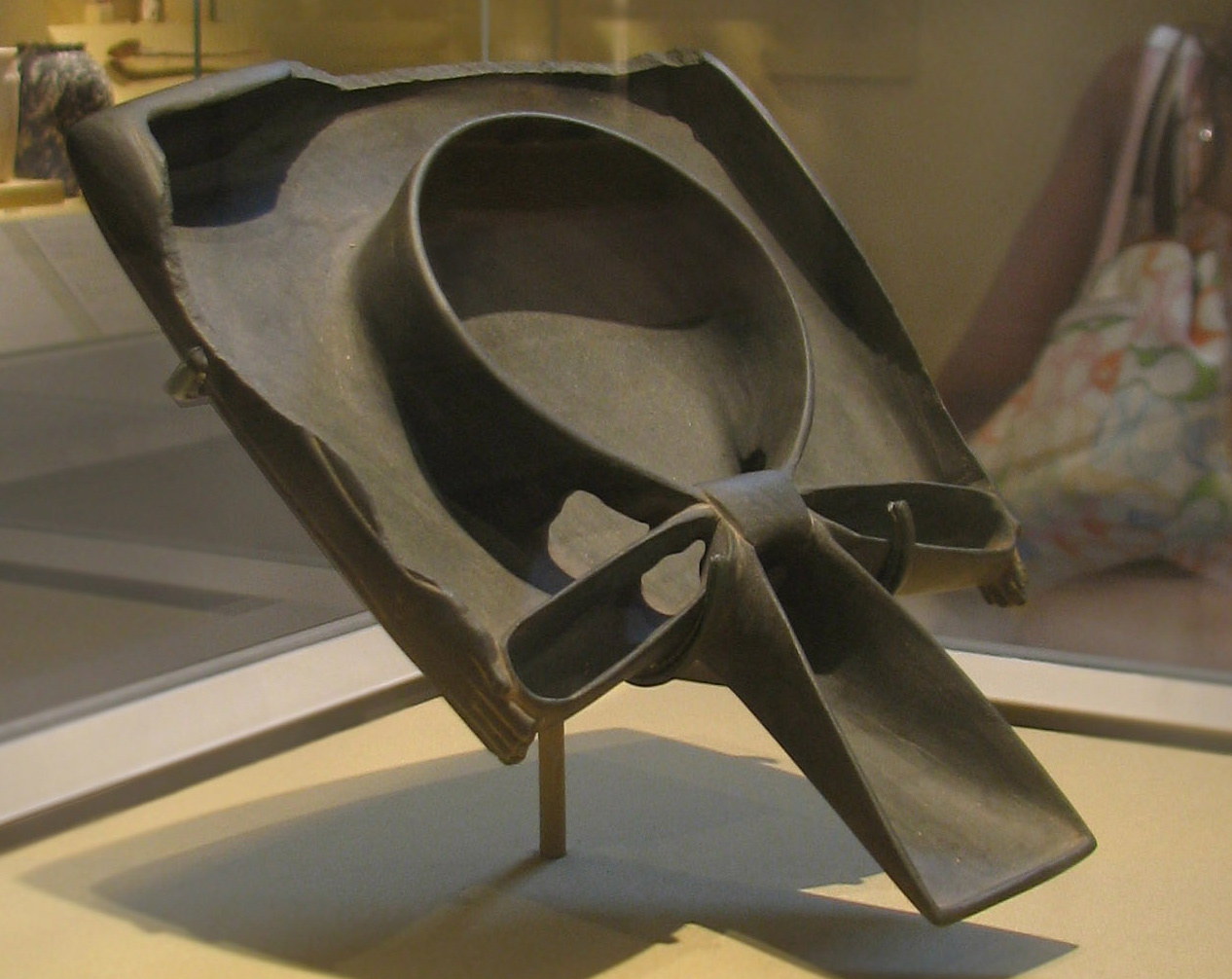 🇪🇬 Egypt and 2 moreAnkh
Ancient Egyptian hieroglyph for life and the amulet that carries its meaningCharm · Protection · Power and authority Historical
 🇬🇧 United Kingdom and 1 moreJohn Dee
An English scholar and advisor to Elizabeth I who pursued angelic communication through scrying.Tradition · Speaking with spirits and the dead · Seeing and foretelling Historical
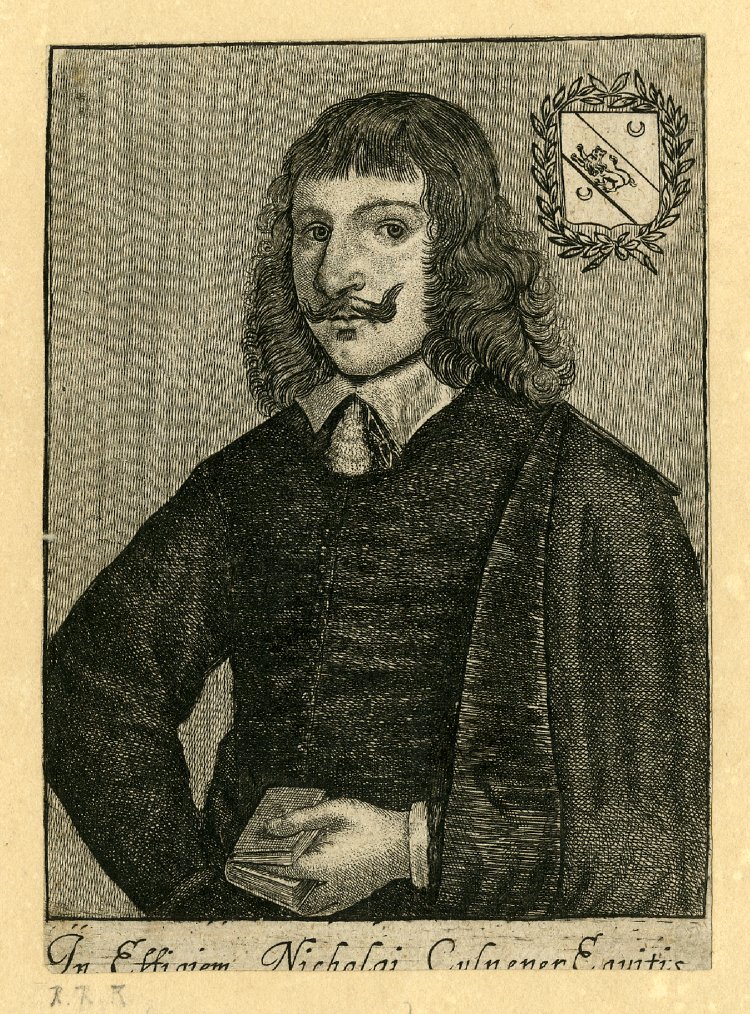 🇬🇧 United Kingdom and 1 moreNicholas Culpeper
An English herbalist and astrologer who translated medical texts into English for the poor.Text · Healing · Power and authority Historical
 🇩🇪 Germany and 3 moreRunesᚱᚢᚾᛟ
An ancient Germanic script used for writing and magical signs.Text · Seeing and foretelling · Power and authority Historical
 🇮🇸 IcelandGaldergaldr
A Germanic incantation and the written charms derived from itText · Protection · Cursing and harm Historical
 🇪🇸 Spain and 2 morePicatrixغاية الحكيم
A medieval Arabic handbook of talismanic magic and astrologyText · Power and authority · Seeing and foretelling Historical
 🇫🇷 FranceÉliphas Lévi
A French writer who shaped modern occult thought and ceremonial magic.Figure · Power and authority · Change and initiation Historical
 🇬🇧 United KingdomGeoffrey of MonmouthGruffudd ap Arthur
A medieval cleric whose writings shaped the King Arthur legend and British myth.Text · Power and authority Historical
🇬🇧 United KingdomGrimoire (sample)
A handbook of rites and names.Text · Power and authority · Speaking with spirits and the dead Historical
 🇪🇬 Egypt and 4 moreScarab
An ancient Egyptian amulet and seal shaped like a dung beetleCharm · Protection · Luck and prosperity Historical
🇪🇬 EgyptKitab al-Kanuzكتاب الكنوز
A lost Arabic treasure guide linked to Zerzura and the SphinxText · Luck and prosperity · Power and authority Historical
 🇪🇬 EgyptBarbarous name
A magical word whose meaning is unknown or ignored, valued for its sound alone.Text · Power and authority Historical
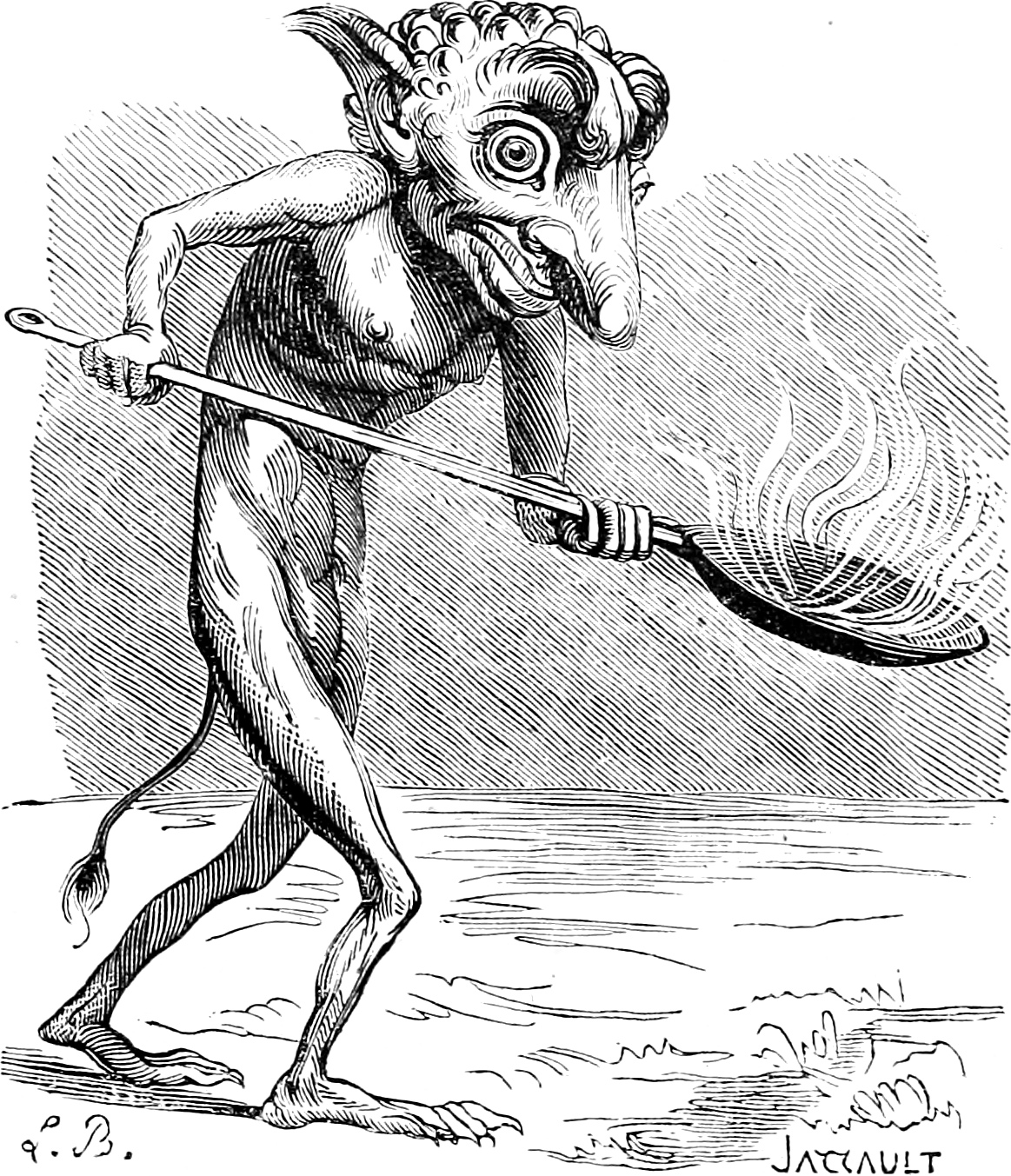 🇫🇷 FranceDictionnaire Infernal
A French demonology book cataloguing spirits and their hierarchies with engravings.Text · Power and authority Historical
 🇹🇭 Thailand and 2 moreSang Thongสังข์ทอง
A Southeast Asian folktale about a prince born in a shell who gains golden skin and magical powers.Figure · Luck and prosperity · Love and attraction Historical
 🇹🇷 Turkey and 1 moreSeal of Muhammadختم الرسول (Khatm ar-Rasul)
Relics and designs attributed to the Prophet's signet ring and correspondence marks.Charm · Power and authority · Protection Historical
🇸🇪 SwedenUthark theory
A proposed rearrangement of runes into a cipher order, popular in esoteric circles.Text · Power and authority Historical
🇮🇳 IndiaA Treatise on White Magic
An esoteric textbook by Alice Bailey outlining fifteen rules for spiritual service and initiation.Text · Speaking with spirits and the dead · Change and initiation Historical
 🇮🇸 Iceland and 3 moreRune poem
Proverbial verses used to memorize the names and order of runic lettersText · Power and authority Historical
🇬🇧 United KingdomThe Book of Thoth
A guide to a tarot deck designed by an occultist and his collaboratorText · Power and authority · Seeing and foretelling Historical
 🇮🇳 IndiaOccult Chemistry
A Theosophical book claiming to reveal atomic structure through clairvoyanceText · Power and authority Historical
 🇫🇷 FrancePetit AlbertSecrets merveilleux de la magie naturelle et cabalistique du petit Albert
An 18th-century French grimoire of natural and cabalistic magic sold to rural householdsText · Protection · Luck and prosperity Historical
🇮🇳 IndiaRisalah Maktubaatرساله مکتوبات
A collection of Persian letters guiding disciples and rulers on spiritual and moral matters.Text · Speaking with spirits and the dead · Power and authority Historical
 🇮🇹 ItalyGli ExperimentiGli Experimenti de la Ex.ma S.r Caterina da Furlj Matre de lo inllux.mo S.r Giouanni de Medici
A 16th-century manuscript of alchemical, medicinal, and cosmetic recipes by Caterina SforzaText · Healing · Power and authority Historical
Photo credits on this page
The small pictures above come from Wikimedia Commons under free licences. Some are cropped to fit.
- Geoffrey of Monmouth: Colin Cheesman, CC BY-SA 2.0, source
- Alfonso X of Castile: Otto Posse (1847-1921), Public domain, source
- Directorium Inquisitorum: Nicolás Eymerich, Public domain, source
- Abu Ma'shar al-Balkhi: User:Martin Kraft, CC BY-SA 3.0, source
- Jiang Ziya: Wang Qi, Public domain, source
- Grimoire: Bengt A. Lundberg, CC BY 2.5, source
- Hermetica: Jean-Louis Durant (1654-1718), Public domain, source
- Atharvaveda: William Dwight Whitney / Charles Rockwell Lanman, Public domain, source
- William Lilly: Simon Harriyott, CC BY 2.0, source
- The Kybalion: American Libraries, Public domain, source
- Oracle bone: Unknown author, CC0, source
- Basil Valentine: TomKidd, CC BY-SA 3.0, source
- Petit Albert: Albertus Parvus Lucius, CC BY-SA 4.0, source
- Dendera zodiac: Shonagon, CC0, source
- Barbarous name: Aktiophis, CC BY-SA 4.0, source
- Three Books of Occult Philosophy: Heinrich Cornelius Agrippa, Public domain, source
- Ahmad al-Buni: Khalili Collections, CC BY-SA 3.0 igo, source
- Natural magic: Unidentified painter, Public domain, source
- Michael Sendivogius: Łuszczkiewicz, Public domain, source
- Dictionnaire Infernal: Louis Le Breton, Public domain, source
- Kūkai: Unknown author, CC BY 4.0, source
- Luoshu Square: An unknown Tibetan artist, Public domain, source
- Jabir ibn Hayyan: Unknown author, Public domain, source
- Renaissance magic: Unknown author, Public domain, source
- Seal of Muhammad: unknown (drawing is signed in lower left corner), Public domain, source
- Ge Hong: Hannah, Public domain, source
- Rune poem: Tollef Salemann, CC0, source
- Ankh: Soutekh67, CC BY-SA 4.0, source
- Nicholas Culpeper: Richard Gaywood, Public domain, source
- Runes: Bengt Olof ÅRADSSON, CC BY 1.0, source
- Scarab: Rama, CC BY-SA 2.0 fr, source
- Sang Thong: Narisara Nuwattiwong, Public domain, source
- Galder: Bengt A. Lundberg, CC BY 2.5, source
- Picatrix: Unknown author, Public domain, source
- Occult Chemistry: The Theosophical Society (Adyar, Madras, India), Public domain, source
- Gli Experimenti: Mattman723, CC BY-SA 3.0, source
- Éliphas Lévi: Eliphas Lévi [1810-1875], Public domain, source