Beliefs, omens and superstitions
Luck and unluck, the evil eye, knocking on wood and the small customs people keep without asking why.
Beliefs, omens and superstitions are the small customs people keep without asking why: knocking on wood, salt over the shoulder, avoiding the number thirteen, the evil eye, a black cat crossing the road, a first visitor of the new year. They are found on every continent and are rarely tied to a priest or book. This page looks at where they come from, what the word superstition hides, and why they persist.
What they look like
Beliefs differ by place. The number four is avoided in China, Japan and Korea because it sounds like the word for death, while thirteen is avoided in much of the West. In India, a sneeze before leaving home may delay a journey, and a lemon and chillies are hung over a shop. The evil eye is feared under many names: nazar, mal de ojo, ayin hara. First-footing at new year in Scotland is said to bring luck to a house.
Whose word is superstition
The word superstition has a history. Roman writers used it for religion they disliked, and Christian writers for forbidden practice. Today it often means someone else's belief. Many religions regard some of their own customs as faith and others as superstition, and where the line falls depends on the speaker. Using the word can mark a speaker as modern and a neighbour as backward. Tests of common superstitions show that people who hold them are not less educated or less rational than others, and many hold them lightly.
Why people keep them
Psychologists find that superstition rises with uncertainty and stakes, which is why athletes, sailors, students and gamblers are known for them. Anthropologist Bronislaw Malinowski observed in the 1920s that Trobriand fishermen used rites in dangerous deep-sea fishing and not in safe lagoon fishing. Most people who follow small customs say they do so partly in jest and partly just in case. Similar customs turn up in places that have never met each other, which suggests that people everywhere respond to risk in similar ways.
When belief causes harm
Most superstitions are harmless. Some are not: beliefs about witchcraft have led to killings in parts of Africa, India and Papua New Guinea, and beliefs about albinism have led to attacks in Tanzania and Malawi. Others cost people money, as when a fee is demanded to lift a bad omen. Education, law and trusted community leaders have all been part of reducing harm. Campaigns by health workers, teachers and community radio have been effective where they listen first and explain later.
Belief on EveryJaadu
The entries written up so far, best known first.
 🇮🇳 IndiaCalingae
A people of ancient Indian legend said to reach old age at eightBeing Legendary
 🇻🇳 Vietnam and 3 moreWhale worshipCá Ông
A folk practice across East and Southeast Asia honoring cetaceans as divine protectors of fishermenTradition · Protection · Luck and prosperity Living
 🇦🇺 Australia and 1 moreVoldemort effect
A social pattern where naming a fear or problem makes it seem more powerfulBelief · Cursing and harm Historical
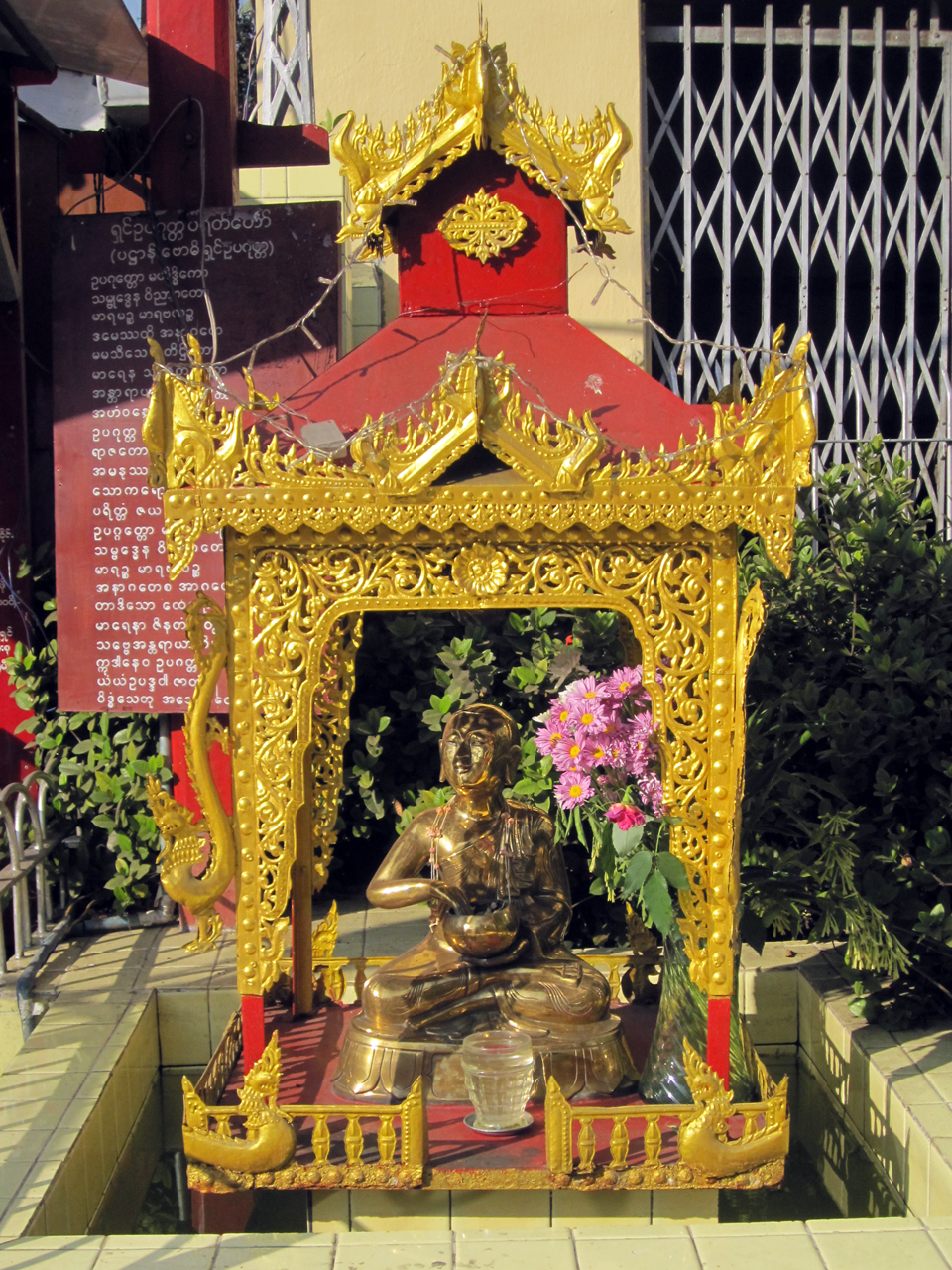 🇲🇲 Myanmar and 3 moreShin Upaguttaရှင်ဥပဂုတ်
A Burmese Buddhist arhat asked to keep storms and floods awayBeing · Protection Living
🇰🇷 South KoreaDocham도참
A Korean system of prophecy and omens guiding political fate and temple placementTradition · Seeing and foretelling · Power and authority Historical
 🇬🇷 GreeceBranchusΒράγχος
A mortal lover of Apollo who became a prophet and founded an oracle cult in ancient Greece.Figure · Seeing and foretelling · Healing Legendary
 🇫🇷 FranceOrléans heresy
A 1022 heresy trial at Orléans that ended in a mass burningBelief Historical
🇮🇷 Iran and 3 moreAstrology and science
A belief system linking stars to human life, tested and rejected by the scientific communityBelief · Seeing and foretelling · Power and authority Historical
 🇬🇧 United Kingdom and 4 moreSpiritualism
A metaphysical belief that spirits communicate with the living through mediums.Belief · Speaking with spirits and the dead Living
 🇪🇬 EgyptNumbers in Egyptian mythology
Sacred and magical meanings given to certain numbers in Egyptian mythBelief Historical
🇺🇸 United States and 3 more11:11
A clock time believed to signal spiritual alignment or synchronicity in numerology and New Age thoughtBelief · Wonder and entertainment · Power and authority Living
🇿🇦 South AfricaTagati
A South African English term for a harmful wizard or poisoner, from Zulu roots.Belief · Cursing and harm Historical
🇷🇺 RussiaZoya's Standing
A Soviet-era tale of a dancer frozen in place for mocking a saint's iconBelief Legendary
 🇲🇽 Mexico and 4 moreMirrors in Mesoamerican culture
Reflective stones used for divination and elite status across ancient Mexico and Central AmericaCharm · Seeing and foretelling · Power and authority Historical
 🇬🇧 United KingdomWarlock
A word for a male witch, rooted in an old term for oath-breaker and devil pactsFigure · Cursing and harm · Seeing and foretelling Historical
 🇮🇱 IsraelMatzevahמַצֵּבָה
A standing stone used as a sacred marker or grave monument in ancient and Jewish traditionCharm · Speaking with spirits and the dead · Protection Living
🇷🇴 RomaniaTanacu exorcism
A 2005 Romanian Orthodox ritual that ended in a nun's death and a murder convictionRite · Speaking with spirits and the dead · Cursing and harm Historical
 🇺🇸 United StatesBaseball superstition
Rituals and beliefs held by players and fans to influence game outcomesBelief · Luck and prosperity · Protection Living
🇯🇵 JapanYakudoshi厄年
Traditional Japanese ages believed to bring bad luck and the rituals used to ward them offBelief · Protection Living
 🇮🇪 IrelandTír na nÓg
An island realm in Irish myth where time stands still and youth never fadesBelief · Wonder and entertainment Legendary
🇮🇪 IrelandDeath coachcóiste bodhar
A spectral carriage that signals an unavoidable death in European folkloreBelief · Cursing and harm Legendary
 🇮🇳 India and 5 moreLock of hair
A piece of human hair kept for symbolic, sentimental, or superstitious reasons.Substance · Protection · Luck and prosperity Living
 🇮🇹 ItalyKnight of Coins
A tarot court card read as a serious young man, drawn on questions of work and home.Oracle · Seeing and foretelling Living
 🇬🇧 United KingdomTwo of Coins
A tarot card representing balance, juggling duties, and the struggle to maintain equilibrium.Belief · Seeing and foretelling Living
 🇯🇵 JapanKamikiri髪切り
A Japanese yōkai blamed for the sudden disappearance of human hairBeing · Cursing and harm Historical
🇮🇷 IranFaravaharفَرَوَهَر
Zoroastrian guardian spirits: ancestor-warriors and each person's unseen twinBeing · Protection · Speaking with spirits and the dead Living
 🇪🇸 SpainAkelarre
The Basque name for a witches' sabbath, an assembly said to answer to a black he-goatBelief · Speaking with spirits and the dead · Cursing and harm Legendary
🇬🇹 Guatemala and 1 moreEl Sombrerón
A tall, hat-wearing figure from Guatemalan legend who courts young women and haunts neighborhoods at dusk.Figure · Love and attraction · Cursing and harm Legendary
🇦🇲 Armenia and 5 moreSpilling water for luck
A folk custom of pouring water to wish a traveler or worker a smooth journeyBelief · Luck and prosperity · Protection Living
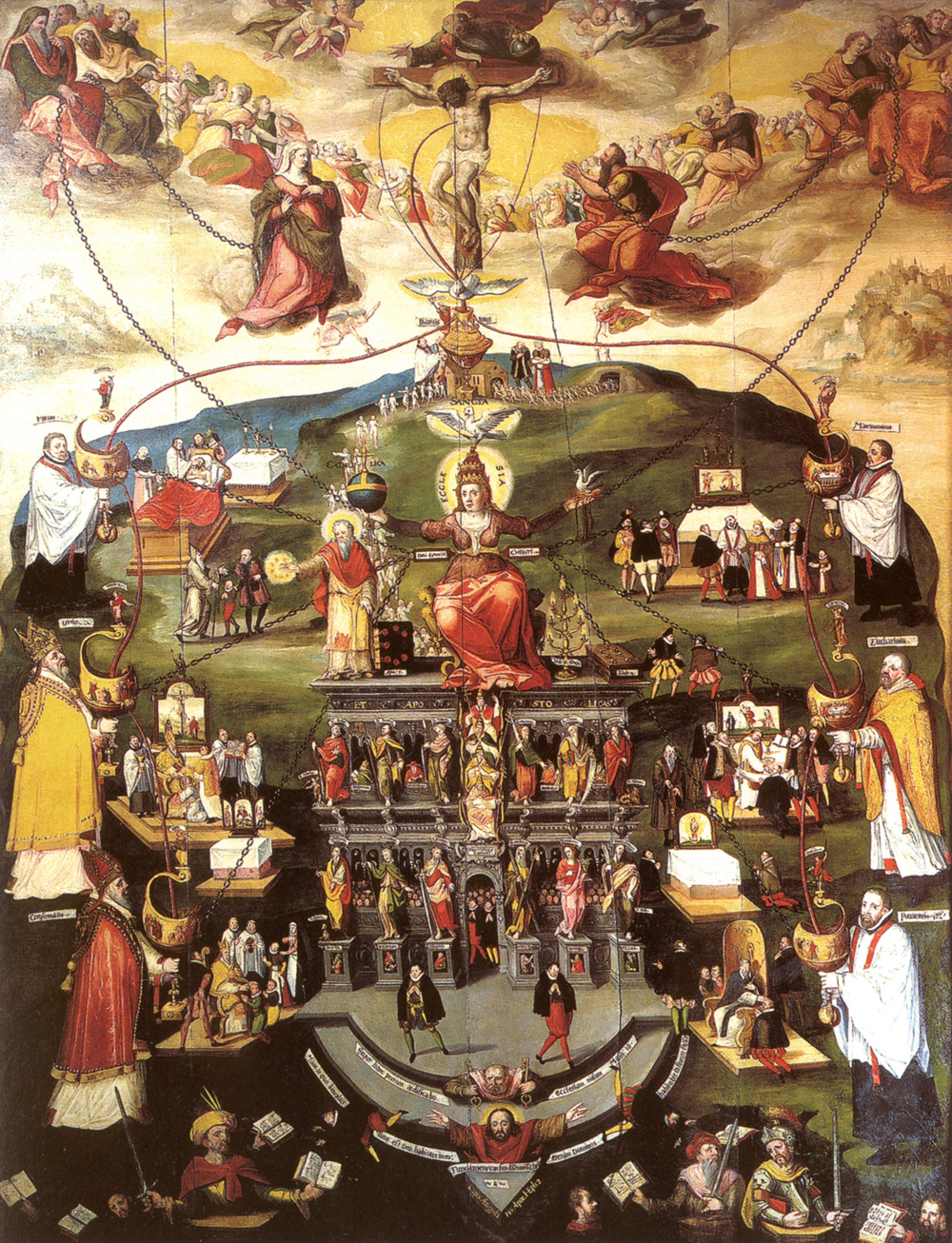 🇬🇷 GreeceSacred mysteriesμυστήριον
Secret ceremonies and divine doctrines held to exceed human reasonBelief · Speaking with spirits and the dead · Change and initiation Living
🇮🇱 IsraelShekhinahשְׁכִינָה
The divine presence of God dwelling among people in Jewish and Islamic thoughtBelief · Speaking with spirits and the dead · Power and authority Living
🇬🇧 United KingdomShoes on a table
A superstition that placing footwear on a table invites bad luck or disrespectBelief · Luck and prosperity Living
🇯🇲 Jamaica and 4 moreJumbee
A shadowy spirit of the dead in Caribbean folklore, often linked to evil deeds.Belief · Cursing and harm Living
🇯🇵 Japan and 3 moreThoughtography念写
A claimed psychic ability to imprint mental images directly onto photographic film.Belief · Wonder and entertainment Historical
🇺🇸 United States and 5 moreVanishing hitchhiker
An urban legend where a motorist picks up a passenger who vanishes, often leaving behind proof of their death.Belief · Seeing and foretelling · Wonder and entertainment Living
🇮🇪 IrelandHungry grassféar gortach
A cursed patch of land that causes insatiable hunger to anyone who walks on itBelief · Cursing and harm Historical
 🇮🇳 India and 4 moreKala paniकाला पानी
A Hindu taboo against crossing the sea that threatens caste status and spiritual purity.Belief · Cursing and harm Historical
 🇮🇳 IndiaUchchhishtaउच्छिष्ट
A Hindu concept of ritual impurity linked to saliva and food remnantsBelief · Cleansing and purification Living
 🇫🇷 FranceLoudun possessionsaffaire des possédées de Loudun
A 17th-century witchcraft trial in France involving alleged demonic possession by Ursuline nuns.Belief · Cursing and harm · Speaking with spirits and the dead Historical
 🇮🇳 India and 5 moreSailors' superstitions
A global collection of omens, charms and taboos used by mariners to manage the risks of life at seaBelief · Protection · Luck and prosperity Living
 🇬🇧 United Kingdom and 1 moreDevil's Footprints
A 1855 English mystery of hoof-like tracks appearing across snow-covered landscapesBelief · Cursing and harm Historical
🇮🇹 ItalyIn bocca al lupo
An Italian idiom wishing good luck by invoking danger, with a response asking for the wolf's death.Belief · Luck and prosperity Living
 🇮🇳 IndiaKhodiyarખોડીયાર
A limping Hindu folk goddess who rides a crocodile and shields royal clansBeing · Protection · Healing Living
 🇮🇷 Iran and 2 moreSuperstitions in Muslim societies
Beliefs in supernatural forces and charms found across the Islamic worldTradition · Protection · Healing Living
 🇨🇳 ChinaSuperstition in China
A broad category for folk beliefs and rituals dismissed as backward by modern Chinese authoritiesBelief · Protection · Luck and prosperity Living
 🇮🇪 IrelandJack O'The Lantern
An Irish folktale about a deceitful man condemned to wander with a carved lanternFigure · Wonder and entertainment Historical
 🇨🇳 China and 1 moreMoney tree搖錢樹
A mythical tree of fortune and a Chinese New Year custom for wealthFigure · Luck and prosperity · Power and authority Living
 🇯🇵 JapanTeke Tekeテケテケ
A Japanese legend of a vengeful spirit who drags herself along on her elbowsBeing · Cursing and harm Legendary
Photo credits on this page
The small pictures above come from Wikimedia Commons under free licences. Some are cropped to fit.
- Teke Teke: Dr.Lantis, CC BY-SA 4.0, source
- Devil's Footprints: John Good, Public domain, source
- Sacred mysteries: Johannes Hopffe, Public domain, source
- Akelarre: Francisco Goya, Public domain, source
- Spiritualism: Internet Archive Book Images, No restrictions, source
- Orléans heresy: Émile Bayard, Public domain, source
- Voldemort effect: Shayan Barjesteh van Waalwijk van Doorn, CC BY-SA 4.0, source
- Calingae: anonymous, Public domain, source
- Whale worship: Bùi Thụy Đào Nguyên, CC BY-SA 3.0, source
- Shin Upagutta: Hintha, CC BY-SA 3.0, source
- Branchus: Francesco Bini, CC BY-SA 4.0, source
- Numbers in Egyptian mythology: Ad Meskens, CC BY-SA 3.0, source
- Mirrors in Mesoamerican culture: Vassil, CC0, source
- Warlock: John Faed RSA. 1855., Public domain, source
- Matzevah: Gilslovik, CC BY-SA 4.0, source
- Baseball superstition: Johnmaxmena2, CC BY 4.0, source
- Tír na nÓg: Arthur Rackham, Public domain, source
- Lock of hair: Unknown author, CC0, source
- Knight of Coins: Pamela Colman Smith, Public domain, source
- Two of Coins: Augusto Rius in 1889 [1] for Heraclio Fournier, CC BY-SA 4.0, source
- Kamikiri: Sawaki Suushi (佐脇嵩之, Japanese, *1707, †1772), Public domain, source
- Kala pani: =This media: Fconaway ( talk ) ( Uploads ); Original work: ; Subject w, Public domain, source
- Uchchhishta: Ebenezergangmei, CC BY-SA 4.0, source
- Loudun possessions: Unknown author, Public domain, source
- Sailors' superstitions: Siren Painter (eponymous vase), Public domain, source
- Khodiyar: Damian N. Boodram, CC BY-SA 4.0, source
- Superstitions in Muslim societies: Unknown author, CC0, source
- Superstition in China: Gary Todd, CC0, source
- Jack O'The Lantern: Bodrugan, CC BY-SA 3.0, source
- Money tree: Pratyeka, CC BY-SA 4.0, source