Spirits, creatures and beings
Djinn, fairies, orisha, golems and the other powers that magic deals with.
Beings are the powers that magic deals with: spirits, ancestors, gods, djinn, fairies, orisha, nats, kami, demons, golems, ghosts and the many kinds of household and landscape spirit. People in most cultures have described a world shared with unseen others, who may help, trouble or ask for respect. This page covers what these beings are said to be and the very different ways communities relate to them. They are always described here as what communities believe, not as established fact.
Different kinds of beings
A being can be a god with a priesthood, such as an orisha served in Yoruba religion, Cuba and Brazil. It can be an ancestor, honoured in China, Africa and Mexico. It can belong to a place, such as the kami of Shinto, the Thai phi or the Burmese nats. It can be a trouble-maker, like the djinn of Arabic and Islamic tradition, formed from smokeless fire, or the fairies of Ireland, whom people avoided naming.
Relationship, not command
In many traditions, a person does not command a being but enters a relationship with it, through offerings, promises and respect. Possession and mediumship are forms of that relationship, as in Vodou, Candomblé, Korean mudang rites and Sufi gatherings. In ceremonial magic of the European grimoires, by contrast, the magician summons spirits by name and authority, which the Church condemned as demon-raising. The same being may be loved in one household and feared in the next, and a spirit helpful to its servant can be harmful to a stranger.
Religions and renaming
Dominant religions often absorbed beings by relabelling them. Christian missionaries called many African and Indigenous spirits demons. Islam reads the djinn as real creatures, some of whom are Muslim, and Hindu and Buddhist traditions fold local deities into their own pantheons. Pagan and fairy beliefs were sometimes recast as the devil's work, which fed witch trials in Europe. Churches and mosques have sometimes divided beings into good and evil in ways the older traditions did not, so that a neutral local spirit became a demon on the day a missionary arrived.
Harm and interpretation
Belief in harmful spirits has been used to accuse people. Children in parts of West and Central Africa have been branded as witches possessed by evil spirits, and some have been abused by pastors or families in the name of deliverance. Scholars read spirit beliefs as ways to make sense of illness, loss and conflict, and many communities see them simply as neighbours. That is why accusations tied to spirit beliefs fall hardest on children and the vulnerable, and why many agencies train local leaders to challenge them.
Being on EveryJaadu
The entries written up so far, best known first.
 🇮🇳 IndiaSnow Lionགངས་སེང་གེ་
A celestial mountain guardian of Tibet embodying fearlessness, bliss, and the DharmaBeing · Protection · Power and authority Living
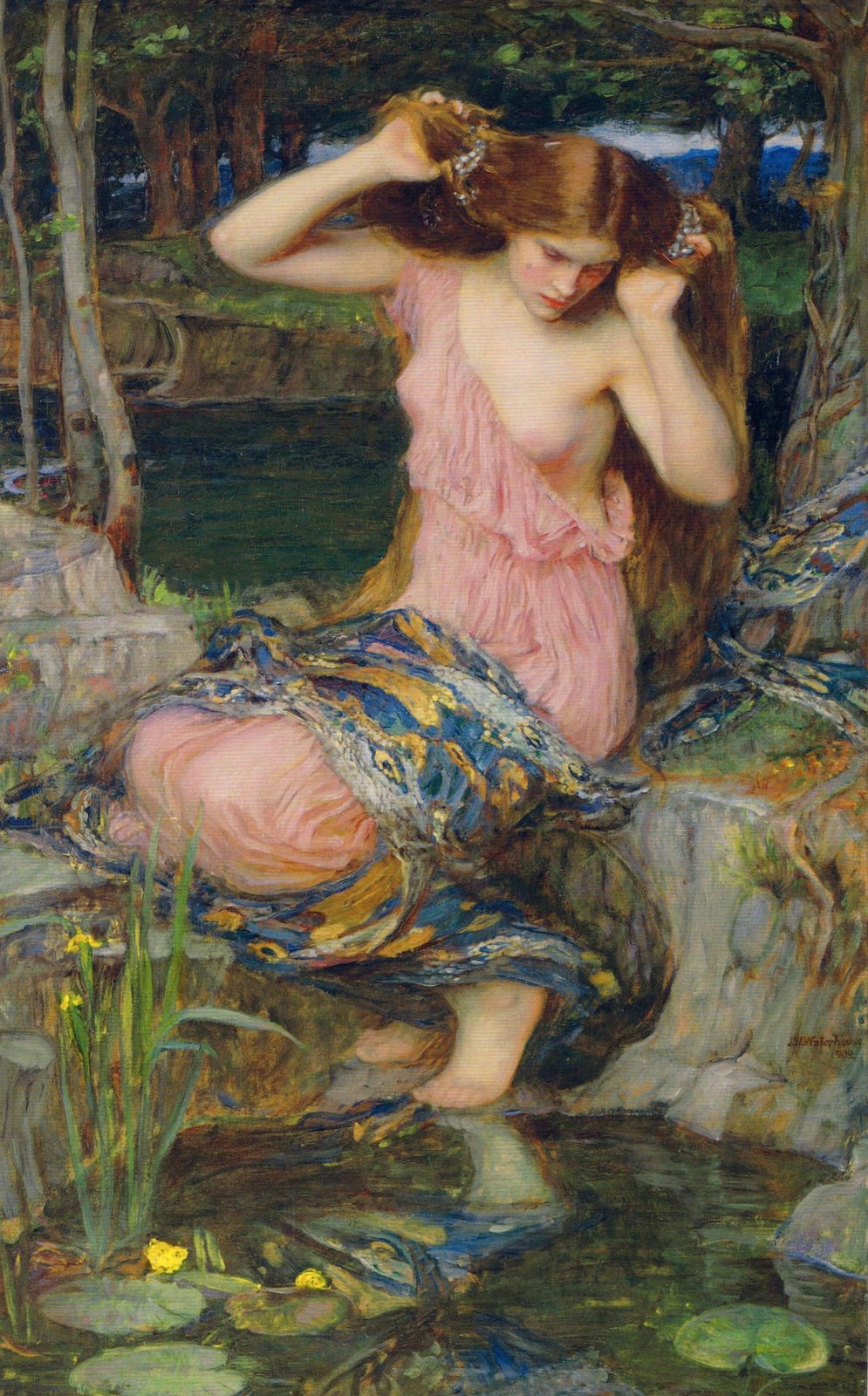 🇪🇸 SpainAnjanaanˈhana / an.xa.nɜ
Cantabrian fairies who protect forests and bring gifts to children.Being · Protection · Luck and prosperity Historical
 🇮🇹 Italy and 5 moreSaint Michael
A Christian archangel who defends the faithful and weighs soulsBeing · Protection · Cursing and harm Living
 🇮🇳 IndiaSamatonꯁꯃꯗꯣꯟ ꯑꯌꯥꯡꯕ (Shamadon Ayangba)
A winged divine horse from Meitei mythology and ancestor of the Manipuri ponyBeing · Power and authority Living
 🇷🇴 Romania and 1 moreSânziană
Romanian fairies and a summer solstice festival of flowers and magicBeing · Protection · Love and attraction Living
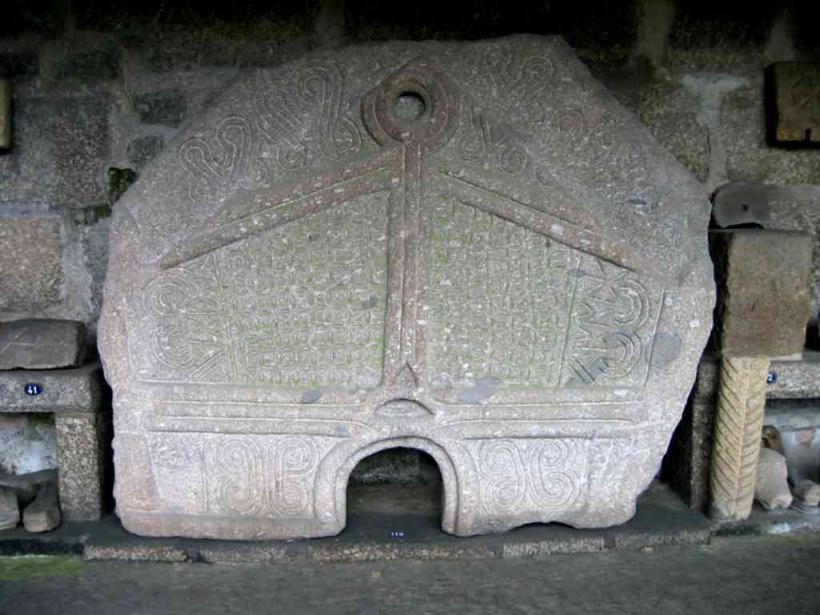 🇵🇹 PortugalEnchanted Mouramoura encantada
A supernatural maiden from Portuguese and Galician folklore who guards treasures and ancient stones.Being · Cursing and harm · Luck and prosperity Legendary
 🇮🇩 IndonesiaBarongᬩᬭᭀᬂ
A lion-like spirit king of Bali who battles the witch queen Rangda in dance and mythBeing · Protection Living
 🇷🇺 Russia and 2 moreSupernatural beings in Slavic religion
Mythic entities of nature, death, and fate in Slavic folklore and belief.Being · Protection · Cursing and harm Legendary
 🇮🇳 IndiaKadangot Makkam
A North Malabar goddess who became a deity after being killed by her brothers.Being · Protection · Love and attraction Living
🇮🇳 IndiaPolerammaపోలేరమ్మ
A village goddess of smallpox and plague in Andhra PradeshBeing · Protection · Healing Living
 🇮🇳 IndiaPoomala Bhagavathy
A Hindu goddess of North Malabar, revered as the family deity of the Thiyya community.Being · Love and attraction · Luck and prosperity Living
 🇮🇹 ItalyŚuri𐌑𐌖𐌛 (Etruscan)
An ancient Etruscan deity of volcanic fire, the underworld, and healingBeing · Protection · Healing Historical
 🇲🇽 MexicoXiuhcoatlXiuhcōātl
A turquoise fire serpent of Aztec myth, the sun's weapon and a sign of the yearBeing · Power and authority · Cursing and harm Legendary
 🇺🇸 United StatesVegetable Man
A plant-like humanoid from West Virginia folklore, first printed in 1976.Being Legendary
 🇮🇳 IndiaJakh Botera
Seventy-two horsemen deities honoured in Kutch, IndiaBeing · Protection · Healing Living
 🇮🇳 India and 5 moreKaruppannaswamyகருப்பண்ணசாமி, കറുപ്പണ്ണസാമി
A fierce guardian deity worshipped as a village protector and ancestral enforcer of justice.Being · Protection · Healing Living
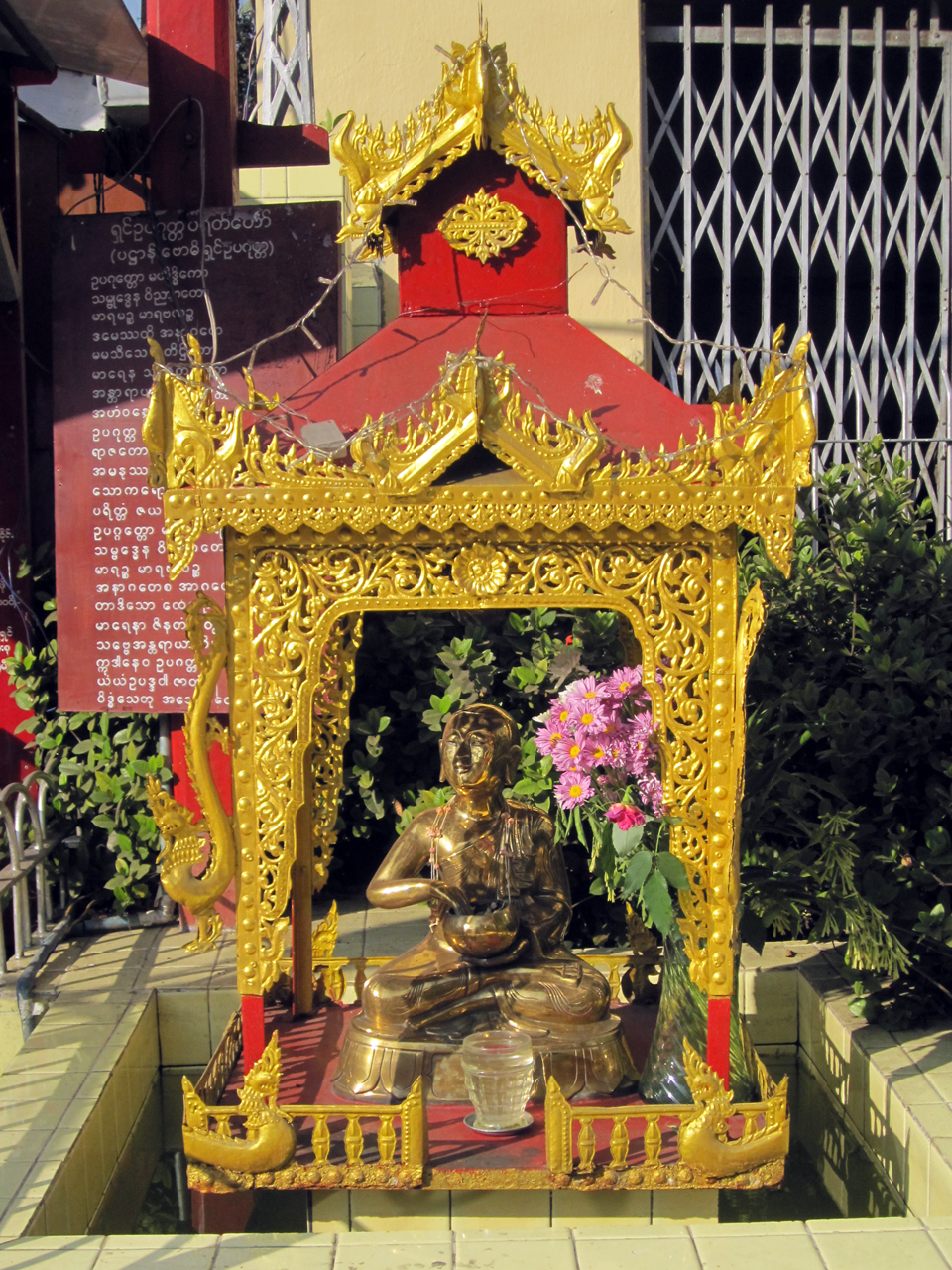 🇲🇲 Myanmar and 3 moreShin Upaguttaရှင်ဥပဂုတ်
A Burmese Buddhist arhat asked to keep storms and floods awayBeing · Protection Living
🇷🇺 RussiaAiyАйыы (Ayıı)
Benevolent spirits of the Upper World in Yakut mythologyBeing · Speaking with spirits and the dead · Power and authority Living
 🇯🇵 JapanUbume産女
The ghost of a mother who died in labour, and the child that turns to stoneBeing · Cursing and harm · Power and authority Legendary
🇯🇵 JapanHitotsume-kozō一つ目小僧
A one-eyed child yōkai that startles people but is said to do no harmBeing · Protection Legendary
 🇩🇪 GermanyFeldgeist
German folk creatures tied to crops, weather and harvest ritualsBeing · Cursing and harm · Luck and prosperity Historical
 🇮🇹 ItalyFascinusfascinum
A Roman phallus image and charm, kept to turn away envyBeing · Protection · Luck and prosperity Historical
 🇮🇪 Ireland and 1 moreAos Sí
Irish supernatural beings linked to ancient gods and burial moundsBeing · Protection Living
 🇩🇪 Germany and 5 moreSchrat
A German and Slavic spirit of the woods, the house and the nightBeing · Cursing and harm · Protection Legendary
 🇫🇷 France and 2 moreTarasqueTarasca
A mythical beast from Provence tamed by Saint Martha and paraded in festivalsBeing · Wonder and entertainment Living
🇨🇲 CameroonJengu
Water spirits of Cameroon's coastal peoples, linked to healing and fateBeing · Protection · Healing Living
 🇻🇳 VietnamBà Chúa Xứ婆主處
A Mekong Delta goddess of prosperity, asked for trade, health and fertilityBeing · Protection · Luck and prosperity Living
🇷🇴 RomaniaSântoaderi
Supernatural beings in Romanian folklore known for causing illness through music and danceBeing · Cursing and harm · Luck and prosperity Legendary
🇨🇱 ChilePillan
Respected male spirits in Mapuche mythology who govern natural forces and the afterlife.Being · Protection · Cursing and harm Living
🇯🇵 JapanReikon霊魂
The Shinto soul: it joins the ancestors after funeral rites, or haunts as a yūreiBeing · Speaking with spirits and the dead · Cursing and harm Living
 🇷🇺 RussiaAlkonostАлконост
A woman-faced bird of Russian folklore whose song makes listeners forget everythingBeing · Seeing and foretelling · Healing Legendary
 🇬🇷 GreeceMeilichiosΜειλίχιος
An ancient Greek chthonic spirit linked to Zeus and appeased through fire offerings.Being · Protection · Cursing and harm Historical
 🇮🇳 IndiaMomaiમોમાઈ માં
A four-armed Kutch goddess on a camel, kept as a family deityBeing · Luck and prosperity Living
 🇮🇸 IcelandGrýla
A monstrous Icelandic troll associated with Christmas and the Yule LadsBeing · Cursing and harm Living
🇮🇷 IranFaravaharفَرَوَهَر
Zoroastrian guardian spirits: ancestor-warriors and each person's unseen twinBeing · Protection · Speaking with spirits and the dead Living
 🇮🇷 Iran and 5 moreKhidrالخضر
A Qur'anic guide and saint believed to hold hidden wisdom and aid those in need.Being · Seeing and foretelling · Power and authority Living
 🇮🇳 IndiaAshapura Mataआशापुरा माता
A Hindu goddess worshipped as the clan protector of Rajput and other communities in western India.Being · Protection · Luck and prosperity Living
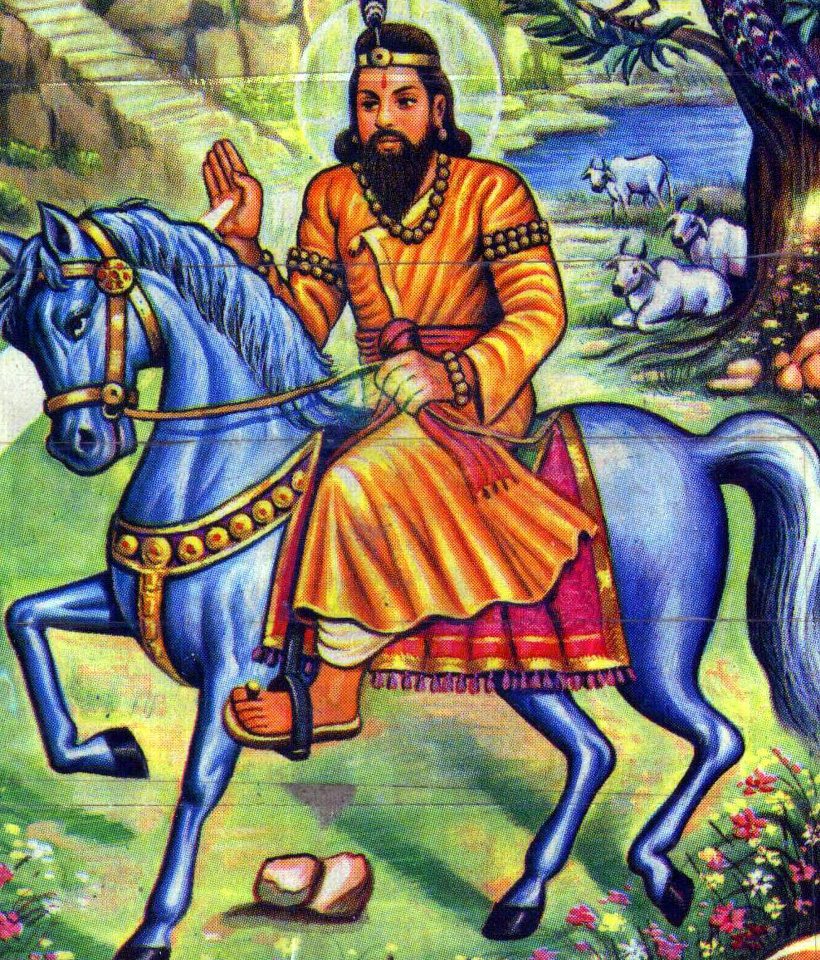 🇮🇳 IndiaBaba Mohan Ramबाबा मोहन राम
A folk form of Krishna worshipped at a cave shrine with a flame that never diesBeing · Healing · Luck and prosperity Living
 🇪🇹 Ethiopia and 1 moreGabrielגבריאל
An archangel who carries divine messages and explains visions in Abrahamic traditionsBeing · Protection Living
🇳🇵 Nepal and 1 moreMurkattaमुर्कट्टा
A headless spirit from Nepali folklore with eyes and a mouth on its chestBeing · Cursing and harm Living
🇺🇸 United StatesPueblo clowns
Ritual jesters in Pueblo religion who use humor and disguise to enforce social norms.Being · Cursing and harm · Cleansing and purification Living
Photo credits on this page
The small pictures above come from Wikimedia Commons under free licences. Some are cropped to fit.
- Anjana: John William Waterhouse, Public domain, source
- Samaton: Isabelm-h, CC BY-SA 4.0, source
- Ashapura Mata: Rossifummi, CC BY-SA 4.0, source
- Tuatha Dé Danann: John Duncan, Public domain, source
- Ubume: Brigham Young University, CC BY-SA 4.0, source
- Xiuhcoatl: Paul Hudson, CC BY 2.0, source
- Schrat: Photo: Andreas Praefcke, Public domain, source
- Saint Michael: Francesco Botticini, Public domain, source
- Alkonost: Viktor Vasnetsov, Public domain, source
- Enchanted Moura: Henrique José Teixeira Matos, Public domain, source
- Snow Lion: John Hill, CC BY-SA 4.0, source
- Bà Chúa Xứ: Phương Huy, CC BY-SA 4.0, source
- Tarasque: Olivier, CC BY-SA 4.0, source
- Barong: Skha, CC BY-SA 4.0, source
- Sânziană: Saturnian, CC BY-SA 3.0, source
- Fascinus: Vassil, Public domain, source
- Momai: Oatsjvs, CC BY-SA 4.0, source
- Feldgeist: Zwoelefant, CC BY-SA 3.0, source
- Kadangot Makkam: Shagil Kannur, CC BY-SA 4.0, source
- Poomala Bhagavathy: Ajeeshkumar4u, CC BY-SA 4.0, source
- Śuri: Marie-Lan Nguyen, Public domain, source
- Vegetable Man: Dareed, CC BY 4.0, source
- Jakh Botera: Nizil Shah and Bhavya Shah, CC BY-SA 4.0, source
- Supernatural beings in Slavic religion: Bartolomeo Giuliano, CC BY-SA 3.0, source
- Karuppannaswamy: GShas, CC0, source
- Shin Upagutta: Hintha, CC BY-SA 3.0, source
- Grýla: Andrii Gladii, CC BY-SA 4.0, source
- Khidr: Unknown author, Public domain, source
- Baba Mohan Ram: Yajush Rao, CC BY-SA 4.0, source
- Gabriel: uploader Koperczak ( talk ) 06:28, 24 March 2009 (UTC), Public domain, source
- Meilichios: Mark Landon, CC BY 4.0, source