Spirits, creatures and beings
Djinn, fairies, orisha, golems and the other powers that magic deals with.
Beings are the powers that magic deals with: spirits, ancestors, gods, djinn, fairies, orisha, nats, kami, demons, golems, ghosts and the many kinds of household and landscape spirit. People in most cultures have described a world shared with unseen others, who may help, trouble or ask for respect. This page covers what these beings are said to be and the very different ways communities relate to them. They are always described here as what communities believe, not as established fact.
Different kinds of beings
A being can be a god with a priesthood, such as an orisha served in Yoruba religion, Cuba and Brazil. It can be an ancestor, honoured in China, Africa and Mexico. It can belong to a place, such as the kami of Shinto, the Thai phi or the Burmese nats. It can be a trouble-maker, like the djinn of Arabic and Islamic tradition, formed from smokeless fire, or the fairies of Ireland, whom people avoided naming.
Relationship, not command
In many traditions, a person does not command a being but enters a relationship with it, through offerings, promises and respect. Possession and mediumship are forms of that relationship, as in Vodou, Candomblé, Korean mudang rites and Sufi gatherings. In ceremonial magic of the European grimoires, by contrast, the magician summons spirits by name and authority, which the Church condemned as demon-raising. The same being may be loved in one household and feared in the next, and a spirit helpful to its servant can be harmful to a stranger.
Religions and renaming
Dominant religions often absorbed beings by relabelling them. Christian missionaries called many African and Indigenous spirits demons. Islam reads the djinn as real creatures, some of whom are Muslim, and Hindu and Buddhist traditions fold local deities into their own pantheons. Pagan and fairy beliefs were sometimes recast as the devil's work, which fed witch trials in Europe. Churches and mosques have sometimes divided beings into good and evil in ways the older traditions did not, so that a neutral local spirit became a demon on the day a missionary arrived.
Harm and interpretation
Belief in harmful spirits has been used to accuse people. Children in parts of West and Central Africa have been branded as witches possessed by evil spirits, and some have been abused by pastors or families in the name of deliverance. Scholars read spirit beliefs as ways to make sense of illness, loss and conflict, and many communities see them simply as neighbours. That is why accusations tied to spirit beliefs fall hardest on children and the vulnerable, and why many agencies train local leaders to challenge them.
Being on EveryJaadu
The entries written up so far, best known first.
 🇳🇬 Nigeria and 1 moreObatalaỌbatalá
The Yoruba king of white cloth who is believed to have created humanity and presides over purity.Being · Protection · Healing Living
 🇬🇹 GuatemalaMaximónRi Laj Mam
A Maya folk saint and trickster deity venerated in the Guatemalan HighlandsBeing · Protection · Healing Living
 🇳🇬 Nigeria and 3 moreOshunỌ̀ṣun
A Yoruba water spirit linked to love, wealth, and the Osun River in Nigeria.Being · Love and attraction · Luck and prosperity Living
 🇳🇬 Nigeria and 3 moreYemọjaYemoja
A mother spirit of rivers and oceans worshipped across Yoruba and diaspora traditionsBeing · Protection · Healing Living
 🇪🇬 Egypt and 2 moreIsisꜣst (Egyptian)
Egyptian goddess of magic, mourning and kingship, mother of HorusBeing · Protection · Healing Historical
 🇮🇳 India and 2 moreSuryaसूर्य
The sun as a Hindu deity and the source of light and knowledgeBeing · Power and authority · Healing Historical
 🇵🇪 Peru and 1 moreApu
Sacred mountain spirits in Andean tradition that protect communities and control natural resourcesBeing · Protection · Healing Living
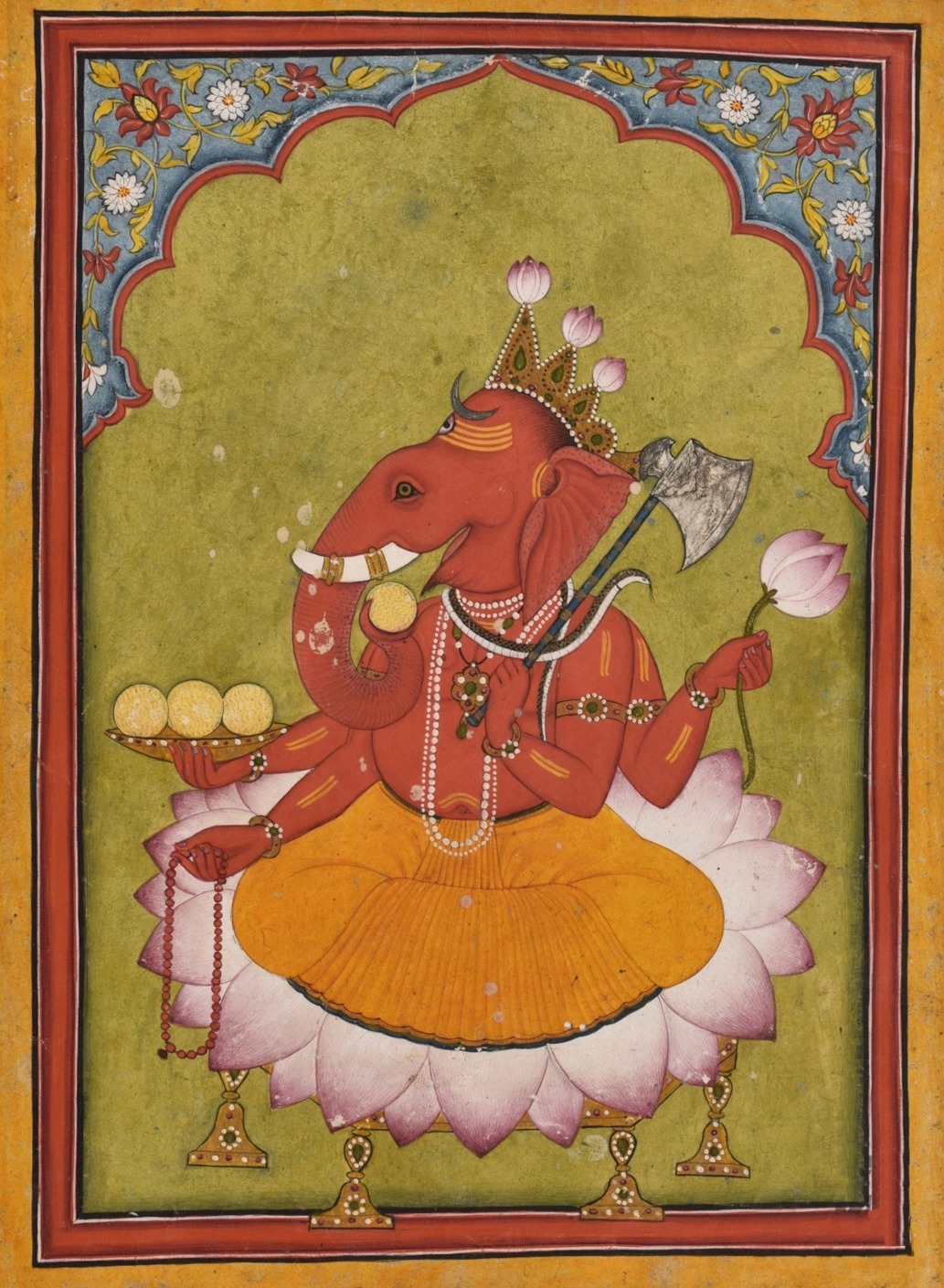 🇮🇳 India and 5 moreGaneshaगणेश (Gaṇeśa)
An elephant-headed Hindu deity worshipped as the remover of obstacles and patron of wisdom.Being · Protection · Luck and prosperity Living
 🇭🇹 Haiti and 2 moreLwa
Spirits in Haitian Vodou that mediate between people and the creator god.Being · Protection · Healing Living
 🇵🇪 Peru and 5 morePachamama
The Andean mother goddess of space-time and the earthBeing · Protection · Healing Living
 🇳🇬 Nigeria and 4 moreOrishaÒrìṣà
Divine spirits of the Yoruba religion and their diasporic descendants in the Americas.Being · Protection · Healing Living
 🇹🇼 Taiwan and 1 moreOng Yah王爺 (Ông-iâ)
Royal Lord deities of Fujian and Taiwan who tour the land, driving out diseaseBeing · Protection · Healing Living
 🇷🇴 Romania and 1 moreSânziană
Romanian fairies and a summer solstice festival of flowers and magicBeing · Protection · Love and attraction Living
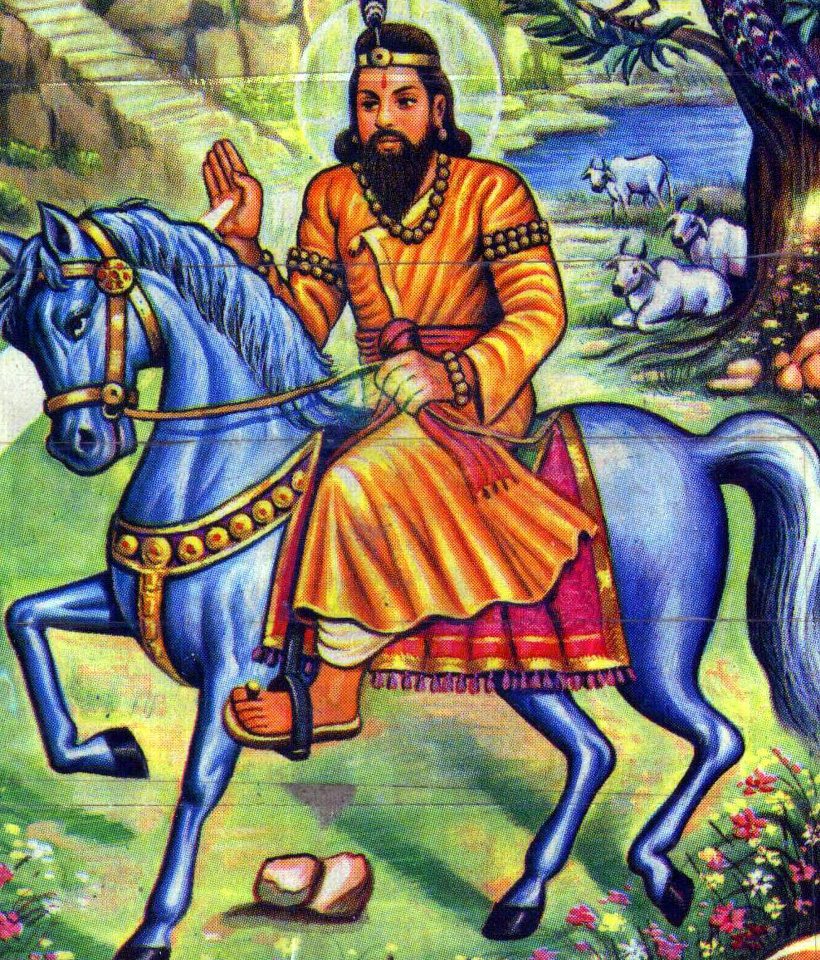 🇮🇳 IndiaBaba Mohan Ramबाबा मोहन राम
A folk form of Krishna worshipped at a cave shrine with a flame that never diesBeing · Healing · Luck and prosperity Living
 🇷🇺 RussiaAlkonostАлконост
A woman-faced bird of Russian folklore whose song makes listeners forget everythingBeing · Seeing and foretelling · Healing Legendary
 🇻🇳 VietnamBà Chúa Xứ婆主處
A Mekong Delta goddess of prosperity, asked for trade, health and fertilityBeing · Protection · Luck and prosperity Living
🇨🇲 CameroonJengu
Water spirits of Cameroon's coastal peoples, linked to healing and fateBeing · Protection · Healing Living
🇮🇳 IndiaPolerammaపోలేరమ్మ
A village goddess of smallpox and plague in Andhra PradeshBeing · Protection · Healing Living
 🇮🇹 ItalyŚuri𐌑𐌖𐌛 (Etruscan)
An ancient Etruscan deity of volcanic fire, the underworld, and healingBeing · Protection · Healing Historical
 🇮🇳 IndiaJakh Botera
Seventy-two horsemen deities honoured in Kutch, IndiaBeing · Protection · Healing Living
 🇮🇳 India and 5 moreKaruppannaswamyகருப்பண்ணசாமி, കറുപ്പണ്ണസാമി
A fierce guardian deity worshipped as a village protector and ancestral enforcer of justice.Being · Protection · Healing Living
Photo credits on this page
The small pictures above come from Wikimedia Commons under free licences. Some are cropped to fit.
- Ganesha: anonymous, Public domain, source
- Lwa: Hector Hyppolite, Public domain, source
- Maximón: Sapfan (Jan Pesula), Public domain, source
- Alkonost: Viktor Vasnetsov, Public domain, source
- Obatala: Isha, CC BY 3.0, source
- Bà Chúa Xứ: Phương Huy, CC BY-SA 4.0, source
- Yemọja: Samuel Tobbytex007, CC BY-SA 4.0, source
- Isis: Ägyptischer Maler um 1360 v. Chr., Public domain, source
- Sânziană: Saturnian, CC BY-SA 3.0, source
- Orisha: Turismo Bahia, CC BY-SA 2.0, source
- Pachamama: Penarc, CC BY-SA 3.0, source
- Ong Yah: Suzuki1314 at Chinese Wikipedia, Public domain, source
- Śuri: Marie-Lan Nguyen, Public domain, source
- Oshun: Wikipedia Loves Art participant " Department_of_Trife ", CC BY-SA 2.5, source
- Jakh Botera: Nizil Shah and Bhavya Shah, CC BY-SA 4.0, source
- Karuppannaswamy: GShas, CC0, source
- Surya: Ravi Varma Press, Public domain, source
- Apu: Cecilia Sacsa, CC BY-SA 4.0, source
- Baba Mohan Ram: Yajush Rao, CC BY-SA 4.0, source