Scholars and sceptics
Anthropologists, historians and investigators who study magic and test its claims.
Scholars and sceptics are the people who study magic from outside the practice: anthropologists, historians, folklorists, psychologists, scholars of religion and investigators who test claims. They have names such as E. E. Evans-Pritchard, Marcel Mauss, Bronislaw Malinowski, Mary Douglas, Keith Thomas and Carlo Ginzburg, and also investigators such as James Randi. This page covers what they have found, how they disagree, and what their work has cost and changed. Their work has changed how the whole subject is understood.
Early theories
Nineteenth-century writers such as James Frazer treated magic as a mistaken early science, a view now widely rejected as arrogant and inaccurate. Later anthropologists, including Evans-Pritchard in his 1937 study of the Azande, showed that magical belief can be a consistent way of reasoning about misfortune. Mauss and Malinowski stressed its social role. Fieldwork, archives, laboratory studies and surveys are their main methods, and each field has its own debates and schools.
The history of witch trials
Historians have revised their view of the witch trials. Keith Thomas and Alan Macfarlane studied English village accusations, Carlo Ginzburg found the benandanti in Friuli, and Ronald Hutton has argued about the numbers and causes, and Silvia Federici links the persecution to the rise of capitalism, a thesis historians dispute. The older figure of nine million victims has been dropped, and estimates now run to tens of thousands of executions.
Testing claims
Sceptics test whether claims hold up. James Randi offered a prize for evidence of paranormal power that was never won, and organisations such as the Committee for Skeptical Inquiry investigate fraud. Researchers study why people believe: pattern-seeking, uncertainty and the wish to control events. The best sceptics aim to understand people, not to mock them. Sceptics hold that claims should be tested, and they have a long record of exposing cases such as spirit photography and fake healers.
Ethics of study
Scholars were often colonial officials or missionaries, and their reports shaped how Indigenous religions were named. Contemporary researchers work with communities, ask consent and respect closed knowledge. Practitioners sometimes object to being explained, and sceptics sometimes to being called closed-minded. The conversation continues, and this guide aims to stay neutral on whether magic works. Their critics reply that science cannot measure everything that matters to a community, and that explaining a ritual away is not the same as understanding it.
Scholars and sceptics on EveryJaadu
The entries written up so far, best known first.
 🇱🇹 Lithuania and 2 moreLaumaLaumė
A Baltic fairy-like spirit of the sky, weather, and newborn children.Being · Protection · Healing Historical
🇱🇹 Lithuania and 2 moreLaumaLaumė
A Baltic fairy-like spirit of the sky, weather, and newborn children.Being · Protection · Healing Historical
 🇮🇪 Ireland and 4 moreFairy Queen
A female ruler of fairies found in folklore, literature, and witchcraft trials across Europe.Figure · Power and authority Historical
🇮🇪 Ireland and 4 moreFairy Queen
A female ruler of fairies found in folklore, literature, and witchcraft trials across Europe.Figure · Power and authority Historical
 🇬🇷 GreeceGelloΓελλώ
A Greek demon of infancy and a class of beings blamed for infant death.Being · Cursing and harm · Protection Historical
🇬🇷 GreeceGelloΓελλώ
A Greek demon of infancy and a class of beings blamed for infant death.Being · Cursing and harm · Protection Historical
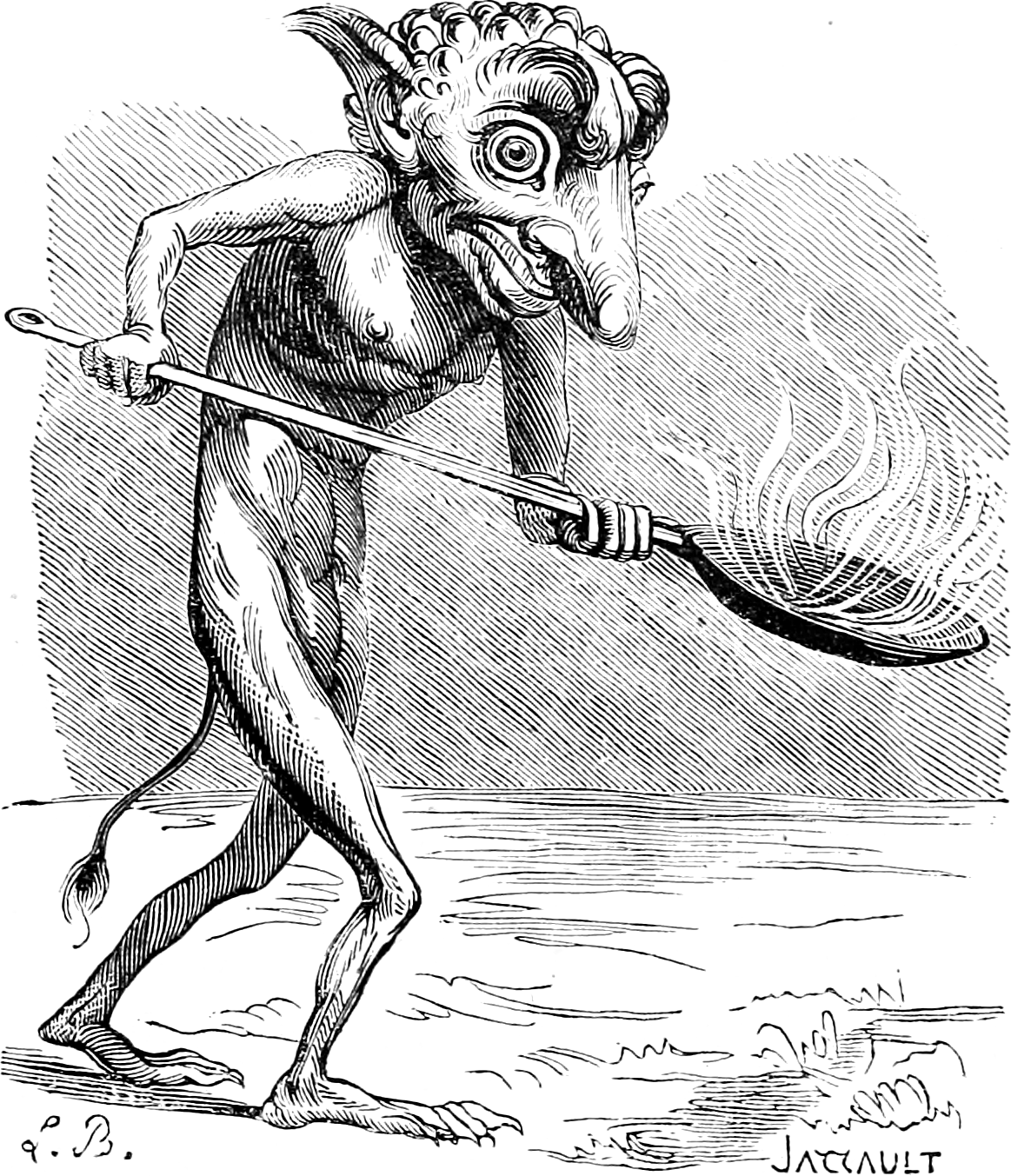 🇫🇷 FranceDictionnaire Infernal
A French demonology book cataloguing spirits and their hierarchies with engravings.Text · Power and authority Historical
🇬🇧 United Kingdom and 1 moreThirteen Treasures of the Island of BritainTri Thlws ar Ddeg Ynys Prydain
A collection of magical objects from late-medieval Welsh legendText · Wonder and entertainment Historical
🇫🇷 FranceDictionnaire Infernal
A French demonology book cataloguing spirits and their hierarchies with engravings.Text · Power and authority Historical
🇬🇧 United Kingdom and 1 moreThirteen Treasures of the Island of BritainTri Thlws ar Ddeg Ynys Prydain
A collection of magical objects from late-medieval Welsh legendText · Wonder and entertainment Historical
 🇷🇺 RussiaTriple-headed eagle
A heraldic and mythological bird with three heads, appearing in Russian symbolism and European manuscripts.Being · Power and authority Historical
🇷🇺 RussiaTriple-headed eagle
A heraldic and mythological bird with three heads, appearing in Russian symbolism and European manuscripts.Being · Power and authority Historical
 🇪🇸 SpainAnjanaanˈhana / an.xa.nɜ
Cantabrian fairies who protect forests and bring gifts to children.Being · Protection · Luck and prosperity Historical
🇮🇹 Italy and 1 moreCola Pesce
An Italian merman legend about a boy cursed by his mother to live in the seaFigure · Cursing and harm · Seeing and foretelling Historical
🇷🇺 RussiaHabernitsa
A noon demon of Slavic fields who punishes workers and causes pain.Being · Cursing and harm Historical
🇪🇸 SpainAnjanaanˈhana / an.xa.nɜ
Cantabrian fairies who protect forests and bring gifts to children.Being · Protection · Luck and prosperity Historical
🇮🇹 Italy and 1 moreCola Pesce
An Italian merman legend about a boy cursed by his mother to live in the seaFigure · Cursing and harm · Seeing and foretelling Historical
🇷🇺 RussiaHabernitsa
A noon demon of Slavic fields who punishes workers and causes pain.Being · Cursing and harm Historical
 🇩🇪 Germany and 3 moreWiedergänger
A German term for a revenant or ghost that returns to the world of the living.Being · Cursing and harm Historical
🇩🇪 Germany and 3 moreWiedergänger
A German term for a revenant or ghost that returns to the world of the living.Being · Cursing and harm Historical
 🇬🇧 United Kingdom and 2 moreBevis of HamptonПовесть о Бове-королевиче
A medieval chivalric romance about a hero's exile and return across Europe and the Near EastText · Wonder and entertainment Historical
🇬🇧 United Kingdom and 2 moreBevis of HamptonПовесть о Бове-королевиче
A medieval chivalric romance about a hero's exile and return across Europe and the Near EastText · Wonder and entertainment Historical
 🇩🇪 Germany and 4 moreNight ravennattravn
A nocturnal creature of European folklore, feared as a child-stealer or seen as a ghost in bird form.Being · Cursing and harm Historical
🇩🇪 Germany and 4 moreNight ravennattravn
A nocturnal creature of European folklore, feared as a child-stealer or seen as a ghost in bird form.Being · Cursing and harm Historical
 🇮🇹 ItalyScrofa semilanuta
A legendary sow seen in a dream that became the ancient emblem of Milan.Figure · Wonder and entertainment · Seeing and foretelling Historical
🇮🇹 ItalyScrofa semilanuta
A legendary sow seen in a dream that became the ancient emblem of Milan.Figure · Wonder and entertainment · Seeing and foretelling Historical
 🇫🇷 FranceYan-gant-y-tan
A Breton demon who carries five candles and is said to bring bad luck.Being · Cursing and harm · Wonder and entertainment Historical
🇫🇷 FranceYan-gant-y-tan
A Breton demon who carries five candles and is said to bring bad luck.Being · Cursing and harm · Wonder and entertainment Historical
 🇫🇷 France and 1 moreDusios
A Gaulish spirit type later classified as an incubus demon by early Christian writersBeing · Cursing and harm · Power and authority Historical
🇳🇴 NorwayDeildegast
A Norwegian ghost bound to boundary stones it moved in lifeBeing · Cursing and harm Historical
🇬🇧 United KingdomPearlin Jean
A Scottish ghost said to haunt the ruins of Allanbank estate in BerwickshireBeing · Wonder and entertainment Historical
🇫🇷 France and 1 moreDusios
A Gaulish spirit type later classified as an incubus demon by early Christian writersBeing · Cursing and harm · Power and authority Historical
🇳🇴 NorwayDeildegast
A Norwegian ghost bound to boundary stones it moved in lifeBeing · Cursing and harm Historical
🇬🇧 United KingdomPearlin Jean
A Scottish ghost said to haunt the ruins of Allanbank estate in BerwickshireBeing · Wonder and entertainment Historical
 🇭🇺 Hungary and 1 moreSárkány
A winged reptilian beast from Hungarian folklore, linked to weather and literary heroes.Being · Cursing and harm · Wonder and entertainment Historical
🇩🇪 GermanyBuch der heiligen Dreifaltigkeit
A 15th-century German alchemical treatise that aligns chemical work with Christian theology.Text · Change and initiation Historical
🇭🇺 Hungary and 1 moreSárkány
A winged reptilian beast from Hungarian folklore, linked to weather and literary heroes.Being · Cursing and harm · Wonder and entertainment Historical
🇩🇪 GermanyBuch der heiligen Dreifaltigkeit
A 15th-century German alchemical treatise that aligns chemical work with Christian theology.Text · Change and initiation Historical
 🇪🇬 Egypt and 1 moreOuroborosοὐροβόρος
An ancient image of a serpent eating its own tail, symbolizing cycles and wholenessFigure · Power and authority · Wonder and entertainment Historical
🇪🇬 Egypt and 1 moreOuroborosοὐροβόρος
An ancient image of a serpent eating its own tail, symbolizing cycles and wholenessFigure · Power and authority · Wonder and entertainment Historical
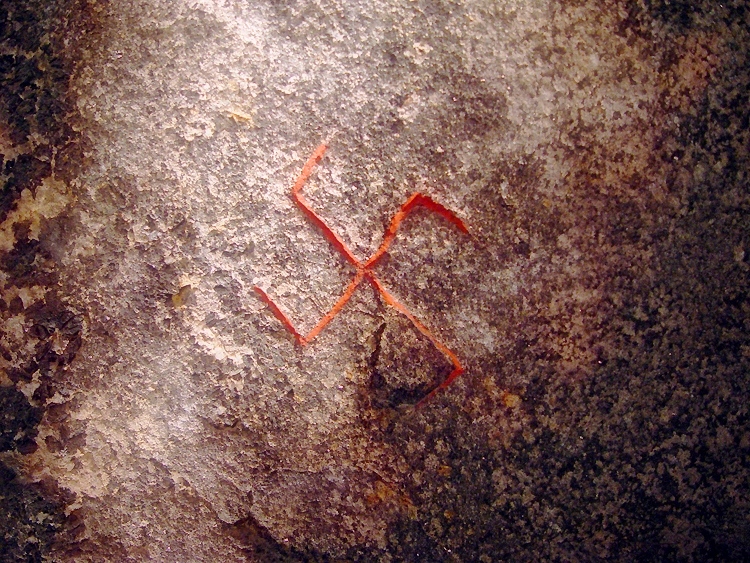 🇸🇪 Sweden and 4 moreSwastika (Germanic Iron Age)
A four-armed symbol found on Germanic artefacts from the Migration to Viking periods.Belief · Power and authority Historical
🇸🇪 Sweden and 4 moreSwastika (Germanic Iron Age)
A four-armed symbol found on Germanic artefacts from the Migration to Viking periods.Belief · Power and authority Historical
 🇩🇪 GermanyLichtenberg's Avertissement
A satirical poster exposing stage magic as deceptionText · Wonder and entertainment Historical
🇩🇪 GermanyThule SocietyThule-Gesellschaft
A German occult group that sponsored the early Nazi party and promoted racial mysticism.Tradition · Cursing and harm · Power and authority Historical
🇮🇸 Iceland and 1 moreBerkanan
A runic letter representing the birch tree across Germanic writing systems.Text Historical
🇩🇪 GermanyLichtenberg's Avertissement
A satirical poster exposing stage magic as deceptionText · Wonder and entertainment Historical
🇩🇪 GermanyThule SocietyThule-Gesellschaft
A German occult group that sponsored the early Nazi party and promoted racial mysticism.Tradition · Cursing and harm · Power and authority Historical
🇮🇸 Iceland and 1 moreBerkanan
A runic letter representing the birch tree across Germanic writing systems.Text Historical
 🇬🇷 Greece and 1 moreHephaestusἭφαιστος
The Greek smith god who forged divine weapons and crafted automata for the gods.Being · Power and authority Historical
🇷🇺 RussiaVolkhovnikВолховник
A lost Old Russian divination book of omens and signsText · Seeing and foretelling · Healing Historical
🇵🇱 Poland and 1 moreTwardowski's Mirror
A cracked Renaissance mirror linked to the legend of a magical alchemistCharm · Power and authority Historical
🇬🇷 Greece and 1 moreHephaestusἭφαιστος
The Greek smith god who forged divine weapons and crafted automata for the gods.Being · Power and authority Historical
🇷🇺 RussiaVolkhovnikВолховник
A lost Old Russian divination book of omens and signsText · Seeing and foretelling · Healing Historical
🇵🇱 Poland and 1 moreTwardowski's Mirror
A cracked Renaissance mirror linked to the legend of a magical alchemistCharm · Power and authority Historical
 🇱🇹 Lithuania and 2 moreEglė the Queen of SerpentsEglė žalčių karalienė
A Lithuanian folk tale about a woman who marries a serpent king and turns her family into trees.Figure · Wonder and entertainment Historical
🇬🇧 United KingdomLazy Laurence
A mischievous English pixie who makes orchard workers lazy and gives them indigestionBeing · Protection · Cursing and harm Historical
🇱🇹 Lithuania and 2 moreEglė the Queen of SerpentsEglė žalčių karalienė
A Lithuanian folk tale about a woman who marries a serpent king and turns her family into trees.Figure · Wonder and entertainment Historical
🇬🇧 United KingdomLazy Laurence
A mischievous English pixie who makes orchard workers lazy and gives them indigestionBeing · Protection · Cursing and harm Historical
 🇷🇺 Russia and 5 moreFiredrakeognennyi zmei
A European dragon myth born from sightings of shooting stars and will-o'-the-wispsBeing · Cursing and harm · Luck and prosperity Historical
🇱🇹 Lithuania and 3 moreThe Swan Queen
A Lithuanian fairy tale about a bird maiden who becomes human and returns to the skyFigure · Wonder and entertainment Historical
🇷🇺 Russia and 5 moreFiredrakeognennyi zmei
A European dragon myth born from sightings of shooting stars and will-o'-the-wispsBeing · Cursing and harm · Luck and prosperity Historical
🇱🇹 Lithuania and 3 moreThe Swan Queen
A Lithuanian fairy tale about a bird maiden who becomes human and returns to the skyFigure · Wonder and entertainment Historical
 🇷🇺 Russia and 5 moreVelesВелес
A Slavic chthonic deity of cattle, the underworld, and oathsBeing · Protection · Luck and prosperity Historical
🇷🇺 Russia and 5 moreVelesВелес
A Slavic chthonic deity of cattle, the underworld, and oathsBeing · Protection · Luck and prosperity Historical
 🇬🇧 United KingdomTam Lin
A Scottish ballad about a fairy knight rescued by his mortal lover on Hallowe'enFigure · Love and attraction · Cursing and harm Historical
🇬🇧 United KingdomThe Cheltenham Ghost
A late nineteenth century English haunting investigated by the Society for Psychical ResearchBelief Historical
🇬🇧 United KingdomTam Lin
A Scottish ballad about a fairy knight rescued by his mortal lover on Hallowe'enFigure · Love and attraction · Cursing and harm Historical
🇬🇧 United KingdomThe Cheltenham Ghost
A late nineteenth century English haunting investigated by the Society for Psychical ResearchBelief Historical
 🇸🇪 SwedenStentoften Runestone
A seventh-century Swedish stone inscribed with a curse and harvest blessings in Proto-NorseText · Cursing and harm · Luck and prosperity Historical
🇸🇪 SwedenStentoften Runestone
A seventh-century Swedish stone inscribed with a curse and harvest blessings in Proto-NorseText · Cursing and harm · Luck and prosperity Historical
 🇸🇪 Sweden and 4 moreSun cross
A cross inside a circle found in prehistoric art and modern political symbolsBelief · Power and authority Historical
🇸🇪 Sweden and 4 moreSun cross
A cross inside a circle found in prehistoric art and modern political symbolsBelief · Power and authority Historical
 🇩🇪 Germany and 5 moreYellow badgeJudenstern
A marked garment worn by Jews under laws of distinction and humiliation across centuries.Charm · Cursing and harm Historical
🇩🇪 Germany and 5 moreYellow badgeJudenstern
A marked garment worn by Jews under laws of distinction and humiliation across centuries.Charm · Cursing and harm Historical
 🇮🇷 Iran and 5 moreAxis mundi
A concept describing a central point connecting the earthly and heavenly realms.Belief · Speaking with spirits and the dead · Power and authority Historical
🇮🇷 Iran and 5 moreAxis mundi
A concept describing a central point connecting the earthly and heavenly realms.Belief · Speaking with spirits and the dead · Power and authority Historical
 🇮🇸 Iceland and 1 moreUr (rune)
A runic character representing the aurochs or cold rain in Germanic alphabetsText · Wonder and entertainment Historical
🇮🇸 Iceland and 1 moreUr (rune)
A runic character representing the aurochs or cold rain in Germanic alphabetsText · Wonder and entertainment Historical
 🇮🇸 Iceland and 3 moreRune poem
Proverbial verses used to memorize the names and order of runic lettersText · Power and authority Historical
🇮🇸 Iceland and 3 moreRune poem
Proverbial verses used to memorize the names and order of runic lettersText · Power and authority Historical
 🇬🇷 Greece and 2 moreClassical elements
Ancient theories that explain all matter as combinations of earth, water, fire, air, and aetherBelief · Wonder and entertainment Historical
🇫🇷 FranceMagonia
A cloud realm of aerial sailors blamed for hail and stolen grain in medieval EuropeBelief · Cursing and harm · Luck and prosperity Historical
🇮🇹 ItalyDe Umbris Idearum
A 1582 treatise by Giordano Bruno on memory, magic and philosophyText · Power and authority · Wonder and entertainment Historical
🇬🇷 Greece and 2 moreClassical elements
Ancient theories that explain all matter as combinations of earth, water, fire, air, and aetherBelief · Wonder and entertainment Historical
🇫🇷 FranceMagonia
A cloud realm of aerial sailors blamed for hail and stolen grain in medieval EuropeBelief · Cursing and harm · Luck and prosperity Historical
🇮🇹 ItalyDe Umbris Idearum
A 1582 treatise by Giordano Bruno on memory, magic and philosophyText · Power and authority · Wonder and entertainment Historical
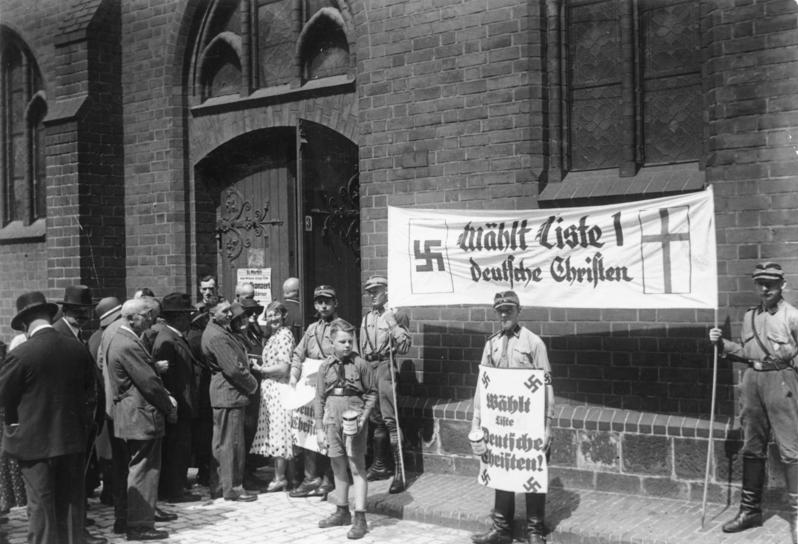 🇩🇪 Germany and 1 moreReligious aspects of Nazism
The study of how Nazi ideology borrowed religious forms and esoteric beliefs to build a political movement.Tradition · Power and authority · Cursing and harm Historical
🇮🇹 ItalyMazapégul
A mischievous elf of Romagna with a red cap that steals sleep and braids horse manesBeing · Cursing and harm · Luck and prosperity Historical
🇩🇪 Germany and 1 moreReligious aspects of Nazism
The study of how Nazi ideology borrowed religious forms and esoteric beliefs to build a political movement.Tradition · Power and authority · Cursing and harm Historical
🇮🇹 ItalyMazapégul
A mischievous elf of Romagna with a red cap that steals sleep and braids horse manesBeing · Cursing and harm · Luck and prosperity Historical
 🇮🇳 India and 1 moreAstral body
A subtle vehicle of emotion and dream said to travel beyond the physical formBelief · Speaking with spirits and the dead · Change and initiation Historical
🇮🇳 India and 1 moreAstral body
A subtle vehicle of emotion and dream said to travel beyond the physical formBelief · Speaking with spirits and the dead · Change and initiation Historical
 🇫🇷 France and 1 moreDogme et Rituel de la Haute Magie
A foundational treatise on ritual magic by Éliphas Lévi, structured around the tarot.Text · Power and authority · Wonder and entertainment Historical
🇫🇷 France and 1 moreDogme et Rituel de la Haute Magie
A foundational treatise on ritual magic by Éliphas Lévi, structured around the tarot.Text · Power and authority · Wonder and entertainment Historical
 🇵🇱 PolandFrankenstein town gravediggers scandal
A 1606 witchcraft trial in Silesia that may have inspired Mary Shelley's novelBelief · Cursing and harm Historical
🇵🇱 PolandFrankenstein town gravediggers scandal
A 1606 witchcraft trial in Silesia that may have inspired Mary Shelley's novelBelief · Cursing and harm Historical
Photo credits on this page
The small pictures above come from Wikimedia Commons under free licences. Some are cropped to fit.
- Xana: John William Waterhouse, Public domain, source
- Fairy: Henry Fuseli, Public domain, source
- Gello: Filippino Lippi, Public domain, source
- Dictionnaire Infernal: Louis Le Breton, Public domain, source
- Bevis of Hampton: Anonymous Unknown author, Public domain, source
- Wiedergänger: Unknown author, Public domain, source
- Scrofa semilanuta: M.casanova, CC BY-SA 4.0, source
- Yan-gant-y-tan: Louis Le Breton, Public domain, source
- Night raven: Kim Diaz Holm (den unge herr Holm), CC BY 4.0, source
- Dusios: Eric Hunt, CC BY-SA 2.5, source
- Classical elements: Unknown author, Public domain, source
- Sárkány: Albrecht Dürer, Public domain, source
- Astral body: Rad el Baluvar, CC BY-SA 3.0, source
- Dogme et Rituel de la Haute Magie: Eliphas Levi, Public domain, source
- Frankenstein town gravediggers scandal: Jacek Halicki, CC BY-SA 3.0 pl, source
- Lichtenberg's Avertissement: Georg Christoph Lichtenberg, Public domain, source
- Hephaestus: Foundry Painter (name vase), Public domain, source
- Eglė the Queen of Serpents: Huw, CC BY 2.0, source
- Firedrake: Ramesh Kumar R, CC BY-SA 4.0, source
- Stentoften Runestone: Sendelbach ( talk ), CC BY-SA 3.0, source
- Lauma: Raki_Man, CC BY 3.0, source
- Ur (rune): RexCrudelissimus, CC BY-SA 4.0, source
- Axis mundi: Unknown author, Public domain, source
- Ouroboros: Djehouty, CC BY-SA 4.0, source
- Swastika (Germanic Iron Age): No machine-readable author provided. Bloodofox~commonswiki assumed (ba, Public domain, source
- Veles: Andrey Shishkin, CC BY 3.0, source
- Sun cross: National Museum of Denmark, CC BY-SA 3.0, source
- Rune poem: Tollef Salemann, CC0, source
- Religious aspects of Nazism: Unknown author, CC BY-SA 3.0 de, source
- Tam Lin: Richard Webb, CC BY-SA 2.0, source
- Triple-headed eagle: Неизвестный автор. (фото обложки сборника: Александр Храмов), Public domain, source
- Yellow badge: Edited version of original photo by Rama, CC BY-SA 3.0, source