Weddings and betrothal: practices that mark them
Blessings, protection against envy and the rites that bind two families.
Weddings are heavy with protection and blessing. Families the world over fear envy and the evil eye at the point where two households join, and many wedding customs are meant to guard the couple, bring fertility and bind the match. Examples include the Indian haldi and mangalsutra, the Jewish glass-breaking and canopy, the Moroccan henna night, the Chinese red dress and the European horseshoe and confetti. This page looks at what these customs are said to do.
Guarding the couple
Weddings gather people, food and attention, which makes them a target of envy in many belief systems. Brides in the Middle East and North Africa are surrounded by henna, amulets and kohl. In India the bride is marked with haldi and kajal, and a black dot may be placed against the evil eye. In Turkey, the couple may wear a blue bead, and Jewish tradition includes the covering of the bride's face. A new bride in some regions is protected by older women of the family, who stay close and watch for envious looks.
Binding and blessing
Vows, knots and rings carry the idea of binding. In Hindu weddings, the couple walks around the sacred fire and ties knots in their garments. In Scotland, handfasting once meant joining hands with a cord. Blessings call on ancestors and gods: Yoruba couples are blessed with kola nuts, and Christian weddings ask for God's blessing. Songs, dances and teasing rites also play a part, and many are as much a social event as a spiritual one, with neighbours, cooks and musicians all taking a role.
Fertility and omens
Many customs aim at fertility and prosperity: rice, nuts or grain thrown over the couple, bowls of sweet food, a child set on the bride's lap in several regions. Omens matter, with auspicious dates chosen by astrologers in India, and rain on a wedding day taken as lucky in some places and unlucky in others. Many of these customs are said to be older than the religions that now host them, and each faith has made its own rules about which are acceptable.
Pressure and change
Wedding customs can carry harm: dowry demands, child marriage and virginity tests have been justified by tradition and are illegal or condemned in many countries. In the diaspora, couples blend customs and may drop some. A commercial wedding industry now sells charms and rituals, some of them taken from cultures outside the couple's own. Some of the same customs have been questioned by reformers for the pressure they place on the bride and her family, and many couples now choose which to keep.
Weddings and betrothal on EveryJaadu
The entries written up so far, best known first.
 🇨🇳 China and 3 moreMarriage coin charm夫婦和合花錢
Coin-shaped amulets from East Asia that celebrate marriage, fertility, and conjugal harmonyCharm · Protection · Luck and prosperity Historical
🇮🇱 IsraelSegulaסגולה
A Jewish charm or ritual believed to bring protection, healing, or blessings.Charm · Protection · Healing Living
 🇱🇹 Lithuania and 2 moreLaumaLaumė
A Baltic fairy-like spirit of the sky, weather, and newborn children.Being · Protection · Healing Historical
 🇿🇦 South Africa and 1 moreSacred caves of the Basotho
Cave networks in South Africa and Lesotho used by the Basotho for ancestral rituals and healingTradition · Healing · Protection Living
 🇺🇸 United StatesEtsy witches
Online practitioners selling spells and charms through digital marketplacesTradition · Luck and prosperity · Love and attraction Living
🇳🇴 NorwayTycho Brahe daysTycho Brahes-dage
Scandinavian folklore dates believed to be unlucky for magic and businessBelief · Luck and prosperity Historical
🇳🇬 NigeriaAfa
A divining art of the Igbo, cast by a dibia to name the cause of troubleOracle · Seeing and foretelling · Speaking with spirits and the dead Living
 🇮🇳 IndiaKadangot Makkam
A North Malabar goddess who became a deity after being killed by her brothers.Being · Protection · Love and attraction Living
 🇮🇳 IndiaHoroscope
A diagram of planetary positions at a specific moment, used for divination and personality analysis.Belief · Seeing and foretelling · Power and authority Living
🇮🇹 Italy and 3 moreSaint Valentine's Key
A metal key charm from Padua used for healing epilepsy and as a romantic tokenCharm · Healing · Love and attraction Living
🇩🇪 GermanyWitte Wiwer
Subterranean spirits of Low German folklore known for music and child exchangeBeing · Cursing and harm · Luck and prosperity Legendary
 🇮🇳 India and 1 moreFolk practices in Punjab
Indigenous beliefs and rituals of the Punjabi people across India and PakistanTradition · Protection · Healing Living
 🇮🇳 IndiaSuperstition in India
Common beliefs and rituals across India that influence daily life and major eventsBelief · Protection · Luck and prosperity Living
 🇮🇳 IndiaSuperstitions in Sikh societies
Folk beliefs and rituals observed by some Sikhs despite theological prohibitions.Belief · Luck and prosperity Living
 🇮🇳 India and 3 moreOmॐ
A sacred syllable chanted in Hindu, Buddhist, Jain and Sikh practiceBelief · Speaking with spirits and the dead Living
🇱🇹 Lithuania and 1 moreLaima
A Baltic goddess of fate connected to childbirth and destinyBeing · Seeing and foretelling · Luck and prosperity Historical
 🇮🇳 India and 5 moreLock of hair
A piece of human hair kept for symbolic, sentimental, or superstitious reasons.Substance · Protection · Luck and prosperity Living
 🇬🇧 United Kingdom and 5 moreWedding superstitions
Folk beliefs and omens tied to marriage customs across many culturesBelief · Protection · Luck and prosperity Living
 🇮🇳 IndiaGandharvaगन्धर्व
Celestial musicians of Indian religions and a form of marriage by consentBeing · Power and authority · Luck and prosperity Living
 🇨🇳 China and 6 moreRed envelope红包 (hóngbāo)
A cash gift in a red paper cover given during holidays and weddings to share good fortuneTradition · Luck and prosperity · Protection Living
 🇮🇩 IndonesiaTaiganja
A bronze amulet of Central Sulawesi shaped like a keyhole, worn for status and protectionCharm · Protection · Luck and prosperity Living
 🇮🇳 IndiaKhodiyarખોડીયાર
A limping Hindu folk goddess who rides a crocodile and shields royal clansBeing · Protection · Healing Living
 🇨🇳 ChinaSuperstition in China
A broad category for folk beliefs and rituals dismissed as backward by modern Chinese authoritiesBelief · Protection · Luck and prosperity Living
 🇨🇳 China and 5 moreChinese numerology中国数术
A system of interpreting numbers as lucky or unlucky based on their pronunciation in Chinese dialects.Belief · Luck and prosperity Living
🇧🇩 Bangladesh and 1 moreFolk deities of Sylhet
Seven local gods and goddesses of the Sylhet region, each with its own careBeing · Protection · Love and attraction Living
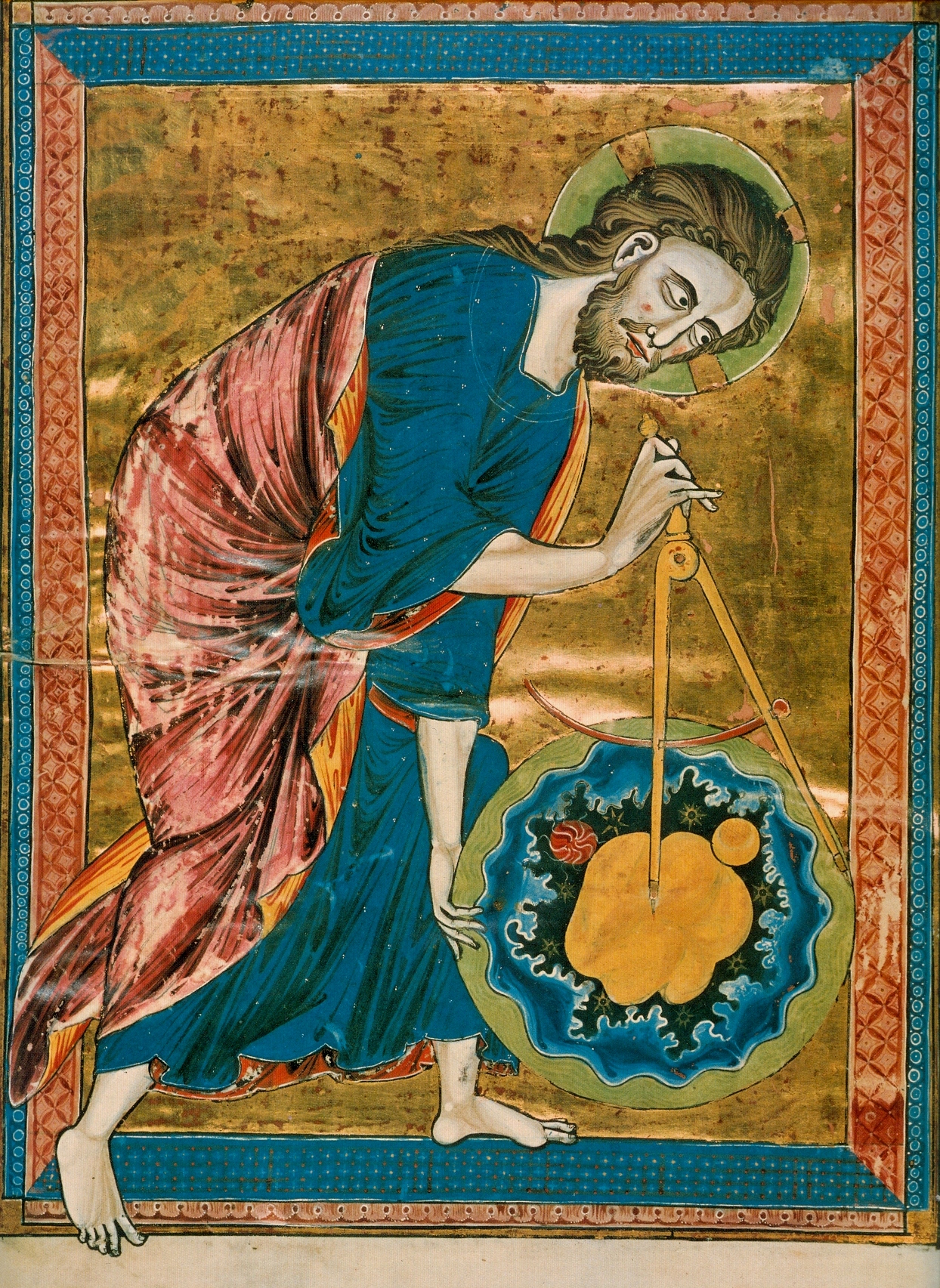 🇬🇷 GreeceAstrology and astronomy
Two disciplines that shared a history before splitting into science and divinationTradition · Seeing and foretelling · Power and authority Historical
 🇨🇳 ChinaFish in Chinese mythology鱼 (yú)
A cultural symbol of wealth and abundance in Chinese traditionBelief · Luck and prosperity · Love and attraction Living
🇷🇴 RomaniaNosferatu
A word for 'vampire' made famous by Dracula, whose true origin is still unsettledBeing · Cursing and harm · Protection Legendary
 🇬🇷 GreeceNecklace of Harmonia
A cursed golden adornment from Greek myth that brought ruin to the House of ThebesCharm · Cursing and harm Legendary
 🇲🇾 MalaysiaBobohizan
A high priestess and spirit medium in the traditional rituals of the Kadazan-Dusun people of Sabah.Tradition · Healing · Protection Fading
🇮🇳 IndiaTribal religions in India
Indigenous spiritual practices of India's Scheduled Tribes, often grouped under Hinduism in official records.Tradition · Speaking with spirits and the dead · Protection Living
🇯🇵 JapanHōko這子
A Japanese soft doll used as a protective talisman for mothers and childrenCharm · Protection Historical
Photo credits on this page
The small pictures above come from Wikimedia Commons under free licences. Some are cropped to fit.
- Chinese numerology: Sarang, Public domain, source
- Sacred caves of the Basotho: JMK, CC BY-SA 3.0, source
- Etsy witches: Таролог Альбина, CC BY-SA 4.0, source
- Lauma: Raki_Man, CC BY 3.0, source
- Superstition in India: Ji-Elle, CC BY-SA 4.0, source
- Superstitions in Sikh societies: jjron, CC BY-SA 3.0, source
- Om: Anandajoti Bhikkhu, CC BY 2.0, source
- Wedding superstitions: Anonymous Unknown author, Public domain, source
- Gandharva: Biswarup Ganguly, CC BY 3.0, source
- Fish in Chinese mythology: Daderot, Public domain, source
- Marriage coin charm: Scott Semans, CC BY 3.0, source
- Necklace of Harmonia: Marie-Lan Nguyen, Public domain, source
- Kadangot Makkam: Shagil Kannur, CC BY-SA 4.0, source
- Horoscope: Peter Presslein, CC BY-SA 3.0, source
- Folk practices in Punjab: Veer jindal, CC BY-SA 3.0, source
- Lock of hair: Unknown author, CC0, source
- Red envelope: Oldie~commonswiki, Public domain, source
- Taiganja: sailko, CC BY-SA 3.0, source
- Khodiyar: Damian N. Boodram, CC BY-SA 4.0, source
- Superstition in China: Gary Todd, CC0, source
- Bobohizan: Ricardo Unto, CC BY-SA 4.0, source
- Astrology and astronomy: anonymous, Public domain, source