Weddings and betrothal: practices that mark them
Blessings, protection against envy and the rites that bind two families.
Weddings are heavy with protection and blessing. Families the world over fear envy and the evil eye at the point where two households join, and many wedding customs are meant to guard the couple, bring fertility and bind the match. Examples include the Indian haldi and mangalsutra, the Jewish glass-breaking and canopy, the Moroccan henna night, the Chinese red dress and the European horseshoe and confetti. This page looks at what these customs are said to do.
Guarding the couple
Weddings gather people, food and attention, which makes them a target of envy in many belief systems. Brides in the Middle East and North Africa are surrounded by henna, amulets and kohl. In India the bride is marked with haldi and kajal, and a black dot may be placed against the evil eye. In Turkey, the couple may wear a blue bead, and Jewish tradition includes the covering of the bride's face. A new bride in some regions is protected by older women of the family, who stay close and watch for envious looks.
Binding and blessing
Vows, knots and rings carry the idea of binding. In Hindu weddings, the couple walks around the sacred fire and ties knots in their garments. In Scotland, handfasting once meant joining hands with a cord. Blessings call on ancestors and gods: Yoruba couples are blessed with kola nuts, and Christian weddings ask for God's blessing. Songs, dances and teasing rites also play a part, and many are as much a social event as a spiritual one, with neighbours, cooks and musicians all taking a role.
Fertility and omens
Many customs aim at fertility and prosperity: rice, nuts or grain thrown over the couple, bowls of sweet food, a child set on the bride's lap in several regions. Omens matter, with auspicious dates chosen by astrologers in India, and rain on a wedding day taken as lucky in some places and unlucky in others. Many of these customs are said to be older than the religions that now host them, and each faith has made its own rules about which are acceptable.
Pressure and change
Wedding customs can carry harm: dowry demands, child marriage and virginity tests have been justified by tradition and are illegal or condemned in many countries. In the diaspora, couples blend customs and may drop some. A commercial wedding industry now sells charms and rituals, some of them taken from cultures outside the couple's own. Some of the same customs have been questioned by reformers for the pressure they place on the bride and her family, and many couples now choose which to keep.
Weddings and betrothal on EveryJaadu
The entries written up so far, best known first.
 🇪🇬 Egypt and 5 moreSacred dance
Movement used in worship to honour deities, heal communities, or connect with the spirit world.Tradition · Protection · Healing Living
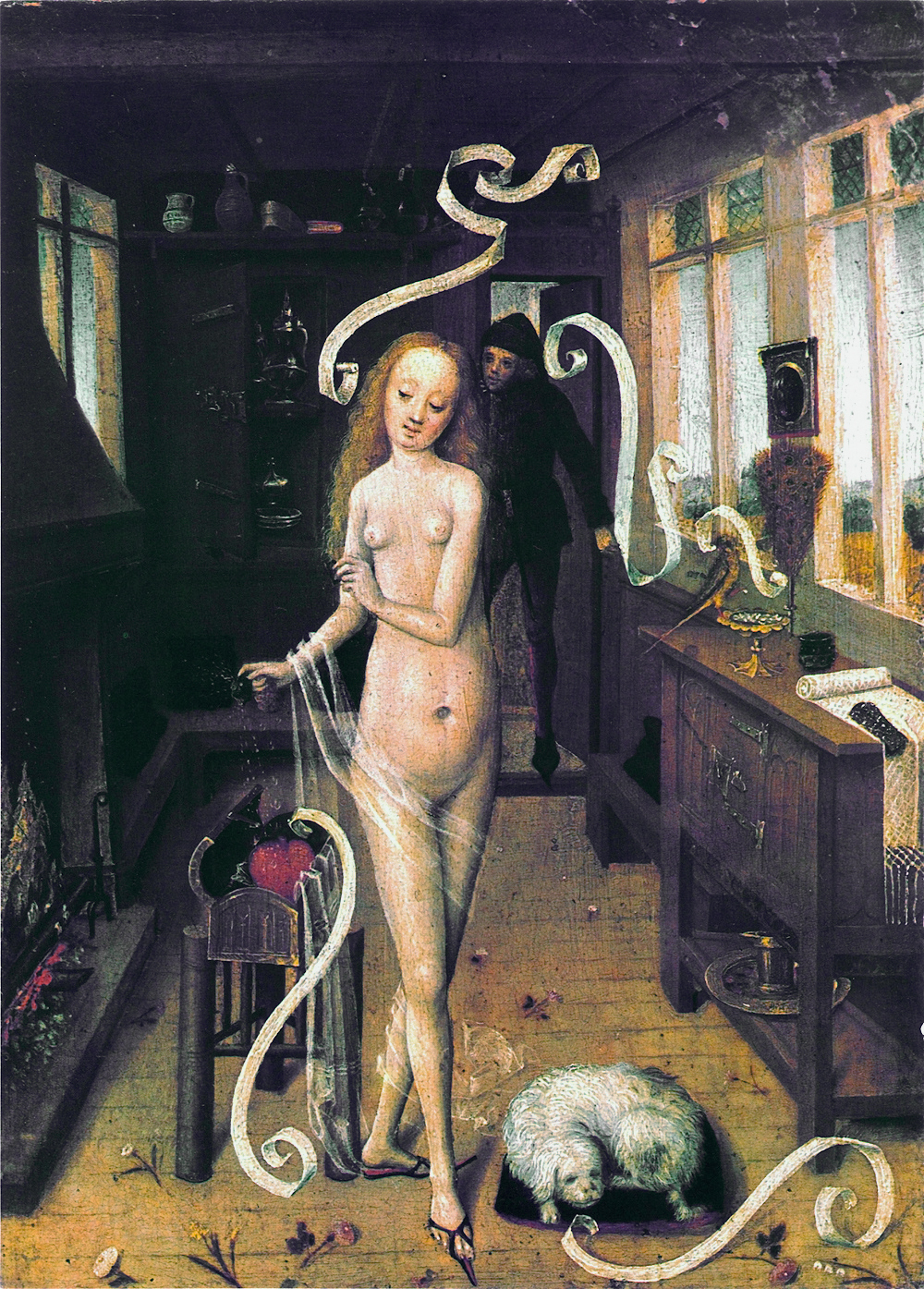 🇮🇶 Iraq and 5 moreLove magic
Rituals and spells used to attract, preserve, or end romantic relationships across many cultures.Tradition · Love and attraction · Cursing and harm Historical
 🇺🇸 United StatesKahuna
A Hawaiian expert or priest, keeper of hidden knowledge in craft and spiritTradition · Healing · Seeing and foretelling Living
 🇮🇳 IndiaAtharvavedaअथर्ववेद
The fourth Veda of Hinduism, containing spells, healing rites, and domestic rituals.Text · Protection · Healing Historical
 🇨🇳 China and 3 moreFenghuang鳳凰 (fènghuáng)
A mythological bird symbolizing virtue and imperial harmony in East Asian cultureBeing · Power and authority · Love and attraction Legendary
 🇰🇪 Kenya and 1 moreMaasai religion
The spiritual beliefs of the semi-nomadic Maasai people of East AfricaTradition · Protection · Healing Living
 🇮🇳 India and 5 moreBindibindú
A dot worn on the forehead to mark spiritual focus and marital status in South Asia.Charm · Protection · Power and authority Living
 🇩🇪 Germany and 5 moreMaypoleMaibaum
A tall wooden pole raised for European spring festivals, accompanied by dance and celebration.Tradition · Luck and prosperity · Love and attraction Living
 🇮🇪 Ireland and 1 moreBrigid's crossCros Bhríde
A woven straw charm hung for protection, named after Ireland's patron saintCharm · Protection · Luck and prosperity Living
 🇬🇹 Guatemala and 1 moreTzolkʼinAj Ilabal Qʼij
A 260-day cycle used by the Maya for divination and ritual timingTradition · Seeing and foretelling · Luck and prosperity Living
🇮🇳 IndiaMuhurtamuhūrta
A Hindu unit of time used to select auspicious moments for rituals and daily practiceBelief · Power and authority · Speaking with spirits and the dead Living
 🇳🇬 Nigeria and 1 moreBoriBòòríí
A traditional Hausa spirit possession system and healing practice in West AfricaTradition · Healing · Protection Living
 🇨🇳 China and 1 moreYue Lao月下老人
The Chinese deity of marriage who binds destined couples with red cordsBeing · Love and attraction · Binding and oaths Legendary
 🇮🇷 Iran and 3 moreIranian folkloreفولکلور ایرانی
The oral legends, heroes, and spirits of Greater IranTradition · Protection · Seeing and foretelling Living
 🇻🇺 Vanuatu and 5 moreKava culture
A shared ritual across Oceania where a root brew marks ceremony, respect, and social gathering.Tradition · Speaking with spirits and the dead · Luck and prosperity Living
 🇯🇵 JapanKami神
Spirits and deities of Shinto, found in nature, ancestors, and placesBeing · Protection · Luck and prosperity Living
 🇨🇳 China and 5 moreJoss paper金紙
Paper burned as money and goods for ancestors, gods and the deadCharm · Speaking with spirits and the dead · Luck and prosperity Living
🇬🇧 United Kingdom and 4 moreTelling the bees
A Western European custom of informing hives about major household eventsTradition · Protection · Luck and prosperity Living
 🇪🇬 Egypt and 2 moreLibation
The ritual pouring of liquid as an offering to spirits or the deadRite · Speaking with spirits and the dead · Protection Living
 🇮🇳 India and 5 moreKolamகோலம்
A daily geometric floor drawing made with rice flour at the home entrance in South IndiaRite · Protection · Luck and prosperity Living
 🇮🇪 IrelandIrish folklorebéaloideas
The oral traditions, myths and customs of IrelandTradition · Wonder and entertainment Living
 🇯🇵 JapanOmamori御守/お守り
Japanese amulets sold at shrines and temples for protection and luckCharm · Protection · Luck and prosperity Living
 🇧🇷 Brazil and 5 moreWhite Lady
A female ghost in white clothing linked to tragedy and omens across many culturesFigure · Cursing and harm · Seeing and foretelling Legendary
 🇮🇳 IndiaKautuka
A red or yellow ritual thread worn for protection in South Asian traditionsCharm · Protection Living
 🇮🇳 India and 1 moreNakshatraनक्षत्रम् (Nakṣatram)
A system of lunar mansions used in Hindu and Buddhist astrology to map the sky.Tradition · Seeing and foretelling · Luck and prosperity Living
 🇮🇳 IndiaHindu astrologyज्योतिष
A traditional Hindu system of astrology and timekeeping rooted in the VedasTradition · Seeing and foretelling · Luck and prosperity Living
 🇨🇳 China and 5 moreChinese fortune telling算命 (Suànmìng)
Reading faces, palms, birth hours and places to map a person's luck through lifeTradition · Seeing and foretelling · Luck and prosperity Living
 🇮🇪 Ireland and 5 moreBonfire
A large outdoor fire used in seasonal festivals and religious feasts across many culturesRite · Cleansing and purification · Speaking with spirits and the dead Living
 🇨🇳 China and 3 moreQilin麒麟
A legendary chimerical creature from Chinese mythology that signals the arrival or death of a sage.Being · Power and authority Legendary
 🇮🇳 India and 1 moreAshtamangalaअष्टमङ्गल (Aṣṭamaṅgala)
A set of eight sacred symbols used in Indian religions to mark auspicious occasions and teach spiritual truths.Charm · Luck and prosperity · Protection Living
 🇮🇩 Indonesia and 3 moreDragon's blood
A bright red resin from several plant species used in magic, medicine, and art since antiquitySubstance · Healing · Protection Living
 🇺🇦 Ukraine and 1 moreUkrainian folklore
The folk traditions of Ukraine and its ethnic communitiesTradition · Speaking with spirits and the dead · Luck and prosperity Living
 🇮🇳 India and 2 moreHomaहोम
A fire ritual found in Indian religions and their Asian offshootsRite · Speaking with spirits and the dead · Protection Living
 🇮🇳 India and 1 moreRangoliरंगोली
A floor art form from India using powders and flowers to welcome guests and deitiesTradition · Protection · Luck and prosperity Living
 🇪🇪 Estonia and 5 moreFern flower
A mythical bloom said to bring fortune and unlock secrets, found only on midsummer night.Belief · Luck and prosperity · Love and attraction Living
 🇹🇷 Turkey and 1 moreTurkish folkloreTürk halk kültürü
A rich body of oral tales, jokes, and rituals from Turkey and the Turkic worldTradition · Protection · Healing Living
🇹🇷 TurkeyHamsa (sample)Khamsa
An open hand with an eye, hung on doors.Charm · Protection · Luck and prosperity Living
 🇯🇵 JapanSaruboboさるぼぼ
A faceless red doll from Japan, given as a charm for family and fortuneCharm · Luck and prosperity · Protection Living
 🇳🇱 Netherlands and 3 morePig-faced women
A European legend of a woman with the face of a pig, and the charms used to break her curseFigure · Change and initiation Historical
 🇱🇦 Laos and 3 moreTai folk religionສາສະໜາຜີ
Spirits, ancestor rites, and soul-calling ceremonies of the Tai peoplesTradition · Protection · Healing Living
🇮🇳 IndiaMangala Dosha
A Hindu astrological belief that Mars causes marital trouble and the rituals used to address itBelief · Protection Living
 🇮🇳 IndiaVedic astrologyJyotiṣa
A traditional Hindu system of astrology rooted in Vedic study and timekeepingTradition · Seeing and foretelling · Luck and prosperity Living
 🇨🇳 China and 2 moreCoin-sword辟邪劍 (bì xié jiàn)
A Chinese numismatic talisman made of cash coins strung on a rod to ward off evil spiritsCharm · Protection Living
 🇻🇳 Vietnam and 2 moreVietnamese numismatic charmsBùa Việt Nam
Coin-shaped charms used for protection, luck, and ritual in Vietnamese cultureCharm · Protection · Luck and prosperity Historical
 🇰🇷 South Korea and 3 moreKorean numismatic charm열쇠패
Coin-shaped objects used as protective and decorative charms in Korean cultureCharm · Protection · Luck and prosperity Historical
 🇮🇷 IranSkandolasikina ḏ-aula
An iron talismanic seal used by Mandaeans to ward off evil and mark life transitions.Charm · Protection Living
 🇨🇳 China and 1 moreTaoist coin charm道教品壓生錢
Chinese and Vietnamese numismatic charms used for protection and feng shuiCharm · Protection · Cursing and harm Historical
🇨🇳 China and 1 moreZhengde Tongbao正德通寶
A fantasy cash coin used as a Chinese and Vietnamese amulet for luck and protection.Charm · Luck and prosperity · Protection Living
Photo credits on this page
The small pictures above come from Wikimedia Commons under free licences. Some are cropped to fit.
- Sacred dance: Jorge Barrios, CC BY-SA 3.0, source
- Skandola: Akamanda, CC BY-SA 4.0, source
- Love magic: Kölner Meister [ 1 ] The artist is an unknown lower Rhenish artist. [, Public domain, source
- Kahuna: Unknown author, Public domain, source
- Atharvaveda: William Dwight Whitney / Charles Rockwell Lanman, Public domain, source
- Fenghuang: Supremo Editor, CC BY-SA 4.0, source
- Maasai religion: Dr. Ondřej Havelka (cestovatel), CC BY 4.0, source
- Bindi: Vinay Sahay, CC BY-SA 4.0, source
- Maypole: Uploaded by Mikael Häggström, CC0, source
- Brigid's cross: Culnacreann, CC BY 3.0, source
- Vietnamese numismatic charms: Jean-Michel Moullec, CC BY 2.0, source
- Tzolkʼin: Lacambalam, CC BY-SA 4.0, source
- Sarubobo: Unknown author, CC BY-SA 3.0, source
- Bori: Tremearne, A. J. N. (Arthur John Newman), 1877-1915, Public domain, source
- Korean numismatic charm: Unknown author(s)., Public domain, source
- Yue Lao: 仔仔好帥, CC BY-SA 4.0, source
- Iranian folklore: Hossein Mirkamali, CC BY 4.0, source
- Kava culture: Jaejay77, CC BY-SA 4.0, source
- Kami: Bernard Gagnon, CC BY-SA 3.0, source
- Joss paper: Vmenkov, CC BY-SA 3.0, source
- Coin-sword: Etnografiska museet, CC BY 2.5, source
- Welsh mythology: Unknown author, Public domain, source
- Libation: Arkady Zarubin ( Аркадий Зарубин ), CC BY-SA 3.0, source
- Kolam: mckaysavage, CC BY 2.0, source
- Omamori: Leongboy1, Public domain, source
- White Lady: engraved by Ames of Bristol (according to Fincham, Artists and engrave, Public domain, source
- Kautuka: Aditya.Asopa, CC BY-SA 4.0, source
- Nakshatra: Kishorekumar 62, CC BY-SA 3.0, source
- Hindu astrology: Unknown author, CC BY 4.0, source
- Pig-faced women: DubhEire, CC0, source
- Chinese fortune telling: Lai Afong, Public domain, source
- Vedic astrology: Freedomji, CC BY-SA 4.0, source
- Bonfire: S Marshall, CC BY 3.0, source
- Qilin: Unknown author, Public domain, source
- Ashtamangala: Redtigerxyz, CC BY-SA 3.0, source
- Dragon's blood: Andy Dingley, CC BY-SA 3.0, source
- Tai folk religion: ( เทวประภาส มากคล้าย ), Tevaprapas, Public domain, source
- Ukrainian folklore: U.S. Army Europe Images, CC BY 2.0, source
- Taoist coin charm: Etnografiska Museet, CC BY 2.5, source
- Homa: Vyacheslav Argenberg, CC BY 4.0, source
- Rangoli: SreeramKalyan, CC0, source
- Fern flower: Antoni Piotrowski, Public domain, source
- Turkish folklore: Biser Todorov, CC BY-SA 4.0, source