Weddings and betrothal: practices that mark them
Blessings, protection against envy and the rites that bind two families.
Weddings are heavy with protection and blessing. Families the world over fear envy and the evil eye at the point where two households join, and many wedding customs are meant to guard the couple, bring fertility and bind the match. Examples include the Indian haldi and mangalsutra, the Jewish glass-breaking and canopy, the Moroccan henna night, the Chinese red dress and the European horseshoe and confetti. This page looks at what these customs are said to do.
Guarding the couple
Weddings gather people, food and attention, which makes them a target of envy in many belief systems. Brides in the Middle East and North Africa are surrounded by henna, amulets and kohl. In India the bride is marked with haldi and kajal, and a black dot may be placed against the evil eye. In Turkey, the couple may wear a blue bead, and Jewish tradition includes the covering of the bride's face. A new bride in some regions is protected by older women of the family, who stay close and watch for envious looks.
Binding and blessing
Vows, knots and rings carry the idea of binding. In Hindu weddings, the couple walks around the sacred fire and ties knots in their garments. In Scotland, handfasting once meant joining hands with a cord. Blessings call on ancestors and gods: Yoruba couples are blessed with kola nuts, and Christian weddings ask for God's blessing. Songs, dances and teasing rites also play a part, and many are as much a social event as a spiritual one, with neighbours, cooks and musicians all taking a role.
Fertility and omens
Many customs aim at fertility and prosperity: rice, nuts or grain thrown over the couple, bowls of sweet food, a child set on the bride's lap in several regions. Omens matter, with auspicious dates chosen by astrologers in India, and rain on a wedding day taken as lucky in some places and unlucky in others. Many of these customs are said to be older than the religions that now host them, and each faith has made its own rules about which are acceptable.
Pressure and change
Wedding customs can carry harm: dowry demands, child marriage and virginity tests have been justified by tradition and are illegal or condemned in many countries. In the diaspora, couples blend customs and may drop some. A commercial wedding industry now sells charms and rituals, some of them taken from cultures outside the couple's own. Some of the same customs have been questioned by reformers for the pressure they place on the bride and her family, and many couples now choose which to keep.
Weddings and betrothal on EveryJaadu
The entries written up so far, best known first.
 🇻🇺 Vanuatu and 5 moreKava culture
A shared ritual across Oceania where a root brew marks ceremony, respect, and social gathering.Tradition · Speaking with spirits and the dead · Luck and prosperity Living
🇻🇺 Vanuatu and 5 moreKava culture
A shared ritual across Oceania where a root brew marks ceremony, respect, and social gathering.Tradition · Speaking with spirits and the dead · Luck and prosperity Living
 🇮🇳 India and 2 moreHomaहोम
A fire ritual found across Asian religions where offerings are burned as a votive exchange with the divine.Rite · Protection · Speaking with spirits and the dead Living
🇮🇳 India and 2 moreHomaहोम
A fire ritual found across Asian religions where offerings are burned as a votive exchange with the divine.Rite · Protection · Speaking with spirits and the dead Living
 🇨🇳 China and 5 moreJoss paper金紙
Paper burned as money and goods for ancestors, gods and the deadCharm · Speaking with spirits and the dead · Luck and prosperity Living
🇬🇧 United Kingdom and 4 moreTelling the bees
A Western European custom of informing bees about major household eventsRite · Protection · Speaking with spirits and the dead Living
🇨🇳 China and 5 moreJoss paper金紙
Paper burned as money and goods for ancestors, gods and the deadCharm · Speaking with spirits and the dead · Luck and prosperity Living
🇬🇧 United Kingdom and 4 moreTelling the bees
A Western European custom of informing bees about major household eventsRite · Protection · Speaking with spirits and the dead Living
 🇮🇪 Ireland and 5 moreBonfire
A large outdoor fire used in seasonal festivals and religious feasts across many culturesRite · Cleansing and purification · Speaking with spirits and the dead Living
🇮🇪 Ireland and 5 moreBonfire
A large outdoor fire used in seasonal festivals and religious feasts across many culturesRite · Cleansing and purification · Speaking with spirits and the dead Living
 🇩🇪 Germany and 5 moreMaypoleMaibaum
A tall wooden pole raised for European spring festivals, accompanied by dance and celebration.Tradition · Luck and prosperity · Love and attraction Living
🇩🇪 Germany and 5 moreMaypoleMaibaum
A tall wooden pole raised for European spring festivals, accompanied by dance and celebration.Tradition · Luck and prosperity · Love and attraction Living
 🇪🇬 Egypt and 5 moreSacred dance
Movement used in worship to honour deities, heal communities, or connect with the spirit world.Tradition · Protection · Healing Living
🇪🇬 Egypt and 5 moreSacred dance
Movement used in worship to honour deities, heal communities, or connect with the spirit world.Tradition · Protection · Healing Living
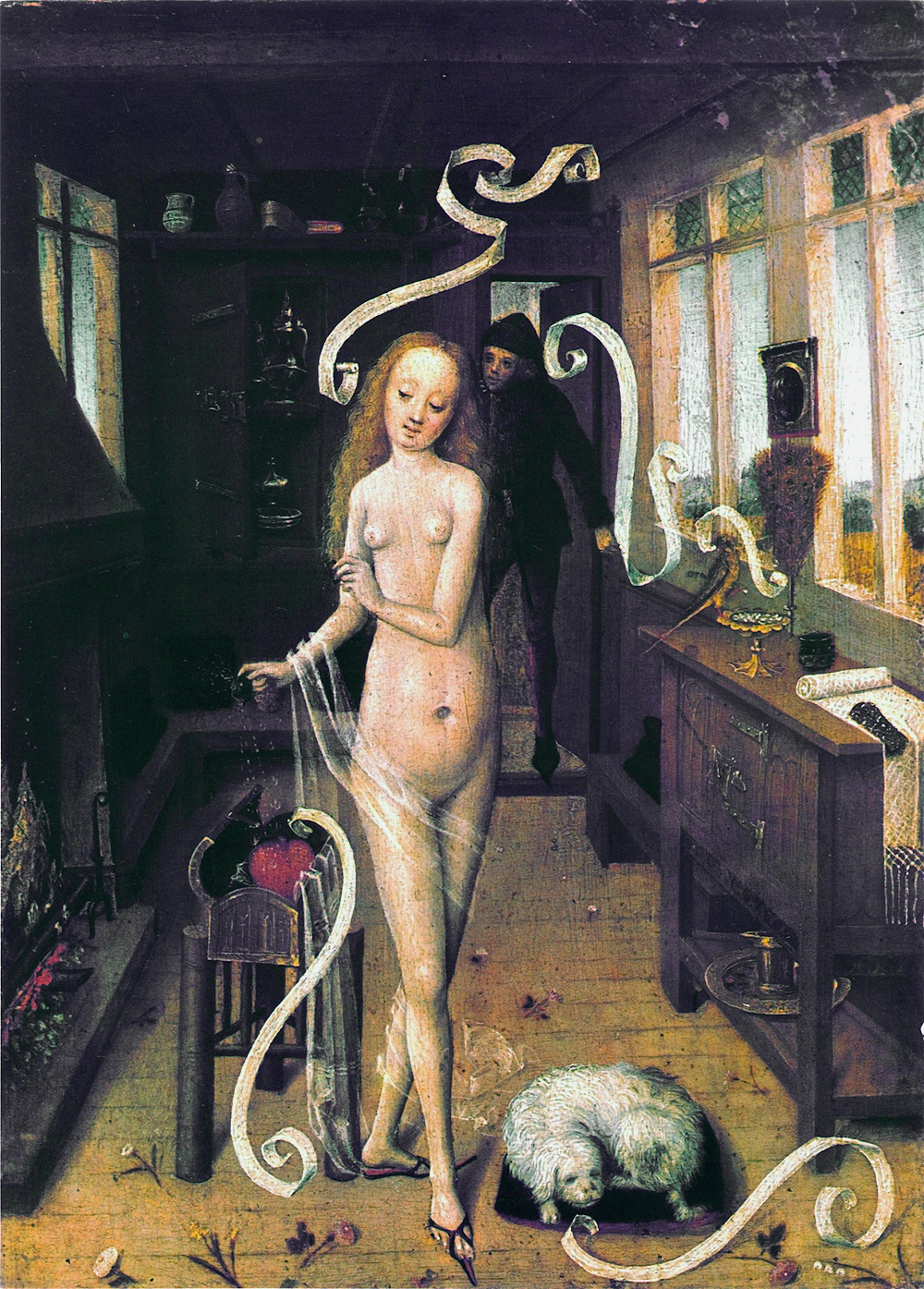 🇮🇶 Iraq and 5 moreLove magic
Rituals and spells used to attract, preserve, or end romantic relationships across many cultures.Tradition · Love and attraction · Cursing and harm Historical
🇮🇶 Iraq and 5 moreLove magic
Rituals and spells used to attract, preserve, or end romantic relationships across many cultures.Tradition · Love and attraction · Cursing and harm Historical
 🇳🇬 Nigeria and 1 moreBoriBòòríí
A traditional Hausa spirit possession system and healing practice in West AfricaTradition · Healing · Luck and prosperity Living
🇳🇬 Nigeria and 1 moreBoriBòòríí
A traditional Hausa spirit possession system and healing practice in West AfricaTradition · Healing · Luck and prosperity Living
 🇱🇦 Laos and 3 moreTai folk religionສາສະໜາຜີ
Spirits, ancestor rites, and soul-calling ceremonies of the Tai peoplesTradition · Protection · Healing Living
🇱🇦 Laos and 3 moreTai folk religionສາສະໜາຜີ
Spirits, ancestor rites, and soul-calling ceremonies of the Tai peoplesTradition · Protection · Healing Living
Photo credits on this page
The small pictures above come from Wikimedia Commons under free licences. Some are cropped to fit.
- Homa: Vyacheslav Argenberg, CC BY 4.0, source
- Tai folk religion: ( เทวประภาส มากคล้าย ), Tevaprapas, Public domain, source
- Joss paper: Vmenkov, CC BY-SA 3.0, source
- Bonfire: S Marshall, CC BY 3.0, source
- Maypole: Uploaded by Mikael Häggström, CC0, source
- Sacred dance: Jorge Barrios, CC BY-SA 3.0, source
- Love magic: Kölner Meister [ 1 ] The artist is an unknown lower Rhenish artist. [, Public domain, source
- Bori: Tremearne, A. J. N. (Arthur John Newman), 1877-1915, Public domain, source
- Kava culture: Jaejay77, CC BY-SA 4.0, source