Illness and misfortune: practices that mark them
What people do when someone falls ill or luck turns: consult, cleanse, ward.
Illness and misfortune are the moments when people most often turn to magic. When someone falls ill, a business fails, a child is lost or luck turns, families ask why, and consult a healer, diviner, priest or mediums. Examples include the Mexican limpia, the African consultation of a diviner, the Islamic ruqyah, the Hindu or Buddhist temple rites, the Korean gut and the Catholic blessing of the sick. This page covers the pattern and its risks. It is not medical advice, and illness needs real medical care.
Why and who
Many traditions ask two questions: how did this happen, and why to me? A medical account answers the first. Traditional systems often address the second, linking misfortune to relationships, envy, taboo or spirits. A consultation then names a cause and a remedy, which may involve cleansing, offerings, protective objects or a ceremony. A diviner may be consulted, a healer called, a priest asked to pray or a shrine visited, and in many households several of these happen at once.
Help and hope
Rites of crisis bring people together, give a role to the family and offer hope when treatment is limited. Researchers have documented comfort and reduced distress after ritual. Many people use medicine and ritual together, and many healers support that. The pattern becomes dangerous only when ritual displaces treatment. Many practitioners also give practical advice about rest, diet and family conflict, and some of this advice is sound and some is not.
Blame and exploitation
Crisis also creates a market for fear. Fraudulent healers tell clients they are cursed and sell expensive cleansing. Accusations of witchcraft often follow illness, with violence against the accused. Exorcism of people with mental illness has caused injuries and deaths, including documented cases in churches in several countries. In some societies, a bad event is the signal for a ritual of the whole community, with confession, reconciliation and shared offerings.
Care and context
Public health programmes now involve community healers in work on issues such as HIV, maternal health and mental health, since many people consult them first. Scholars of medical anthropology call this a plural system of care. The sensible approach is to seek qualified medical help promptly and treat other support as company. Public health bodies urge anyone with a serious illness or injury to seek a clinician at once, and to treat traditional help as complementary to that care and never as a replacement for it.
Illness and misfortune on EveryJaadu
The entries written up so far, best known first.
 🇵🇱 Poland and 3 moreStrzyga
A female demon in Polish folklore, linked to owls and vampiric traitsBeing · Cursing and harm · Protection Historical
 🇺🇸 United States and 1 moreSpider GrandmotherKokyangwuti
An ancestral spirit and creator who guides mortals, protects homes, and teaches weavingFigure · Protection · Healing Legendary
🇫🇮 Finland and 1 moreFrog coffin
A Finnish folk magic burial of a frog in a tiny coffin to steal luck or reflect harmRite · Protection · Cursing and harm Historical
 🇰🇷 South KoreaBangsatap방사탑
A stone cairn on Jeju Island believed to shield communities from harm and disease.Tradition · Protection · Cursing and harm Revived
🇹🇳 TunisiaOmek Tannou
A Tunisian rainmaking ritual using a sculpted head or stick to call for water during droughts.Rite · Cursing and harm · Seeing and foretelling Historical
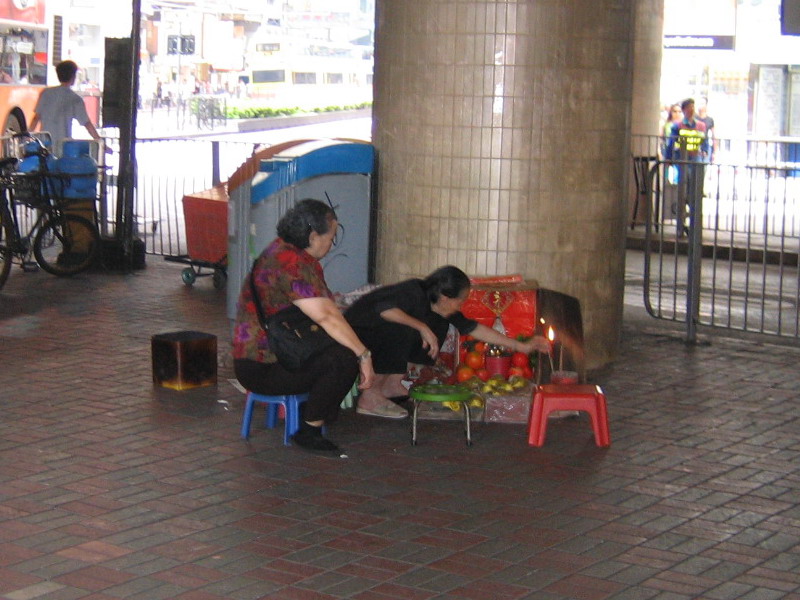 🇨🇳 China and 1 moreVillain hitting打小人
A Cantonese rite that strikes paper effigies with a shoe to ward off enemiesTradition · Cursing and harm · Protection Living
 🇮🇳 IndiaJvarasuraज्वारासुर
A fever demon in Hindu lore who serves the pox goddess Shitala.Being · Cursing and harm · Healing Historical
🇳🇬 Nigeria and 5 moreWitchcraft accusations against children in Africa
Violent persecution of children blamed for misfortune across Sub-Saharan Africa and beyondBelief · Cursing and harm Living
🇺🇬 UgandaKilling of disabled children in Uganda
The ritual murder of disabled children in parts of Uganda for body parts and perceived benefitsRite · Cursing and harm · Power and authority Historical
🇭🇹 HaitiBizango
Haitian secret societies linked to Vodou and social controlTradition · Cursing and harm · Binding and oaths Living
 🇬🇷 GreeceNymphνύμφη
A nature spirit from Greek myth, tied to specific places like springs or trees, often seen as a maiden.Being · Healing · Seeing and foretelling Historical
🇨🇳 ChinaChinese sorcery scares
A series of moral panics in Imperial China driven by fears of magical harm and hair cuttingBelief · Cursing and harm · Power and authority Historical
 🇵🇹 Portugal and 5 moreWilgefortisVilgeforte
A bearded female martyr folk saint known for relieving women from unwanted marriages and tribulationsFigure · Protection · Cursing and harm Historical
🇩🇪 Germany and 2 moreKlagmuhme
A German wailing spirit that heralds death through sound and shape-shiftingBeing · Cursing and harm Historical
🇬🇭 Ghana and 4 moreSpirit children
A Ghanaian belief that disabled children are harmful spirits requiring ritual treatment or deathBelief · Cursing and harm Fading
🇷🇴 RomaniaTanacu exorcism
A 2005 Romanian Orthodox ritual that ended in a nun's death and a murder convictionRite · Speaking with spirits and the dead · Cursing and harm Historical
🇮🇪 IrelandDeath coachcóiste bodhar
A spectral carriage that signals an unavoidable death in European folkloreBelief · Cursing and harm Legendary
🇺🇸 United StatesRaven MockerᎪᎳᏅ ᎠᏰᎵᏍᎩ
Cherokee witches or spirits said to take a dying person's heart and yearsBeing · Cursing and harm Legendary
🇺🇸 United StatesGoofer dust
A hoodoo powder used for hexes, protection and coercive love spells in the American South.Charm · Cursing and harm · Protection Historical
 🇮🇩 IndonesiaTunggal panaluan
A carved magic staff of the Batak shamans in North SumatraCharm · Protection · Cursing and harm Historical
🇲🇾 MalaysiaHantu Air
A Malay water spirit said to live in rivers, lakes and seasBeing · Speaking with spirits and the dead · Protection Fading
 🇳🇿 New Zealand and 5 moreMokomokaiToi moko
Preserved Māori heads with facial tattoos, once traded as curios and now repatriated.Being · Cursing and harm · Power and authority Historical
 🇺🇸 United StatesEtsy witches
Online practitioners selling spells and charms through digital marketplacesTradition · Luck and prosperity · Love and attraction Living
🇫🇷 FranceTempestarii
Medieval figures accused of controlling storms and the beliefs surrounding them.Belief · Cursing and harm · Protection Historical
 🇬🇷 Greece and 3 moreExorcist
A religious specialist who performs rites to remove alleged demonic possession from people or places.Tradition · Cursing and harm · Cleansing and purification Living
🇬🇭 GhanaAbonsam
A malevolent spirit blamed for accidents and disease, driven out to sea with noiseBeing · Cursing and harm · Cleansing and purification Living
 🇮🇱 Israel and 1 moreOrdeal of the bitter waterמֵי הַמָּרִים (mei ha-marim)
A biblical test for a wife accused of adultery when no witnesses are present.Rite · Cursing and harm · Protection Historical
🇫🇷 FranceAix-en-Provence possessions
17th-century French convent cases of alleged demonic possessionBelief · Cursing and harm Historical
🇬🇧 United KingdomCorsned
An Anglo-Saxon trial by ordeal using a consecrated piece of bread and cheese to determine guilt.Rite · Cursing and harm Historical
 🇩🇪 Germany and 3 moreCruentation
A medieval judicial test where a suspect touched a victim's body to see if it bled.Rite · Cursing and harm Historical
 🇮🇱 Israel and 1 moreUnclean spiritπνεῦμα ἀκάθαρτον (pneuma akatharton)
A spirit of impurity in biblical belief, driven out by breath, smoke and wordsBeing · Cleansing and purification · Cursing and harm Living
 🇯🇵 JapanMononoke物の怪
A Japanese term for spirits believed to cause illness and misfortune through possession or curses.Being · Cursing and harm · Healing Historical
🇯🇵 JapanReikon霊魂
The Shinto soul: it joins the ancestors after funeral rites, or haunts as a yūreiBeing · Speaking with spirits and the dead · Cursing and harm Living
🇵🇱 PolandPłanetnik
A Slavic storm spirit said to herd clouds and hail, and to shelter the sudden deadBeing · Protection · Cursing and harm Legendary
 🇱🇰 Sri Lanka and 1 moreSanni Yakumaසන්නි යකුම
A traditional Sinhalese exorcism ritual featuring eighteen masked dances to banish illness-causing demons.Rite · Healing · Cursing and harm Living
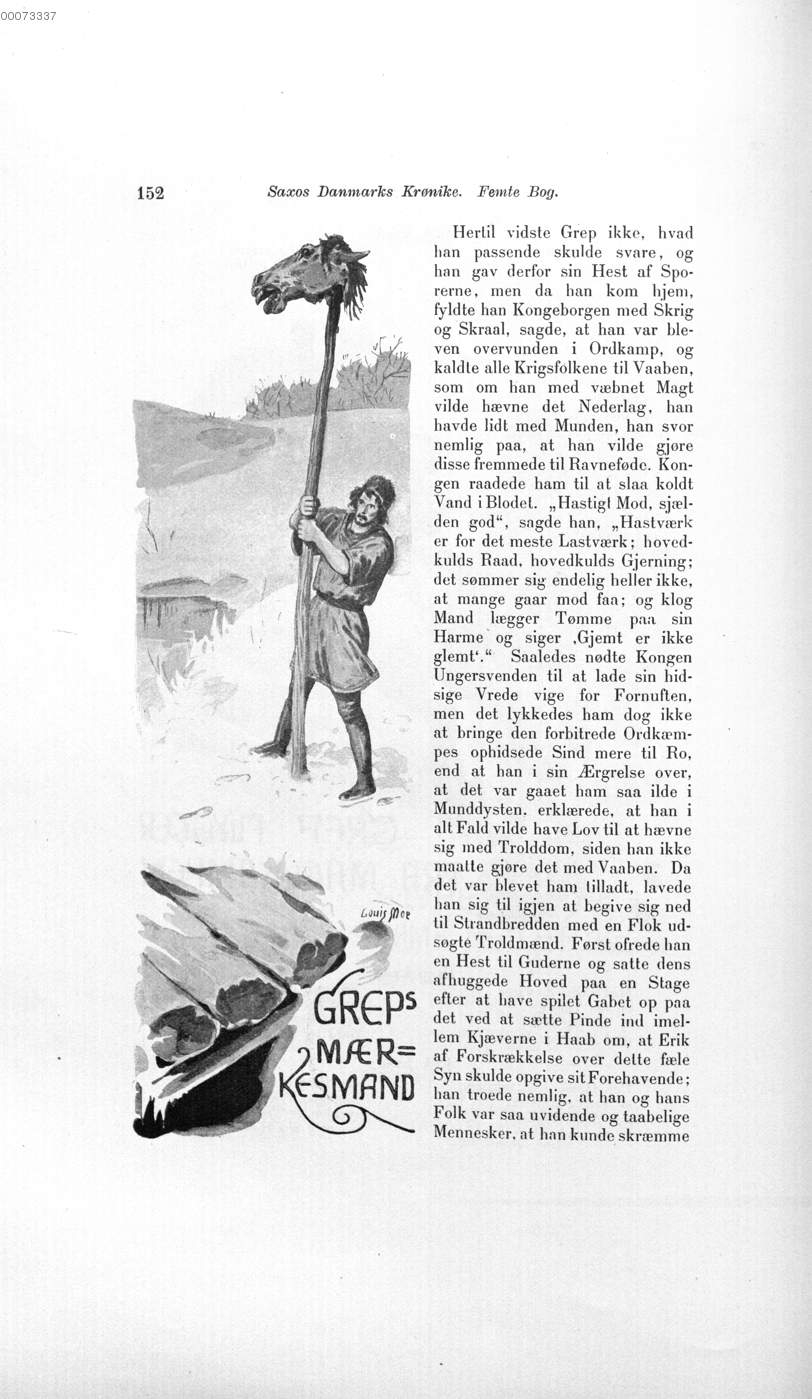 🇮🇸 Iceland and 1 moreNithing poleníðstǫng
A curse pole from Norse tradition used to shame or harm an enemyRite · Cursing and harm Living
 🇪🇸 SpainHuman sacrifice in the ancient Iberian Peninsula
Ancient ritual killings by Lusitanian and Vetton peoples for divination and warRite · Seeing and foretelling · Cursing and harm Historical
 🇯🇵 Japan and 5 moreSmallpox demon疱瘡神 (Hōsōgami)
A spirit blamed for smallpox in medieval Japan and the rituals used to appease itBeing · Protection · Cursing and harm Historical
 🇵🇪 Peru and 2 moreTsentsak
Invisible darts used by Amazonian shamans for healing and sorcerySubstance · Cursing and harm · Protection Living
🇬🇾 Guyana and 3 moreComfa
A Guyanese folk religion blending African, Christian, and Asian traditions through spirit possession.Tradition · Speaking with spirits and the dead · Cursing and harm Living
 🇮🇷 Iran and 4 moreJinnجِنّ
Concealed beings from Arabian and Islamic tradition, accountable for their actions like humans.Being · Protection · Cursing and harm Living
Photo credits on this page
The small pictures above come from Wikimedia Commons under free licences. Some are cropped to fit.
- Ordeal of the bitter water: Charadron, CC BY-SA 4.0, source
- Exorcist: Francisco Goya, Public domain, source
- Etsy witches: Таролог Альбина, CC BY-SA 4.0, source
- Mokomokai: New Zealand Electronic Text Centre, Public domain, source
- Nymph: Unknown author, Public domain, source
- Yachay: Veton PICQ, CC BY-SA 3.0, source
- Bangsatap: Grapesurgeon, CC BY-SA 4.0, source
- Smallpox demon: 佐賀県立図書館, CC0, source
- Nithing pole: r Saxo Gramaticus; tr. (Danish) Frederik Winkel Horn; illus. Louis Moe, Public domain, source
- Jinn: VenusFeuerFalle, CC0, source
- Strzyga: Filip Gutowski, CC BY-SA 4.0, source
- Sanni Yakuma: Michael Gunther, CC BY-SA 4.0, source
- Spider Grandmother: Navajo artist, Public domain, source
- Human sacrifice in the ancient Iberian Peninsula: Manuel Parada López de Corselas User:Manuel de Corselas ARS SUMMUM, Ce, Public domain, source
- Villain hitting: No machine-readable author provided. Underbar dk assumed (based on cop, CC BY-SA 3.0, source
- Jvarasura: Suraj Belbase, CC BY-SA 4.0, source
- Wilgefortis: Hieronymus Bosch, Public domain, source
- Tunggal panaluan: Tropenmuseum, CC BY-SA 3.0, source
- Cruentation: Unknown author, Public domain, source
- Unclean spirit: David Shankbone, CC BY-SA 3.0, source
- Mononoke: Unknown author, Public domain, source