Spirit children
English term for a local concept of a harmful spirit in human form
A Ghanaian belief that disabled children are harmful spirits requiring ritual treatment or death
In parts of Ghana and neighboring West African nations, a disabled child is sometimes viewed as a spirit child. These infants are believed to bring misfortune, leading families to seek ritual intervention from traditional healers.
- Disabled children are blamed for misfortune in some Ghanaian communities
- Concoction men prepare herbal teas to treat alleged spirit children
- The practice is criminalized in Ghana since 2013
- Similar beliefs exist in Benin, Mali, and Tanzania
- Many deaths are natural causes, not intentional killings
What it is
The term describes a cultural belief found primarily in Ghana regarding disabled infants. Families hold that these children are not human but rather malevolent spirits. They are thought to possess powers that cause crop failure, livestock death, or general village misfortune. The belief creates a severe social stigma around disability. Parents fear the child will destroy their home or family line. This view leads to extreme measures to remove the perceived threat from the community.
Where it comes from
The practice is rooted in rural communities with strong animistic beliefs. It is often linked to food insecurity and lack of modern childcare knowledge. Similar concepts exist across West Africa, including witch babies in Benin and mingi children in Tanzania. The belief persists where birth registration is low and legal protections are weak. Colonial and missionary history has influenced its decline through Christianization.
How it is done
Families consult a concoction man, a traditional healer. He prepares a tea using a root called bunbunlia and black medicine made from burned plants and shea butter. An elder woman administers this mixture to the child. If the child dies, the body is wrapped and buried in the bush. A ceremony is performed to send the spirit back. Some believe the spirit returns to the ancestors, while others think it must be destroyed to prevent recurrence.
Tools and materials
Healers use a sacred cup made from an animal horn called a dongo. The primary tool is a herbal concoction. Ingredients include the bunbunlia root and black medicine. The black medicine consists of various burned plant parts mixed with shea butter. These items are used to treat the child and facilitate the spirit's departure.
Spirit children, drawn and placed
- Living
- Revived
- Fading
- Historical
- Legendary
- Performed
- Lineage
- West African folk belief
- Timing
- at birth or when illness appears
What it is for
The ritual aims to eliminate a source of perceived harm. Families seek to protect their crops, livestock, and household safety. It is also seen as a way to resolve spiritual impurity. The goal is to return the harmful spirit to the bush or ancestors. This action is intended to restore balance and stop further misfortune for the family and village.
Who does it
Concoction men are the primary practitioners. They are traditional healers sought by desperate families. Elder women in the family usually administer the treatment. Women are more likely than men to hold these witchcraft beliefs. The role involves preparing specific herbal mixtures and conducting burial ceremonies. Their status is tied to resolving community crises.
Peoples and places
The belief is most documented in Ghana, particularly among the Kassena-Nankana people. Variations exist in Benin, Ivory Coast, Mali, and Tanzania. Each region has its own name for the phenomenon. In Ghana, terms like chichuru and kinkiriko are used. The practice is more common in poor, rural areas. It reflects broader regional attitudes toward disability and spiritual causality.
At a glance: who, where and when
Who does it
Belief worlds
What people believe
Animism underpins the belief system. Spirits are thought to enter wombs if women eat while walking or use unapproved house entrances. Stillbirths are seen as the same spirit returning. Mutilating the stillborn prevents its return. Spirit children are described as impulsive, wise, and mischievous. They are considered alien to human society and do not deserve a place among humans.
When it is done
Events occur at birth or when a child shows signs of illness. Refusal to eat may trigger the belief. The timing is linked to life crises rather than festivals. Birth registration delays allow the practice to continue. Legal reforms aim to register all births to prevent such outcomes.
How scholars and sceptics see it
Researchers note the link between poverty, food insecurity, and the belief. Studies show many deaths are natural causes, not intentional killings. Anthropologists view it as a response to stigma and lack of medical knowledge. Sceptics see it as a harmful superstition driven by fear. Scholars highlight the role of education in reducing the practice.
Cautions and what is closed
The practice involves killing or harming disabled children. It is a form of infanticide and persecution. Many children die from natural causes mistaken for spirit attacks. Rights organizations work to stop the killings. Lack of birth registration leaves children unprotected. The practice is criminalized but persists due to resource gaps in rural areas.
Compare and confuse
Similar beliefs exist globally, such as changelings in Europe. The mingi children of Tanzania share the core idea of a harmful infant. Witch babies in Benin represent a related concept. All involve blaming disability on supernatural forces. The Ghanaian term is distinct but part of a wider West African pattern.
Questions people ask about Spirit children
What is a spirit child?
It is a belief in parts of Ghana that a disabled child is a harmful spirit. Families fear the child brings misfortune. They seek rituals to remove the spirit from the community.
Where does this belief come from?
It originates in rural West African communities with animistic traditions. Poverty and lack of medical knowledge reinforce the belief. Similar concepts exist in neighboring countries like Benin and Tanzania.
How are spirit children treated?
Healers prepare a herbal tea administered by family elders. If the child dies, the body is buried in the bush. Rituals are performed to send the spirit away and protect the family.
Is the practice still happening today?
Yes, though it is declining. Ghana criminalized the practice in 2013. Advocacy groups work to educate communities and promote birth registration to protect vulnerable children.
Good reading and sources
- Spirit Child: Ritual Killings in GhanaAl Jazeera, Article
- 'Spirit' children of Ghana | GhanaThe Guardian, Article
The facts on this page come from the Wikipedia article "Spirit children", written by its contributors and used under the CC BY-SA 4.0 licence, and from its Wikidata record (CC0). EveryJaadu rewrote the text in its own words, with AI assistance, and compares every page with the article to make sure no passage is copied. It may be reused under the same CC BY-SA 4.0 licence with a link back.
It may contain mistakes. Names and customs differ from one community to the next, and some knowledge is closed to outsiders and left out here. This page describes belief and practice. It does not say that any of it works, it is not a how-to, and it is not medical advice. If something is wrong, tell us. Last refreshed 2026-10-06.
More from Ghana
All the entries from Ghana 🇳🇬 Nigeria and 4 moreJuju
A West African spiritual belief system involving charms and ritualsTradition · Healing · Luck and prosperity Living
🇳🇬 Nigeria and 4 moreJuju
A West African spiritual belief system involving charms and ritualsTradition · Healing · Luck and prosperity Living
 🇬🇭 GhanaWitchcraft in Ghana
Beliefs in harmful magic and the social violence that follows accusations in GhanaBelief · Cursing and harm Living
🇿🇦 South Africa and 4 moreModern witch-hunts
Contemporary violence against people accused of using magic to cause harmBelief · Cursing and harm Living
🇬🇭 GhanaWitchcraft in Ghana
Beliefs in harmful magic and the social violence that follows accusations in GhanaBelief · Cursing and harm Living
🇿🇦 South Africa and 4 moreModern witch-hunts
Contemporary violence against people accused of using magic to cause harmBelief · Cursing and harm Living
 🇳🇬 Nigeria and 5 moreIfá
A Yoruba divination system using palm nuts to access spiritual guidanceTradition · Seeing and foretelling · Speaking with spirits and the dead Living
🇳🇬 Nigeria and 5 moreIfá
A Yoruba divination system using palm nuts to access spiritual guidanceTradition · Seeing and foretelling · Speaking with spirits and the dead Living
Related elsewhere
All belief 🇷🇸 Serbia and 5 moreVampire
An undead creature from folklore that feeds on the blood or life force of the livingBeing · Cursing and harm · Luck and prosperity Legendary
🇷🇸 Serbia and 5 moreVampire
An undead creature from folklore that feeds on the blood or life force of the livingBeing · Cursing and harm · Luck and prosperity Legendary
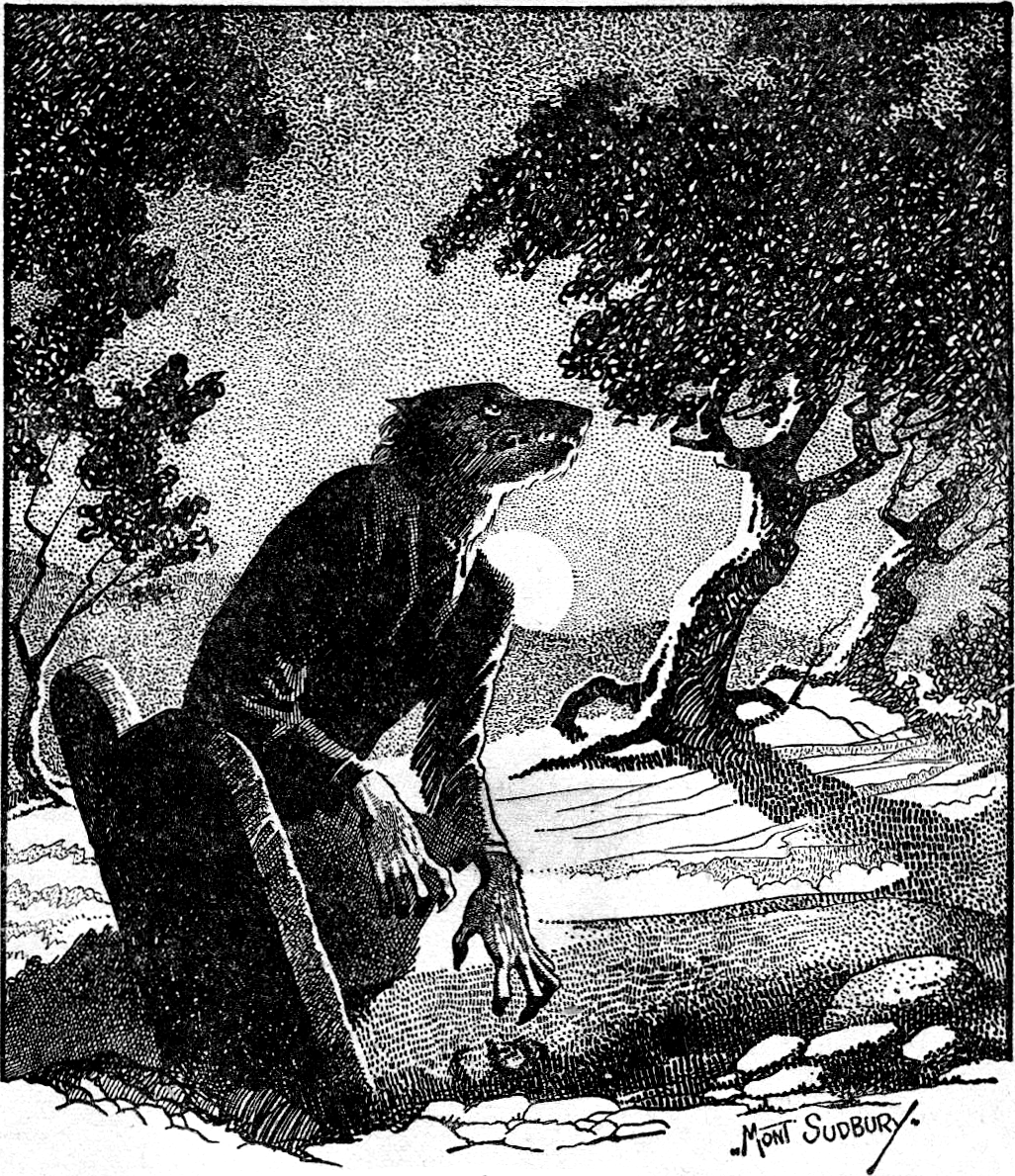 🇫🇷 France and 5 moreWerewolf
A mythical shapeshifter that turns into a wolf, central to European witch-hunts and Gothic horror.Being · Cursing and harm · Wonder and entertainment Legendary
🇫🇷 France and 5 moreWerewolf
A mythical shapeshifter that turns into a wolf, central to European witch-hunts and Gothic horror.Being · Cursing and harm · Wonder and entertainment Legendary
 🇪🇬 Egypt and 1 moreLilithלִילִית
A feminine figure from Mesopotamian and Jewish mythology, often depicted as a night demon or spirit.Being · Cursing and harm Legendary
🇪🇬 Egypt and 1 moreLilithלִילִית
A feminine figure from Mesopotamian and Jewish mythology, often depicted as a night demon or spirit.Being · Cursing and harm Legendary
 🇪🇬 EgyptCurse
A spoken wish for misfortune to befall a person or placeBelief · Cursing and harm · Luck and prosperity Historical
🇪🇬 EgyptCurse
A spoken wish for misfortune to befall a person or placeBelief · Cursing and harm · Luck and prosperity Historical