Protection
Warding off the evil eye, spirits, illness and bad luck: amulets, wards and thresholds.
Protection is the most widespread aim of magic. People hang, wear, bury, burn and recite things to keep out the evil eye, harmful spirits, illness and bad luck. The blue nazar, the hamsa, the horseshoe, the red thread, the Japanese omamori and the Ethiopian protective scroll all serve it. This page covers what is guarded, who is thought to need guarding, and how different societies see the practice. It is a good place to start with the subject.
What is guarded
The most guarded are the vulnerable and the valued: newborns, brides, pregnant women, livestock, new houses and travellers. Doorways, windows and crossroads get special care, since they are where inside meets outside. Practices include hanging a lemon and chillies in India, a horseshoe in Britain and Ireland, an eye-bead in Turkey, a mezuzah on Jewish doorposts and a spirit house in Thailand. Beyond doors, people protect journeys, wells, boats and herds, and the guarded thing is usually whatever the family can least afford to lose.
Against what
The danger named varies. In the Middle East and Mediterranean it is the evil eye, a harm said to come from envy or praise. In sub-Saharan Africa it is often witchcraft or a rival's sorcery. In Europe it was witches, fairies and the devil, and in East Asia hungry ghosts and ill-fortune. Protective practice therefore tells a researcher what a community fears and who it suspects. Some marks are drawn in chalk, paint or henna and renewed each year, and others are made once and left to fade.
Faith and the objects
Religions deal with protective objects in different ways. Many Muslim scholars accept verses of the Quran recited for protection and disapprove of beads or knots believed to work by themselves. Catholic Christians use blessed medals, holy water and the sign of the cross. Sikhism rejects talismans, while Buddhist monks bless protective threads and tattoos in Thailand and Cambodia. Official teaching often differs from practice in the village, where one household may wear a charm quietly and say a prayer at the same time.
Scholars and the market
Psychologists suggest protective objects ease anxiety and give a sense of control. Sceptics note that no test has shown them to prevent harm. Commerce is large: charms are mass-produced, and some sellers charge heavily for items promised to ward off disaster. Anyone in real danger or illness should turn to practical help first. Believers usually say the protection is a matter of trust and care, and many say the object matters less than the intention and the community that stands behind it.
Protection on EveryJaadu
The entries written up so far, best known first.
 🇮🇹 ItalyŚuri𐌑𐌖𐌛 (Etruscan)
An ancient Etruscan deity of volcanic fire, the underworld, and healingBeing · Protection · Healing Historical
🇮🇹 ItalyŚuri𐌑𐌖𐌛 (Etruscan)
An ancient Etruscan deity of volcanic fire, the underworld, and healingBeing · Protection · Healing Historical
 🇳🇴 NorwayGrógaldr
An Old Norse poem about raising a dead seeress to ask for helpText · Cursing and harm · Protection Historical
🇳🇴 NorwayGrógaldr
An Old Norse poem about raising a dead seeress to ask for helpText · Cursing and harm · Protection Historical
 🇬🇷 Greece and 3 morePalladium
A sacred image or object believed to guarantee the safety of a city or nationCharm · Protection Historical
🇬🇷 Greece and 3 morePalladium
A sacred image or object believed to guarantee the safety of a city or nationCharm · Protection Historical
 🇩🇪 Germany and 3 moreKlabautermann
A North Sea ship kobold that aids sailors and signals a vessel's doom.Being · Protection · Wonder and entertainment Historical
🇦🇲 Armenia and 5 moreSpilling water for luck
A folk custom of pouring water to wish a traveler or worker a smooth journeyBelief · Luck and prosperity · Protection Living
🇩🇪 Germany and 3 moreKlabautermann
A North Sea ship kobold that aids sailors and signals a vessel's doom.Being · Protection · Wonder and entertainment Historical
🇦🇲 Armenia and 5 moreSpilling water for luck
A folk custom of pouring water to wish a traveler or worker a smooth journeyBelief · Luck and prosperity · Protection Living
 🇵🇱 Poland and 1 moreKarzełekСкарбник, Кладенец
A Slavic mine spirit that guards treasures and guides miners.Being · Protection · Power and authority Historical
🇸🇾 Syria and 5 moreInsufflation
A ritual breath used in Christian rites to drive out evil or invite the spirit.Rite · Protection · Speaking with spirits and the dead Historical
🇵🇱 Poland and 1 moreKarzełekСкарбник, Кладенец
A Slavic mine spirit that guards treasures and guides miners.Being · Protection · Power and authority Historical
🇸🇾 Syria and 5 moreInsufflation
A ritual breath used in Christian rites to drive out evil or invite the spirit.Rite · Protection · Speaking with spirits and the dead Historical
 🇫🇮 Finland and 2 moreTietäjä
A traditional Finnic healer and sage whose power came from memorised spells and deep knowledge.Figure · Healing · Protection Historical
🇬🇧 United KingdomJoan the Wad
A Cornish pixie queen linked to fire and fortuneFigure · Luck and prosperity · Protection Legendary
🇫🇮 Finland and 2 moreTietäjä
A traditional Finnic healer and sage whose power came from memorised spells and deep knowledge.Figure · Healing · Protection Historical
🇬🇧 United KingdomJoan the Wad
A Cornish pixie queen linked to fire and fortuneFigure · Luck and prosperity · Protection Legendary
 🇩🇪 Germany and 3 moreDrude
A Germanic nightmare spirit and the pentagram charm used to keep it outBeing · Cursing and harm · Protection Historical
🇩🇪 Germany and 3 moreDrude
A Germanic nightmare spirit and the pentagram charm used to keep it outBeing · Cursing and harm · Protection Historical
 🇸🇪 SwedenSjörå
A Swedish lake spirit that rewards kindness and drowns the disrespectfulBeing · Protection · Luck and prosperity Legendary
🇸🇪 SwedenSjörå
A Swedish lake spirit that rewards kindness and drowns the disrespectfulBeing · Protection · Luck and prosperity Legendary
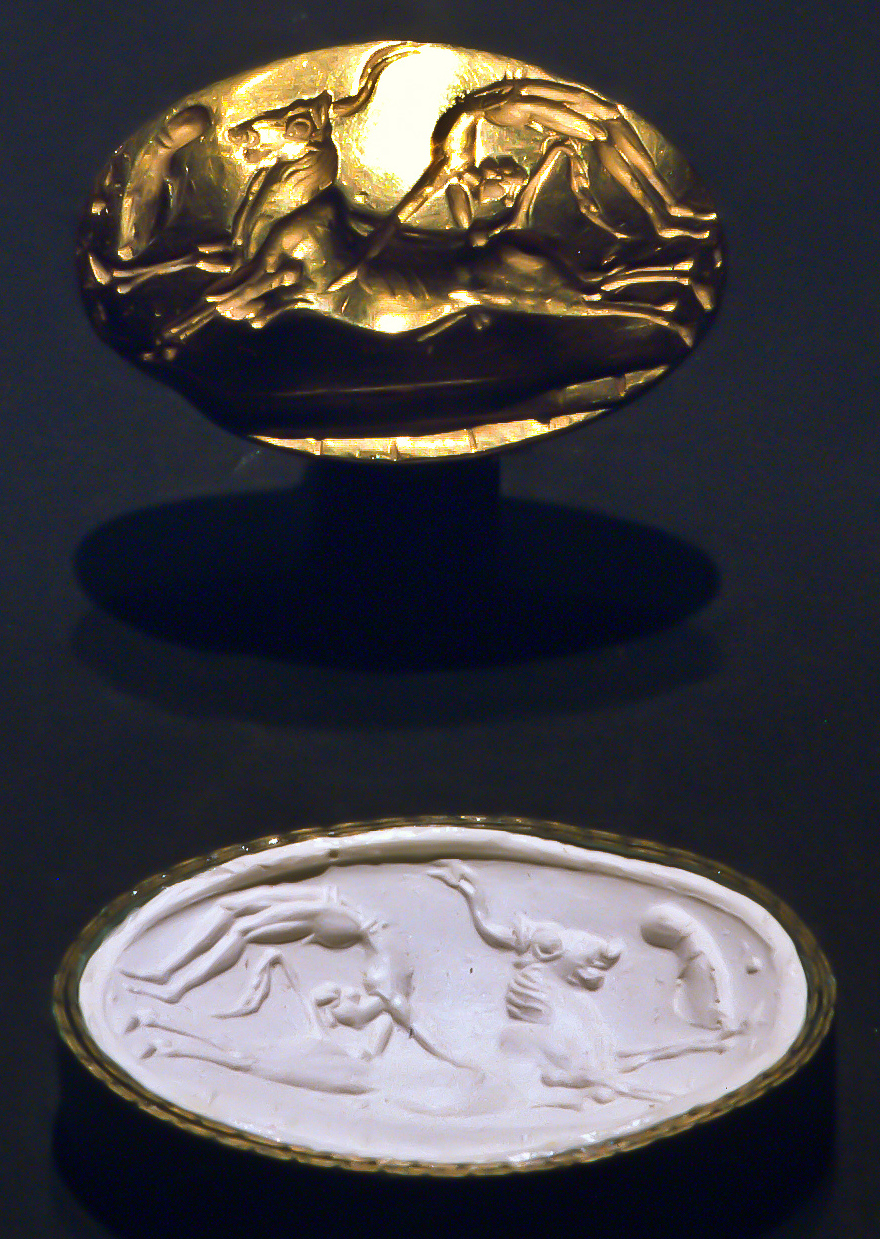 🇬🇷 GreeceMinoan sealstones
Carved gemstones and amulets from Bronze Age Crete used for identification and ritualCharm · Protection · Power and authority Historical
🇫🇷 France and 1 moreDames Blanches
Spectral women in French folklore who demand dances or warn of dangerBeing · Cursing and harm · Protection Legendary
🇬🇷 GreeceSoterΣωτήρ
A Greek daimon of safety and deliverance from harmBeing · Protection · Speaking with spirits and the dead Legendary
🇬🇷 GreeceMinoan sealstones
Carved gemstones and amulets from Bronze Age Crete used for identification and ritualCharm · Protection · Power and authority Historical
🇫🇷 France and 1 moreDames Blanches
Spectral women in French folklore who demand dances or warn of dangerBeing · Cursing and harm · Protection Legendary
🇬🇷 GreeceSoterΣωτήρ
A Greek daimon of safety and deliverance from harmBeing · Protection · Speaking with spirits and the dead Legendary
 🇬🇧 United KingdomFairy FlagA' Bhratach Shìth
A tattered silk heirloom of Clan MacLeod, said to hold fairy magic and ancient power.Charm · Protection · Luck and prosperity Historical
🇬🇧 United KingdomFairy FlagA' Bhratach Shìth
A tattered silk heirloom of Clan MacLeod, said to hold fairy magic and ancient power.Charm · Protection · Luck and prosperity Historical
 🇷🇺 Russia and 5 moreVelesВелес
A Slavic chthonic deity of cattle, the underworld, and oathsBeing · Protection · Luck and prosperity Historical
🇷🇺 Russia and 5 moreVelesВелес
A Slavic chthonic deity of cattle, the underworld, and oathsBeing · Protection · Luck and prosperity Historical
 🇷🇺 Russia and 2 moreBesomвеник
A twig broom used for sweeping, folk magic, and fire responseCharm · Protection · Wonder and entertainment Living
🇷🇺 Russia and 2 moreBesomвеник
A twig broom used for sweeping, folk magic, and fire responseCharm · Protection · Wonder and entertainment Living
 🇵🇹 PortugalAngel of PortugalAnjo de Portugal
A guardian spirit of Portugal, celebrated on June 10 and linked to the Fátima visions.Being · Protection · Speaking with spirits and the dead Living
🇵🇹 PortugalAngel of PortugalAnjo de Portugal
A guardian spirit of Portugal, celebrated on June 10 and linked to the Fátima visions.Being · Protection · Speaking with spirits and the dead Living
 🇬🇷 GreeceDaimonδαίμων
A Greek spirit or divine force that mediates between gods and humansBeing · Protection · Speaking with spirits and the dead Historical
🇬🇷 GreeceDaimonδαίμων
A Greek spirit or divine force that mediates between gods and humansBeing · Protection · Speaking with spirits and the dead Historical
 🇦🇹 Austria and 3 moreSalige Frau
A blissful Alpine spirit who guides farmers and guards mountain gameFigure · Protection · Healing Legendary
🇦🇹 Austria and 3 moreSalige Frau
A blissful Alpine spirit who guides farmers and guards mountain gameFigure · Protection · Healing Legendary
 🇬🇷 GreeceMeilichiosΜειλίχιος
An ancient Greek chthonic spirit linked to Zeus and appeased through fire offerings.Being · Protection · Cursing and harm Historical
🇬🇷 GreeceMeilichiosΜειλίχιος
An ancient Greek chthonic spirit linked to Zeus and appeased through fire offerings.Being · Protection · Cursing and harm Historical
 🇮🇳 India and 5 moreSailors' superstitions
A global collection of omens, charms and taboos used by mariners to manage the risks of life at seaBelief · Protection · Luck and prosperity Living
🇮🇳 India and 5 moreSailors' superstitions
A global collection of omens, charms and taboos used by mariners to manage the risks of life at seaBelief · Protection · Luck and prosperity Living
 🇫🇷 France and 1 moreGargoylegargouille
A carved stone waterspout shaped like a creature, used on Gothic buildings to shed rainwaterCharm · Protection · Wonder and entertainment Historical
🇫🇷 France and 1 moreGargoylegargouille
A carved stone waterspout shaped like a creature, used on Gothic buildings to shed rainwaterCharm · Protection · Wonder and entertainment Historical
 🇸🇪 SwedenSaleby Runestone
A Swedish memorial stone raised by a husband for his wife, featuring an ancient curse.Text · Protection Historical
🇸🇪 SwedenSaleby Runestone
A Swedish memorial stone raised by a husband for his wife, featuring an ancient curse.Text · Protection Historical
 🇪🇸 SpainIndalo
A Bronze Age pictograph used as a protective house charm and lucky symbol in Almería, SpainCharm · Protection · Luck and prosperity Living
🇮🇪 IrelandLatoon fairy bush
A whitethorn tree in County Clare saved from a motorway by folkloric warnings of misfortuneBelief · Protection Living
🇪🇸 SpainIndalo
A Bronze Age pictograph used as a protective house charm and lucky symbol in Almería, SpainCharm · Protection · Luck and prosperity Living
🇮🇪 IrelandLatoon fairy bush
A whitethorn tree in County Clare saved from a motorway by folkloric warnings of misfortuneBelief · Protection Living
 🇬🇧 United Kingdom and 1 moreDried cat
A dried feline body hidden in walls to protect a home from harmCharm · Protection · Luck and prosperity Historical
🇬🇧 United Kingdom and 1 moreDried cat
A dried feline body hidden in walls to protect a home from harmCharm · Protection · Luck and prosperity Historical
 🇫🇷 FrancePetit AlbertSecrets merveilleux de la magie naturelle et cabalistique du petit Albert
An 18th-century French grimoire of natural and cabalistic magic sold to rural householdsText · Protection · Luck and prosperity Historical
🇫🇮 Finland and 1 moreFrog coffin
A Finnish folk magic burial of a frog in a tiny coffin to steal luck or reflect harmRite · Protection · Cursing and harm Historical
🇬🇧 United KingdomLazy Laurence
A mischievous English pixie who makes orchard workers lazy and gives them indigestionBeing · Protection · Cursing and harm Historical
🇫🇷 FrancePetit AlbertSecrets merveilleux de la magie naturelle et cabalistique du petit Albert
An 18th-century French grimoire of natural and cabalistic magic sold to rural householdsText · Protection · Luck and prosperity Historical
🇫🇮 Finland and 1 moreFrog coffin
A Finnish folk magic burial of a frog in a tiny coffin to steal luck or reflect harmRite · Protection · Cursing and harm Historical
🇬🇧 United KingdomLazy Laurence
A mischievous English pixie who makes orchard workers lazy and gives them indigestionBeing · Protection · Cursing and harm Historical
 🇷🇸 Serbia and 2 moreBibiBibijako Dive
A Romani holiday honoring a protective aunt figure for family and children's healthRite · Protection · Healing Living
🇷🇸 Serbia and 2 moreBibiBibijako Dive
A Romani holiday honoring a protective aunt figure for family and children's healthRite · Protection · Healing Living
 🇬🇧 United Kingdom and 5 moreWedding superstitions
Folk beliefs and omens tied to marriage customs across many culturesBelief · Protection · Luck and prosperity Living
🇷🇴 RomaniaMuma Pădurii
A forest spirit in Romania who protects nature and punishes those who harm itBeing · Protection · Cursing and harm Legendary
🇬🇧 United Kingdom and 5 moreWedding superstitions
Folk beliefs and omens tied to marriage customs across many culturesBelief · Protection · Luck and prosperity Living
🇷🇴 RomaniaMuma Pădurii
A forest spirit in Romania who protects nature and punishes those who harm itBeing · Protection · Cursing and harm Legendary
Photo credits on this page
The small pictures above come from Wikimedia Commons under free licences. Some are cropped to fit.
- Śuri: Marie-Lan Nguyen, Public domain, source
- Grógaldr: W.G. Collingwood (1854 - 1932), Public domain, source
- Huldra: Bernard Evans Ward, Public domain, source
- Palladium: Marie-Lan Nguyen ( Jastrow ), Public domain, source
- Klabautermann: Anton von Werner, Public domain, source
- Karzełek: Krystian Hasterok, CC BY 2.5, source
- Tietäjä: Robert Wilhelm Ekman, Public domain, source
- Drude: Ramessos, Public domain, source
- Daimon: François-André Vincent, Public domain, source
- Salige Frau: various, Public domain, source
- Meilichios: Mark Landon, CC BY 4.0, source
- Sailors' superstitions: Siren Painter (eponymous vase), Public domain, source
- Gargoyle: Bernard Gagnon, CC BY-SA 4.0, source
- Saleby Runestone: Berig, CC BY-SA 3.0, source
- Petit Albert: Albertus Parvus Lucius, CC BY-SA 4.0, source
- Minoan sealstones: Andree Stephan, CC BY 3.0, source
- Dried cat: The Voice of Hassocks, CC0, source
- Fairy Flag: Otter, CC BY-SA 3.0, source
- Veles: Andrey Shishkin, CC BY 3.0, source
- Besom: https://en.wikipedia.org/wiki/David_Cox_(artist), Public domain, source
- Indalo: Ismael Olea, Public domain, source
- Wedding superstitions: Anonymous Unknown author, Public domain, source
- Angel of Portugal: Daderot, Public domain, source
- Bibi: Andrija12345678, CC BY-SA 4.0, source