Soter
In its own language: Σωτήρ
from Ancient Greek Σωτήρ (Sōtēr), meaning 'saviour' or 'deliverer'
A Greek daimon of safety and deliverance from harm
In Greek mythology, Soter is the spirit or daimon representing safety, preservation, and rescue from danger. He appears in ancient texts as a divine figure linked to Zeus and household protection.
- Soter means 'saviour' in Ancient Greek
- He is a daimon of safety and deliverance
- Suda lists him as husband of Praxidike
- Orphic hymns identify him with Zeus
- Soteria had a sanctuary in Patrae
What it is
Soter is a figure from Greek mythology described as a daimon, or spirit, of safety and deliverance. The name translates directly to saviour or one who rescues. He represents the abstract idea of being preserved from harm. In some accounts, he is linked to Soteria, the personification of salvation itself, who had a sanctuary in Patrae founded by Eurypylos of Thessaly. Soter is not a major Olympian god but a specific aspect of divine protection.
Where it comes from
The concept of Soter appears in various ancient sources with differing family trees. The Suda encyclopedia lists him as the brother and husband of Praxidike, with whom he fathered Ktesios, Arete, and Homonoia. Mnaseas also records this lineage, noting their children were called Praxidikai after their mother. In Orphic tradition, Soter is identified with Zeus, while his wife Praxidike becomes Persephone. Aeschylus offers another version where Soter marries Peitharchia and fathers Eupraxia, linking him to obedience and success.
Soter, drawn and placed
- Living
- Revived
- Fading
- Historical
- Legendary
- Performed
- Lineage
- Greek mythology
What it is for
Soter is invoked for safety and rescue. In Aeschylus's account, he is associated with Eupraxia, or success, which is born from Peitharchia, or obedience. The text suggests that invoking these figures helps raise the helpless from misery, even during storms. His role is to provide deliverance when circumstances are harsh, acting as a protective force alongside the supreme power of Zeus.
Who does it
Scholars study Soter through ancient texts like the Suda, Orphic Hymns, and works by Aeschylus. He is understood as a mythological construct rather than an active deity in modern worship. Researchers analyze how different authors assigned him different roles within the Greek pantheon.
Peoples and places
Soter belongs to ancient Greek culture. The variations in his identity across different authors show how Greek mythology adapted figures to fit specific theological or literary needs. The name was also used as a cult title for Zeus, indicating a broader cultural association with salvation.
At a glance: who, where and when
Peoples
What people believe
In Greek belief, daimones were spiritual forces that influenced human life. Soter represents the positive aspect of divine intervention. The Orphic hymns link him to Zeus and identify his daughters with the Erinyes, connecting safety to justice and retribution. The Suda presents him as part of a family of abstract virtues, suggesting that safety is tied to concord and virtue.
How scholars and sceptics see it
Anthropologists and historians examine Soter to understand how the Greeks conceptualized safety. The Suda and Mnaseas provide genealogical details that link him to household gods like Ktesios. Scholars note that identifying Soter with Zeus in Orphic texts elevates his status. Aeschylus uses the figure to emphasize the supremacy of Zeus over other protective forces.
Compare and confuse
Soter is closely related to Soteria, the personification of salvation. He is also connected to Ktesios, a household protector, who appears as his son in some texts but is also a title for Zeus. Praxidike, his wife, is linked to justice and sometimes identified with Persephone. These connections show how Greek mythology blended different aspects of protection and justice into single figures.
Questions people ask about Soter
What does the name Soter mean?
The name comes from the Ancient Greek word Σωτήρ, which translates directly to 'saviour' or 'deliverer'. It refers to one who rescues or preserves.
Who is Soter in Greek mythology?
Soter is a daimon, or spirit, representing safety and preservation. He is a figure of deliverance from harm, often linked to Zeus and household protection in ancient texts.
Where was Soter worshipped?
While Soter himself is a mythological figure, his female counterpart Soteria had a sanctuary in Patrae, Greece. This site was believed to be founded by Eurypylos of Thessaly.
Is Soter the same as Zeus?
In Orphic tradition, Soter is identified with Zeus. However, in other accounts like the Suda, he is a separate daimon, the brother and husband of Praxidike.
Good reading and sources
The facts on this page come from the Wikipedia article "Soter (daimon)", written by its contributors and used under the CC BY-SA 4.0 licence, and from its Wikidata record (CC0). EveryJaadu rewrote the text in its own words, with AI assistance, and compares every page with the article to make sure no passage is copied. It may be reused under the same CC BY-SA 4.0 licence with a link back.
It may contain mistakes. Names and customs differ from one community to the next, and some knowledge is closed to outsiders and left out here. This page describes belief and practice. It does not say that any of it works, it is not a how-to, and it is not medical advice. If something is wrong, tell us. Last refreshed 2026-10-07.
More from Greece
All the entries from Greece 🇷🇸 Serbia and 5 moreVampire
An undead creature from folklore that feeds on the blood or life force of the livingBeing · Cursing and harm · Luck and prosperity Legendary
🇷🇸 Serbia and 5 moreVampire
An undead creature from folklore that feeds on the blood or life force of the livingBeing · Cursing and harm · Luck and prosperity Legendary
 🇬🇷 GreeceTriple Goddess
A Neopagan deity representing three female life stages and lunar phasesBeing · Power and authority Living
🇬🇷 GreeceTriple Goddess
A Neopagan deity representing three female life stages and lunar phasesBeing · Power and authority Living
 🇬🇷 GreeceCirceΚίρκη
A Greek goddess and witch known for turning men into beasts with her potionsBeing · Cursing and harm · Love and attraction Legendary
🇬🇷 GreeceCirceΚίρκη
A Greek goddess and witch known for turning men into beasts with her potionsBeing · Cursing and harm · Love and attraction Legendary
 🇬🇷 Greece and 3 moreHellhound
A mythological canine that guards the underworld or serves demonic forces across global folkloreBeing · Protection · Cursing and harm Legendary
🇬🇷 Greece and 3 moreHellhound
A mythological canine that guards the underworld or serves demonic forces across global folkloreBeing · Protection · Cursing and harm Legendary
Related elsewhere
All being 🇸🇳 Senegal and 1 moreSerer religionA ƭat Roog
The traditional faith of the Serer people, centred on the supreme deity Roog and ancestral veneration.Tradition · Protection · Speaking with spirits and the dead Living
🇸🇳 Senegal and 1 moreSerer religionA ƭat Roog
The traditional faith of the Serer people, centred on the supreme deity Roog and ancestral veneration.Tradition · Protection · Speaking with spirits and the dead Living
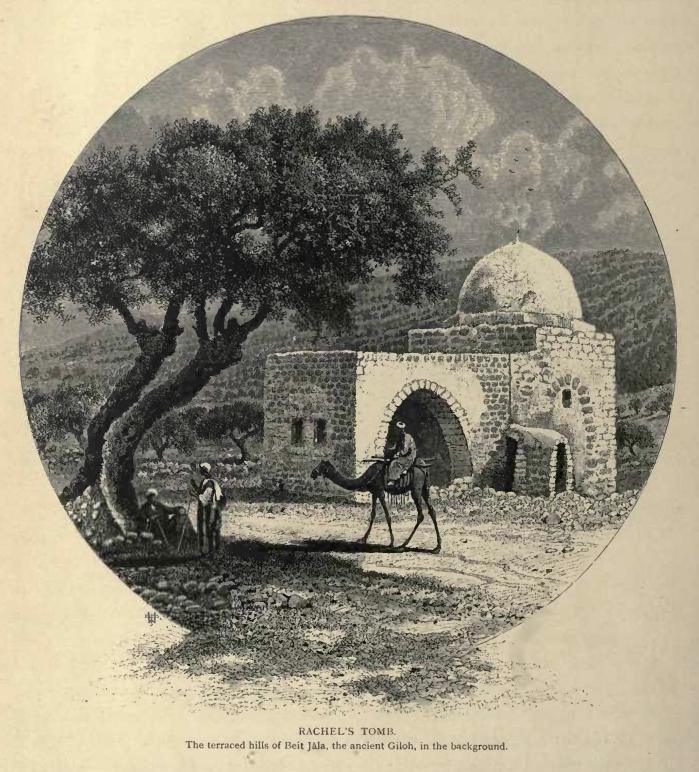 🇵🇸 Palestine and 1 moreRachel's TombQever Raḥel; Qabr Rāḥīl
A shared holy site near Bethlehem revered by Jews, Christians, and MuslimsTradition · Speaking with spirits and the dead · Protection Living
🇨🇳 China and 4 moreKitchen God灶君
The Chinese hearth deity who reports domestic conduct to the Jade EmperorBeing · Protection · Luck and prosperity Living
🇵🇸 Palestine and 1 moreRachel's TombQever Raḥel; Qabr Rāḥīl
A shared holy site near Bethlehem revered by Jews, Christians, and MuslimsTradition · Speaking with spirits and the dead · Protection Living
🇨🇳 China and 4 moreKitchen God灶君
The Chinese hearth deity who reports domestic conduct to the Jade EmperorBeing · Protection · Luck and prosperity Living
 🇰🇪 Kenya and 1 moreMaasai religion
The spiritual beliefs of the semi-nomadic Maasai people of East AfricaTradition · Protection · Healing Living
🇰🇪 Kenya and 1 moreMaasai religion
The spiritual beliefs of the semi-nomadic Maasai people of East AfricaTradition · Protection · Healing Living