Protection
Warding off the evil eye, spirits, illness and bad luck: amulets, wards and thresholds.
Protection is the most widespread aim of magic. People hang, wear, bury, burn and recite things to keep out the evil eye, harmful spirits, illness and bad luck. The blue nazar, the hamsa, the horseshoe, the red thread, the Japanese omamori and the Ethiopian protective scroll all serve it. This page covers what is guarded, who is thought to need guarding, and how different societies see the practice. It is a good place to start with the subject.
What is guarded
The most guarded are the vulnerable and the valued: newborns, brides, pregnant women, livestock, new houses and travellers. Doorways, windows and crossroads get special care, since they are where inside meets outside. Practices include hanging a lemon and chillies in India, a horseshoe in Britain and Ireland, an eye-bead in Turkey, a mezuzah on Jewish doorposts and a spirit house in Thailand. Beyond doors, people protect journeys, wells, boats and herds, and the guarded thing is usually whatever the family can least afford to lose.
Against what
The danger named varies. In the Middle East and Mediterranean it is the evil eye, a harm said to come from envy or praise. In sub-Saharan Africa it is often witchcraft or a rival's sorcery. In Europe it was witches, fairies and the devil, and in East Asia hungry ghosts and ill-fortune. Protective practice therefore tells a researcher what a community fears and who it suspects. Some marks are drawn in chalk, paint or henna and renewed each year, and others are made once and left to fade.
Faith and the objects
Religions deal with protective objects in different ways. Many Muslim scholars accept verses of the Quran recited for protection and disapprove of beads or knots believed to work by themselves. Catholic Christians use blessed medals, holy water and the sign of the cross. Sikhism rejects talismans, while Buddhist monks bless protective threads and tattoos in Thailand and Cambodia. Official teaching often differs from practice in the village, where one household may wear a charm quietly and say a prayer at the same time.
Scholars and the market
Psychologists suggest protective objects ease anxiety and give a sense of control. Sceptics note that no test has shown them to prevent harm. Commerce is large: charms are mass-produced, and some sellers charge heavily for items promised to ward off disaster. Anyone in real danger or illness should turn to practical help first. Believers usually say the protection is a matter of trust and care, and many say the object matters less than the intention and the community that stands behind it.
Protection on EveryJaadu
The entries written up so far, best known first.
 🇮🇳 India and 5 moreAsian witchcraft
A broad overview of magical practices and persecution across Asian culturesTradition · Cursing and harm · Protection Living
🇮🇳 India and 5 moreAsian witchcraft
A broad overview of magical practices and persecution across Asian culturesTradition · Cursing and harm · Protection Living
 🇹🇳 TunisiaStambeli
A Tunisian music and possession rite practiced by Black communities of slave descentTradition · Healing · Protection Living
🇹🇳 TunisiaStambeli
A Tunisian music and possession rite practiced by Black communities of slave descentTradition · Healing · Protection Living
 🇷🇺 RussiaReindeer in Siberian shamanism
The role of reindeer as spirit helpers, ritual tools, and burial vehicles in the shamanic traditions of Northern AsiaTradition · Healing · Speaking with spirits and the dead Living
🇷🇺 RussiaReindeer in Siberian shamanism
The role of reindeer as spirit helpers, ritual tools, and burial vehicles in the shamanic traditions of Northern AsiaTradition · Healing · Speaking with spirits and the dead Living
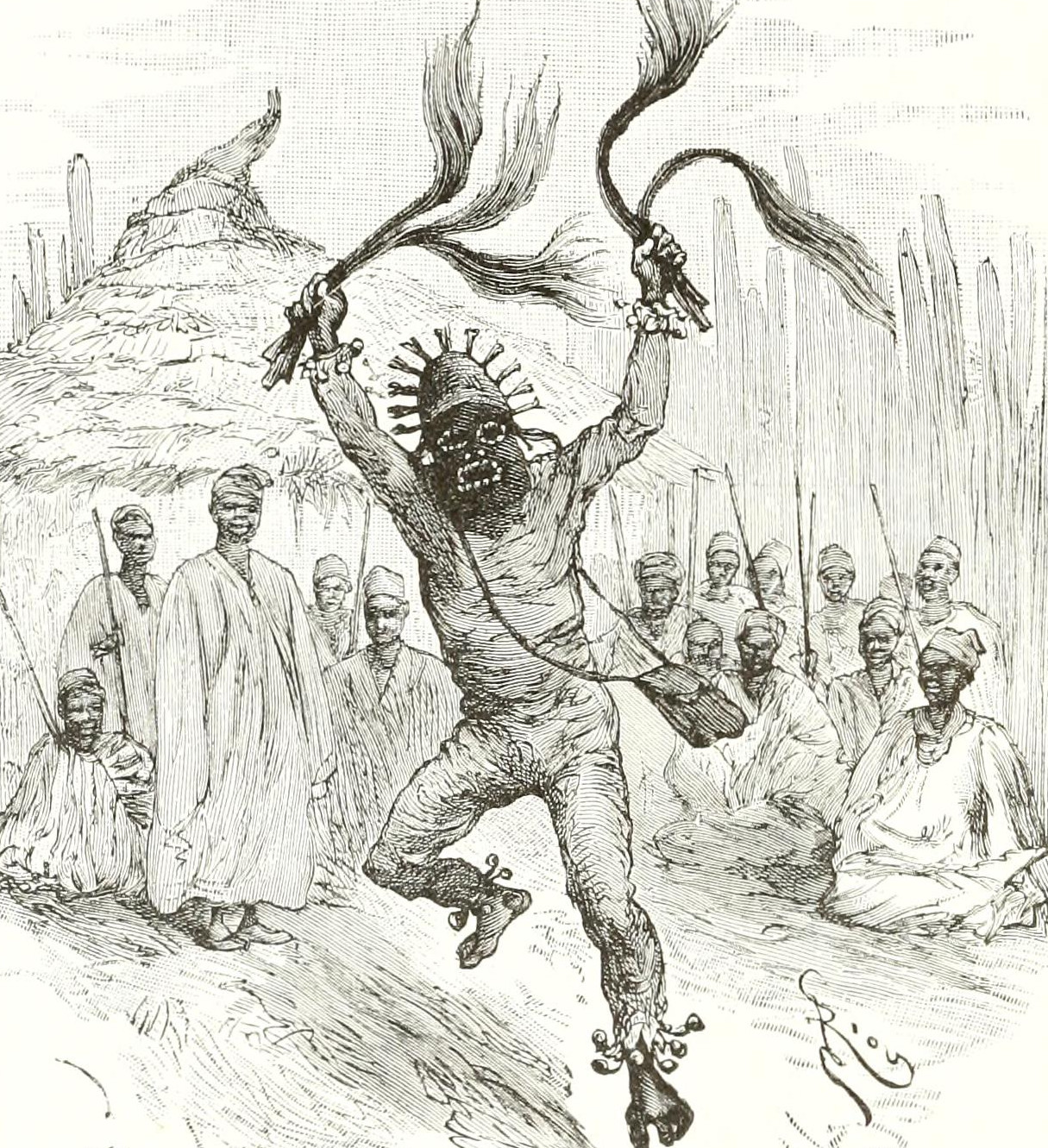 🇩🇴 Dominican Republic and 1 moreDominican VudúVudú Dominicano
A syncretic Afro-Caribbean religion on Hispaniola with its own spirit lineages and titles.Tradition · Protection · Love and attraction Living
🇩🇴 Dominican Republic and 1 moreDominican VudúVudú Dominicano
A syncretic Afro-Caribbean religion on Hispaniola with its own spirit lineages and titles.Tradition · Protection · Love and attraction Living
 🇹🇹 Trinidad and Tobago and 4 moreTrinidad Orisha
A syncretic Afro-Caribbean faith blending Yoruba spirit work with Christian and other traditions in Trinidad.Tradition · Speaking with spirits and the dead · Healing Living
🇹🇹 Trinidad and Tobago and 4 moreTrinidad Orisha
A syncretic Afro-Caribbean faith blending Yoruba spirit work with Christian and other traditions in Trinidad.Tradition · Speaking with spirits and the dead · Healing Living
 🇬🇧 United Kingdom and 1 moreNeopagan witchcraft
Modern pagan traditions that practice magic and draw on historical witch beliefs.Tradition · Protection · Healing Living
🇬🇧 United Kingdom and 1 moreNeopagan witchcraft
Modern pagan traditions that practice magic and draw on historical witch beliefs.Tradition · Protection · Healing Living
 🇨🇺 Cuba and 1 moreHaitian Vodou in CubaVodú Haitiano
A Caribbean religious tradition brought by migrants and maintained in eastern CubaTradition · Speaking with spirits and the dead · Protection Living
🇨🇺 Cuba and 1 moreHaitian Vodou in CubaVodú Haitiano
A Caribbean religious tradition brought by migrants and maintained in eastern CubaTradition · Speaking with spirits and the dead · Protection Living
 🇨🇳 China and 1 moreFalun Gong法轮功
A Chinese cultivation practice blending meditative exercises with moral principlesTradition · Healing · Protection Living
🇨🇳 China and 1 moreFalun Gong法轮功
A Chinese cultivation practice blending meditative exercises with moral principlesTradition · Healing · Protection Living
 🇷🇺 Russia and 5 moreRinging Cedars' Anastasianismдвижение «Анастасия»
A Russian new religious movement based on books about a Siberian mystic and nature worshipTradition · Protection · Speaking with spirits and the dead Living
🇷🇺 Russia and 5 moreRinging Cedars' Anastasianismдвижение «Анастасия»
A Russian new religious movement based on books about a Siberian mystic and nature worshipTradition · Protection · Speaking with spirits and the dead Living
 🇬🇧 United Kingdom and 2 moreAetherius Society
A new religious movement blending theosophy, UFO claims, and spiritual healing to aid humanity.Tradition · Protection · Healing Living
🇬🇧 United Kingdom and 2 moreAetherius Society
A new religious movement blending theosophy, UFO claims, and spiritual healing to aid humanity.Tradition · Protection · Healing Living
 🇨🇳 China and 1 moreNuo folk religion傩 (Nuó)
A Chinese exorcistic tradition using wooden masks and ancestor worship to drive away malevolent forcesTradition · Protection · Speaking with spirits and the dead Living
🇨🇳 China and 1 moreNuo folk religion傩 (Nuó)
A Chinese exorcistic tradition using wooden masks and ancestor worship to drive away malevolent forcesTradition · Protection · Speaking with spirits and the dead Living
 🇰🇪 Kenya and 5 moreLegio Maria
A Kenyan church blending Catholic rites with beliefs in a Black Christ and visionary apparitionsTradition · Protection · Healing Living
🇷🇺 Russia and 3 moreYehowistsильинцы
A Russian Spiritual Christian group founded by Nikolai Ilyin in the 1840sTradition · Protection · Speaking with spirits and the dead Living
🇰🇪 Kenya and 5 moreLegio Maria
A Kenyan church blending Catholic rites with beliefs in a Black Christ and visionary apparitionsTradition · Protection · Healing Living
🇷🇺 Russia and 3 moreYehowistsильинцы
A Russian Spiritual Christian group founded by Nikolai Ilyin in the 1840sTradition · Protection · Speaking with spirits and the dead Living
 🇨🇳 ChinaBenzhuism本主教
The indigenous patron worship of the Bai people in Yunnan, ChinaTradition · Protection · Healing Living
🇨🇳 ChinaBenzhuism本主教
The indigenous patron worship of the Bai people in Yunnan, ChinaTradition · Protection · Healing Living
 🇮🇷 Iran and 2 moreSuperstitions in Muslim societies
Beliefs in supernatural forces and charms found across the Islamic worldTradition · Protection · Healing Living
🇮🇷 Iran and 2 moreSuperstitions in Muslim societies
Beliefs in supernatural forces and charms found across the Islamic worldTradition · Protection · Healing Living
 🇿🇦 South Africa and 1 moreSacred caves of the Basotho
Cave networks in South Africa and Lesotho used by the Basotho for ancestral rituals and healingTradition · Healing · Protection Living
🇮🇳 IndiaTribal religions in India
Indigenous spiritual practices of India's Scheduled Tribes, often grouped under Hinduism in official records.Tradition · Speaking with spirits and the dead · Protection Living
🇿🇦 South Africa and 1 moreSacred caves of the Basotho
Cave networks in South Africa and Lesotho used by the Basotho for ancestral rituals and healingTradition · Healing · Protection Living
🇮🇳 IndiaTribal religions in India
Indigenous spiritual practices of India's Scheduled Tribes, often grouped under Hinduism in official records.Tradition · Speaking with spirits and the dead · Protection Living
 🇳🇵 Nepal and 1 moreKiratism
The indigenous animist and shamanic religion of the Kirati peoples in Nepal and IndiaTradition · Protection · Speaking with spirits and the dead Living
🇳🇵 Nepal and 1 moreKiratism
The indigenous animist and shamanic religion of the Kirati peoples in Nepal and IndiaTradition · Protection · Speaking with spirits and the dead Living
 🇭🇹 HaitiChristian-Vodou
The blending of Haitian Vodou and Roman Catholicism into a single spiritual practiceTradition · Speaking with spirits and the dead · Protection Living
🇭🇹 HaitiChristian-Vodou
The blending of Haitian Vodou and Roman Catholicism into a single spiritual practiceTradition · Speaking with spirits and the dead · Protection Living
 🇮🇳 India and 1 moreFolk practices in Punjab
Indigenous beliefs and rituals of the Punjabi people across India and PakistanTradition · Protection · Healing Living
🇷🇴 Romania and 5 moreMărțișor
A red and white string charm worn in early spring to welcome the seasonTradition · Protection · Luck and prosperity Living
🇮🇳 India and 1 moreFolk practices in Punjab
Indigenous beliefs and rituals of the Punjabi people across India and PakistanTradition · Protection · Healing Living
🇷🇴 Romania and 5 moreMărțișor
A red and white string charm worn in early spring to welcome the seasonTradition · Protection · Luck and prosperity Living
 🇲🇲 MyanmarYadayaယတြာ
Rituals in Myanmar to avert misfortune using astrology and numerologyTradition · Protection · Luck and prosperity Living
🇲🇲 MyanmarYadayaယတြာ
Rituals in Myanmar to avert misfortune using astrology and numerologyTradition · Protection · Luck and prosperity Living
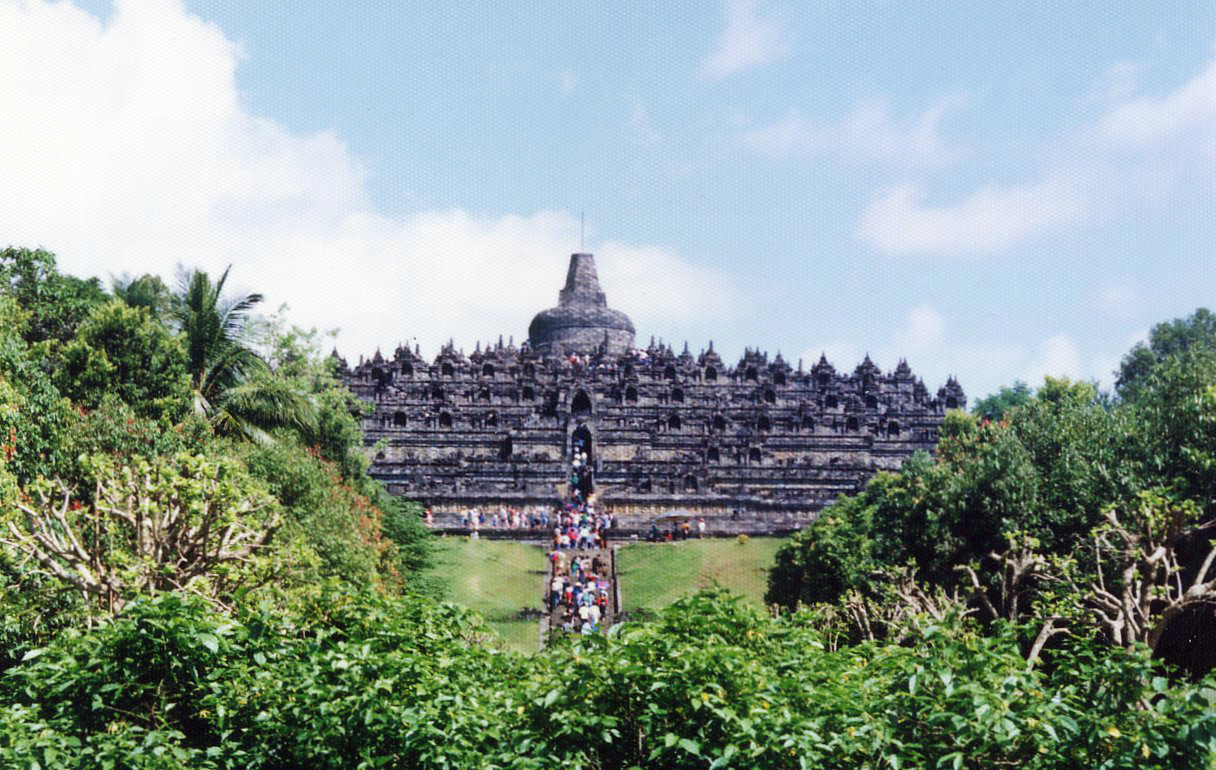 🇮🇩 IndonesiaSunda Wiwitanᮞᮥᮔ᮪ᮓ ᮝᮤᮝᮤᮒᮔ᮪
A folk religion of the Sundanese people in western Java, IndonesiaTradition · Protection · Speaking with spirits and the dead Living
🇮🇩 IndonesiaSunda Wiwitanᮞᮥᮔ᮪ᮓ ᮝᮤᮝᮤᮒᮔ᮪
A folk religion of the Sundanese people in western Java, IndonesiaTradition · Protection · Speaking with spirits and the dead Living
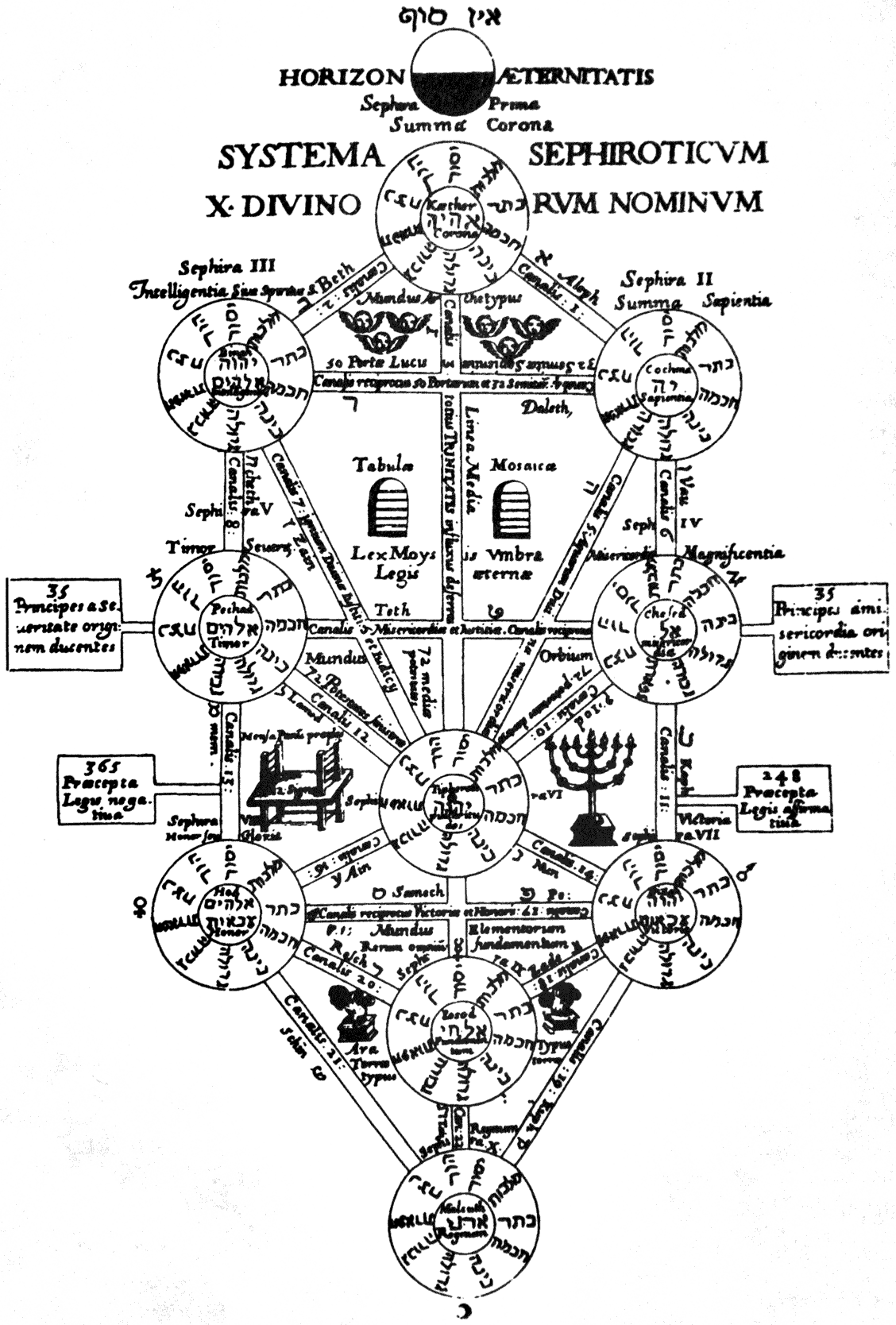 🇺🇸 United StatesChristian views on magic
A spectrum of Christian beliefs about magical practices, ranging from strict condemnation to esoteric integration.Belief · Cursing and harm · Protection Living
🇺🇸 United StatesChristian views on magic
A spectrum of Christian beliefs about magical practices, ranging from strict condemnation to esoteric integration.Belief · Cursing and harm · Protection Living
 🇮🇩 IndonesiaMarapu
Ancestral religion of Sumba and Flores in IndonesiaTradition · Speaking with spirits and the dead · Protection Living
🇮🇩 IndonesiaMarapu
Ancestral religion of Sumba and Flores in IndonesiaTradition · Speaking with spirits and the dead · Protection Living
 🇻🇳 VietnamCây nêuCây nêu (chữ Nôm: 核標)
A bamboo pole raised to keep evil spirits away during the Lunar New Year in VietnamTradition · Protection Living
🇻🇳 VietnamCây nêuCây nêu (chữ Nôm: 核標)
A bamboo pole raised to keep evil spirits away during the Lunar New Year in VietnamTradition · Protection Living
 🇲🇿 Mozambique and 1 moreNdau witchcraft and sorcery
A system of spirit belief and traditional healing among the Ndau people of Mozambique and ZimbabweTradition · Healing · Protection Living
🇲🇿 Mozambique and 1 moreNdau witchcraft and sorcery
A system of spirit belief and traditional healing among the Ndau people of Mozambique and ZimbabweTradition · Healing · Protection Living
 🇨🇳 China and 3 moreFengshui woodland風水林
A protected grove in East Asia believed to shape the local environment and bring luck to nearby communities.Tradition · Protection · Luck and prosperity Living
🇨🇳 China and 3 moreFengshui woodland風水林
A protected grove in East Asia believed to shape the local environment and bring luck to nearby communities.Tradition · Protection · Luck and prosperity Living
 🇮🇳 India and 1 moreRoshni Mela
A three-day fair of earthen lamps and prayers held at a Sufi shrine in Punjab.Tradition · Protection · Luck and prosperity Living
🇲🇱 MaliBinouba-binu
A secret Dogon order honoring ancestors through totemic animals and ritual sacrifice in Mali.Tradition · Protection · Speaking with spirits and the dead Living
🇺🇦 Ukraine and 5 moreBullroarer
A wooden slat on a string that produces a roaring sound for ritual and communication.Tradition · Protection · Speaking with spirits and the dead Living
🇮🇳 India and 1 moreRoshni Mela
A three-day fair of earthen lamps and prayers held at a Sufi shrine in Punjab.Tradition · Protection · Luck and prosperity Living
🇲🇱 MaliBinouba-binu
A secret Dogon order honoring ancestors through totemic animals and ritual sacrifice in Mali.Tradition · Protection · Speaking with spirits and the dead Living
🇺🇦 Ukraine and 5 moreBullroarer
A wooden slat on a string that produces a roaring sound for ritual and communication.Tradition · Protection · Speaking with spirits and the dead Living
 🇹🇼 TaiwanYin miao陰廟
Temples for wandering spirits in Taiwanese folk religionTradition · Protection · Speaking with spirits and the dead Living
🇹🇼 TaiwanYin miao陰廟
Temples for wandering spirits in Taiwanese folk religionTradition · Protection · Speaking with spirits and the dead Living
 🇲🇦 Morocco and 1 moreTweezaتويزة
A North African Sufi tradition of communal labor and mutual aidTradition · Protection · Speaking with spirits and the dead Living
🇲🇦 Morocco and 1 moreTweezaتويزة
A North African Sufi tradition of communal labor and mutual aidTradition · Protection · Speaking with spirits and the dead Living
 🇲🇽 MexicoMercado de Sonora
A Mexico City market known for herbal medicine and occult goodsTradition · Protection · Love and attraction Living
🇲🇽 MexicoMercado de Sonora
A Mexico City market known for herbal medicine and occult goodsTradition · Protection · Love and attraction Living
 🇮🇹 ItalySegnature
An Italian folk healing rite using gestures and prayers to cure illness and remove cursesRite · Healing · Protection Living
🇳🇵 Nepal and 3 moreGurung ShamanismTamu Cho
The ancient shamanic beliefs and rituals of the Gurung people in NepalTradition · Protection · Speaking with spirits and the dead Living
🇮🇹 ItalySegnature
An Italian folk healing rite using gestures and prayers to cure illness and remove cursesRite · Healing · Protection Living
🇳🇵 Nepal and 3 moreGurung ShamanismTamu Cho
The ancient shamanic beliefs and rituals of the Gurung people in NepalTradition · Protection · Speaking with spirits and the dead Living
Photo credits on this page
The small pictures above come from Wikimedia Commons under free licences. Some are cropped to fit.
- Roshni Mela: FatherofGod, CC BY-SA 4.0, source
- Sunda Wiwitan: Greenland4, Public domain, source
- Louisiana Voodoo: I cropped, original authors are Ridpath, John Clark, CC BY-SA 4.0, source
- European witchcraft: Unknown author, CC BY 4.0, source
- Egungun: Ìṣẹ̀ṣeAssembly, CC BY-SA 4.0, source
- Stambeli: Youssefbensaad, CC BY-SA 4.0, source
- Haitian Vodou in Cuba: Dr. Anthony R. Picciolo, NOAA NODC, Public domain, source
- Folk Catholicism: Calvin Hennick, for WBUR Boston, CC BY 3.0, source
- Christian views on magic: Athanasius Kircher, Public domain, source
- Kiratism: TheDreamSky ( talk ), CC BY 3.0, source
- Falun Gong: longtrekhome, CC BY 3.0, source
- Marapu: Unknown author, CC BY-SA 3.0, source
- Segnature: SeAnstapa, CC0, source
- Aetherius Society: Hjamesberglen, CC0, source
- Nuo folk religion: Wikiwikiyarou, CC BY-SA 3.0, source
- Benzhuism: G41rn8, CC BY-SA 4.0, source
- Yadaya: Thai Government, CC BY 2.0, source
- Tweeza: Demeester, CC BY-SA 3.0, source
- Legio Maria: Comondi, CC BY-SA 4.0, source
- Superstitions in Muslim societies: Unknown author, CC0, source
- Ringing Cedars' Anastasianism: Лобачев Владимир, CC BY-SA 3.0, source
- Asian witchcraft: Utagawa Kuniyoshi, Public domain, source
- Reindeer in Siberian shamanism: Unknown author, Public domain, source
- Fengshui woodland: 猫猫的日记本 (Cat's diary), CC BY-SA 3.0, source
- Yin miao: Outlookxp, CC BY-SA 4.0, source
- Ndau witchcraft and sorcery: Mycelium101, CC BY-SA 3.0, source
- Mercado de Sonora: AlejandroLinaresGarcia, CC BY-SA 4.0, source
- Sacred caves of the Basotho: JMK, CC BY-SA 3.0, source
- Folk practices in Punjab: Veer jindal, CC BY-SA 3.0, source
- Cây nêu: vi:Phạm Xuân Nguyên, CC BY-SA 3.0, source