Power and authority
Magic as kingship, priesthood and status: the sorcerer-king, the court astrologer, the rainmaker.
Magic as power and authority is the use of ritual to make or hold rank: kings with sacred duties, court astrologers, rainmakers, chiefs who are said to hold spiritual force, and priests who keep a state religion. It includes the Egyptian pharaoh, the Mongol shamans at the court of the khan, the Chinese Taoist masters, the Zulu and Shona spirit mediums, and the astrologers who advised Mughal and European rulers. This page asks how magic and politics feed each other. Where this happens, magic is less about individual wishes and more about who is allowed to speak for the unseen.
Sacred rulers
In many kingdoms the ruler was believed to hold a power linked to harvest, rain or victory. Pharaohs performed rites to keep order, and the Divine Right of kings in Europe included the royal touch, a rite by which French and English monarchs touched people with scrofula. Chinese emperors held the Mandate of Heaven, which natural omens could confirm or withdraw. The Mongol khans consulted shamans and diviners. Kings also commissioned astrologers to choose coronation dates.
Advisers and rivals
Courts employed diviners, astrologers and mages. John Dee advised Elizabeth I, and Indian and Persian kings kept court astrologers. Such advisers also faced risk: in Rome, astrologers were expelled several times, and accusations of sorcery were used to remove rivals at courts from Byzantium to Ming China. Magic offered influence to people with little formal rank. Sorcery charges were used against queens and ministers in several courts, and the fall of a favourite was often explained by a spell.
Resistance and the state
Spirit mediums have led resistance. In Zimbabwe, the spirit mediums Nehanda and Kaguvi were central to the 1896 uprising against British rule, and Nehanda was hanged in 1898. In Kenya and Tanzania, the Maji Maji rebellion of 1905 drew on a water said to protect against bullets. Colonial states responded with witchcraft ordinances, which often banned healers and protected nobody. In Africa, chiefs are often described as guardians of a land and its rain, and ruling families have held rites for the whole community.
Modern politics
Some leaders consult astrologers or healers, and political use of the occult is reported from India to Latin America. Accusations of witchcraft are used against opponents and in land disputes. Scholars read these links as part of how power is made visible and legitimate. Citizens may wish to ask who benefits when magic is used in public life. Many states now regulate healers and diviners, or use them for public health messages, which shows how much influence they still have.
Power and authority on EveryJaadu
The entries written up so far, best known first.
 🇮🇶 Iraq and 4 moreAstrology
A system of divination that links human affairs to the positions of celestial bodiesTradition · Seeing and foretelling · Luck and prosperity Living
 🇺🇸 United States and 5 moreSatanism
A modern set of beliefs using the figure of Satan as a symbol or deity.Tradition · Power and authority · Cursing and harm Living
 🇬🇧 United Kingdom and 1 moreJohn Dee
An English scholar and advisor to Elizabeth I who pursued angelic communication through scrying.Tradition · Speaking with spirits and the dead · Seeing and foretelling Historical
 🇨🇳 China and 5 moreFeng shui風水
A Chinese geomantic practice for aligning structures with cosmic energyTradition · Protection · Luck and prosperity Living
🇨🇳 China and 4 moreQimen Dunjia奇門遁甲
An ancient Chinese divination system mapping time and space for strategic decision-makingOracle · Seeing and foretelling · Power and authority Revived
 🇬🇷 Greece and 5 moreNecromancy
A form of divination that seeks to speak with the dead for hidden knowledge.Tradition · Seeing and foretelling · Power and authority Historical
🇮🇳 IndiaMuhurtamuhūrta
A Hindu unit of time used to select auspicious moments for rituals and daily practiceBelief · Power and authority · Speaking with spirits and the dead Living
🇪🇹 EthiopiaPlanetary hours
A system assigning celestial rulers to each hour of the day and weekTradition · Power and authority · Cursing and harm Historical
🇪🇬 EgyptHekaḥkꜣw
The ancient Egyptian deification of magic, medicine, and primordial creative powerBeing · Healing · Protection Historical
 🇬🇧 United Kingdom and 1 moreEnochian magic
A Renaissance system of ceremonial magic using a constructed language said to be revealed by angels.Tradition · Speaking with spirits and the dead · Power and authority Living
 🇪🇸 Spain and 5 moreAlfonso X of Castileel Sabio
A medieval king who sponsored astronomical tables and translated works on magic and astrology.Text · Power and authority · Seeing and foretelling Historical
 🇱🇻 Latvia and 1 moreLatvian mythology
A collection of myths about gods, spirits, and the afterlife from the Baltic region.Tradition · Speaking with spirits and the dead · Power and authority Living
 🇮🇳 IndiaLeft-Hand and Right-Hand Paths
Two distinct orientations in occult magic, dividing taboo-breaking from orthodoxy.Tradition · Change and initiation · Power and authority Living
 🇩🇿 Algeria and 1 moreAhmad al-Buniأحمد البوني المالكي
A medieval Sufi scholar known for works on letter mysticism and talismansText · Power and authority · Seeing and foretelling Historical
🇪🇬 Egypt and 2 moreNatural magic
A historical tradition exploring hidden forces in the physical worldTradition · Seeing and foretelling · Power and authority Historical
 🇬🇹 Guatemala and 1 moreMaya mythology
The reconstructed tales of the Maya people about gods, heroes, and the creation of the world.Tradition · Seeing and foretelling · Power and authority Historical
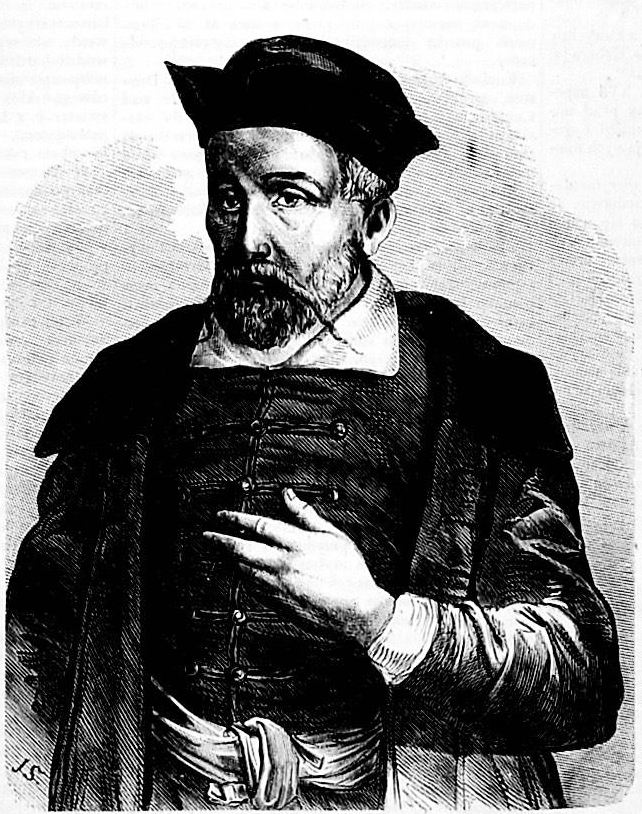 🇵🇱 Poland and 1 moreMichael SendivogiusMichał Sędziwój
A Polish alchemist who discovered oxygen and wrote on the 'food of life'Text · Power and authority · Change and initiation Historical
 🇸🇳 Senegal and 5 moreMaraboutmurābiṭ
A Muslim religious leader and teacher in West Africa, often linked to Sufi brotherhoods.Tradition · Protection · Speaking with spirits and the dead Living
 🇨🇦 Canada and 1 moreTotemdoodem
A spirit or symbol linking a group to nature, from Ojibwe clan systems to Australian kinshipBelief · Speaking with spirits and the dead · Power and authority Living
 🇲🇬 Madagascar and 4 moreGeomancy
A cross-cultural system of divination using earth, sand, and landforms to read the future or align spaces.Oracle · Seeing and foretelling · Power and authority Living
 🇳🇿 New Zealand and 5 moreFace tattoo
Marks inked on the face for spiritual protection, identity, rank, and rite of passageTradition · Protection · Power and authority Living
 🇬🇧 United KingdomHermetic Order of the Golden DawnOrdo Hermeticus Aurorae Aureae
A late-19th-century British magical order that shaped modern Western occultismTradition · Speaking with spirits and the dead · Change and initiation Historical
 🇯🇵 Japan and 1 moreKūkai空海
Founder of Shingon Buddhism who brought Vajrayana esoteric practices from China to Japan.Text · Power and authority · Protection Historical
 🇬🇧 United Kingdom and 5 moreAleister Crowley
English occultist and founder of the religion of ThelemaText · Power and authority · Change and initiation Living
 🇮🇳 India and 1 moreYoginiयोगिनी
A female master of yoga and tantra, or a fierce goddess aspect worshipped in open-air shrines.Tradition · Power and authority · Protection Historical
 🇮🇹 Italy and 3 moreRenaissance magic
A 15th and 16th century revival of magical arts blending philosophy, astrology, and hidden knowledge.Tradition · Power and authority · Seeing and foretelling Historical
 🇷🇸 Serbia and 3 moreSerbian folkloreСрпски фолклор
The folk traditions and epic poetry of the Serbs, blending pre-Christian customs with Orthodox faith.Tradition · Speaking with spirits and the dead · Power and authority Living
 🇨🇳 China and 1 moreGe Hong葛洪
A Jin dynasty scholar and alchemist who wrote key texts on Taoist immortality and early medicine.Text · Healing · Power and authority Historical
 🇷🇺 Russia and 12 moreSlavic Native FaithРодноверие
A modern polytheistic movement drawing on Slavic folklore, romanticism, and global spiritual traditions.Tradition · Speaking with spirits and the dead · Power and authority Living
 🇨🇳 ChinaChinese alchemy煉丹術 (liàndānshù)
A historical Taoist practice seeking immortality through elixirs and spiritual cultivationTradition · Healing · Power and authority Historical
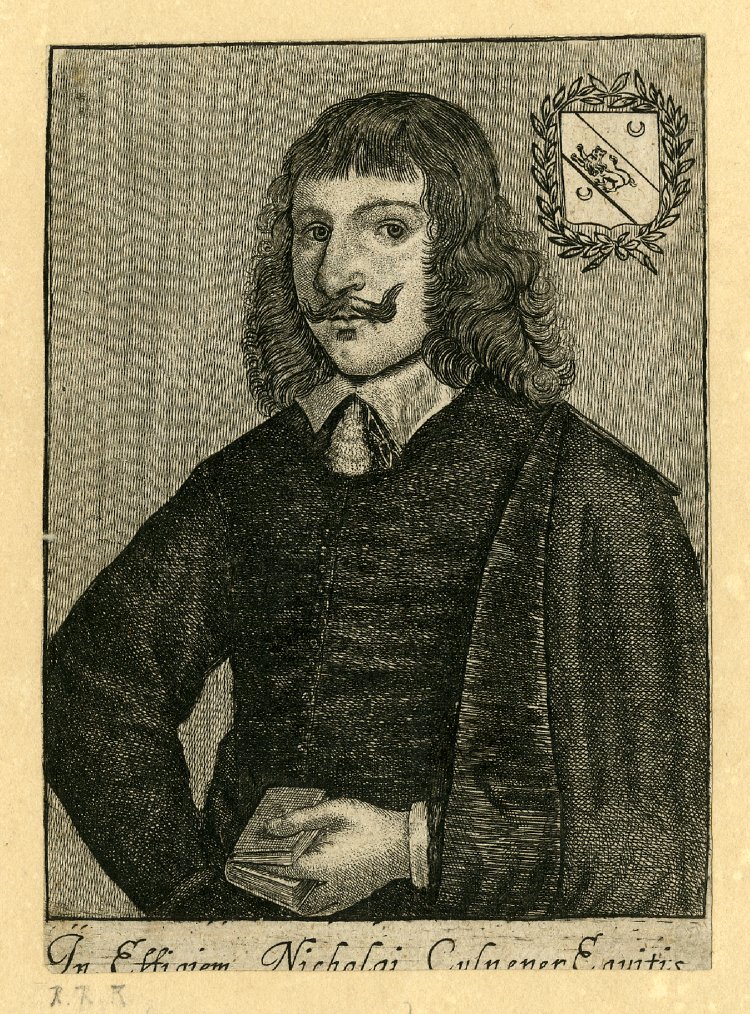 🇬🇧 United Kingdom and 1 moreNicholas Culpeper
An English herbalist and astrologer who translated medical texts into English for the poor.Text · Healing · Power and authority Historical
 🇸🇳 Senegal and 5 morePentagramπεντάγραμμον
A five-pointed star figure used across history for protection, ritual, and cosmologyCharm · Protection · Binding and oaths Living
 🇲🇲 MyanmarWeizzaဝိဇ္ဇာ
Burmese mystics who seek immortality and await the future BuddhaTradition · Protection · Healing Living
🇬🇷 GreeceAncient Greek folklore
The oral stories, music and rituals of the ancient GreeksTradition · Speaking with spirits and the dead · Power and authority Historical
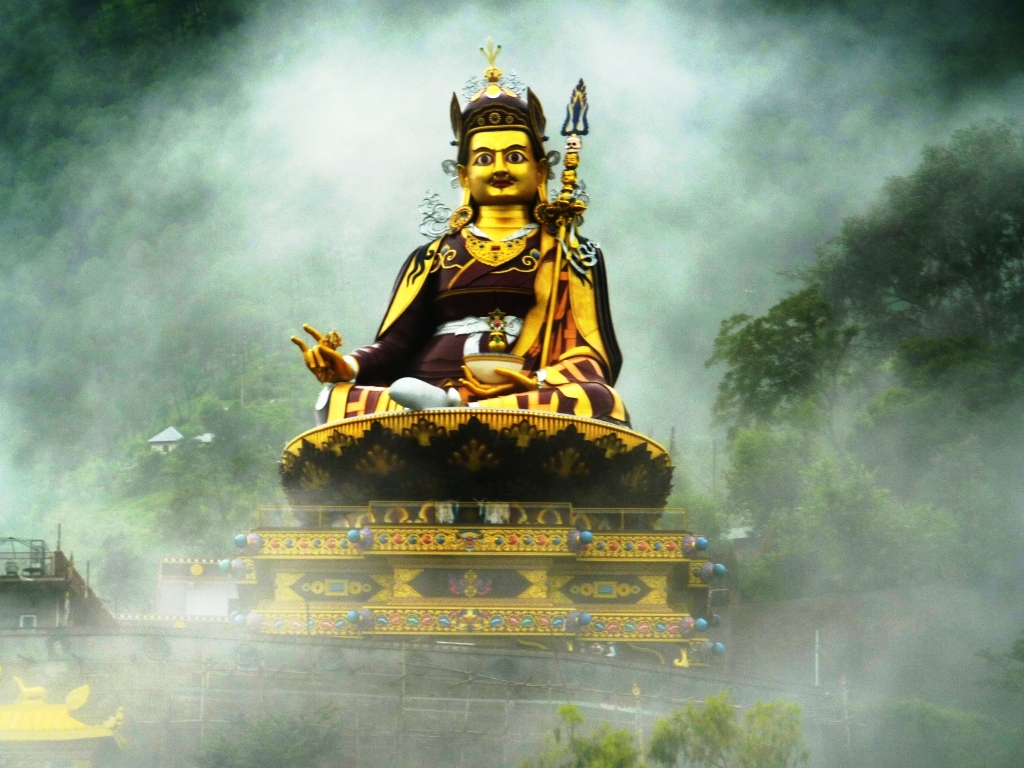 🇮🇳 India and 2 morePadmasambhavaཔདྨ་འབྱུང་གནས།
A tantric master credited with establishing Buddhism in Tibet and founding the Nyingma school.Figure · Protection · Power and authority Living
 🇩🇪 Germany and 2 moreOccultism in Nazism
The study of alleged magical links to the Nazi regime and the myths that surround themBelief · Cursing and harm · Power and authority Historical
🇮🇳 India and 1 moreNeotantraनवतन्त्र (navatantra)
A Western movement blending Tantra with modern views on sacred sexualityTradition · Love and attraction · Change and initiation Living
🇮🇷 Iran and 4 moreAstrology in the medieval Islamic worldعلم النجوم (Ilm an-Nujūm)
The study of celestial influences on earthly affairs within the medieval Islamic traditionTradition · Seeing and foretelling · Power and authority Historical
 🇮🇷 Iran and 1 moreMundane astrology
A branch of astrology that reads the horoscopes of nations and governments instead of individuals.Tradition · Seeing and foretelling · Power and authority Historical
🇮🇳 India and 1 moreNatal astrology
A chart built from birth details to map personality traits and life pathsTradition · Power and authority Living
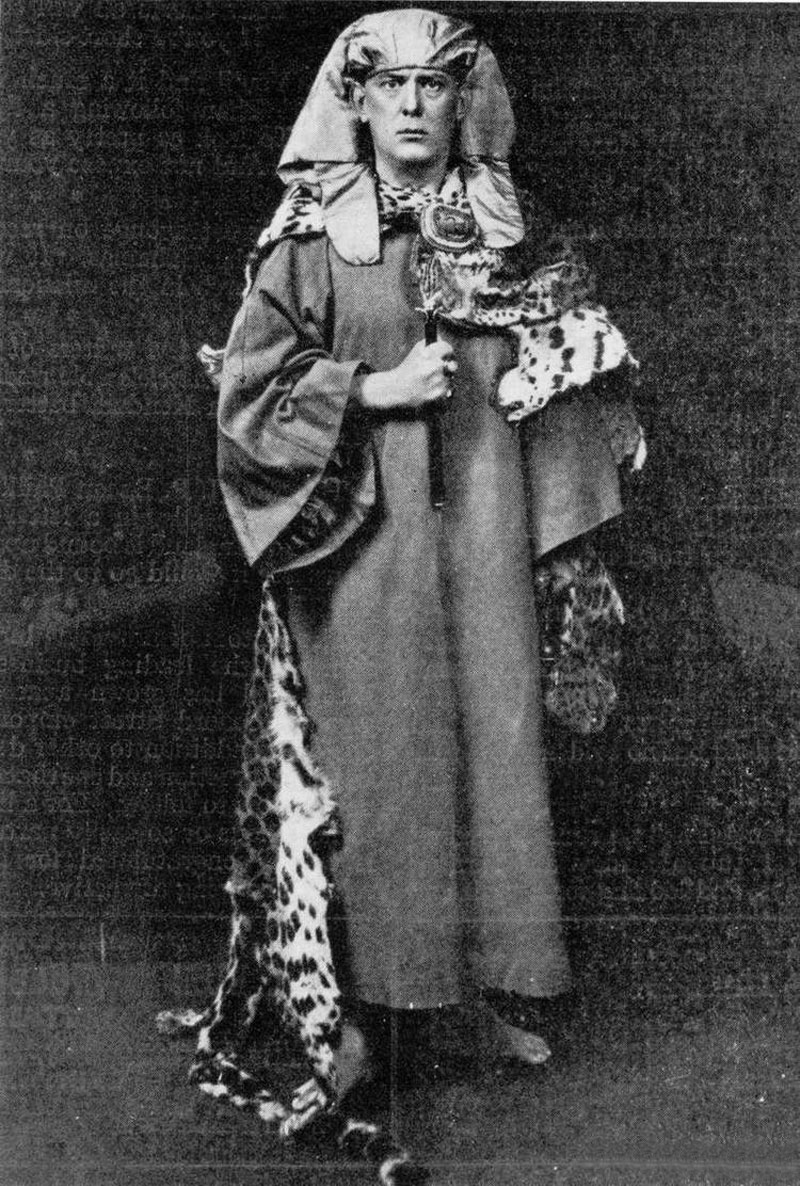 🇪🇬 Egypt and 4 moreThelema
A Western esoteric philosophy centered on discovering and following one's True WillTradition · Change and initiation · Power and authority Living
 🇮🇹 ItalyArcheosofica
A school of esoteric Christianity founded in Rome that teaches ascetic disciplines and magical theory.Tradition · Power and authority · Speaking with spirits and the dead Living
🇩🇪 Germany and 2 moreLocational astrology
A branch of astrology that maps planetary influences to specific places on Earth.Tradition · Power and authority Living
🇮🇳 India and 3 moreAstrology
A divinatory practice that links celestial positions to human affairs and earthly eventsTradition · Seeing and foretelling · Luck and prosperity Historical
 🇮🇳 IndiaVahanaवाहन
The animal or mythical creature that carries a Hindu deityTradition · Power and authority Living
 🇺🇸 United States and 1 moreNew Thought
A spiritual philosophy linking mental states to physical health and prosperityTradition · Healing · Luck and prosperity Living
🇺🇸 United States and 4 moreAMORCAntiquus Mysticusque Ordo Rosae Crucis
A US-based Rosicrucian order with global lodges and a focus on correspondence study.Tradition · Change and initiation · Power and authority Living
🇺🇸 United StatesFive-Percent Nation
A New York movement teaching that Black people are the original gods and earth of civilizationTradition · Power and authority · Speaking with spirits and the dead Living
Photo credits on this page
The small pictures above come from Wikimedia Commons under free licences. Some are cropped to fit.
- Xtabay: Unknown author, Public domain, source
- Chinese alchemy: 尹真人, Public domain, source
- Thelema: Unknown author, Public domain, source
- Theistic Satanism: Alexandre Cabanel, Public domain, source
- Feng shui: Unknown author, Public domain, source
- Necromancy: Unknown author, CC BY 4.0, source
- Hermetica: Jean-Louis Durant (1654-1718), Public domain, source
- Enochian magic: The .:X, CC BY-SA 3.0, source
- Astrology: Wilfredor, CC0, source
- Alfonso X of Castile: Otto Posse (1847-1921), Public domain, source
- Baphomet: Eliphas Levi, Public domain, source
- Latvian mythology: Dezidor, CC BY 3.0, source
- Ahmad al-Buni: Khalili Collections, CC BY-SA 3.0 igo, source
- Natural magic: Unidentified painter, Public domain, source
- Vahana: Unknown Nepali, Public domain, source
- Michael Sendivogius: Łuszczkiewicz, Public domain, source
- Marabout: Jan Broekhuijse, CC BY-SA 3.0, source
- Totem: Jami430, CC BY-SA 4.0, source
- Geomancy: Jacopo188, CC BY-SA 3.0, source
- Face tattoo: Gottfried Lindauer, Public domain, source
- Kūkai: Unknown author, CC BY 4.0, source
- Aleister Crowley: Aleister Crowley, Public domain, source
- Yogini: Soumendra Barik, CC BY-SA 3.0, source
- Renaissance magic: Unknown author, Public domain, source
- Mundane astrology: Andreas Cellarius, Public domain, source
- Serbian folklore: Uroš Predić, Public domain, source
- Ge Hong: Hannah, Public domain, source
- Slavic Native Faith: Union of Slavic Rodnover Communities (Союз Славянских Общин Славянской, CC BY-SA 4.0, source
- Archeosofica: Unknown author, Public domain, source
- Occultism in Nazism: Peretz Kaminsky, Public domain, source
- Nicholas Culpeper: Richard Gaywood, Public domain, source
- Pentagram: Tomruen, Attribution, source
- Weizza: YashiWong, CC BY-SA 3.0, source
- New Thought: Nyttend, Public domain, source
- Padmasambhava: John Hill, CC BY-SA 3.0, source