Healing
Folk and spiritual healing, said as tradition and never as medical advice.
Traditional healing joins remedy, ritual and relationship. Healers of many kinds are said to treat the body, the family and the spirit together: the curandero in Mexico and the Andes, the sangoma in southern Africa, the hakim in the Islamic world, the Ayurvedic vaidya, the Korean mudang and the Siberian shaman. This page describes these as traditions, not as medical advice. Illness needs real medical care. Healing is also the intent most often exploited, so the page states its limits plainly.
How tradition frames illness
Many traditions treat illness as a matter of balance, relationship or disturbance, not only of the body. A sickness may be linked to an offended ancestor, a broken taboo, soul loss, envy, or a spirit. Treatment therefore includes consultation, confession, offerings, cleansing and a family gathering. Healers describe the aim as restoring a person's place in the community. Examples include the sweating, singing and plant rites of the Americas, the chanting and massage of Southeast Asia, and the Ayurvedic and Unani systems of South Asia, each with its own theory and texts.
Healers and training
Healers are called, apprenticed or hereditary. A sangoma is described as called by ancestors, often after an illness, and trained under a senior. In many places, healers are women, midwives and elders, whose standing does not come from a licensed degree. Governments have set up registers: South Africa recognised traditional health practitioners by law in 2007, and India supports Ayurveda through its AYUSH ministry. The ritual side is often described as being as important as the remedy, since attention, ceremony and support from family are part of the experience.
Working with medicine
Many people use traditional and clinical care side by side. Some healers refer patients to clinics and some campaigns in Africa have trained them to do so. Problems arise when ritual replaces treatment: delayed care for serious illness, harmful substances, and bans on medicine have cost lives. The World Health Organization supports research on traditional medicine while insisting on evidence for safety and effect. Patients also say the healer sat with them for hours, gave time and attention, and spoke the local language, which busy clinics may not manage.
Fraud and abuse
Fake healers exist everywhere: sellers of miracle cures, practitioners who charge to remove a curse, and exorcists who beat or starve people with mental illness. In several countries the courts have prosecuted deaths during exorcism. Scholars separate what communities value in healing, such as attention and meaning, from claims about cure, which should be tested. None of this removes the need to see a doctor for serious or lasting symptoms, and people should not stop prescribed treatment because of a ritual or a remedy.
Healing on EveryJaadu
The entries written up so far, best known first.
 🇮🇳 India and 5 moreSnake worship
Veneration of serpents as divine or ancestral beings across global culturesTradition · Protection · Healing Living
🇮🇳 India and 5 moreSnake worship
Veneration of serpents as divine or ancestral beings across global culturesTradition · Protection · Healing Living
 🇲🇽 Mexico and 5 moreWitchcraft in Latin AmericaBrujería
A syncretic blend of Indigenous, African, and European magical practices across Latin AmericaTradition · Protection · Healing Living
🇲🇽 Mexico and 5 moreWitchcraft in Latin AmericaBrujería
A syncretic blend of Indigenous, African, and European magical practices across Latin AmericaTradition · Protection · Healing Living
 🇨🇳 China and 2 moreEight Immortals八仙
Eight legendary Taoist figures of China, each with a power and a vesselFigure · Protection · Healing Living
🇨🇳 China and 2 moreEight Immortals八仙
Eight legendary Taoist figures of China, each with a power and a vesselFigure · Protection · Healing Living
 🇮🇪 Ireland and 5 moreHoly well
A water source revered for healing and ritual across pagan and Christian traditionsTradition · Healing · Speaking with spirits and the dead Living
🇮🇪 Ireland and 5 moreHoly well
A water source revered for healing and ritual across pagan and Christian traditionsTradition · Healing · Speaking with spirits and the dead Living
 🇿🇦 South Africa and 4 moreWitch doctor
A traditional healer who identifies supernatural causes of illness and performs rituals to restore balance.Tradition · Healing · Protection Living
🇿🇦 South Africa and 4 moreWitch doctor
A traditional healer who identifies supernatural causes of illness and performs rituals to restore balance.Tradition · Healing · Protection Living
 🇸🇸 South Sudan and 1 moreAzande witchcraft
A Zande belief that certain people harm others by an inherited power, judged by oraclesBelief · Cursing and harm · Seeing and foretelling Living
🇸🇸 South Sudan and 1 moreAzande witchcraft
A Zande belief that certain people harm others by an inherited power, judged by oraclesBelief · Cursing and harm · Seeing and foretelling Living
 🇮🇳 India and 1 moreAmritaअमृत (Sanskrit)
A Sanskrit concept of immortality and the nectar that grants it across Indian religionsBelief · Healing · Power and authority Living
🇮🇳 India and 1 moreAmritaअमृत (Sanskrit)
A Sanskrit concept of immortality and the nectar that grants it across Indian religionsBelief · Healing · Power and authority Living
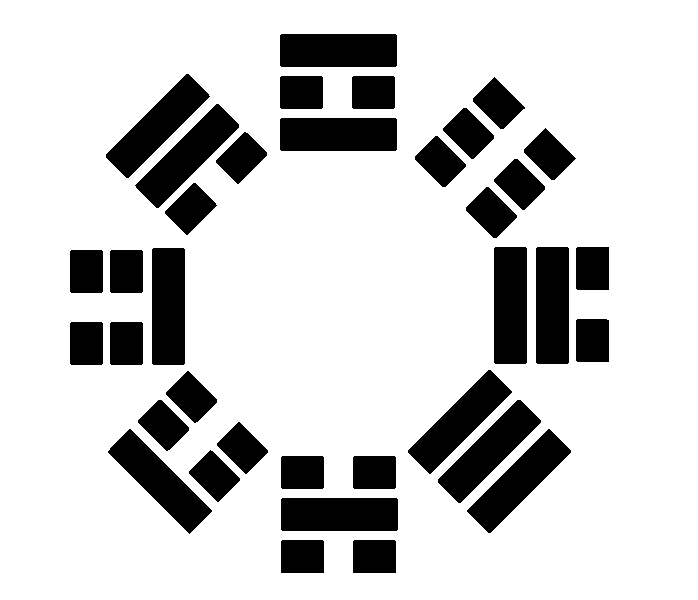 🇨🇳 China and 1 moreBagua八卦
A set of eight trigram symbols from China used in divination, cosmology, and feng shui.Tradition · Seeing and foretelling · Protection Living
🇨🇳 China and 3 moreQi氣 / 气
A vital force in Chinese philosophy and medicine, believed to flow through all living things.Substance · Healing · Power and authority Living
🇨🇳 China and 1 moreBagua八卦
A set of eight trigram symbols from China used in divination, cosmology, and feng shui.Tradition · Seeing and foretelling · Protection Living
🇨🇳 China and 3 moreQi氣 / 气
A vital force in Chinese philosophy and medicine, believed to flow through all living things.Substance · Healing · Power and authority Living
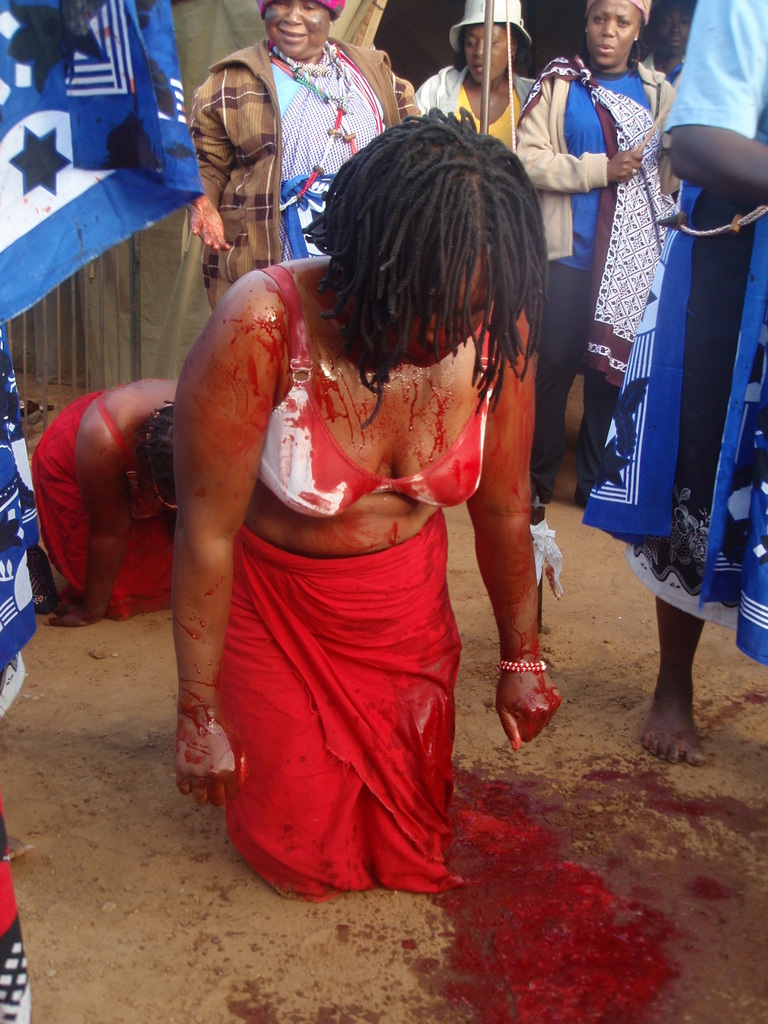 🇿🇦 South AfricaUkuthwasa
A spiritual calling and initiation process for traditional healers in Southern Africa.Rite · Healing · Speaking with spirits and the dead Living
🇿🇦 South AfricaUkuthwasa
A spiritual calling and initiation process for traditional healers in Southern Africa.Rite · Healing · Speaking with spirits and the dead Living
 🇺🇸 United States and 4 moreRainmaking
Efforts to induce rain through technology, ritual, or prayer.Tradition · Protection · Healing Living
🇺🇸 United States and 4 moreRainmaking
Efforts to induce rain through technology, ritual, or prayer.Tradition · Protection · Healing Living
 🇯🇲 Jamaica and 5 moreObeah
A Caribbean tradition of ritual healing and spell-casting with African rootsTradition · Protection · Healing Living
🇯🇲 Jamaica and 5 moreObeah
A Caribbean tradition of ritual healing and spell-casting with African rootsTradition · Protection · Healing Living
 🇲🇽 Mexico and 3 moreFolk saint
Unofficially recognized holy figures venerated by local communities for intercession and miraclesBelief · Protection · Healing Living
🇬🇧 United Kingdom and 1 moreScottish folkloreBeul-aithris na h-Alba
The myths, creatures and beliefs of the Scottish people, recorded from ancient times to the present.Tradition · Seeing and foretelling · Protection Living
🇲🇽 Mexico and 3 moreFolk saint
Unofficially recognized holy figures venerated by local communities for intercession and miraclesBelief · Protection · Healing Living
🇬🇧 United Kingdom and 1 moreScottish folkloreBeul-aithris na h-Alba
The myths, creatures and beliefs of the Scottish people, recorded from ancient times to the present.Tradition · Seeing and foretelling · Protection Living
 🇵🇭 PhilippinesWitchcraft in the Philippinespangkukulam
Indigenous beliefs about sorcery and malevolent magic in the PhilippinesTradition · Cursing and harm · Healing Living
🇸🇪 Sweden and 3 moreRunic magic
The use of ancient Germanic letters for spells, divination, and protectionTradition · Protection · Seeing and foretelling Living
🇵🇭 PhilippinesWitchcraft in the Philippinespangkukulam
Indigenous beliefs about sorcery and malevolent magic in the PhilippinesTradition · Cursing and harm · Healing Living
🇸🇪 Sweden and 3 moreRunic magic
The use of ancient Germanic letters for spells, divination, and protectionTradition · Protection · Seeing and foretelling Living
 🇲🇽 Mexico and 5 moreSanta MuerteNuestra Señora de la Santa Muerte
A female skeletal folk saint in Mexico and the Americas, worshipped for protection, healing, and safe passage.Tradition · Protection · Healing Living
🇮🇳 IndiaPanchagavya
A fermented mixture of five cow products used in Hindu rituals and Ayurvedic traditions.Substance · Cleansing and purification · Healing Living
🇲🇽 Mexico and 5 moreSanta MuerteNuestra Señora de la Santa Muerte
A female skeletal folk saint in Mexico and the Americas, worshipped for protection, healing, and safe passage.Tradition · Protection · Healing Living
🇮🇳 IndiaPanchagavya
A fermented mixture of five cow products used in Hindu rituals and Ayurvedic traditions.Substance · Cleansing and purification · Healing Living
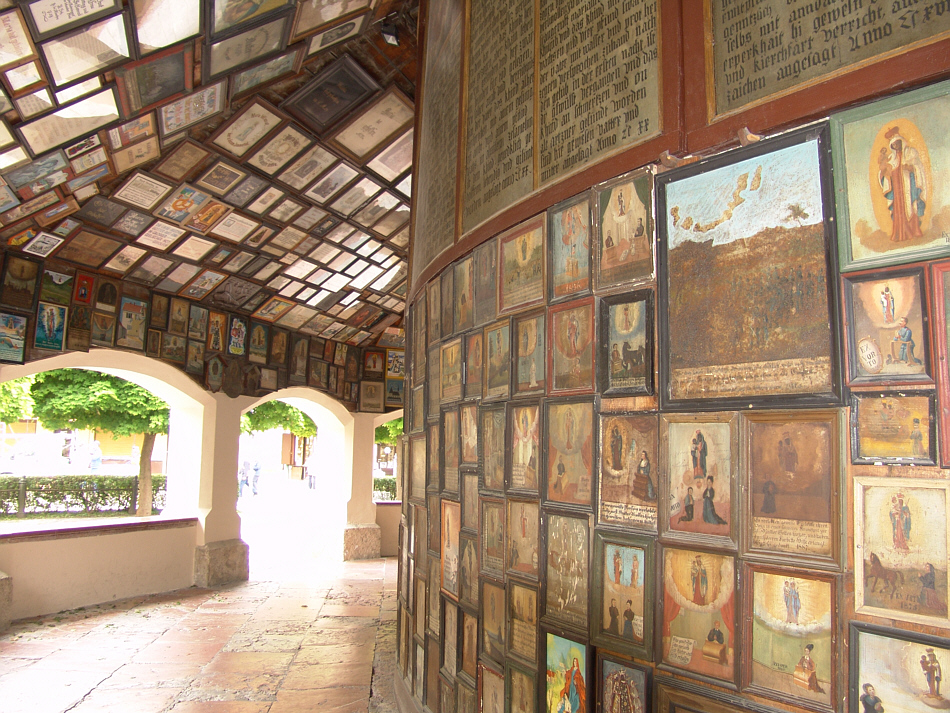 🇬🇷 Greece and 5 moreVotive offering
Objects left in sacred places to honor a deity or fulfill a vow, never to be recovered.Tradition · Protection · Healing Living
🇬🇷 Greece and 5 moreVotive offering
Objects left in sacred places to honor a deity or fulfill a vow, never to be recovered.Tradition · Protection · Healing Living
 🇺🇦 Ukraine and 5 moreMugwortчорнобиль (chornóbyl')
An aromatic herb used in folk medicine, cooking, and magical protection across Eurasia.Substance · Protection · Healing Living
🇺🇦 Ukraine and 5 moreMugwortчорнобиль (chornóbyl')
An aromatic herb used in folk medicine, cooking, and magical protection across Eurasia.Substance · Protection · Healing Living
 🇳🇬 Nigeria and 4 moreJuju
A West African spiritual belief system involving charms and ritualsTradition · Healing · Luck and prosperity Living
🇯🇵 JapanYutaユタ
Okinawan folk shamans who guide families through spirits and fortune-tellingTradition · Protection · Healing Living
🇳🇬 Nigeria and 4 moreJuju
A West African spiritual belief system involving charms and ritualsTradition · Healing · Luck and prosperity Living
🇯🇵 JapanYutaユタ
Okinawan folk shamans who guide families through spirits and fortune-tellingTradition · Protection · Healing Living
 🇱🇦 Laos and 3 moreTai folk religionສາສະໜາຜີ
Spirits, ancestor rites, and soul-calling ceremonies of the Tai peoplesTradition · Protection · Healing Living
🇱🇦 Laos and 3 moreTai folk religionສາສະໜາຜີ
Spirits, ancestor rites, and soul-calling ceremonies of the Tai peoplesTradition · Protection · Healing Living
 🇮🇳 India and 5 moreAsian witchcraft
A broad overview of magical practices and persecution across Asian culturesTradition · Cursing and harm · Protection Living
🇮🇳 India and 5 moreAsian witchcraft
A broad overview of magical practices and persecution across Asian culturesTradition · Cursing and harm · Protection Living
 🇨🇳 China and 1 moreFalun Gong法轮功
A Chinese cultivation practice blending meditative exercises with moral principlesTradition · Healing · Protection Living
🇯🇵 Japan and 1 moreKōshin庚申信仰
A Japanese folk belief involving vigils to prevent internal spirits from reporting human deeds to heavenBelief · Protection · Healing Living
🇨🇳 China and 1 moreFalun Gong法轮功
A Chinese cultivation practice blending meditative exercises with moral principlesTradition · Healing · Protection Living
🇯🇵 Japan and 1 moreKōshin庚申信仰
A Japanese folk belief involving vigils to prevent internal spirits from reporting human deeds to heavenBelief · Protection · Healing Living
 🇷🇴 Romania and 1 moreSânziană
Romanian fairies and a summer solstice festival of flowers and magicBeing · Protection · Love and attraction Living
🇷🇴 Romania and 1 moreSânziană
Romanian fairies and a summer solstice festival of flowers and magicBeing · Protection · Love and attraction Living
 🇮🇳 IndiaPranaप्राण
A Sanskrit concept of vital energy found in yoga and AyurvedaBelief · Healing · Power and authority Living
🇮🇳 IndiaPranaप्राण
A Sanskrit concept of vital energy found in yoga and AyurvedaBelief · Healing · Power and authority Living
 🇮🇷 Iran and 2 moreSuperstitions in Muslim societies
Beliefs in supernatural forces and charms found across the Islamic worldTradition · Protection · Healing Living
🇧🇬 Bulgaria and 5 moreApocryphal prayer
A folk prayer text blending church forms with apocrypha and incantations for protection and healingText · Protection · Healing Living
🇮🇷 Iran and 2 moreSuperstitions in Muslim societies
Beliefs in supernatural forces and charms found across the Islamic worldTradition · Protection · Healing Living
🇧🇬 Bulgaria and 5 moreApocryphal prayer
A folk prayer text blending church forms with apocrypha and incantations for protection and healingText · Protection · Healing Living
 🇲🇿 Mozambique and 1 moreNdau witchcraft and sorcery
A system of spirit belief and traditional healing among the Ndau people of Mozambique and ZimbabweTradition · Healing · Protection Living
🇲🇿 Mozambique and 1 moreNdau witchcraft and sorcery
A system of spirit belief and traditional healing among the Ndau people of Mozambique and ZimbabweTradition · Healing · Protection Living
 🇯🇵 Japan and 1 morePower spotパワースポット
A Japanese term for places believed to hold strong earth energy and healing power.Belief · Healing · Power and authority Living
🇺🇸 United StatesLaw of attraction
A New Thought belief that focused thoughts draw matching experiences into lifeBelief · Healing · Luck and prosperity Living
🇯🇵 Japan and 1 morePower spotパワースポット
A Japanese term for places believed to hold strong earth energy and healing power.Belief · Healing · Power and authority Living
🇺🇸 United StatesLaw of attraction
A New Thought belief that focused thoughts draw matching experiences into lifeBelief · Healing · Luck and prosperity Living
Photo credits on this page
The small pictures above come from Wikimedia Commons under free licences. Some are cropped to fit.
- Tagalog religion: The original uploader was Rodsan18 at English Wikipedia . ( Original t, CC BY 2.5, source
- Eight Immortals: Fanghong, CC BY-SA 3.0, source
- Tai folk religion: ( เทวประภาส มากคล้าย ), Tevaprapas, Public domain, source
- European witchcraft: Unknown author, CC BY 4.0, source
- Amrita: http://picasaweb.google.com/injamaven, CC BY 3.0, source
- Bagua: TarcísioTS at Portuguese Wikipedia, Public domain, source
- Ukuthwasa: Mycelium101, CC BY-SA 3.0, source
- Rainmaking: George Catlin, Public domain, source
- Obeah: Various, published by David Nutt, Public domain, source
- Folk saint: Sergio Serrano, CC BY-SA 2.0, source
- Santa Muerte: Not home, Public domain, source
- Falun Gong: longtrekhome, CC BY 3.0, source
- Prana: Tamilmama, CC BY-SA 4.0, source
- Mugwort: Prahlad balaji, CC BY-SA 4.0, source
- Superstitions in Muslim societies: Unknown author, CC0, source
- Azande witchcraft: Unknown author, CC BY 4.0, source
- Asian witchcraft: Utagawa Kuniyoshi, Public domain, source
- Snake worship: Alexandermcnabb, CC BY-SA 4.0, source
- Witch doctor: Lucjan Wędrychowski, Public domain, source
- Juju: ILN Staff, after special artist correspondent Mr Harries F.R.G.S., Public domain, source
- Votive offering: Walter J. Pilsak, Waldsassen ( W.J.Pilsak at de.wikipedia ), CC BY-SA 3.0, source
- Holy well: The Speckled Bird, CC BY-SA 4.0, source
- Power spot: ccfarmer, CC BY 3.0, source
- Ndau witchcraft and sorcery: Mycelium101, CC BY-SA 3.0, source
- Sânziană: Saturnian, CC BY-SA 3.0, source