Cursing and harm
Curses, hexes and sorcery as people describe and fear them, with the counter-magic against them.
Cursing and harm are the part of magic that societies fear most. This page describes curses and sorcery as beliefs, and the social role of fear and accusation, and does not give instructions. The evil eye, the curse tablets of the Greek and Roman world, Hebrew and Arabic writings on harmful magic, sorcery in Melanesia and Africa, and the European witch are all part of this subject. Most of the harm recorded is that done to people accused.
What is believed
Many cultures hold that envy, anger or hostile ritual can bring illness, loss or death to a victim. The beliefs differ: in the Mediterranean, the evil eye needs no intent. In Azande society, studied by Evans-Pritchard, witchcraft was an inherited substance that explained why misfortune struck one person and not another. Greek and Roman lead curse tablets, often addressed to gods of the underworld, show the belief was written down in antiquity.
Accusation as social force
Where harm is feared, accusation follows. Anthropologists have shown that charges of witchcraft often follow tension inside a family or village, such as inheritance, jealousy or a sudden death. Accusers are usually in conflict with the accused, who is more likely to be old, poor, widowed or marginal. The belief can enforce norms and also destroy people. People also fear being accused, since an accusation can arrive without warning and can follow a family for generations.
Persecution and its present
European and colonial American witch trials, from the fifteenth to the eighteenth century, put tens of thousands to death, including the Salem trials of 1692. The practice has not ended. Mobs and families still attack accused people in parts of Africa, India, Papua New Guinea and elsewhere, and Saudi Arabia has executed people for sorcery. Albino people have been killed for body parts in East Africa. Several states are drafting or enforcing laws against accusation itself.
Counter-magic and scholarship
Where harm is feared, so is protection: amulets, cleansing, and a specialist who can say who sent it. Scholars see curses as a language of grievance, and psychologists have documented the nocebo effect, in which belief in harm can bring on real distress. A person who is afraid should seek medical and social help, and talk to someone they trust. People who believe they have been cursed should be helped to find practical support, including from health services, and not left alone with fear.
Cursing and harm on EveryJaadu
The entries written up so far, best known first.
 🇯🇵 JapanShikome黄泉醜女 (Yomotsu-shikome)
A hag from the Japanese underworld who pursued Izanagi after he shamed Izanami.Figure · Cursing and harm Legendary
 🇺🇸 United States and 1 moreSpider GrandmotherKokyangwuti
An ancestral spirit and creator who guides mortals, protects homes, and teaches weavingFigure · Protection · Healing Legendary
 🇪🇪 EstoniaVanapaganVanatühi
A giant farmer and underworld figure from Estonian folklore who is often outwitted.Figure · Cursing and harm Legendary
🇮🇹 Italy and 1 moreCola Pesce
An Italian merman legend about a boy cursed by his mother to live in the seaFigure · Cursing and harm · Seeing and foretelling Historical
🇦🇲 Armenia and 2 moreAzhdahakԱժդահակ
A dragon-like demon of Armenian and Iranian myth, imprisoned in a mountain until the end of time.Figure · Cursing and harm Legendary
 🇪🇪 EstoniaThe Dragon of the NorthPõhja konn
A legendary frog-like monster from Estonian folklore, later reimagined as a cultural guardian.Figure · Cursing and harm · Protection Legendary
 🇮🇳 IndiaKeibu Keioiba
A tiger-headed man from Manipur folklore who was once a priestFigure · Cursing and harm Legendary
🇮🇹 ItalyMonacielloMunaciello
A Neapolitan sprite linked to the city's underground waterways and hidden wealth.Figure · Luck and prosperity · Cursing and harm Legendary
🇮🇳 IndiaPinglak
A lion from the Panchatantra whose friendship with a bull is destroyed by cunning advisorsFigure · Cursing and harm Legendary
🇫🇯 FijiFlaming Teeth
A giant from Fijian myth whose burning teeth brought fire to humanityFigure · Cursing and harm · Wonder and entertainment Legendary
 🇪🇸 Spain and 5 moreSack Man
A folk figure used to frighten children into good behaviour by threatening to put them in a sackFigure · Cursing and harm Living
🇸🇾 Syria and 1 moreSea-HorseSeepferd
A Syrian folktale about a princess who loses her supernatural horse-husband and quests to find him.Figure · Love and attraction · Cursing and harm Historical
 🇩🇪 Germany and 1 moreNis PukNiß Puk
A legendary household spirit from Northern Germany and Denmark that helps or torments its owner.Being · Luck and prosperity · Protection Legendary
 🇬🇷 GreeceNymphνύμφη
A nature spirit from Greek myth, tied to specific places like springs or trees, often seen as a maiden.Being · Healing · Seeing and foretelling Historical
 🇮🇷 IranArzhang Divارژنگ دیو
A demon chief in Persian epic who is defeated by the hero RostamFigure · Cursing and harm Legendary
 🇪🇸 SpainGatipedro
A horned cat from Galicia that makes children wet their bedsFigure · Cursing and harm Legendary
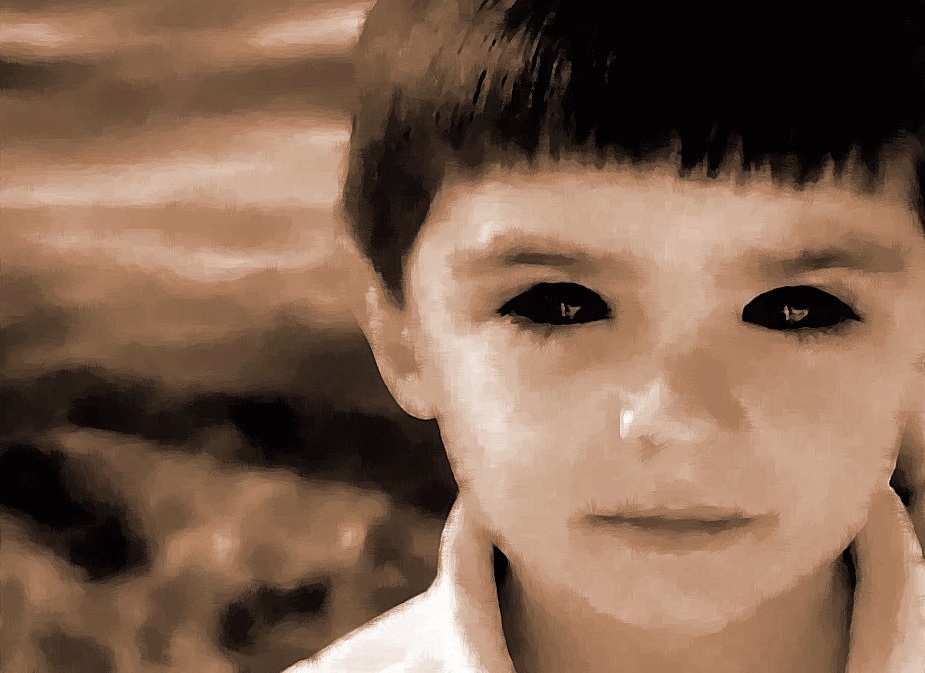 🇺🇸 United StatesBlack-eyed children
A modern American urban legend about pale children with dark eyes who seek entry into homes.Figure · Cursing and harm Legendary
🇮🇹 ItalyBorda
A blindfolded witch from the Po Valley who drowns children in marshesFigure · Cursing and harm Legendary
 🇸🇪 Sweden and 4 moreStarkadStarkaðr
A Norse warrior cursed to commit crimes across three lifetimesFigure · Cursing and harm Legendary
🇺🇸 United States and 1 moreMammon in popular culture
The personification of wealth and greed across stories, games, and media.Figure · Power and authority · Cursing and harm Living
 🇬🇧 United KingdomMadgy Figgy's Chair
A granite rock in Cornwall linked to a legendary witch and her storm conjuringFigure · Cursing and harm · Luck and prosperity Historical
🇬🇧 United KingdomNine sorceressesnaw chwaer
A group of nine magical women in Welsh and Arthurian legendFigure · Cursing and harm · Protection Historical
 🇧🇪 BelgiumLange Wapper
A shapeshifting Flemish giant and trickster from the streets of AntwerpBeing · Change and initiation · Cursing and harm Legendary
 🇨🇳 China and 1 moreLegend of the White Snake白蛇傳
A Chinese folktale about a snake spirit who becomes human to love a mortal manFigure · Love and attraction · Cursing and harm Historical
 🇫🇷 FranceLou DrapéLo drapet
A legendary white horse from southern France that abducts wandering children.Figure · Cursing and harm · Protection Historical
🇺🇸 United StatesTsul 'KaluᏧᏓᎦᎳ
A Cherokee hunting deity and legendary giant of the Appalachian mountainsFigure · Cursing and harm · Protection Legendary
 🇬🇧 United KingdomPiers Shonks
A legendary knight who slew a dragon and cheated the Devil in HertfordshireFigure · Cursing and harm · Wonder and entertainment Legendary
🇬🇧 United Kingdom and 1 moreThe Hobyahs
A Scottish fairy tale about night spirits and a clever dogFigure · Cursing and harm Legendary
🇮🇪 IrelandFionnuala
A figure of Irish legend, turned into a swan and set to roam the water for 900 yearsFigure · Change and initiation · Cursing and harm Legendary
🇧🇿 Belize and 3 moreSisimito
A bipedal cryptid of Central American folklore, said to live in the mountains and caves.Figure · Cursing and harm · Wonder and entertainment Living
🇯🇵 JapanHashihime橋姫
A Japanese bridge spirit linked to jealousy and demonic transformation in folklore and Noh theatre.Being · Protection · Cursing and harm Historical
 🇺🇸 United States and 2 moreFlying Africans
A legend of enslaved people returning to Africa by magic flightFigure · Cursing and harm · Speaking with spirits and the dead Legendary
🇬🇧 United KingdomNanny Rutt
A cautionary figure from Lincolnshire folklore who lures girls into the woodsFigure · Cursing and harm Legendary
🇾🇪 YemenʿAnāqأناق بنت آدم
A monstrous daughter of Adam in Islamic extra-Quranic traditionFigure · Cursing and harm Historical
 🇮🇳 IndiaLai Khadang Pandabiꯂꯥꯏ ꯈꯗꯥꯡ ꯄꯥꯟꯗꯕꯤ
A Meitei folktale about a dishonest wife and the creature she invents to hide her greedFigure · Cursing and harm Legendary
🇨🇴 Colombia and 1 moreLa Bolefuego
A fiery apparition from the Llanos that hunts travelers and avoids prayer.Figure · Cursing and harm Legendary
 🇺🇸 United StatesMoll Dyer
A Maryland folktale about a woman accused of witchcraft and her cursed stoneFigure · Cursing and harm · Protection Legendary
 🇪🇸 SpainWitches of Anaga
A Tenerife legend of women who danced at covens in the Anaga mountainsBelief · Cursing and harm Legendary
 🇩🇪 Germany and 5 moreCompanions of Saint Nicholas
Dark figures who accompany the gift-bringer to discipline children across Central EuropeFigure · Cursing and harm · Luck and prosperity Living
🇮🇱 IsraelEisheth Zenunimאֵשֶׁת זְנוּנִים
A demonic epithet for Lilith in Kabbalah and Western esotericismFigure · Cursing and harm Historical
🇧🇷 BrazilRomãozinho
A cursed immortal boy from Brazilian folklore who never grows and causes mischief.Figure · Cursing and harm · Wonder and entertainment Legendary
🇵🇭 PhilippinesMarukos
A crossroads demon in Ilocano folklore that drowns wayward travelers.Figure · Cursing and harm Legendary
🇨🇾 CyprusElymasἘλύμας
A sorcerer in Acts who stood against Paul and lost his sightFigure · Cursing and harm Legendary
 🇩🇪 Germany and 5 moreLutzelfrau
A German Alpine witch who brings fruit or punishes childrenFigure · Protection · Cursing and harm Living
 🇵🇱 Poland and 4 moreMoranaМорена
A Slavic goddess of winter and death, whose effigy is drowned to welcome springFigure · Cursing and harm · Power and authority Living
 🇨🇱 Chile and 1 moreImbuncheifünche
A deformed child-monster of Chilote folklore that guards a warlock's cave and serves as an instrument of curse.Figure · Cursing and harm · Power and authority Legendary
 🇹🇷 Turkey and 1 moreMidasΜίδας
A Phrygian king from Greek myth who gained a golden touch and donkey earsFigure · Luck and prosperity · Cursing and harm Legendary
 🇬🇧 United Kingdom and 1 moreWitchwiċċe
The English word for a magic-worker, from Old English wiċċe to WiccaFigure · Cursing and harm · Seeing and foretelling Living
Photo credits on this page
The small pictures above come from Wikimedia Commons under free licences. Some are cropped to fit.
- Vanapagan: Kristjan Raud, Public domain, source
- Keibu Keioiba: Haoreima, CC BY-SA 4.0, source
- Midas: The Midas Painter, CC BY-SA 4.0, source
- Lai Khadang Pandabi: Jamesoinam, CC0, source
- Flying Africans: Matthew T Rader, CC BY-SA 4.0, source
- Piers Shonks: William Blyth Gerish, Public domain, source
- Lou Drapé: Morburre, CC BY-SA 3.0, source
- Lange Wapper: CEphoto, Uwe Aranas, CC BY-SA 3.0, source
- Starkad: User:Skadinaujo, Public domain, source
- Nymph: Unknown author, Public domain, source
- Nis Puk: R2D3LA, CC BY-SA 4.0, source
- Sack Man: Ponscor, CC BY-SA 2.0, source
- Arzhang Div: Unknown author, Public domain, source
- Gatipedro: Dende, CC BY-SA 4.0, source
- Black-eyed children: Megamoto85, CC BY-SA 4.0, source
- The Dragon of the North: Ivo Kruusamägi, CC BY-SA 4.0, source
- Madgy Figgy's Chair: Jim Champion, CC BY-SA 3.0, source
- Spider Grandmother: Navajo artist, Public domain, source
- Legend of the White Snake: Unknown author, CC BY-SA 3.0, source
- Shikome: Raita Futo, CC BY 2.0, source
- Moll Dyer: Dougtone, CC BY-SA 2.0, source
- Witches of Anaga: User:Beneharo Hdez., CC BY 3.0, source
- Companions of Saint Nicholas: unknown, unreadable signature on bottom right hand side, Public domain, source
- Lutzelfrau: Karel Rozum, Public domain, source
- Morana: Marta Malina Moraczewska, CC BY-SA 4.0, source
- Imbunche: Lufke, CC BY-SA 3.0, source
- Witch: John William Waterhouse, Public domain, source