
Arzhang Div
In its own language: ارژنگ دیو
A demon chief in Persian epic who is defeated by the hero Rostam
Arzhang Div is a figure from Persian mythology and the Shahnameh epic. He serves as the commander of demons in Mazandaran. The hero Rostam kills him to rescue King Kay Kāvus.
- Arzhang Div is a demon chief in the Shahnameh
- He commands the demons of Mazandaran
- Rostam kills him during his Seven Labours
- His defeat symbolizes the end of demon rule
- He is depicted as a large and deceitful figure
What it is
Arzhang Div is a mythical character from Persian folklore. He appears in the Shahnameh of Shah Tahmasp as a powerful demon. In the story, he holds the title of chief over the demons of Mazandaran. He is described as one of the largest human figures in the epic poem. His defeat marks the collapse of the demon dynasty. This event highlights a moral conflict between divine power and corrupt demonic rule.
Where it comes from
The character originates from Ferdowsi's epic poem, the Shahnameh. The text dates to the early eleventh century. Arzhang Div is part of the narrative known as Rostam's Seven Labours. He represents deceitful and tyrannical enemies in Iranian epic literature. Scholars view his role as a symbol of the struggle against tyranny.
Arzhang Div, drawn and placed
- Living
- Revived
- Fading
- Historical
- Legendary
- Performed
- Lineage
- Persian mythology
What it is for
In the narrative, Arzhang Div acts as an antagonist. He opposes the hero Rostam. His presence creates a crisis that requires heroic intervention. The conflict serves to illustrate the triumph of good over evil forces. It establishes the moral framework of the epic tale.
Who does it
Scholars study Arzhang Div within the context of Persian literature. Commentators analyze his role as a commander of demons. They interpret his defeat as a symbolic victory for justice. There are no living practitioners who perform rites for this legendary figure.
Peoples and places
The character belongs to Persian culture and mythology. He is central to the Shahnameh tradition. The story is widely recognized in Iran. The narrative reflects broader patterns in Iranian epic literature regarding demons and heroes.
At a glance: who, where and when
Peoples
What people believe
Persian mythology depicts demons as both monsters and political rivals. Arzhang Div embodies tyrannical power. The epic contrasts his corrupt rule with the divine authority of Rostam. This duality reinforces themes of moral order and heroic duty in the cultural imagination.
How scholars and sceptics see it
Researchers examine Arzhang Div as a literary figure. They note his depiction as a deceitful enemy. Commentators highlight the moral conflict in his defeat. The character illustrates the collapse of demonic dynasties in the epic tradition.
Compare and confuse
Arzhang Div is similar to other demon chiefs in world mythology. He shares traits with tyrannical foes in heroic epics. The name varies slightly in transliteration, such as Aržang Dēw. He is distinct from generic divs by his specific role in the Shahnameh.
Today
The character remains a part of Persian cultural heritage. He is featured in historical manuscripts like the Shahnameh of Shah Tahmasp. Modern readers encounter him through translations and studies of Persian literature.
Questions people ask about Arzhang Div
Who is Arzhang Div?
Arzhang Div is a legendary demon chief from Persian mythology. He appears in the Shahnameh epic as the ruler of Mazandaran. He is defeated by the hero Rostam.
What does Arzhang Div represent?
He represents deceitful and tyrannical power. His defeat symbolizes the collapse of the demon dynasty. It highlights the moral conflict between corruption and divine justice.
Where does the story of Arzhang Div come from?
The story comes from Ferdowsi's Shahnameh. It is part of Rostam's Seven Labours. The text was written in the early eleventh century in Persia.
Good reading and sources
The facts on this page come from the Wikipedia article "Arzhang Div", written by its contributors and used under the CC BY-SA 4.0 licence, and from its Wikidata record (CC0). EveryJaadu rewrote the text in its own words, with AI assistance, and compares every page with the article to make sure no passage is copied. It may be reused under the same CC BY-SA 4.0 licence with a link back.
It may contain mistakes. Names and customs differ from one community to the next, and some knowledge is closed to outsiders and left out here. This page describes belief and practice. It does not say that any of it works, it is not a how-to, and it is not medical advice. If something is wrong, tell us. Last refreshed 2026-10-06.
More from Iran
All the entries from Iran 🇮🇷 Iran and 2 moreJabir ibn Hayyanجابِر بِن حَيّان
A legendary Islamic alchemist and philosopher whose writings shaped medieval magic and chemistryText · Power and authority · Wonder and entertainment Historical
🇮🇷 Iran and 1 moreBabr-e Bayanبَبْرِ بَیان
A legendary armor worn by the Iranian hero Rostam, said to be made from a dragon's skin.Figure · Protection · Power and authority Legendary
🇮🇷 Iran and 2 moreJabir ibn Hayyanجابِر بِن حَيّان
A legendary Islamic alchemist and philosopher whose writings shaped medieval magic and chemistryText · Power and authority · Wonder and entertainment Historical
🇮🇷 Iran and 1 moreBabr-e Bayanبَبْرِ بَیان
A legendary armor worn by the Iranian hero Rostam, said to be made from a dragon's skin.Figure · Protection · Power and authority Legendary
 🇮🇷 Iran and 5 moreMagi
Priests of Zoroastrianism and the figures who inspired the word for magicTradition · Seeing and foretelling · Power and authority Living
🇮🇷 Iran and 5 moreMagi
Priests of Zoroastrianism and the figures who inspired the word for magicTradition · Seeing and foretelling · Power and authority Living
 🇮🇷 Iran and 1 moreJinnجِنّ
Supernatural beings in Islamic and pre-Islamic Arabian belief, created from smokeless fire.Being · Protection · Cursing and harm Living
🇮🇷 Iran and 1 moreJinnجِنّ
Supernatural beings in Islamic and pre-Islamic Arabian belief, created from smokeless fire.Being · Protection · Cursing and harm Living
Related elsewhere
All figure 🇷🇸 Serbia and 5 moreVampire
An undead creature from folklore that feeds on the blood or life force of the livingBeing · Cursing and harm · Luck and prosperity Legendary
🇷🇸 Serbia and 5 moreVampire
An undead creature from folklore that feeds on the blood or life force of the livingBeing · Cursing and harm · Luck and prosperity Legendary
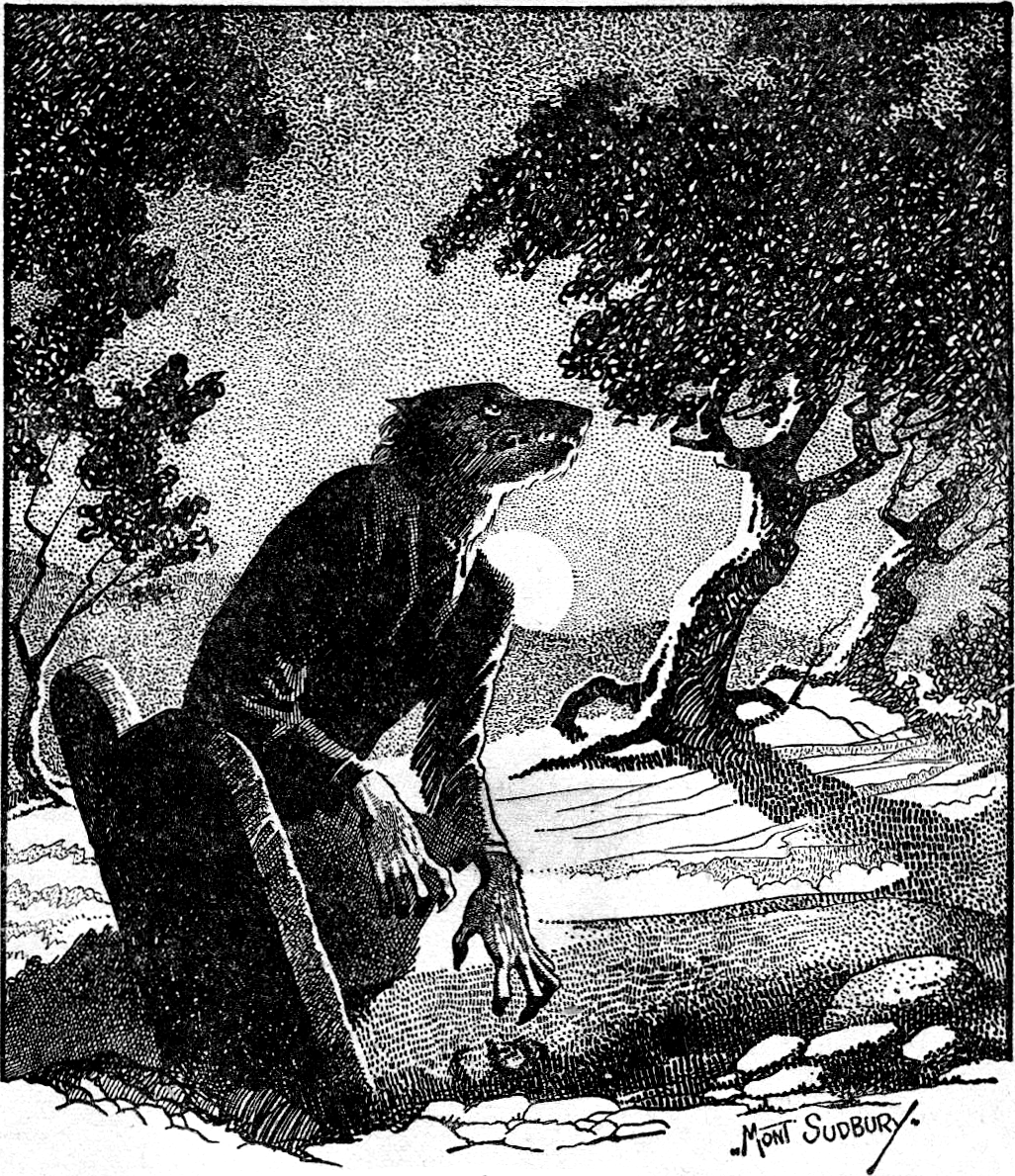 🇫🇷 France and 5 moreWerewolf
A mythical shapeshifter that turns into a wolf, central to European witch-hunts and Gothic horror.Being · Cursing and harm · Wonder and entertainment Legendary
🇫🇷 France and 5 moreWerewolf
A mythical shapeshifter that turns into a wolf, central to European witch-hunts and Gothic horror.Being · Cursing and harm · Wonder and entertainment Legendary
 🇪🇬 Egypt and 1 moreLilithלִילִית
A feminine figure from Mesopotamian and Jewish mythology, often depicted as a night demon or spirit.Being · Cursing and harm Legendary
🇪🇬 Egypt and 1 moreLilithלִילִית
A feminine figure from Mesopotamian and Jewish mythology, often depicted as a night demon or spirit.Being · Cursing and harm Legendary
 🇪🇬 EgyptCurse
A spoken wish for misfortune to befall a person or placeBelief · Cursing and harm · Luck and prosperity Historical
🇪🇬 EgyptCurse
A spoken wish for misfortune to befall a person or placeBelief · Cursing and harm · Luck and prosperity Historical