Traditions and systems
Whole bodies of practice: Vodou, shamanism, hoodoo, Wicca, onmyodo, Ifa and the rest.
A tradition is a whole body of magical practice with its own teachers, vocabulary and rules, as distinct from a single charm or rite. Ifa in West Africa, Vodou in Haiti, Tibetan Buddhist ritual, Wicca in Britain and America, and Siberian shamanism are all traditions in this sense. Some are living religions, some are modern inventions, and some survive only in fragments. This page looks at how they differ and what each label hides. Each is described here in its own terms wherever the community has chosen to share them.
Who holds them
A tradition has keepers. In Ifa, a babalawo trains for years and memorises the verses of Odu. In Haitian Vodou, a houngan or mambo is initiated within a house and a lineage. Wicca, by contrast, grew from the writings of Gerald Gardner in the 1950s and spreads by books and covens. Access varies: some traditions are open, some require initiation, and some are closed to outsiders by the community's own rule.
Names that mislead
Outsiders have often given traditions names their keepers did not choose. Colonial officials and missionaries called African and Indigenous religions fetishism, witchcraft or devil worship. The word voodoo, borrowed from the Haitian religion, became a stock horror image, while practitioners say Vodou. Many people also reject the word magic for what they see as plain religion, worship of ancestors or medicine of the land. Some are written down in long poems or scriptures, while others are carried only in memory, song and apprenticeship, which affects how outsiders can study them.
How states treat them
Treatment ranges from protection to prohibition. Haiti recognised Vodou as a religion in 2003. Britain repealed its Witchcraft Act only in 1951. Several African and Pacific states still prosecute witchcraft accusations, and Saudi Arabia has executed people for sorcery. Many traditions were absorbed rather than banned: Santeria wore the faces of Catholic saints, and Taoist ritual was licensed by Chinese emperors. Recognition on paper does not end prejudice: a faith can be legal under a constitution and still be mocked, taxed or policed at local level.
Scholars and sceptics
Anthropologists such as Evans-Pritchard, who studied the Azande in the 1930s, described magic as a coherent system of explanation, not stupidity. Historians stress that boundaries between religion, magic and science were drawn by particular people for particular reasons. Sceptics point out that tests of efficacy have found no effect beyond expectation. Many tradition-bearers answer that the question misses what the practice is for. Folklorists add that traditions are always changing, with no pure original to return to, and that revival is itself a form of change.
Tradition on EveryJaadu
The entries written up so far, best known first.
 🇲🇲 MyanmarBurmese folk religionNat Worship
Animistic worship of nature spirits and ancestors in Myanmar, often practiced alongside Buddhism.Tradition · Protection · Luck and prosperity Living
 🇺🇸 United States and 3 moreSandpainting
A ritual art of pouring colored sand to create temporary images for healing or spiritual teachingTradition · Healing · Speaking with spirits and the dead Living
 🇨🇺 Cuba and 4 moreSanteríaRegla de Ocha
An Afro-Cuban religion blending Yoruba spirits with Catholic saintsTradition · Protection · Healing Living
 🇺🇸 United StatesHawaiian religion
The traditional spiritual practices of the Indigenous people of Hawaiʻi, centered on deities and ancestral guardians.Tradition · Protection · Speaking with spirits and the dead Living
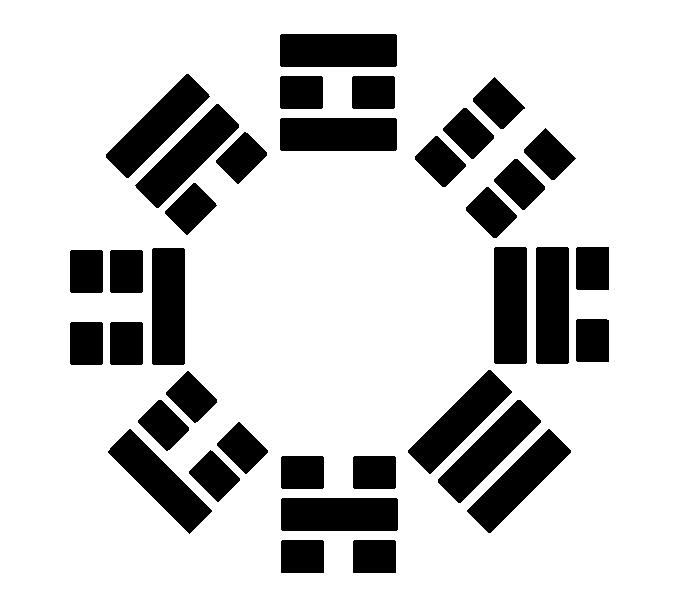 🇨🇳 China and 1 moreBagua八卦
A set of eight trigram symbols from China used in divination, philosophy, and feng shui.Tradition · Seeing and foretelling · Protection Living
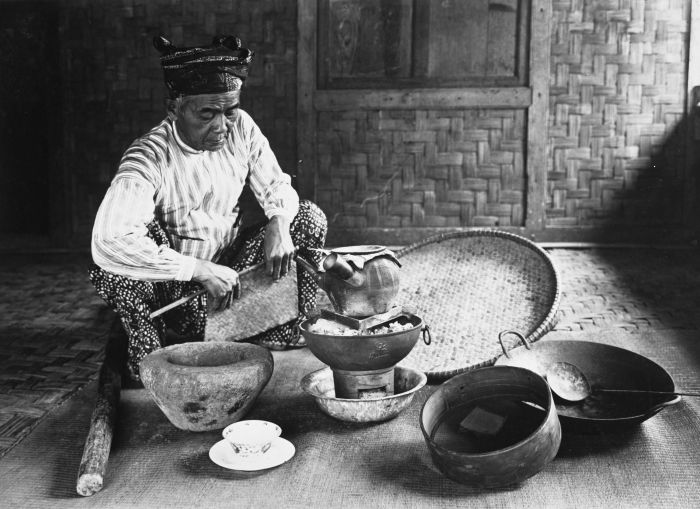 🇮🇩 Indonesia and 2 moreDukun
A traditional healer and spirit medium in Indonesian folk practiceTradition · Healing · Seeing and foretelling Living
 🇬🇷 Greece and 2 moreMagic in the Greco-Roman world
Private supernatural practices in ancient Greece and Rome, distinct from public state religion.Tradition · Protection · Cursing and harm Historical
 🇨🇭 SwitzerlandMagic circle
A ritual boundary drawn or visualised to create sacred space and protectionTradition · Protection · Speaking with spirits and the dead Living
 🇮🇱 Israel and 4 moreIsaac Luriaיִצְחָק בן שלמה אשכנזי לוּרְיָא
A sixteenth-century rabbi who founded modern Kabbalah through oral teachings in Safed.Text · Speaking with spirits and the dead · Change and initiation Living
 🇬🇷 Greece and 5 moreCrossroads (folklore)
A junction between worlds where spirits are met and deals are madeBelief · Speaking with spirits and the dead · Cursing and harm Living
 🇲🇳 Mongolia and 2 moreMongolian shamanismBöö Mörgöl
The animistic and shamanic ethnic religion of the Mongols, involving spirit worship and ritual intercession.Tradition · Protection · Healing Living
 🇧🇯 Benin and 5 moreVodun art
Religious sculpture and temple painting from West African Vodun traditionsTradition · Protection · Speaking with spirits and the dead Living
 🇿🇦 South Africa and 1 moreMutiumuthi
Traditional medicine practice in Southern Africa using plants, animals and mineralsTradition · Healing · Protection Living
 🇧🇴 BoliviaThe Witches' MarketMercado de las Brujas
A La Paz market where Aymara women and yatiri sell ritual items for Pachamama offeringsTradition · Luck and prosperity · Protection Living
 🇪🇹 Ethiopia and 5 moreZārزار (Arabic), ዛር (Ge'ez)
A spirit possession tradition and healing ritual in the Horn of Africa and Middle EastTradition · Healing · Speaking with spirits and the dead Living
 🇸🇳 Senegal and 5 moreMaraboutmurābiṭ
A Muslim religious leader and teacher in West Africa, often linked to Sufi brotherhoods.Tradition · Protection · Speaking with spirits and the dead Living
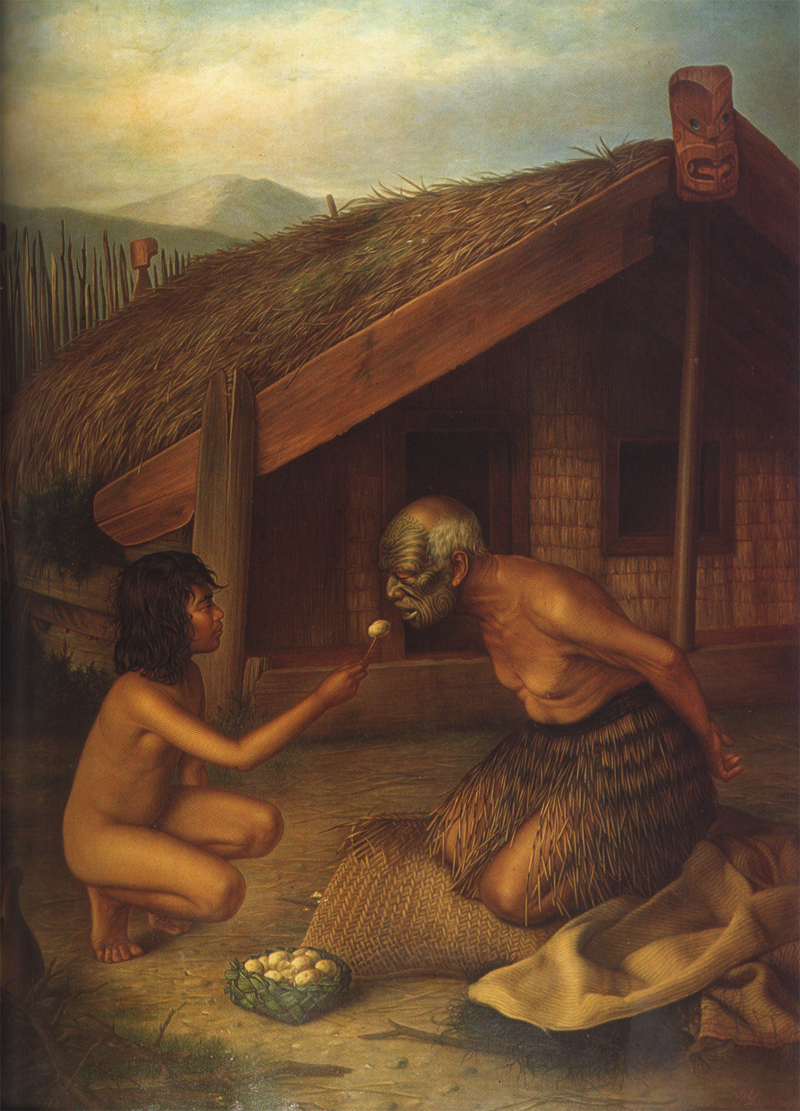 🇳🇿 New ZealandTohunga
A Māori expert practitioner of sacred or secular arts, from priests to carvers.Tradition · Healing · Seeing and foretelling Living
 🇿🇦 South Africa and 5 moreTraditional healers of Southern Africa
Practitioners who blend herbal medicine with ancestral divination in Southern AfricaTradition · Healing · Protection Living
 🇨🇺 Cuba and 5 moreBrujería
A syncretic blend of Indigenous, African and Catholic folk magic across Latin America and the CaribbeanTradition · Healing · Protection Living
 🇺🇸 United States and 5 moreNeoshamanism
A modern spiritual movement adapting shamanic techniques for Western seekers outside their traditional cultures.Tradition · Healing · Change and initiation Living
🇺🇸 United StatesFeri Tradition
An American ecstatic witchcraft tradition founded on the West Coast in the mid-twentieth century.Tradition · Power and authority · Change and initiation Living
🇺🇸 United States and 5 moreNeoshamanism
A modern spiritual practice adapting shamanic techniques for Western seekersTradition · Healing · Speaking with spirits and the dead Living
 🇨🇳 China and 5 moreRegional forms of shamanism
A global overview of indigenous spirit-interaction practices across Asia and the Americas.Tradition · Healing · Speaking with spirits and the dead Living
🇺🇸 United States and 5 moreNeoshamanism
A modern spiritual practice adapting shamanic techniques for personal growth outside traditional cultures.Tradition · Healing · Power and authority Living
 🇬🇧 United KingdomWitchcraft in early modern Walesdewiniaeth
A historical look at the rare witch trials and executions in Wales from the 1500s to the 1700sBelief · Cursing and harm · Protection Historical
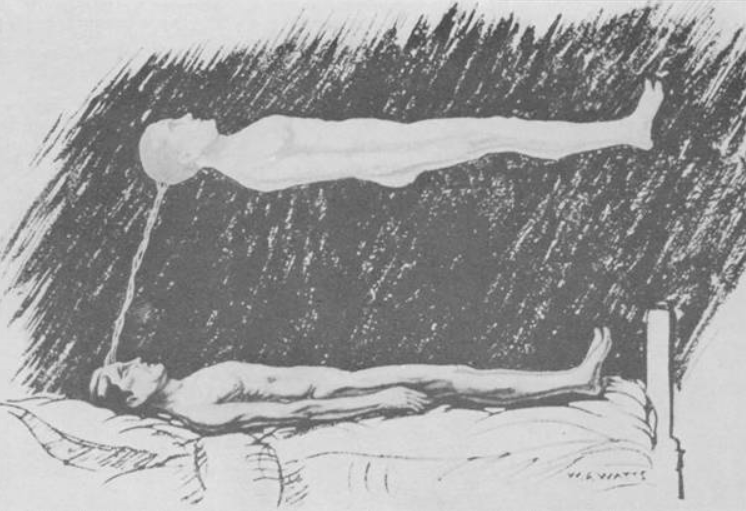 🇮🇳 India and 3 moreAstral projection
An intentional out-of-body experience where consciousness travels through the astral planeTradition · Speaking with spirits and the dead · Change and initiation Living
 🇮🇷 Iran and 2 moreSuperstitions in Muslim societies
Beliefs in supernatural forces and charms found across the Islamic worldTradition · Protection · Healing Living
Photo credits on this page
The small pictures above come from Wikimedia Commons under free licences. Some are cropped to fit.
- Isaac Luria: Louski1, CC BY-SA 3.0, source
- Neoshamanism: Carptrash, CC BY-SA 4.0, source
- Crossroads (folklore): MiddleOfAfrica, CC BY-SA 4.0, source
- Mongolian shamanism: Enrique Bendicho, CC BY-SA 4.0, source
- Vodun art: Fraipont, Gustave (1849-1923), Public domain, source
- Muti: Nicholas Roux, CC BY-SA 4.0, source
- European witchcraft: Unknown author, CC BY 4.0, source
- The Witches' Market: Dan Lundberg, CC BY-SA 2.0, source
- Zār: Emad Nemati, CC BY-SA 4.0, source
- Marabout: Jan Broekhuijse, CC BY-SA 3.0, source
- Tohunga: Gottfried Lindauer, Public domain, source
- Traditional healers of Southern Africa: Wizzy, CC BY-SA 3.0, source
- Regional forms of shamanism: Man Sing, Public domain, source
- Sandpainting: Mnolf, CC BY-SA 3.0, source
- Santería: Jorge Royan, CC BY-SA 3.0, source
- Astral projection: Hereward Carrington, Sylvan Muldoon., Public domain, source
- Hawaiian religion: Jacques Arago, Public domain, source
- Witchcraft in early modern Wales: Joan Blaeu / Joan Blaeu, Public domain, source
- Bagua: TarcísioTS at Portuguese Wikipedia, Public domain, source
- Dukun: Unknown author, CC BY-SA 3.0, source
- Witch: John William Waterhouse, Public domain, source
- Superstitions in Muslim societies: Unknown author, CC0, source
- Magic in the Greco-Roman world: ArchaiOptix, CC BY-SA 4.0, source
- Burmese folk religion: Wagaung ( talk ), CC BY-SA 3.0, source