Rites, spells and ceremonies
Things done in a set way: cleansings, offerings, blessings, binding and unbinding, initiations.
A rite is something done in a set way: a cleansing, an offering, a blessing, an initiation, a binding. What marks it out is form, with fixed words, gestures, timing and often a specialist to lead it. Rites exist in every culture, from the Catholic exorcism and the Vedic fire offering to the Yoruba sacrifice and the Aboriginal ceremony. This page describes them as customs, in outline. Here they are described as customs and in outline only.
Parts of a rite
Most rites share a few parts: a prepared space, a purifying act, speech or song, a gesture, an offering, and a closing that returns everyone to ordinary life. Scholars such as Arnold van Gennep called rites of passage a sequence of separation, threshold and return. Many rites also mark a time: the new moon, the solstice, a death, a birth, a wedding. Some are done once in a lifetime and some every day, and the same gesture can be a rite in one house and a habit in the next.
Who may perform
Some rites belong to anyone in the household, such as sweeping the house at new year or tying a thread on a child's wrist. Others need an officiant: a priest, a medium, a shaman or an initiated elder. Women often hold domestic rites and are shut out of public priesthood, though in places such as Korea, the Philippines and parts of Africa women lead spirit rites. A rite is also tied to a community: it is done with others present, who witness it and agree that it counts.
Rites that hurt
Not every rite is gentle. Some involve animal sacrifice, which is a normal part of a number of living religions and is performed under rules of its own. Exorcism rites have caused real harm when applied to people with mental illness or to children accused of witchcraft, with deaths reported from beatings, fasting and restraint. Illness needs real medical care. Others are simple and joyful, such as a blessing over bread or a thread on a wrist, and carry no danger at all, which is why most rites are never remarked upon.
Change and commerce
Rites move with people. Diaspora communities adapt them to apartments, city streets and other languages. Some are now sold as retreats or workshops, which can strip them from their community and context. Tourism has also turned ceremonies into shows, and communities increasingly set rules about who may watch, photograph or join. Government rules shape rites too: some countries license ritual slaughter, others require permits for processions, and a few have banned particular ceremonies outright, so a rite can become a legal question as well as a religious one.
Rite on EveryJaadu
The entries written up so far, best known first.
 🇬🇷 Greece and 2 moreAstragalomancy
Divination by casting marked bones, carved rods, or numbered diceOracle · Seeing and foretelling · Speaking with spirits and the dead Living
🇮🇹 ItalyLemuriaLemuralia
An ancient Roman festival to send restless ghosts away from the homeRite · Cleansing and purification · Speaking with spirits and the dead Historical
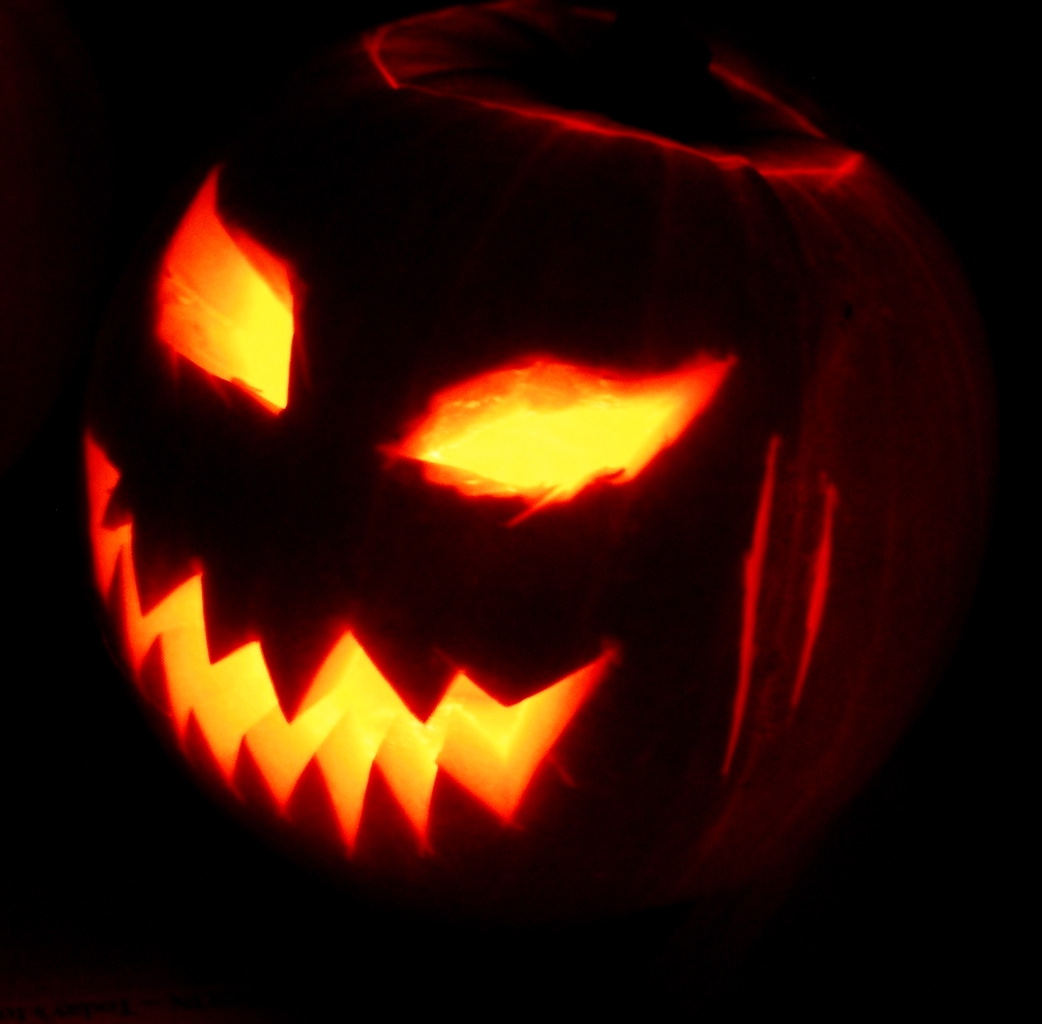 🇮🇪 Ireland and 5 moreHalloween
A Christian vigil on 31 October for the dead, now marked by costumes and carved vegetablesRite · Speaking with spirits and the dead · Protection Living
 🇩🇪 Germany and 5 moreMaypoleMaibaum
A tall wooden pole raised for European spring festivals, accompanied by dance and celebration.Tradition · Luck and prosperity · Love and attraction Living
 🇪🇸 Spain and 5 moreSt John's Eve
A Christian vigil marked by bonfires and plant gathering on the summer solstice eveRite · Protection · Speaking with spirits and the dead Living
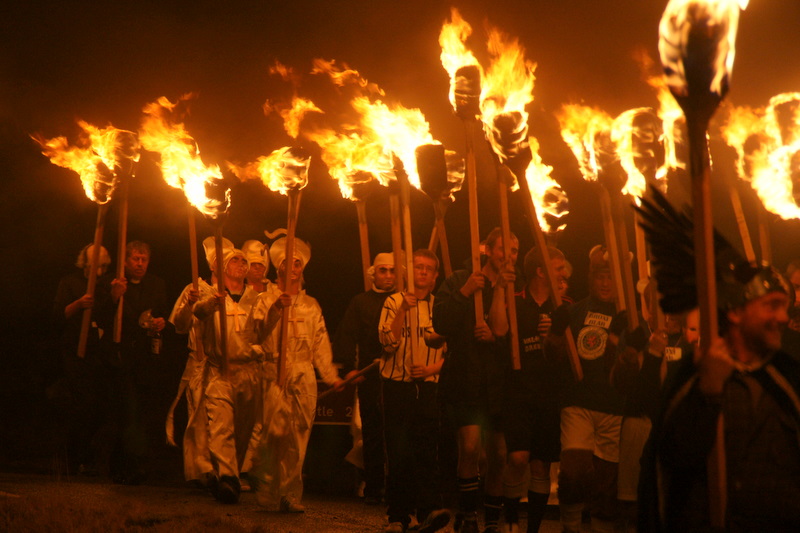 🇬🇧 United KingdomUp Helly Aa
A Shetland fire festival marking the end of Yule with a torchlit procession and burning of a Viking galleyRite · Wonder and entertainment Living
 🇮🇪 Ireland and 4 moreWinter solstice
The shortest day and longest night of the year, marked by rites of solar returnTradition · Seeing and foretelling · Protection Living
 🇬🇧 United Kingdom and 7 moreSaint Andrew's Day
A Christian feast day marked by national holidays in Scotland and Romania, and folk divination across Europe.Rite · Seeing and foretelling · Luck and prosperity Living
 🇩🇪 Germany and 7 moreWalpurgis NightWalpurgisnacht
A spring vigil marking the eve of Saint Walpurga's feast day with bonfires and student festivalsRite · Protection · Speaking with spirits and the dead Living
🇳🇴 NorwayEsbat
A monthly Wiccan ritual held at the full or new moon for worship and community.Rite · Speaking with spirits and the dead · Love and attraction Living
 🇩🇪 Germany and 4 moreNeed-fireNotfeuer
A ritual fire lit by friction to protect livestock and people from disease and witchcraftRite · Protection · Cleansing and purification Historical
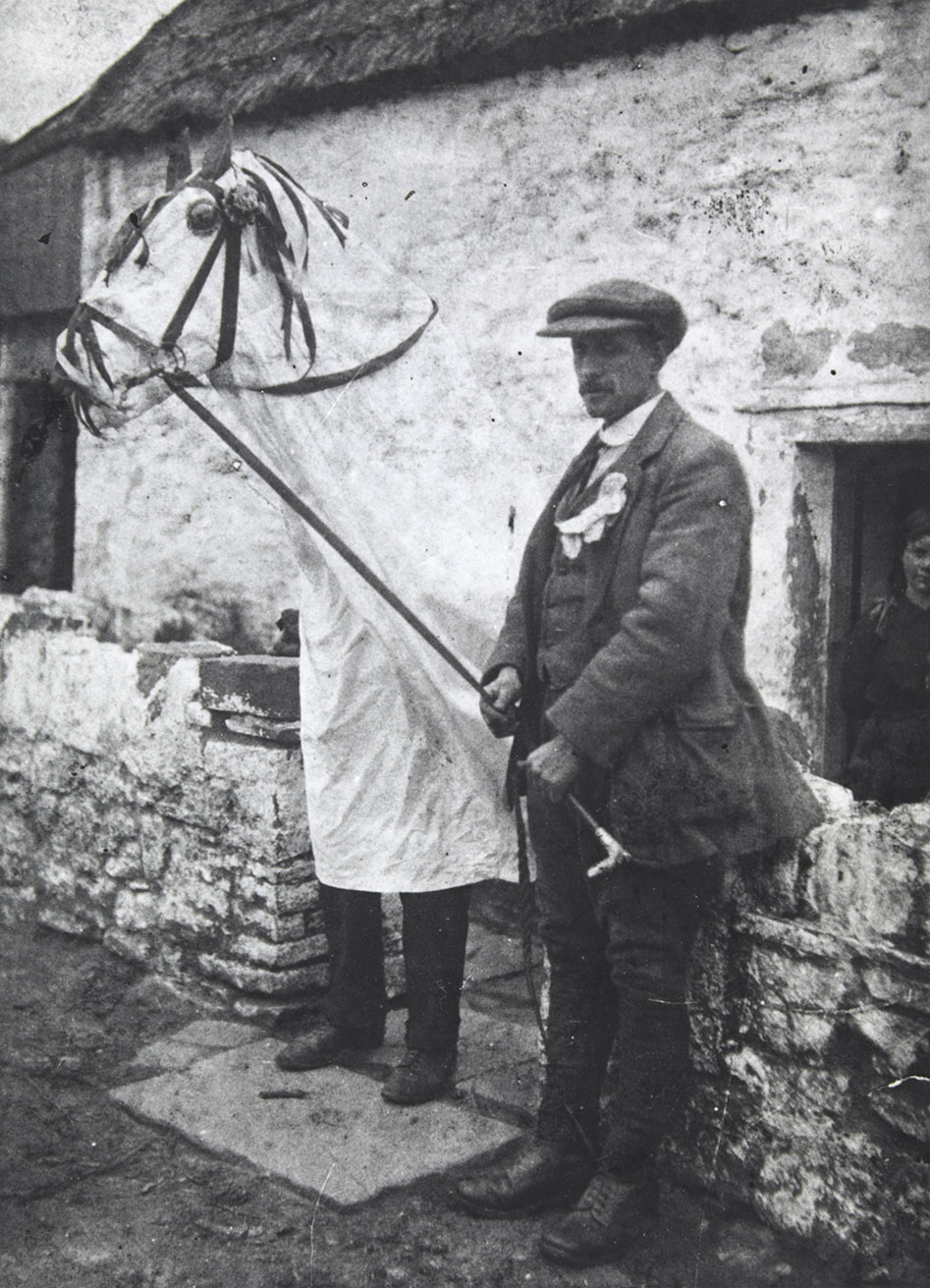 🇬🇧 United KingdomMari LwydY Fari Lwyd
A Welsh winter custom featuring a horse skull carried through villages for song and hospitality.Rite · Luck and prosperity · Wonder and entertainment Revived
🇬🇧 United KingdomSt Mark's Eve
An English folk custom to witness omens of death and future marriage on the eve of a saint's feast dayRite · Seeing and foretelling · Cursing and harm Historical
 🇪🇬 Egypt and 2 moreLibation
The ritual pouring of liquid as an offering to spirits or the deadRite · Speaking with spirits and the dead · Protection Living
 🇫🇮 Finland and 5 moreMolybdomancy
A divination method using molten metal poured into water to read omensRite · Seeing and foretelling · Cursing and harm Living
 🇬🇧 United KingdomDeath knell
A church bell rung to mark a person's passing and announce the death to the community.Rite · Speaking with spirits and the dead Historical
 🇪🇸 Spain and 6 moreBurning of Judas
An Easter rite where an effigy of the betrayer is destroyed by fire or other meansRite · Cursing and harm · Cleansing and purification Living
 🇸🇪 Sweden and 5 moreMidsummerJāņi; Joninės; Jaanipäev; Enyovden; Litha; Juhannus
A summer solstice festival marked by bonfires, maypole dancing, and feasting across Europe.Tradition · Protection · Luck and prosperity Living
🇬🇷 GreeceDeipnonδεῖπνον
An ancient Athenian lunar offering to Hekate and the restless dead at the month's end.Rite · Protection · Cursing and harm Living
 🇧🇬 Bulgaria and 5 moreKukeriкукери
A costumed ritual in Bulgaria to chase away evil spirits and welcome springRite · Protection · Cursing and harm Living
 🇬🇧 United Kingdom and 2 moreBeating the bounds
A ceremonial walk along parish or town borders to reaffirm boundaries and community memory.Rite · Protection · Speaking with spirits and the dead Living
 🇫🇷 France and 5 moreYule log
A large wooden log burned in the hearth during winter festivals across Europe and North America.Tradition · Protection · Luck and prosperity Living
 🇬🇧 United Kingdom and 4 moreMummers' play
A folk drama featuring a fight and a resurrection, performed by amateur troupes in the British Isles.Rite · Luck and prosperity · Speaking with spirits and the dead Revived
 🇮🇸 Iceland and 3 moreSeiðr
A Norse divination and manipulation magic practiced during the Viking Age.Tradition · Seeing and foretelling · Cursing and harm Revived
 🇮🇪 Ireland and 5 moreTrick-or-treating
A Halloween custom where costumed visitors ask for treats from homesTradition · Luck and prosperity · Wonder and entertainment Living
 🇮🇪 Ireland and 4 moreMay Day
A European spring festival marking the start of summer with flowers, poles and fire.Tradition · Protection · Luck and prosperity Living
 🇮🇪 Ireland and 5 moreBonfire
A large outdoor fire used in seasonal festivals and religious feasts across many culturesRite · Cleansing and purification · Speaking with spirits and the dead Living
 🇮🇪 Ireland and 1 moreBuilders' rites
Ceremonies performed during construction to ensure stability and mark progress.Rite · Power and authority Historical
 🇩🇪 Germany and 2 moreEaster FireOsterfeuer
Bonfires lit at Easter to mark the Resurrection and spring renewalRite · Cleansing and purification · Power and authority Living
 🇮🇹 ItalyBadaliscBadalisch
A mythical goat-headed creature from the Italian Alps, captured and mocked during Epiphany celebrations.Being · Cursing and harm · Wonder and entertainment Living
🇸🇪 SwedenÅrsgång
An archaic Swedish divination ritual performed on Christmas Eve to glimpse the coming year.Rite · Seeing and foretelling Historical
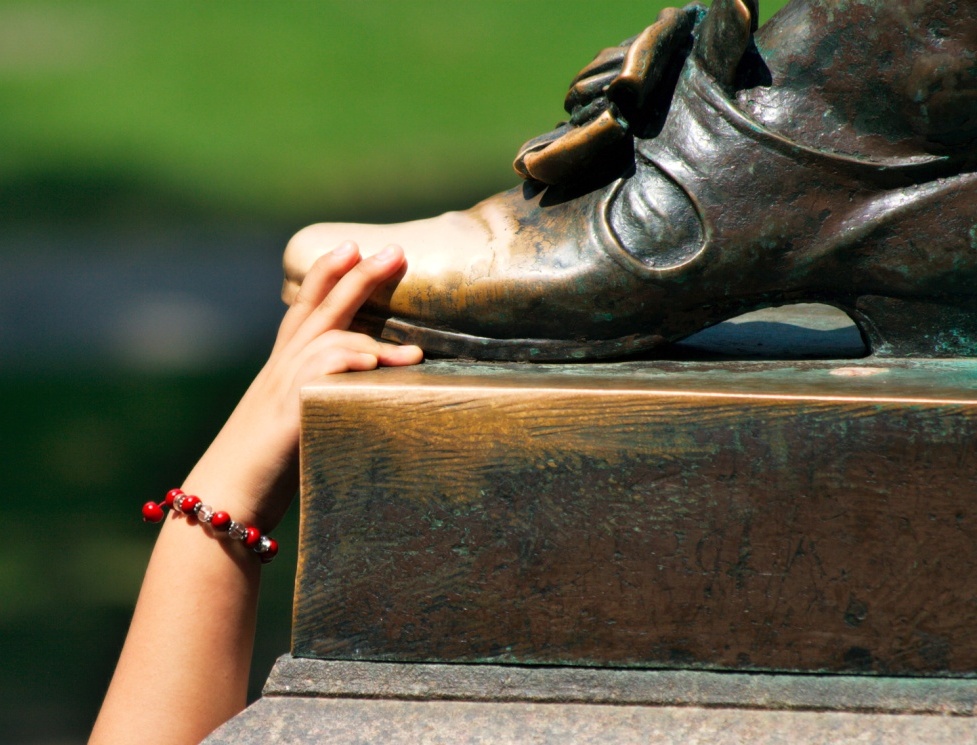 🇮🇪 IrelandStatue rubbing
A tourist custom of touching statues to attract luck, love, or a return visit.Belief · Luck and prosperity · Love and attraction Living
🇸🇪 SwedenÁlfablót
A late autumn homestead ritual to elves and ancestors in pagan ScandinaviaRite · Speaking with spirits and the dead · Healing Historical
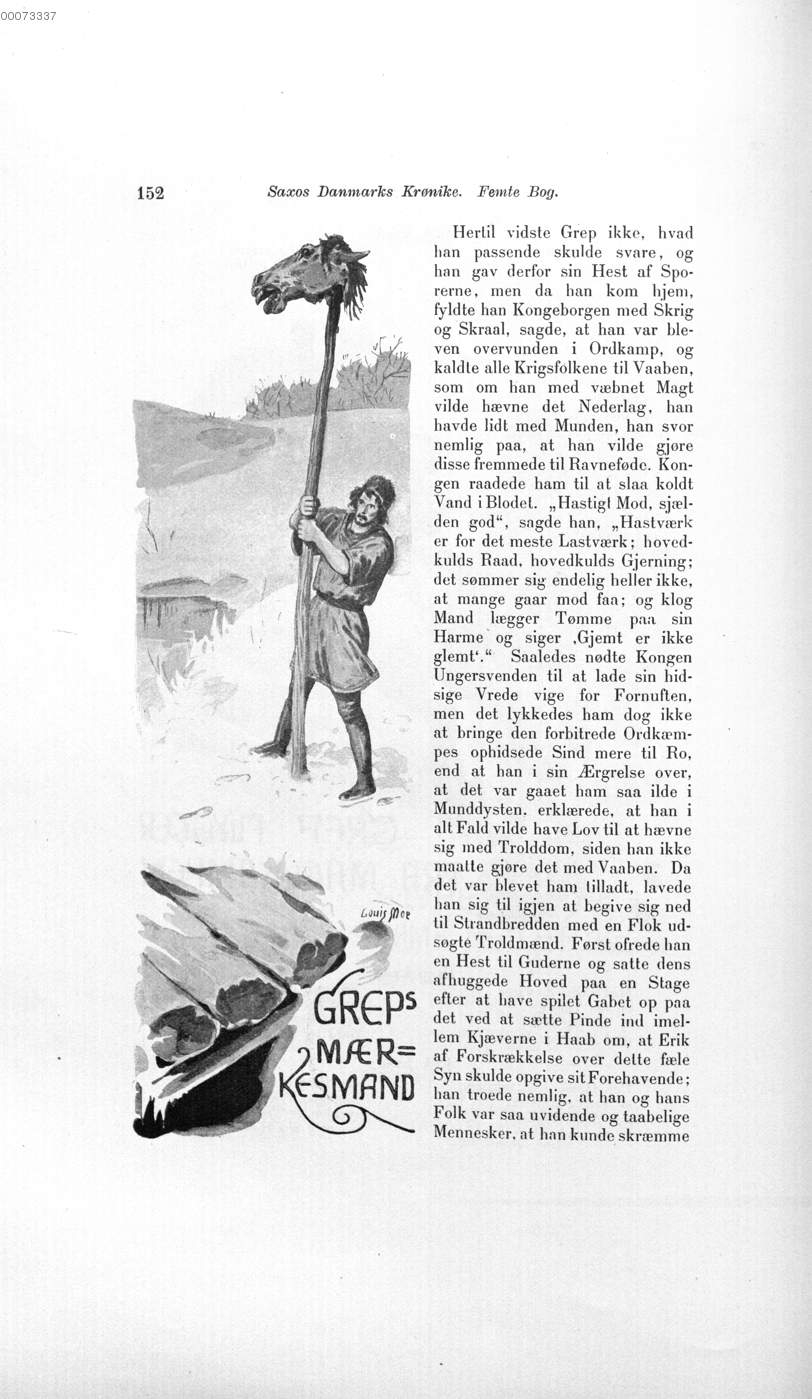 🇮🇸 Iceland and 1 moreNithing poleníðstǫng
A curse pole from Norse tradition used to shame or harm an enemyRite · Cursing and harm Living
 🇷🇸 Serbia and 2 moreBibiBibijako Dive
A Romani holiday honoring a protective aunt figure for family and children's healthRite · Protection · Healing Living
 🇩🇪 Germany and 5 moreLutzelfrau
A German Alpine witch who brings fruit or punishes childrenFigure · Protection · Cursing and harm Living
 🇵🇱 Poland and 4 moreMoranaМорена
A Slavic goddess of winter and death, whose effigy is drowned to welcome springFigure · Cursing and harm · Power and authority Living
 🇪🇸 SpainQueimada
A Galician punch set alight while a spell is recited to drive off bad spiritsTradition · Protection Living
🇫🇮 Finland and 1 moreFrog coffin
A Finnish folk magic burial of a frog in a tiny coffin to steal luck or reflect harmRite · Protection · Cursing and harm Historical
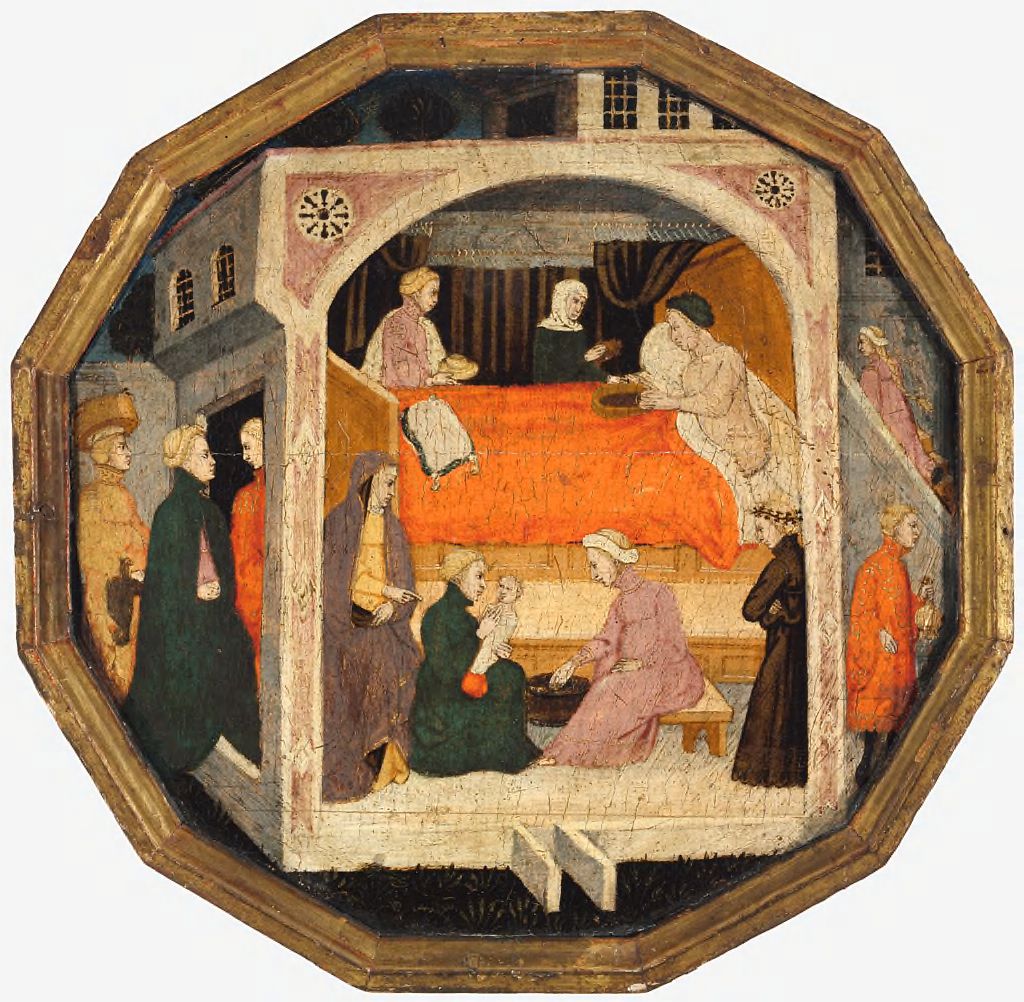 🇬🇧 United KingdomLying-in
A period of bed rest and care for new mothers in European traditionRite · Healing · Speaking with spirits and the dead Historical
 🇷🇴 Romania and 2 moreCaloian
A Romanian clay effigy ritual for rain and fertility, featuring a mock funeralRite · Luck and prosperity Fading
🇫🇮 Finland and 2 moreSaint Knut's Daytjugondag jul; nuutinpäivä
A January festival ending the Christmas season with tree removal and traditional visits.Rite · Cleansing and purification Living
🇩🇪 Germany and 4 moreNeed-firezjarri i gjallë
A ritual fire lit by friction to protect communities from disease and misfortuneRite · Protection · Healing Historical
Photo credits on this page
The small pictures above come from Wikimedia Commons under free licences. Some are cropped to fit.
- Burning of Judas: Unknown author, Public domain, source
- Halloween: Toby Ord, CC BY-SA 2.5, source
- Maypole: Uploaded by Mikael Häggström, CC0, source
- Freyja: John Bauer, Public domain, source
- St John's Eve: Jules Breton, Public domain, source
- Up Helly Aa: Mike Pennington, CC BY-SA 2.0, source
- Winter solstice: Image by Przemyslaw " Blueshade " Idzkiewicz, CC BY-SA 2.0, source
- Saint Andrew's Day: Henryk Siemiradzki, Public domain, source
- Walpurgis Night: Luis Ricardo Falero, Public domain, source
- Need-fire: Unknown author, Public domain, source
- Mari Lwyd: Thomas Christopher Evans (Cadrawd), Public domain, source
- Libation: Arkady Zarubin ( Аркадий Зарубин ), CC BY-SA 3.0, source
- Death knell: Dougsim, CC BY-SA 4.0, source
- Statue rubbing: Matthias Rosenkranz, CC BY-SA 2.0, source
- Midsummer: Kora27, CC BY-SA 4.0, source
- Kukeri: Nenko Lazarov, CC BY 2.5, source
- Beating the bounds: Andrew Gray, CC BY-SA 2.0, source
- Bibi: Andrija12345678, CC BY-SA 4.0, source
- Trick-or-treating: Toyah Anette B, Public domain, source
- May Day: Bryan Ledgard, CC BY 2.0, source
- Bonfire: S Marshall, CC BY 3.0, source
- Badalisc: Luca Giarelli, CC BY-SA 3.0, source
- Builders' rites: U.S. Government, Public domain, source
- Astragalomancy: Roland zh, CC BY-SA 3.0, source
- Easter Fire: Jürgen Eissink, CC BY-SA 4.0, source
- Nithing pole: r Saxo Gramaticus; tr. (Danish) Frederik Winkel Horn; illus. Louis Moe, Public domain, source
- Mummers' play: Aladjov, CC BY 3.0, source
- Lutzelfrau: Karel Rozum, Public domain, source
- Morana: Marta Malina Moraczewska, CC BY-SA 4.0, source
- Queimada: No machine-readable author provided. Rapomon assumed (based on copyrig, Public domain, source
- Yule log: Pehr Arvid Säve (1811—1887), Public domain, source
- Lying-in: Francesco di Michele, Public domain, source
- Caloian: Costică Acsinte Archive, No restrictions, source
- Molybdomancy: Micha L. Rieser, Attribution, source