Magicians, witches and legendary figures
The wise woman, the sorcerer, the legendary mage: Merlin, Baba Yaga, Circe and their kin.
Magical figures are the people, real and legendary, who stand for magic: Merlin, Baba Yaga, Circe, Hermes Trismegistus, Dr John Dee, Madame Blavatsky, the sorcerer in a village story, the Bulgarian seer Baba Vanga, and the performers Houdini and Chung Ling Soo. Some lived, some are composite, and some are pure myth. This page looks at who becomes a magic figure, and why. They are described here as stories and as history, and kept apart.
Who becomes a figure
Figures often sit at the edge of society. In many stories the witch is an older woman living alone, the sorcerer a foreigner or a rival tribe, the wise man a hermit. Real figures include John Dee, adviser to Elizabeth I, and Agrippa, whose De occulta philosophia (1533) shaped European occultism. Others are legend: Merlin appears in Welsh and French tales, and Baba Yaga is a Slavic folk figure who both helps and threatens.
Gender and reputation
The witch figure has been mostly female in Europe, where trials in the sixteenth and seventeenth centuries killed tens of thousands of people, most of them women. In other places accusation falls on men, on the old, on the poor or on the outsider. The learned magician, by contrast, was often male, literate and protected by rank, a division that shows how class shaped who was punished. Not every figure carries a stigma: Chinese immortals, Indian rishis and Irish saints are honoured, and the line between holy person and magician depends on who is telling the story.
Colonial and modern use
Missionary and colonial writers often cast African and Indigenous healers as the witch-doctor, a term most communities reject. The word covers healers, diviners and rulers who had very different roles. Today, figures are re-used in fantasy and branding. The Merlin of modern fantasy films is a long way from the Welsh Myrddin, and the name of a real tradition may be turned into a costume. Their stories have also been tools of politics: rulers have claimed legendary magicians as ancestors, and enemies have painted rivals as sorcerers to justify their removal.
Scholars and the real person
Historians separate documented people from legend and warn that many reports of magicians were written by their enemies. Evidence for some famous names, including Hermes Trismegistus, who was long thought to be an Egyptian sage, turned out to be later Greek-language writings. Treating a figure as legend rather than biography is no insult to those who revere them. A figure who may be a real person with a name, a date and a grave belongs in a different category from a legend, even when popular memory blends them, and the entries here try to keep them separate.
Figure on EveryJaadu
The entries written up so far, best known first.
 🇬🇧 United KingdomMatthew Hopkins
The English witch-hunter who led the deadliest wave of executions in Britain.Figure · Cursing and harm Historical
🇮🇹 Italy and 1 moreAradia
A figure of Italian folklore and modern pagan witchcraft, seen as a teacher of magic and liberation.Figure · Cursing and harm · Power and authority Revived
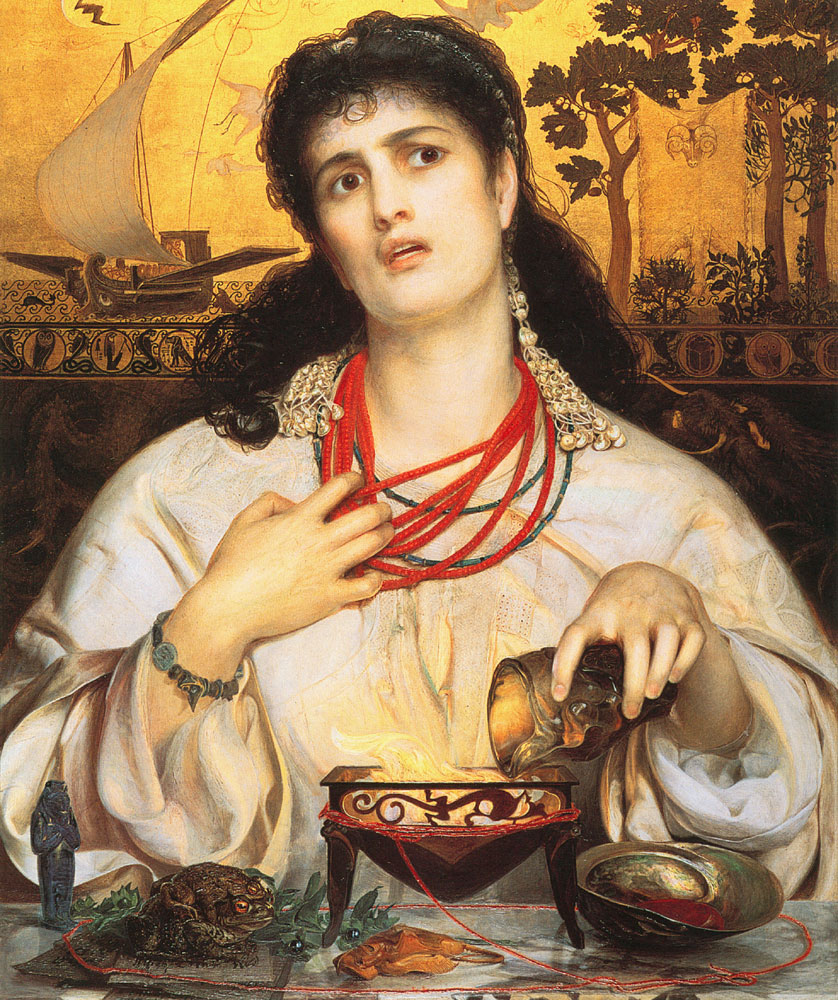 🇬🇷 GreeceMedeaΜήδεια
A sorceress and princess of Colchis who aids Jason and uses magic for revenge.Figure · Cursing and harm · Healing Legendary
 🇫🇷 France and 1 moreBaphomet
A name from medieval trials and a symbol of occult equilibriumFigure · Power and authority Legendary
🇬🇧 United Kingdom and 1 moreBugbear
A medieval English creature used to frighten children into obedienceFigure · Cursing and harm Legendary
🇬🇷 GreeceBaba Yaga (sample)Баба-яга
A witch of Slavic tales who lives in a hut on legs.Figure · Change and initiation Legendary
 🇫🇮 Finland and 1 moreSampo
A magical mill or world pillar in Finnish and Estonian mythology that produces wealth.Figure · Luck and prosperity · Power and authority Historical
 🇳🇱 Netherlands and 3 morePig-faced women
A European legend of a woman with the face of a pig, and the charms used to break her curseFigure · Change and initiation Historical
🇷🇺 RussiaMagic tablecloth
A cloth that produces food and meals when spread out in fairy talesFigure · Luck and prosperity · Protection Legendary
 🇬🇷 Greece and 1 moreGolden FleeceΧρυσόμαλλον δέρας
A magical ram's skin from Greek myth, symbol of kingship and a quest objectFigure · Power and authority Legendary
 🇺🇦 UkraineGhost of KyivПривид Києва
A wartime legend of a mythical fighter pilot who rallied Ukrainian morale.Figure · Power and authority Historical
 🇮🇹 Italy and 1 moreHippogriffippogrifo
A legendary hybrid creature with the front of an eagle and the back of a horse.Figure · Wonder and entertainment Legendary
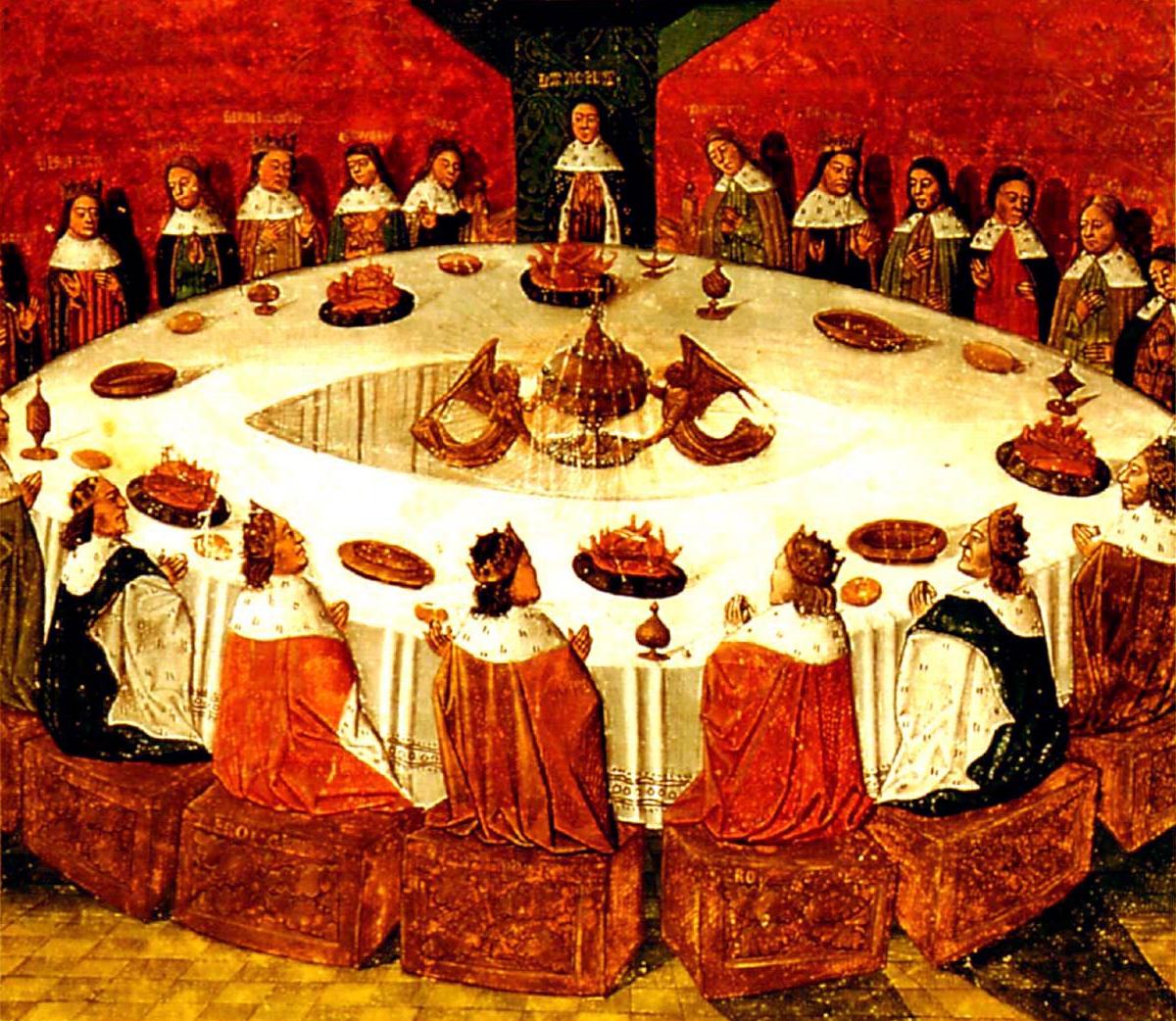 🇬🇧 United Kingdom and 1 moreRound Tablela Table ronde
A legendary table with no head, symbolizing equality among King Arthur's knights.Figure · Power and authority Legendary
 🇫🇷 France and 2 moreMelusineMélusine
A water spirit of French and Luxembourgish lore, known for her serpent form and the castles she built.Figure · Luck and prosperity · Power and authority Legendary
 🇮🇪 Ireland and 1 moreFionn mac CumhaillFionn mac Cumaill
A legendary Irish hero and leader of the Fianna warrior bandFigure · Power and authority · Wonder and entertainment Legendary
🇪🇪 Estonia and 1 moreKalevaKalev
A primordial giant and ancestral figure in the mythologies of Estonia and FinlandBeing · Power and authority Historical
 🇷🇺 RussiaGolden apple
A mythical fruit that sparks quests, wars, and linguistic confusion across culturesFigure · Cursing and harm · Luck and prosperity Legendary
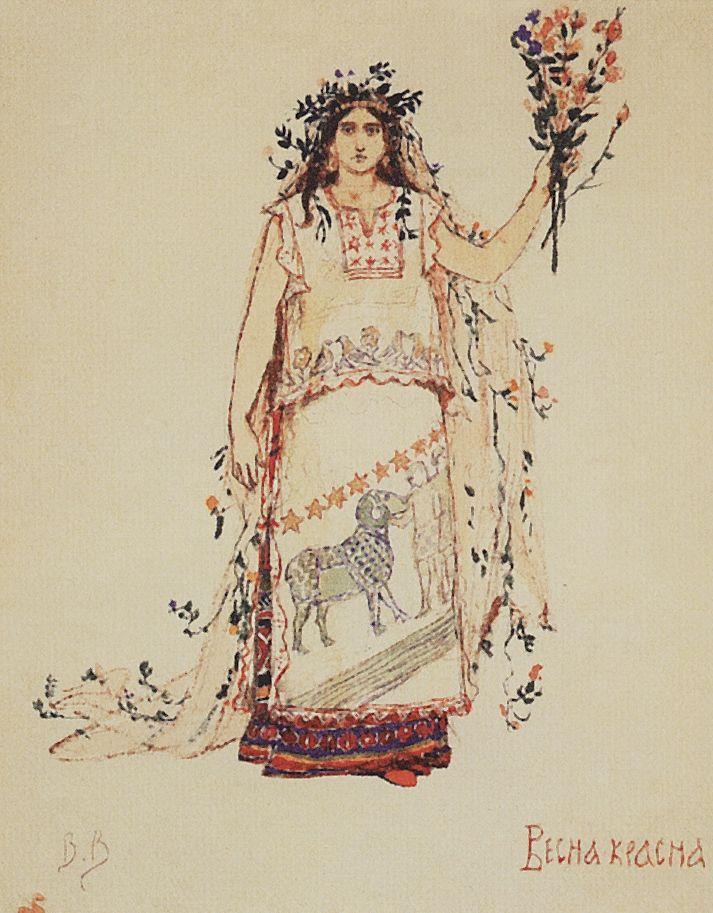 🇸🇮 Slovenia and 5 moreVesnaВесна
A Slavic personification of spring and youth, known in myth and languageFigure · Luck and prosperity Historical
 🇷🇸 Serbia and 5 moreWolves in folklore, religion and mythology
A global survey of how cultures view the wolf as symbol, spirit or threatBelief · Power and authority · Cursing and harm Historical
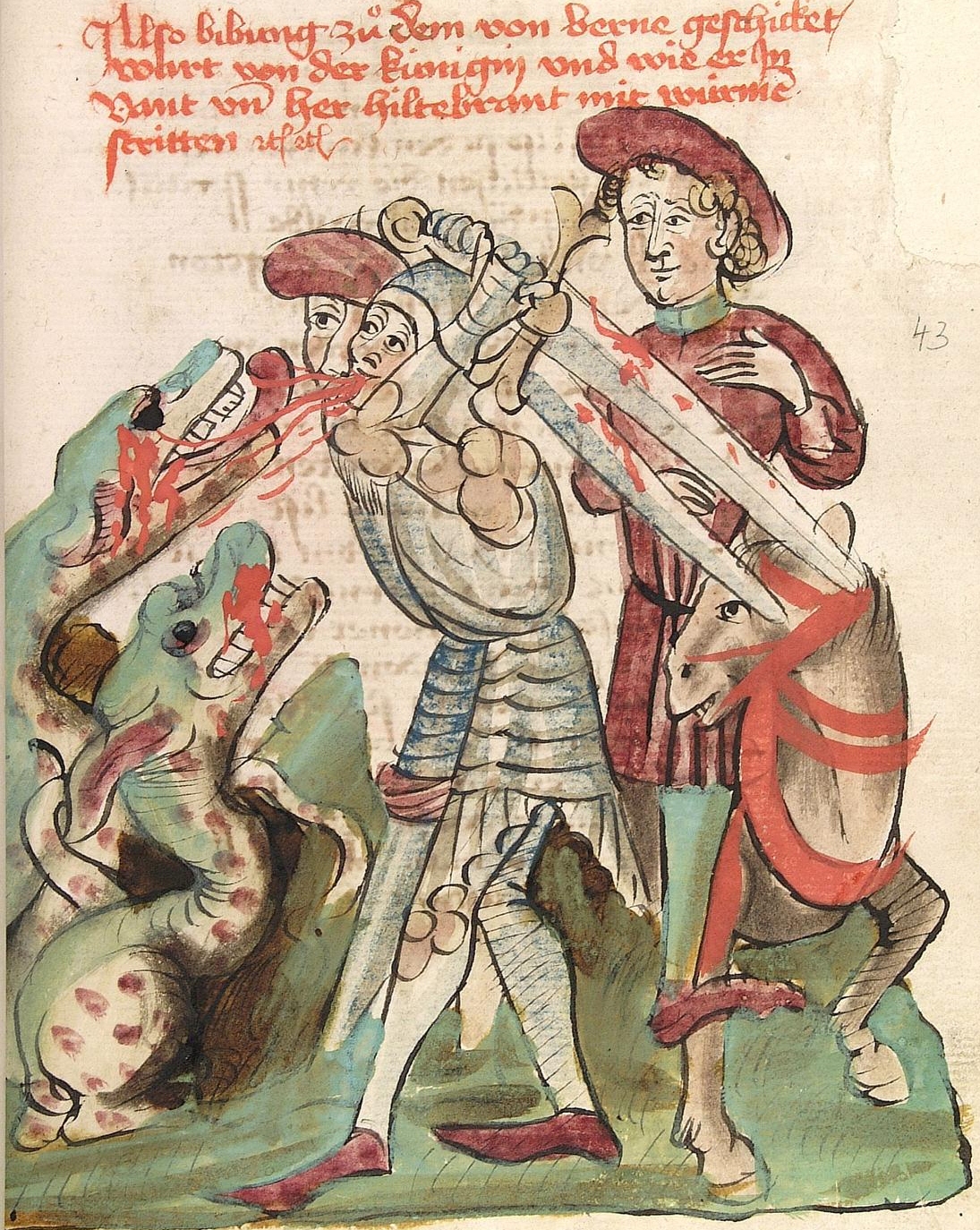 🇩🇪 Germany and 2 moreDietrich von Bern
A legendary Germanic hero based on the Ostrogothic king Theodoric the GreatFigure · Power and authority Historical
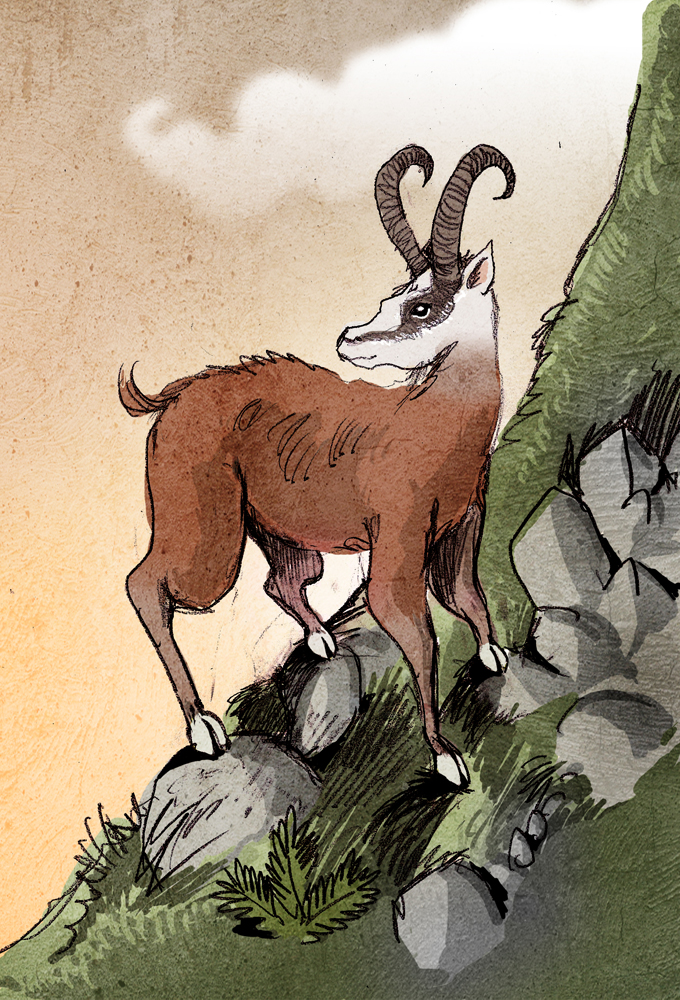 🇫🇷 France and 3 moreDahu
A French mountain legend about an asymmetrical goat used in practical jokesFigure · Wonder and entertainment Legendary
 🇮🇪 Ireland and 4 moreFairy Queen
A female ruler of fairies found in folklore, literature, and witchcraft trials across Europe.Figure · Power and authority Historical
 🇷🇺 Russia and 1 moreBabayБабай
A night spirit in Slavic folklore used to frighten children into sleepingFigure · Cursing and harm Legendary
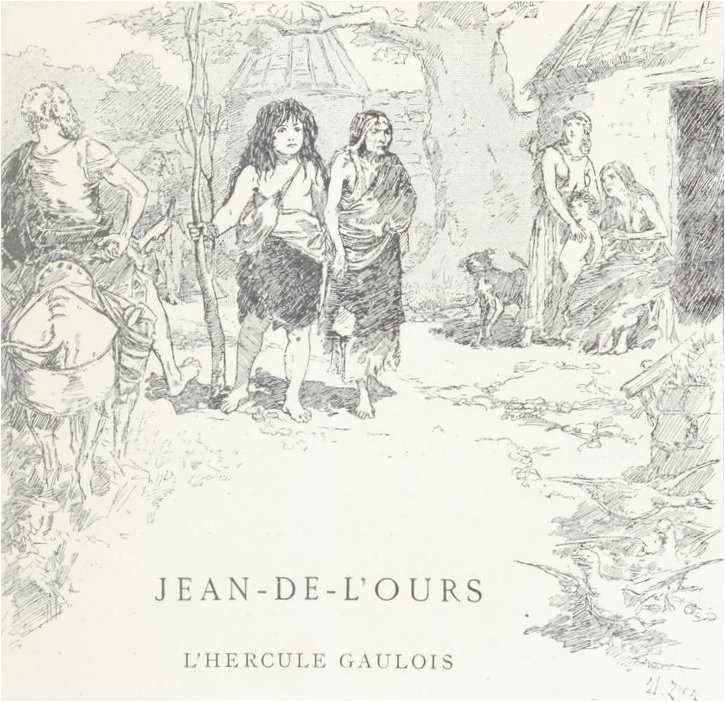 🇫🇷 France and 4 moreJean de l'Ours
A half-bear folk hero who rescues princesses from an underworld giant.Figure · Power and authority Legendary
 🇬🇷 Greece and 1 moreCacodemonκακοδαίμων (kakodaimōn)
An ancient Greek evil spirit, depicted as a horned youth and used in literature and games.Being · Cursing and harm Legendary
 🇬🇧 United Kingdom and 2 moreJenny Greenteeth
A river-hag from English folklore used to warn children away from dangerous watersFigure · Cursing and harm Legendary
 🇬🇧 United Kingdom and 1 moreOwlmanKowanden
A winged humanoid creature from Cornish folklore, linked to a 1976 sighting event.Figure Legendary
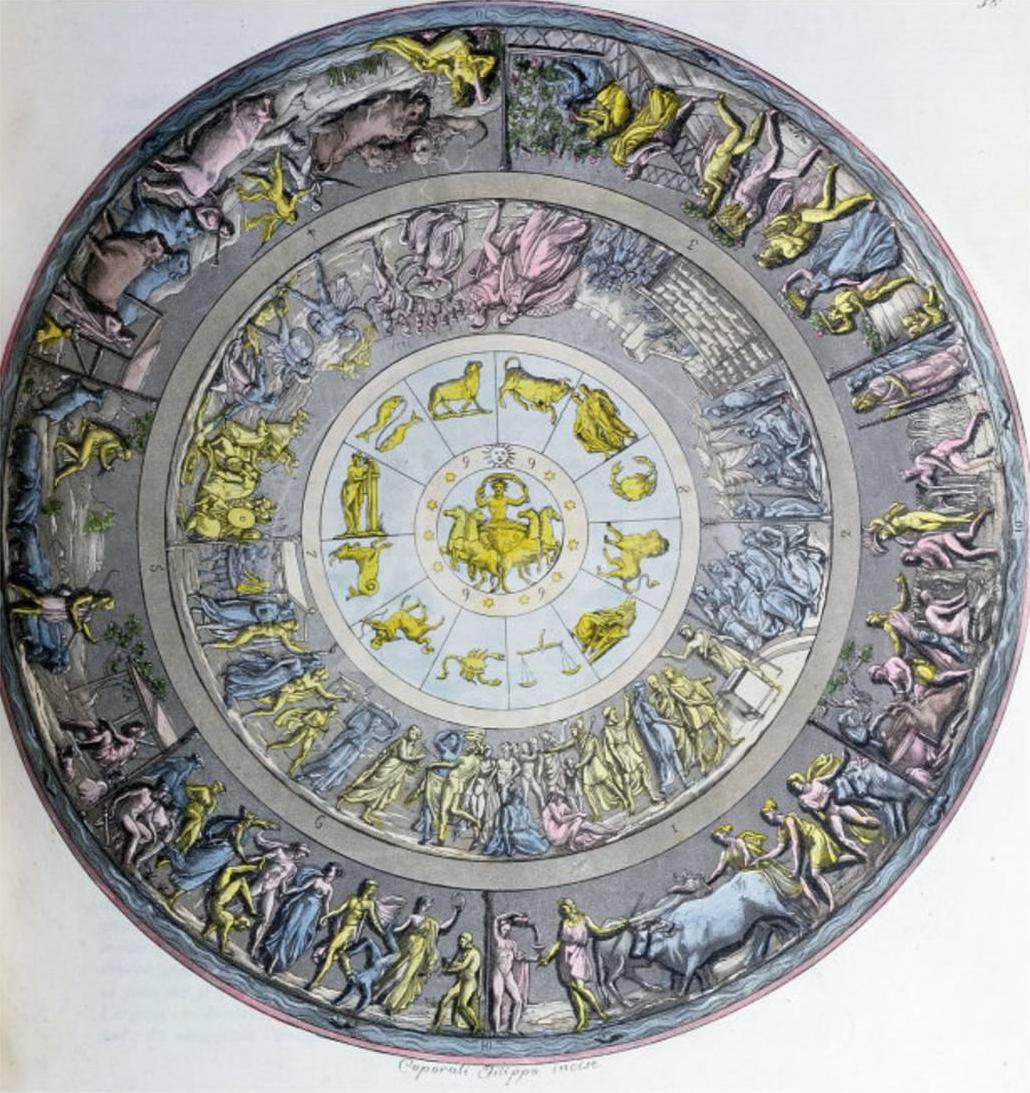 🇬🇷 GreeceShield of Achilles
A mythical shield forged by Hephaestus, decorated with a complete picture of the world and human life.Figure · Power and authority Legendary
 🇮🇪 IrelandMerrowmurúch
A sea creature from Irish folklore, known for its magical cap and singing voice.Figure · Wonder and entertainment Legendary
 🇪🇪 EstoniaVanapaganVanatühi
A giant farmer and underworld figure from Estonian folklore who is often outwitted.Figure · Cursing and harm Legendary
 🇷🇺 Russia and 12 moreOgnyena MariaОгнена Марија
A Slavic fire goddess linked to lightning, rain, and seasonal fire bansFigure · Protection · Healing Living
 🇷🇺 RussiaTriple-headed eagle
A heraldic and mythological bird with three heads, appearing in Russian symbolism and European manuscripts.Being · Power and authority Historical
🇦🇲 Armenia and 2 moreAzhdahakԱժդահակ
A dragon-like demon of Armenian and Iranian myth, imprisoned in a mountain until the end of time.Figure · Cursing and harm Legendary
🇮🇹 Italy and 1 moreCola Pesce
An Italian merman legend about a boy cursed by his mother to live in the seaFigure · Cursing and harm · Seeing and foretelling Historical
 🇮🇪 IrelandFour Treasures of the Tuatha Dé DanannCeithre Bhua na Tuath Dé Danann
Four magical items brought to Ireland by the mythological Tuatha Dé DanannFigure · Wonder and entertainment Legendary
🇬🇪 GeorgiaOchokochiოჩოკოჩი
A Georgian mythic figure who kills travelers and chases the Queen of the ForestFigure Legendary
🇮🇹 ItalyLariosauro
A lake monster legend from Lake Como, Italy, born from newspaper hoaxes and misidentified animals.Figure · Wonder and entertainment Legendary
 🇪🇪 EstoniaThe Dragon of the NorthPõhja konn
A legendary frog-like monster from Estonian folklore, later reimagined as a cultural guardian.Figure · Cursing and harm · Protection Legendary
 🇩🇪 Germany and 2 moreWitege
A Germanic legendary warrior who shifts from loyal companion to traitor in epic poems.Figure · Power and authority Legendary
 🇫🇮 Finland and 1 moreLemminkäinen
A shaman-hero of Finnish and Karelian myth who dies and is resurrected by his motherFigure · Wonder and entertainment Legendary
🇮🇹 ItalyMonacielloMunaciello
A Neapolitan sprite linked to the city's underground waterways and hidden wealth.Figure · Luck and prosperity · Cursing and harm Legendary
 🇮🇹 ItalyScrofa semilanuta
A legendary sow seen in a dream that became the ancient emblem of Milan.Figure · Wonder and entertainment · Seeing and foretelling Historical
🇮🇪 IrelandLeabharcham
A nurse in the Ulster Cycle who raised Deirdre and delivered a tragic verdictFigure Legendary
 🇬🇷 Greece and 1 moreSea Swine
A mythical sea creature depicted with dragon feet and a navel eye in early mapsFigure · Wonder and entertainment Legendary
🇮🇸 IcelandHjúki and Bil
A brother and sister pair from Norse mythology who follow the Moon across the skyFigure Legendary
🇬🇧 United KingdomNine sorceressesnaw chwaer
A group of nine magical women in Welsh and Arthurian legendFigure · Cursing and harm · Protection Historical
🇮🇪 IrelandAirmed
Irish goddess of healing plants, whose sorted herbs were scattered by envyFigure · Healing Legendary
🇬🇷 GreeceIatromantis
A Greek word for a healer who also saw what others could notFigure · Healing · Seeing and foretelling Historical
Photo credits on this page
The small pictures above come from Wikimedia Commons under free licences. Some are cropped to fit.
- Wolves in folklore, religion and mythology: Unknown author, CC0, source
- Vanapagan: Kristjan Raud, Public domain, source
- Medea: Frederick Sandys, Public domain, source
- Vesna: Viktor Vasnetsov, Public domain, source
- Melusine: GilPe, CC BY-SA 3.0, source
- Fairy: Henry Fuseli, Public domain, source
- Matthew Hopkins: Unknown author, CC BY 4.0, source
- Cacodemon: Louis Le Breton, Public domain, source
- Baphomet: Eliphas Levi, Public domain, source
- Shield of Achilles: Angelo Monticelli (1778-1837), Public domain, source
- Jean de l'Ours: Édouard François Zier (1856–1924), illustrator, Public domain, source
- Triple-headed eagle: Неизвестный автор. (фото обложки сборника: Александр Храмов), Public domain, source
- Ognyena Maria: Unknown author, Public domain, source
- Dahu: Philippe Semeria, CC BY 3.0, source
- Golden Fleece: Underworld Painter, Public domain, source
- Sea Swine: Jacob van Maerlant, Public domain, source
- Round Table: Évrard d'Espinques, Public domain, source
- Golden apple: Guido Reni, Public domain, source
- Pig-faced women: DubhEire, CC0, source
- The Dragon of the North: Ivo Kruusamägi, CC BY-SA 4.0, source
- Scrofa semilanuta: M.casanova, CC BY-SA 4.0, source
- Babay: Kyoukaa, CC BY-SA 4.0, source
- Owlman: Krzysztof Wisniewski, CC BY-SA 4.0, source
- Lemminkäinen: Akseli Gallen-Kallela, Public domain, source
- Four Treasures of the Tuatha Dé Danann: spud murphy, CC BY-SA 2.0, source
- Merrow: Andreas F. Borchert, CC BY-SA 4.0, source
- Witege: Max Koch, (1859–1930), Public domain, source
- Fionn mac Cumhaill: Ary Scheffer / Formerly attributed to Anne-Louis Girodet, Public domain, source
- Dietrich von Bern: Workshop of Diebolt Lauber, Hagenau 1444-1448, CC BY-SA 3.0, source
- Jenny Greenteeth: Jayan.thanal, CC BY-SA 4.0, source
- Hippogriff: LadyofHats, CC0, source
- Sampo: Väinö Blomstedt, Public domain, source
- Ghost of Kyiv: Андрій Данкович / Andriy Dankovych, CC BY-SA 4.0, source