Magicians, witches and legendary figures
The wise woman, the sorcerer, the legendary mage: Merlin, Baba Yaga, Circe and their kin.
Magical figures are the people, real and legendary, who stand for magic: Merlin, Baba Yaga, Circe, Hermes Trismegistus, Dr John Dee, Madame Blavatsky, the sorcerer in a village story, the Bulgarian seer Baba Vanga, and the performers Houdini and Chung Ling Soo. Some lived, some are composite, and some are pure myth. This page looks at who becomes a magic figure, and why. They are described here as stories and as history, and kept apart.
Who becomes a figure
Figures often sit at the edge of society. In many stories the witch is an older woman living alone, the sorcerer a foreigner or a rival tribe, the wise man a hermit. Real figures include John Dee, adviser to Elizabeth I, and Agrippa, whose De occulta philosophia (1533) shaped European occultism. Others are legend: Merlin appears in Welsh and French tales, and Baba Yaga is a Slavic folk figure who both helps and threatens.
Gender and reputation
The witch figure has been mostly female in Europe, where trials in the sixteenth and seventeenth centuries killed tens of thousands of people, most of them women. In other places accusation falls on men, on the old, on the poor or on the outsider. The learned magician, by contrast, was often male, literate and protected by rank, a division that shows how class shaped who was punished. Not every figure carries a stigma: Chinese immortals, Indian rishis and Irish saints are honoured, and the line between holy person and magician depends on who is telling the story.
Colonial and modern use
Missionary and colonial writers often cast African and Indigenous healers as the witch-doctor, a term most communities reject. The word covers healers, diviners and rulers who had very different roles. Today, figures are re-used in fantasy and branding. The Merlin of modern fantasy films is a long way from the Welsh Myrddin, and the name of a real tradition may be turned into a costume. Their stories have also been tools of politics: rulers have claimed legendary magicians as ancestors, and enemies have painted rivals as sorcerers to justify their removal.
Scholars and the real person
Historians separate documented people from legend and warn that many reports of magicians were written by their enemies. Evidence for some famous names, including Hermes Trismegistus, who was long thought to be an Egyptian sage, turned out to be later Greek-language writings. Treating a figure as legend rather than biography is no insult to those who revere them. A figure who may be a real person with a name, a date and a grave belongs in a different category from a legend, even when popular memory blends them, and the entries here try to keep them separate.
Figure on EveryJaadu
The entries written up so far, best known first.
 🇬🇧 United KingdomWilliam Lilly
A seventeenth-century English astrologer and author who shaped Western tradition.Text · Seeing and foretelling · Power and authority Historical
🇬🇧 United KingdomWilliam Lilly
A seventeenth-century English astrologer and author who shaped Western tradition.Text · Seeing and foretelling · Power and authority Historical
 🇮🇹 Italy and 1 morePietro d'Abano
A medieval physician and astrologer accused of heresy and magic.Text · Healing · Wonder and entertainment Historical
🇫🇷 France and 5 moreCount of St. GermainComte de Saint Germain
An 18th-century European adventurer known for alchemy, music, and claims of immortality.Figure · Power and authority · Wonder and entertainment Historical
🇮🇪 IrelandBodach
A Gaelic trickster figure used to frighten children and warn of deathFigure · Cursing and harm · Seeing and foretelling Historical
🇮🇹 Italy and 1 morePietro d'Abano
A medieval physician and astrologer accused of heresy and magic.Text · Healing · Wonder and entertainment Historical
🇫🇷 France and 5 moreCount of St. GermainComte de Saint Germain
An 18th-century European adventurer known for alchemy, music, and claims of immortality.Figure · Power and authority · Wonder and entertainment Historical
🇮🇪 IrelandBodach
A Gaelic trickster figure used to frighten children and warn of deathFigure · Cursing and harm · Seeing and foretelling Historical
 🇬🇧 United KingdomMother Shipton
An English prophetess and herbalist from folklore, known for predictions printed long after her death.Figure · Seeing and foretelling · Healing Historical
🇪🇸 SpainMaslama al-Majritiأبو القاسم مسلمة بن أحمد المجريطي
A tenth-century scholar of alchemy and astronomy in Islamic Spain.Figure · Wonder and entertainment · Power and authority Historical
🇬🇧 United KingdomMother Shipton
An English prophetess and herbalist from folklore, known for predictions printed long after her death.Figure · Seeing and foretelling · Healing Historical
🇪🇸 SpainMaslama al-Majritiأبو القاسم مسلمة بن أحمد المجريطي
A tenth-century scholar of alchemy and astronomy in Islamic Spain.Figure · Wonder and entertainment · Power and authority Historical
 🇮🇹 Italy and 2 moreHaruspex
A diviner who read the will of gods by inspecting animal entrailsFigure · Seeing and foretelling · Speaking with spirits and the dead Historical
🇮🇹 Italy and 2 moreHaruspex
A diviner who read the will of gods by inspecting animal entrailsFigure · Seeing and foretelling · Speaking with spirits and the dead Historical
 🇬🇧 United Kingdom and 3 moreEdward Kelley
An English occultist and scryer who worked with John Dee to contact angels and practice alchemy.Figure · Power and authority · Wonder and entertainment Historical
🇬🇧 United Kingdom and 3 moreEdward Kelley
An English occultist and scryer who worked with John Dee to contact angels and practice alchemy.Figure · Power and authority · Wonder and entertainment Historical
 🇮🇹 ItalyWitches of Benevento
A medieval Italian legend of witches gathering under a walnut treeBelief · Cursing and harm · Luck and prosperity Historical
🇮🇹 ItalyWitches of Benevento
A medieval Italian legend of witches gathering under a walnut treeBelief · Cursing and harm · Luck and prosperity Historical
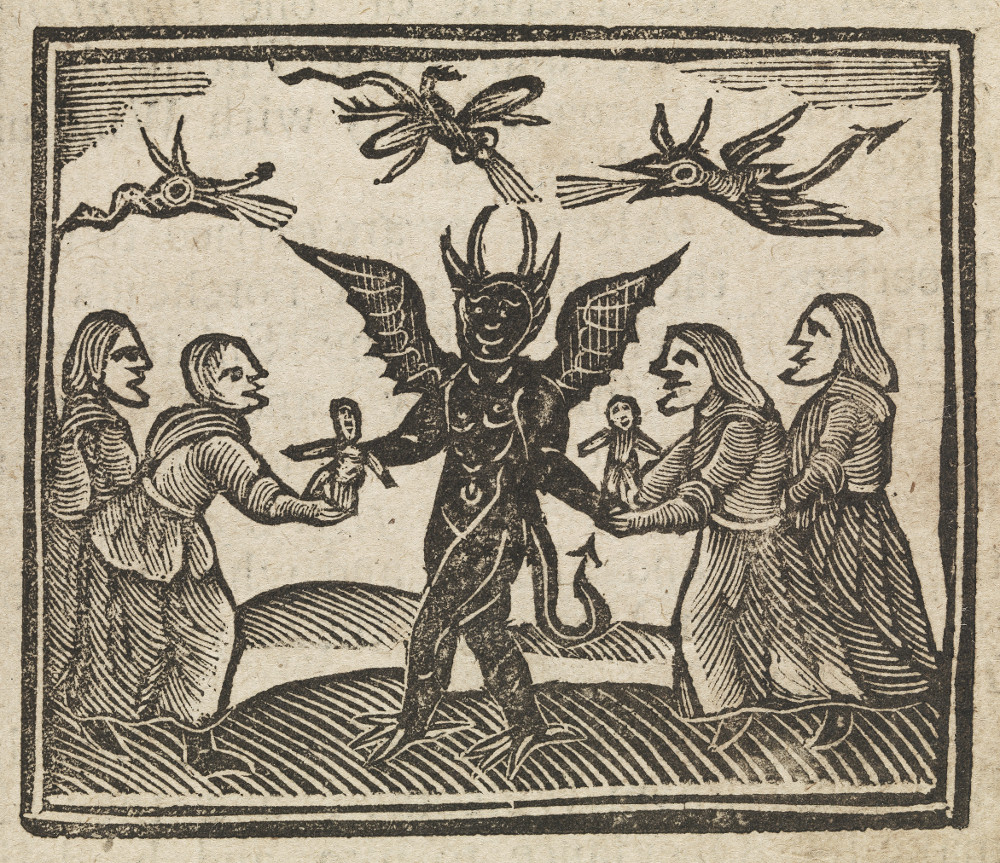 🇬🇧 United KingdomAgnes Sampson
A Scottish healer executed for witchcraft during the North Berwick trials.Figure Historical
🇬🇧 United KingdomAgnes Sampson
A Scottish healer executed for witchcraft during the North Berwick trials.Figure Historical
 🇪🇸 SpainSorginak
Mythical beings and historical figures associated with Basque witchcraft and the goddess Mari.Figure · Speaking with spirits and the dead · Cursing and harm Historical
🇪🇸 SpainSorginak
Mythical beings and historical figures associated with Basque witchcraft and the goddess Mari.Figure · Speaking with spirits and the dead · Cursing and harm Historical
 🇬🇧 United KingdomMatthew Hopkins
The English witch-hunter who led the deadliest wave of executions in Britain.Figure · Cursing and harm Historical
🇬🇧 United KingdomMatthew Hopkins
The English witch-hunter who led the deadliest wave of executions in Britain.Figure · Cursing and harm Historical
 🇫🇮 Finland and 1 moreSampo
A magical mill or world pillar in Finnish and Estonian mythology that produces wealth.Figure · Luck and prosperity · Power and authority Historical
🇫🇮 Finland and 1 moreSampo
A magical mill or world pillar in Finnish and Estonian mythology that produces wealth.Figure · Luck and prosperity · Power and authority Historical
 🇳🇱 Netherlands and 3 morePig-faced women
A European legend of a woman with the face of a pig, and the charms used to break her curseFigure · Change and initiation Historical
🇳🇱 Netherlands and 3 morePig-faced women
A European legend of a woman with the face of a pig, and the charms used to break her curseFigure · Change and initiation Historical
 🇺🇦 UkraineGhost of KyivПривид Києва
A wartime legend of a mythical fighter pilot who rallied Ukrainian morale.Figure · Power and authority Historical
🇪🇪 Estonia and 1 moreKalevaKalev
A primordial giant and ancestral figure in the mythologies of Estonia and FinlandBeing · Power and authority Historical
🇺🇦 UkraineGhost of KyivПривид Києва
A wartime legend of a mythical fighter pilot who rallied Ukrainian morale.Figure · Power and authority Historical
🇪🇪 Estonia and 1 moreKalevaKalev
A primordial giant and ancestral figure in the mythologies of Estonia and FinlandBeing · Power and authority Historical
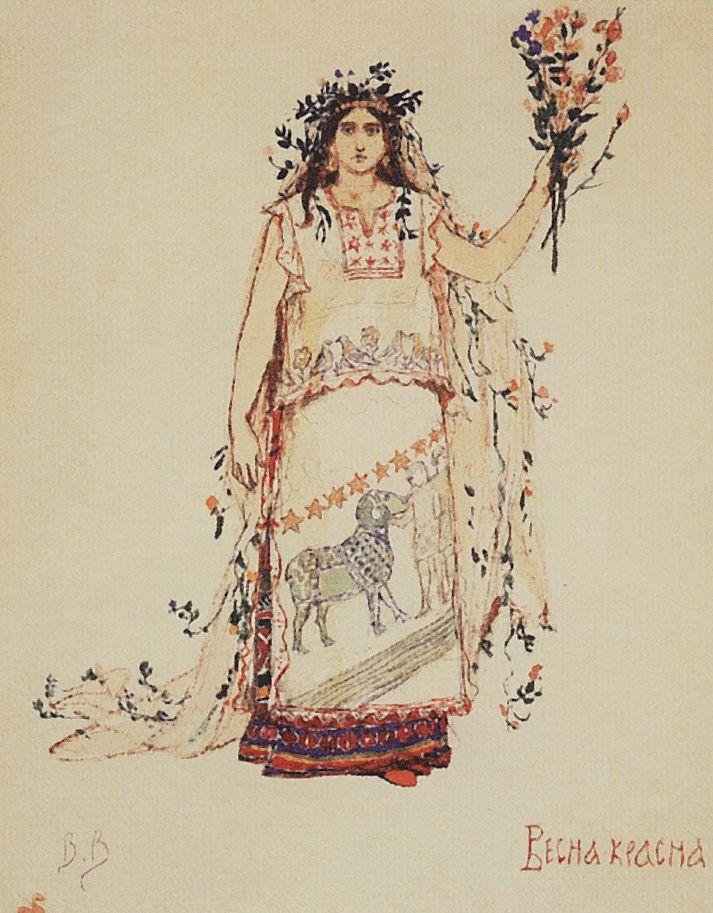 🇸🇮 Slovenia and 5 moreVesnaВесна
A Slavic personification of spring and youth, known in myth and languageFigure · Luck and prosperity Historical
🇸🇮 Slovenia and 5 moreVesnaВесна
A Slavic personification of spring and youth, known in myth and languageFigure · Luck and prosperity Historical
 🇷🇸 Serbia and 5 moreWolves in folklore, religion and mythology
A global survey of how cultures view the wolf as symbol, spirit or threatBelief · Power and authority · Cursing and harm Historical
🇷🇸 Serbia and 5 moreWolves in folklore, religion and mythology
A global survey of how cultures view the wolf as symbol, spirit or threatBelief · Power and authority · Cursing and harm Historical
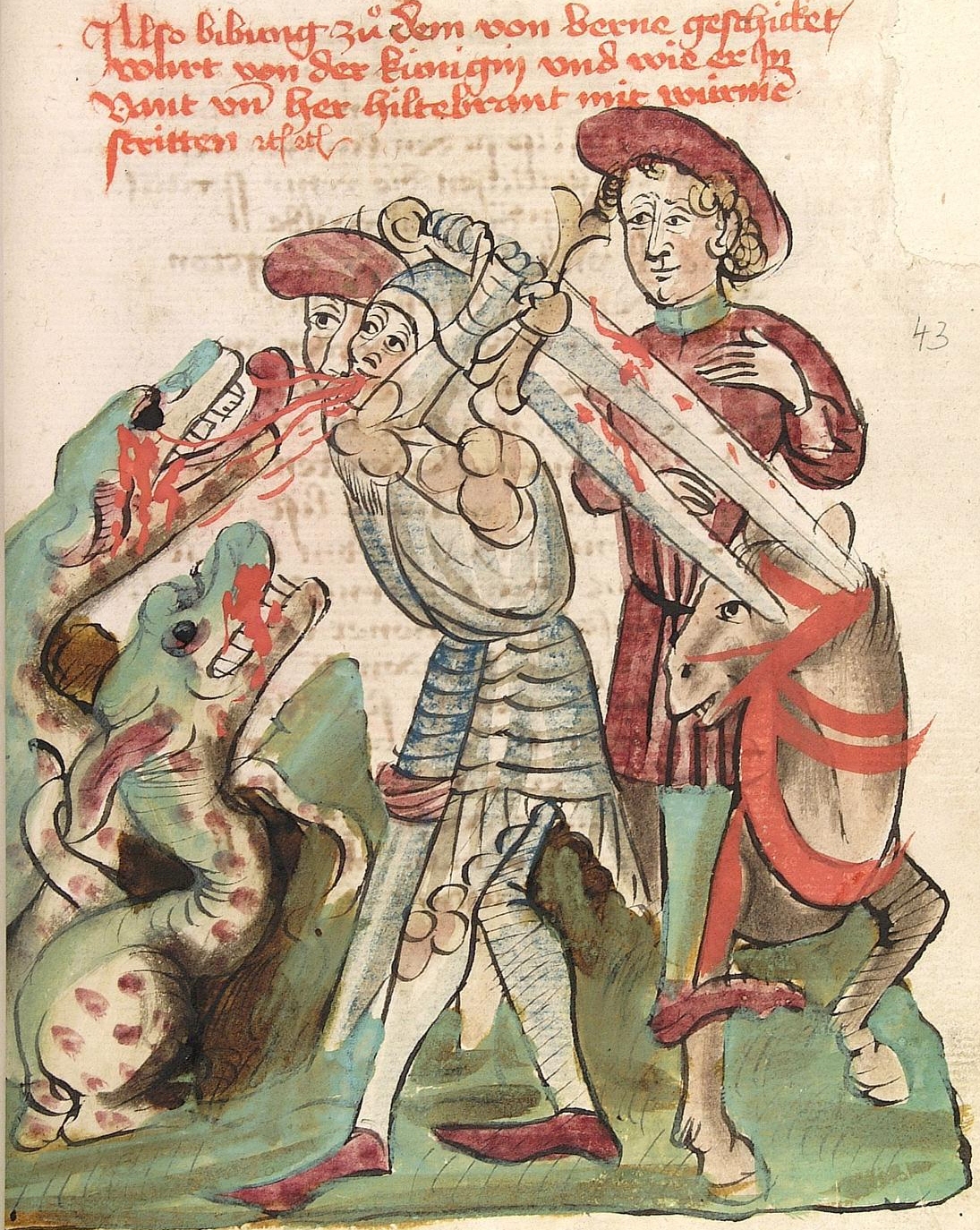 🇩🇪 Germany and 2 moreDietrich von Bern
A legendary Germanic hero based on the Ostrogothic king Theodoric the GreatFigure · Power and authority Historical
🇩🇪 Germany and 2 moreDietrich von Bern
A legendary Germanic hero based on the Ostrogothic king Theodoric the GreatFigure · Power and authority Historical
 🇮🇪 Ireland and 4 moreFairy Queen
A female ruler of fairies found in folklore, literature, and witchcraft trials across Europe.Figure · Power and authority Historical
🇮🇪 Ireland and 4 moreFairy Queen
A female ruler of fairies found in folklore, literature, and witchcraft trials across Europe.Figure · Power and authority Historical
 🇷🇺 RussiaTriple-headed eagle
A heraldic and mythological bird with three heads, appearing in Russian symbolism and European manuscripts.Being · Power and authority Historical
🇮🇹 Italy and 1 moreCola Pesce
An Italian merman legend about a boy cursed by his mother to live in the seaFigure · Cursing and harm · Seeing and foretelling Historical
🇷🇺 RussiaTriple-headed eagle
A heraldic and mythological bird with three heads, appearing in Russian symbolism and European manuscripts.Being · Power and authority Historical
🇮🇹 Italy and 1 moreCola Pesce
An Italian merman legend about a boy cursed by his mother to live in the seaFigure · Cursing and harm · Seeing and foretelling Historical
 🇮🇹 ItalyScrofa semilanuta
A legendary sow seen in a dream that became the ancient emblem of Milan.Figure · Wonder and entertainment · Seeing and foretelling Historical
🇬🇷 GreeceTrophoniusΤροφώνιος
A Greek hero turned subterranean oracle god at LebadeaFigure · Seeing and foretelling · Speaking with spirits and the dead Historical
🇪🇸 SpainGuañameñe
A Guanche prophet and the highest priestly rank in pre-conquest TenerifeFigure · Seeing and foretelling · Power and authority Historical
🇫🇷 FranceTempestarii
Medieval figures accused of controlling storms and the beliefs surrounding them.Belief · Cursing and harm · Protection Historical
🇬🇧 United KingdomNine sorceressesnaw chwaer
A group of nine magical women in Welsh and Arthurian legendFigure · Cursing and harm · Protection Historical
🇮🇹 ItalyScrofa semilanuta
A legendary sow seen in a dream that became the ancient emblem of Milan.Figure · Wonder and entertainment · Seeing and foretelling Historical
🇬🇷 GreeceTrophoniusΤροφώνιος
A Greek hero turned subterranean oracle god at LebadeaFigure · Seeing and foretelling · Speaking with spirits and the dead Historical
🇪🇸 SpainGuañameñe
A Guanche prophet and the highest priestly rank in pre-conquest TenerifeFigure · Seeing and foretelling · Power and authority Historical
🇫🇷 FranceTempestarii
Medieval figures accused of controlling storms and the beliefs surrounding them.Belief · Cursing and harm · Protection Historical
🇬🇧 United KingdomNine sorceressesnaw chwaer
A group of nine magical women in Welsh and Arthurian legendFigure · Cursing and harm · Protection Historical
 🇬🇧 United KingdomSpring-heeled Jack
A Victorian phantom known for leaping over walls and breathing fire.Figure · Cursing and harm Historical
🇬🇧 United KingdomSpring-heeled Jack
A Victorian phantom known for leaping over walls and breathing fire.Figure · Cursing and harm Historical
 🇫🇮 Finland and 2 moreTietäjä
A traditional Finnic healer and sage whose power came from memorised spells and deep knowledge.Figure · Healing · Protection Historical
🇫🇮 Finland and 2 moreTietäjä
A traditional Finnic healer and sage whose power came from memorised spells and deep knowledge.Figure · Healing · Protection Historical
 🇬🇧 United KingdomMadgy Figgy's Chair
A granite rock in Cornwall linked to a legendary witch and her storm conjuringFigure · Cursing and harm · Luck and prosperity Historical
🇷🇸 Serbia and 3 moreBožićБожић
A Slavic figure linked to the new year and spring, whose name now marks ChristmasFigure · Luck and prosperity · Wonder and entertainment Historical
🇬🇧 United KingdomMadgy Figgy's Chair
A granite rock in Cornwall linked to a legendary witch and her storm conjuringFigure · Cursing and harm · Luck and prosperity Historical
🇷🇸 Serbia and 3 moreBožićБожић
A Slavic figure linked to the new year and spring, whose name now marks ChristmasFigure · Luck and prosperity · Wonder and entertainment Historical
 🇮🇹 Italy and 1 moreGrim Reaper
A hooded skeleton with a scythe, representing death in Western art and story.Figure · Cursing and harm Historical
🇮🇹 ItalyShe-wolf (Roman mythology)lupa
The mythical wolf that nursed Rome's founders and became the city's enduring symbolFigure · Power and authority Historical
🇮🇹 Italy and 1 moreGrim Reaper
A hooded skeleton with a scythe, representing death in Western art and story.Figure · Cursing and harm Historical
🇮🇹 ItalyShe-wolf (Roman mythology)lupa
The mythical wolf that nursed Rome's founders and became the city's enduring symbolFigure · Power and authority Historical
 🇮🇪 IrelandJack O'The Lantern
An Irish folktale about a deceitful man condemned to wander with a carved lanternFigure · Wonder and entertainment Historical
🇮🇪 IrelandJack O'The Lantern
An Irish folktale about a deceitful man condemned to wander with a carved lanternFigure · Wonder and entertainment Historical
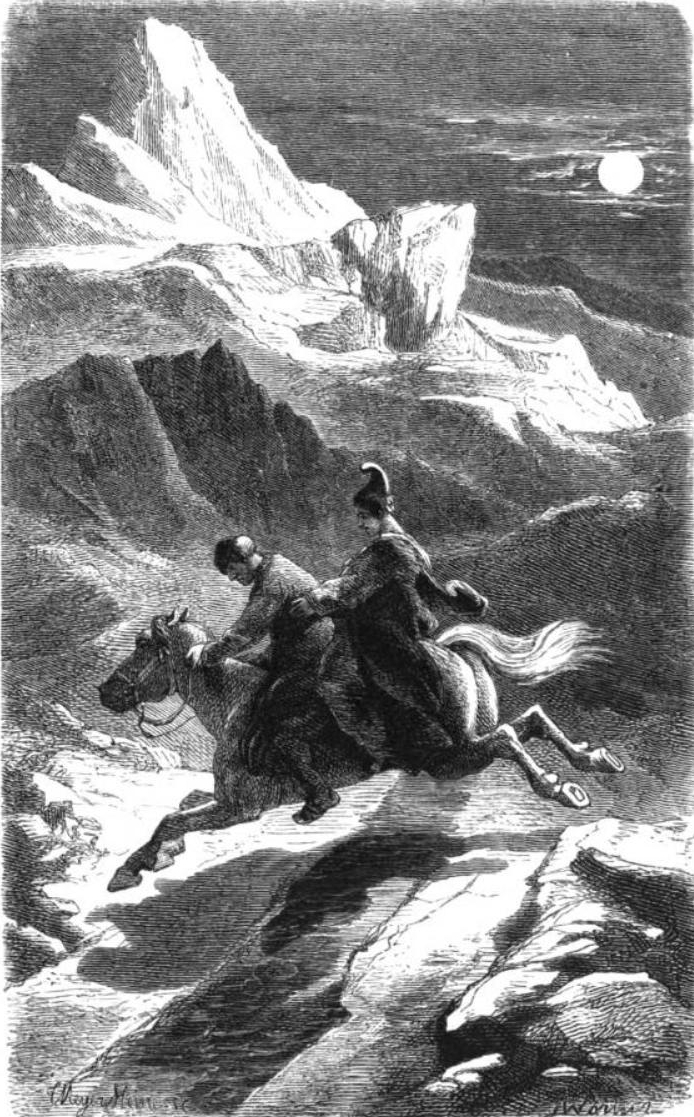 🇮🇸 IcelandDjákninn á Myrká
An Icelandic ghost story about a dead deacon who returns for his bride on Christmas EveFigure · Cursing and harm Historical
🇮🇸 IcelandDjákninn á Myrká
An Icelandic ghost story about a dead deacon who returns for his bride on Christmas EveFigure · Cursing and harm Historical
 🇱🇹 Lithuania and 2 moreEglė the Queen of SerpentsEglė žalčių karalienė
A Lithuanian folk tale about a woman who marries a serpent king and turns her family into trees.Figure · Wonder and entertainment Historical
🇱🇹 Lithuania and 3 moreThe Swan Queen
A Lithuanian fairy tale about a bird maiden who becomes human and returns to the skyFigure · Wonder and entertainment Historical
🇱🇹 Lithuania and 2 moreEglė the Queen of SerpentsEglė žalčių karalienė
A Lithuanian folk tale about a woman who marries a serpent king and turns her family into trees.Figure · Wonder and entertainment Historical
🇱🇹 Lithuania and 3 moreThe Swan Queen
A Lithuanian fairy tale about a bird maiden who becomes human and returns to the skyFigure · Wonder and entertainment Historical
 🇪🇬 Egypt and 1 moreOuroborosοὐροβόρος
An ancient image of a serpent eating its own tail, symbolizing cycles and wholenessFigure · Power and authority · Wonder and entertainment Historical
🇬🇧 United KingdomQueen of Elphame
The elfin queen of Faerie from Lowland Scotland and Northern England folkloreFigure · Cursing and harm · Healing Historical
🇪🇬 Egypt and 1 moreOuroborosοὐροβόρος
An ancient image of a serpent eating its own tail, symbolizing cycles and wholenessFigure · Power and authority · Wonder and entertainment Historical
🇬🇧 United KingdomQueen of Elphame
The elfin queen of Faerie from Lowland Scotland and Northern England folkloreFigure · Cursing and harm · Healing Historical
 🇬🇧 United KingdomTam Lin
A Scottish ballad about a fairy knight rescued by his mortal lover on Hallowe'enFigure · Love and attraction · Cursing and harm Historical
🇬🇧 United KingdomTam Lin
A Scottish ballad about a fairy knight rescued by his mortal lover on Hallowe'enFigure · Love and attraction · Cursing and harm Historical
Photo credits on this page
The small pictures above come from Wikimedia Commons under free licences. Some are cropped to fit.
- Sampo: Väinö Blomstedt, Public domain, source
- Pig-faced women: DubhEire, CC0, source
- Matthew Hopkins: Unknown author, CC BY 4.0, source
- William Lilly: Simon Harriyott, CC BY 2.0, source
- Fairy: Henry Fuseli, Public domain, source
- Haruspicy: Lokilech, CC BY-SA 3.0, source
- Mother Shipton: Unknown author, Public domain, source
- Agnes Sampson: Unknown author, Public domain, source
- Vesna: Viktor Vasnetsov, Public domain, source
- Dietrich von Bern: Workshop of Diebolt Lauber, Hagenau 1444-1448, CC BY-SA 3.0, source
- Wolves in folklore, religion and mythology: Unknown author, CC0, source
- Scrofa semilanuta: M.casanova, CC BY-SA 4.0, source
- Spring-heeled Jack: Unknown author, Public domain, source
- Sorginak: Errazking, CC BY-SA 4.0, source
- Tietäjä: Robert Wilhelm Ekman, Public domain, source
- Madgy Figgy's Chair: Jim Champion, CC BY-SA 3.0, source
- Grim Reaper: Jaroslav A. Polák, CC BY 4.0, source
- Jack O'The Lantern: Bodrugan, CC BY-SA 3.0, source
- Djákninn á Myrká: Théodore Meyer-Heine / Jules Worms, Public domain, source
- Pietro d'Abano: Marco Chemello (Wikimedia Italia), CC BY-SA 4.0, source
- Eglė the Queen of Serpents: Huw, CC BY 2.0, source
- Ouroboros: Djehouty, CC BY-SA 4.0, source
- Edward Kelley: Thomas Pennant, Public domain, source
- Ghost of Kyiv: Андрій Данкович / Andriy Dankovych, CC BY-SA 4.0, source
- Witches of Benevento: Guglielmo della Porta, CC0, source
- Tam Lin: Richard Webb, CC BY-SA 2.0, source
- Triple-headed eagle: Неизвестный автор. (фото обложки сборника: Александр Храмов), Public domain, source