Spirits, creatures and beings
Djinn, fairies, orisha, golems and the other powers that magic deals with.
Beings are the powers that magic deals with: spirits, ancestors, gods, djinn, fairies, orisha, nats, kami, demons, golems, ghosts and the many kinds of household and landscape spirit. People in most cultures have described a world shared with unseen others, who may help, trouble or ask for respect. This page covers what these beings are said to be and the very different ways communities relate to them. They are always described here as what communities believe, not as established fact.
Different kinds of beings
A being can be a god with a priesthood, such as an orisha served in Yoruba religion, Cuba and Brazil. It can be an ancestor, honoured in China, Africa and Mexico. It can belong to a place, such as the kami of Shinto, the Thai phi or the Burmese nats. It can be a trouble-maker, like the djinn of Arabic and Islamic tradition, formed from smokeless fire, or the fairies of Ireland, whom people avoided naming.
Relationship, not command
In many traditions, a person does not command a being but enters a relationship with it, through offerings, promises and respect. Possession and mediumship are forms of that relationship, as in Vodou, Candomblé, Korean mudang rites and Sufi gatherings. In ceremonial magic of the European grimoires, by contrast, the magician summons spirits by name and authority, which the Church condemned as demon-raising. The same being may be loved in one household and feared in the next, and a spirit helpful to its servant can be harmful to a stranger.
Religions and renaming
Dominant religions often absorbed beings by relabelling them. Christian missionaries called many African and Indigenous spirits demons. Islam reads the djinn as real creatures, some of whom are Muslim, and Hindu and Buddhist traditions fold local deities into their own pantheons. Pagan and fairy beliefs were sometimes recast as the devil's work, which fed witch trials in Europe. Churches and mosques have sometimes divided beings into good and evil in ways the older traditions did not, so that a neutral local spirit became a demon on the day a missionary arrived.
Harm and interpretation
Belief in harmful spirits has been used to accuse people. Children in parts of West and Central Africa have been branded as witches possessed by evil spirits, and some have been abused by pastors or families in the name of deliverance. Scholars read spirit beliefs as ways to make sense of illness, loss and conflict, and many communities see them simply as neighbours. That is why accusations tied to spirit beliefs fall hardest on children and the vulnerable, and why many agencies train local leaders to challenge them.
Being on EveryJaadu
The entries written up so far, best known first.
 🇲🇳 Mongolia and 1 moreOngon
Ancestor spirits in Mongolian shamanism, represented by consecrated idols and talismansBeing · Protection · Speaking with spirits and the dead Living
🇮🇶 Iraq and 1 moreMaymun
The seventh jinn king of Saturday and Saturn, honoured as a saint and feared as a demon.Being · Cursing and harm · Protection Legendary
 🇫🇷 FranceHoules fairyGwenn fadoù
Immortal coastal fairies of Brittany who live in sea caves and aid humansBeing · Protection · Healing Historical
🇲🇾 MalaysiaHantu Air
A Malay water spirit said to live in rivers, lakes and seasBeing · Speaking with spirits and the dead · Protection Fading
🇷🇴 RomaniaVâlvă
A Romanian female spirit held to guard mines, water and hidden goldBeing · Protection · Luck and prosperity Legendary
 🇻🇳 VietnamThánh Trần worshiptín ngưỡng thờ Đức Thánh Trần
A Vietnamese folk cult around a deified general, reached through mediums in trance danceTradition · Protection · Speaking with spirits and the dead Living
 🇸🇪 SwedenSjörå
A Swedish lake spirit that rewards kindness and drowns the disrespectfulBeing · Protection · Luck and prosperity Legendary
🇯🇵 JapanHashihime橋姫
A Japanese bridge spirit linked to jealousy and demonic transformation in folklore and Noh theatre.Being · Protection · Cursing and harm Historical
 🇯🇵 JapanAmazake-babaa甘酒婆
A hag of northern Japanese legend whose night-time question brings sickness when answeredBeing · Protection · Cursing and harm Legendary
 🇮🇳 IndiaKadangot Makkam
A North Malabar goddess who became a deity after being killed by her brothers.Being · Protection · Love and attraction Living
 🇷🇺 Russia and 5 moreVelesВелес
A Slavic chthonic deity of cattle, the underworld, and oathsBeing · Protection · Luck and prosperity Historical
🇧🇷 Brazil and 2 moreCaiporaCaapora
A Brazilian forest spirit that guards game and tests hunters with bribes or terrorBeing · Protection · Cursing and harm Living
 🇮🇷 Iran and 1 moreSraosha𐬯𐬭𐬀𐬊𐬴𐬀
Zoroastrian yazata of obedience and prayer who guards the world from evil spiritsBeing · Protection · Speaking with spirits and the dead Living
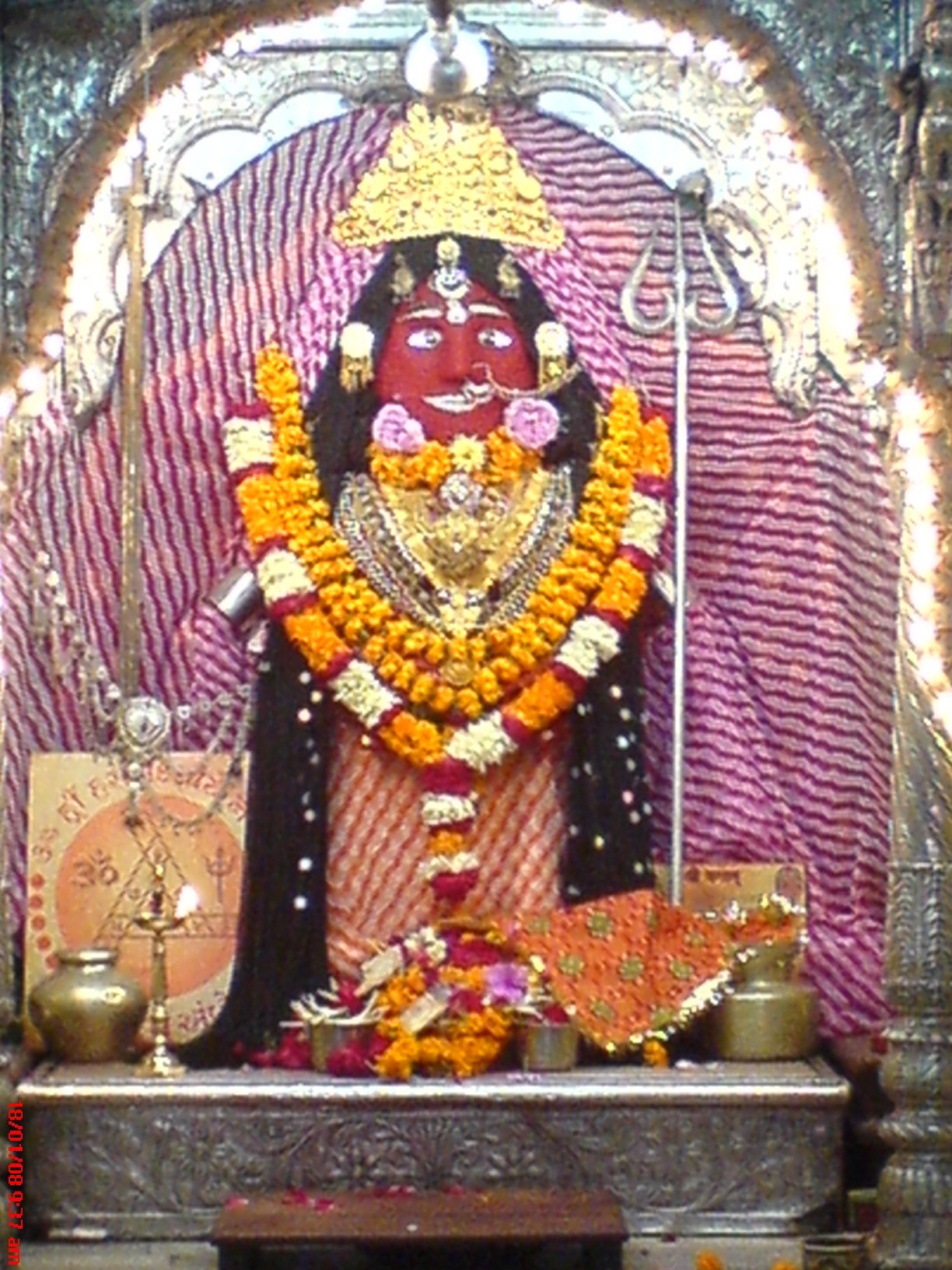 🇮🇳 IndiaHarsidhhi
A regional Hindu goddess kept as a clan deity and asked to guard shipsBeing · Protection Living
🇮🇳 IndiaPolerammaపోలేరమ్మ
A village goddess of smallpox and plague in Andhra PradeshBeing · Protection · Healing Living
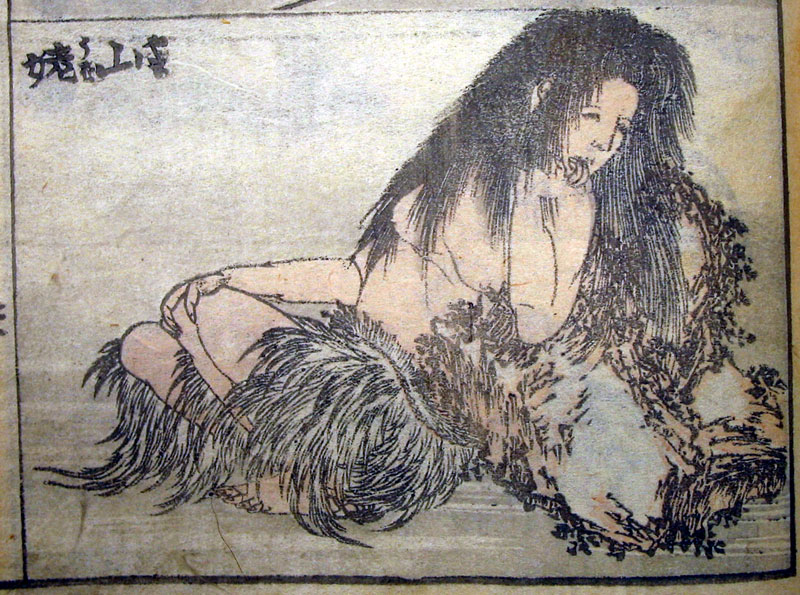 🇯🇵 JapanYama-uba山姥
A Japanese mountain spirit depicted as either a cannibalistic monster or a benevolent guardian.Being · Cursing and harm · Luck and prosperity Legendary
 🇱🇹 Lithuania and 1 moreAšvieniai
Twin horse deities of Baltic mythology who pull the sun chariotBeing · Protection Legendary
 🇮🇹 ItalyŚuri𐌑𐌖𐌛 (Etruscan)
An ancient Etruscan deity of volcanic fire, the underworld, and healingBeing · Protection · Healing Historical
 🇳🇿 New Zealand and 1 moreManaia
A composite guardian spirit in Māori art and beliefBeing · Protection · Speaking with spirits and the dead Living
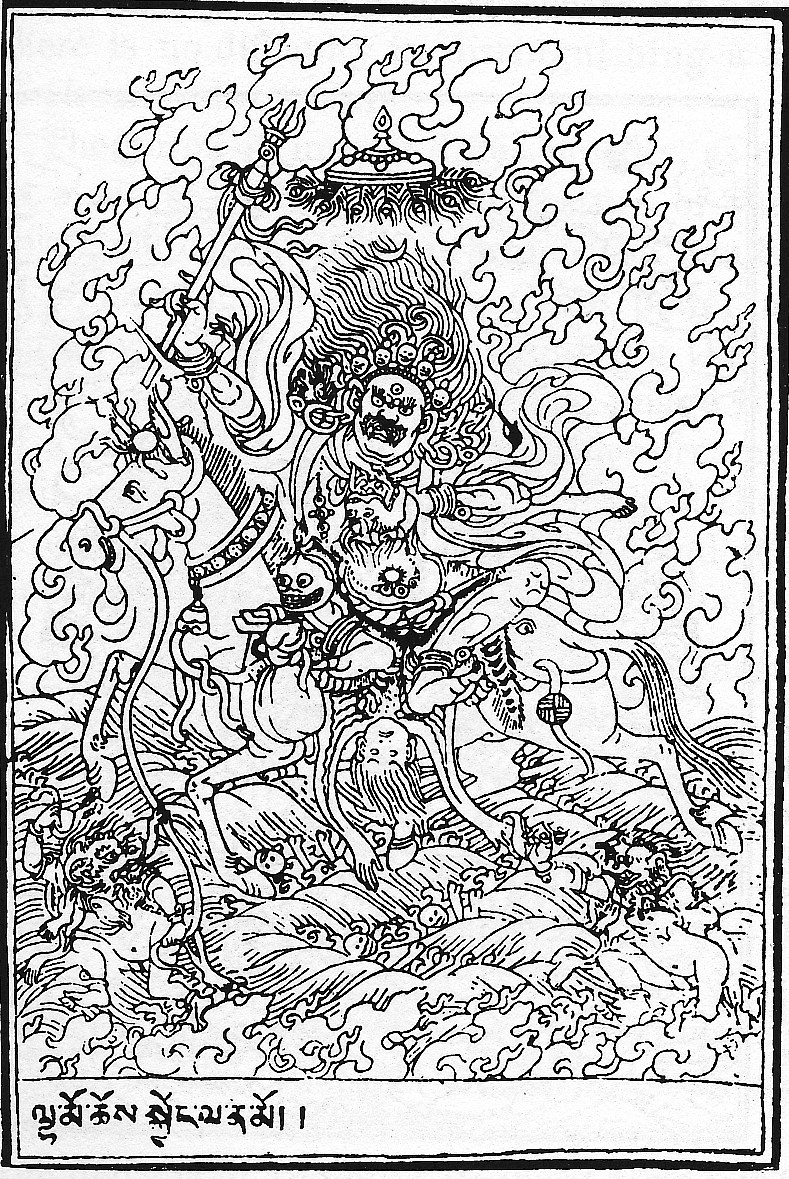 🇨🇳 China and 1 morePalden Lhamoདཔལ་ལྡན་ལྷ་མོ།
A fierce Tibetan Buddhist guardian of the teaching and of the Dalai LamasBeing · Protection · Seeing and foretelling Living
🇮🇳 IndiaVasavi Kanyaka Parameshvari
A Hindu goddess honored by Komati groups as a clan deity and teacher of ahimsaBeing · Protection Living
 🇮🇳 IndiaJakh Botera
Seventy-two horsemen deities honoured in Kutch, IndiaBeing · Protection · Healing Living
🇫🇷 France and 1 moreDames Blanches
Spectral women in French folklore who demand dances or warn of dangerBeing · Cursing and harm · Protection Legendary
 🇮🇳 India and 5 moreKaruppannaswamyகருப்பண்ணசாமி, കറുപ്പണ്ണസാമി
A fierce guardian deity worshipped as a village protector and ancestral enforcer of justice.Being · Protection · Healing Living
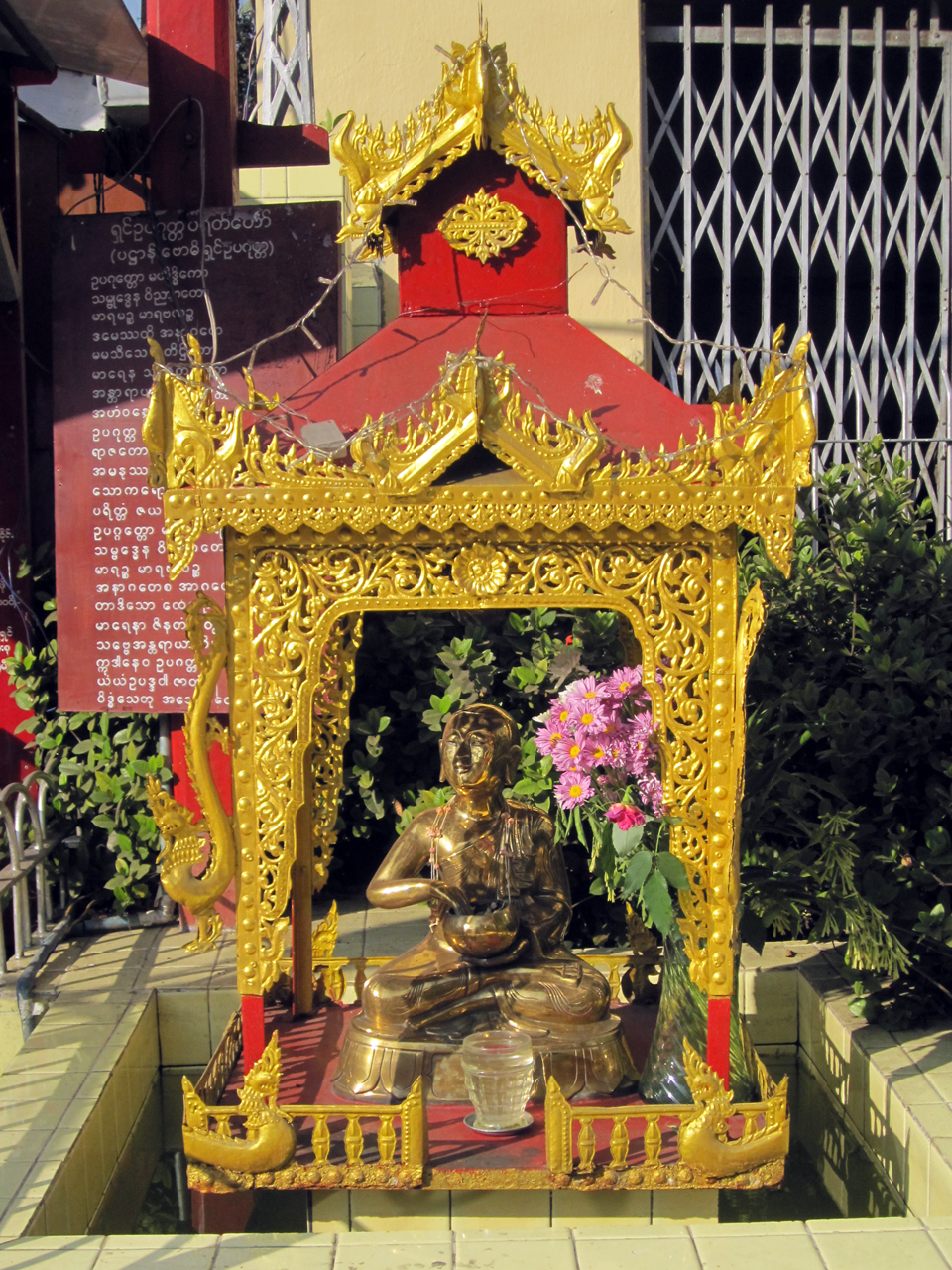 🇲🇲 Myanmar and 3 moreShin Upaguttaရှင်ဥပဂုတ်
A Burmese Buddhist arhat asked to keep storms and floods awayBeing · Protection Living
 🇬🇷 GreeceDaimonδαίμων
A Greek spirit or divine force that mediates between gods and humansBeing · Protection · Speaking with spirits and the dead Historical
 🇨🇿 Czech Republic and 1 moreRübezahl
A mountain spirit of the Giant Mountains, kindly to some and vengeful to othersBeing · Protection · Healing Legendary
🇯🇵 JapanHitotsume-kozō一つ目小僧
A one-eyed child yōkai that startles people but is said to do no harmBeing · Protection Legendary
🇧🇯 BeninXeviosoXɛviosò
A Fon and Ewe thunder god held to judge wrongdoers with lightningBeing · Cursing and harm · Cleansing and purification Living
🇲🇱 Mali and 1 moreSandobele
A Senufo woman diviner who mediates between the village and bush spirits.Being · Speaking with spirits and the dead · Protection Living
 🇺🇦 UkraineMolfarмольфар
A Carpathian folk healer and magician blending pagan and Christian traditionsBeing · Healing · Seeing and foretelling Legendary
 🇯🇵 Japan and 4 moreKṣitigarbhaक्षितिगर्भ
A bodhisattva vowed to empty the hells and guard children, shown with a staff and jewel.Being · Protection · Speaking with spirits and the dead Living
 🇮🇳 IndiaNagnechiya Maa
Guardian goddess of the Rathore Rajputs, worshipped in RajasthanBeing · Protection · Power and authority Living
🇬🇧 United KingdomLazy Laurence
A mischievous English pixie who makes orchard workers lazy and gives them indigestionBeing · Protection · Cursing and harm Historical
🇮🇷 IranFaravaharفَرَوَهَر
Zoroastrian guardian spirits: ancestor-warriors and each person's unseen twinBeing · Protection · Speaking with spirits and the dead Living
 🇮🇳 India and 2 moreAiravataऐरावत
A pristine white mythic elephant that carries the king of gods and controls the rains.Being · Power and authority · Protection Legendary
 🇮🇳 IndiaAshapura Mataआशापुरा माता
A Hindu goddess worshipped as the clan protector of Rajput and other communities in western India.Being · Protection · Luck and prosperity Living
🇦🇿 Azerbaijan and 1 moreYuxaЮха елан
A snake of a hundred years said to become a fire-breathing, shape-shifting dragonBeing · Love and attraction · Protection Legendary
🇮🇳 IndiaAsanbibiআসানবিবি
A Bengali folk goddess worshipped with six sisters in southern Bengal.Being · Protection Living
 🇮🇳 IndiaKhodiyarખોડીયાર
A limping Hindu folk goddess who rides a crocodile and shields royal clansBeing · Protection · Healing Living
🇮🇳 India and 1 moreRani Bhatiyani
A Rajput princess said to have become a guardian goddess of Rajasthan and SindhBeing · Protection · Speaking with spirits and the dead Living
 🇩🇴 Dominican Republic and 5 moreZemi
A Taíno deity or ancestral spirit housed in a carved object used for worship and protectionBeing · Protection · Healing Historical
🇧🇿 BelizeTata DuendeNukuch Tat
A thumbless forest spirit of Belizean folklore that protects animals and warns children.Being · Protection · Cursing and harm Living
 🇬🇷 GreeceTalosΤάλως
A bronze automaton that guarded Crete from invaders and piratesBeing · Protection Legendary
🇧🇩 Bangladesh and 1 moreFolk deities of Sylhet
Seven local gods and goddesses of the Sylhet region, each with its own careBeing · Protection · Love and attraction Living
 🇻🇳 Vietnam and 1 moreÔng Trời
A sky god of Vietnamese folk religion, later linked to the Taoist Jade EmperorBeing · Protection · Power and authority Living
Photo credits on this page
The small pictures above come from Wikimedia Commons under free licences. Some are cropped to fit.
- Ashapura Mata: Rossifummi, CC BY-SA 4.0, source
- Airavata: Unknown, India, Rajasthan, Amber, South Asia, Public domain, source
- Kṣitigarbha: སངས་རྒྱས་བཅོམ་ལྡན་འདས།, Public domain, source
- Daimon: François-André Vincent, Public domain, source
- Manaia: Sarang, Public domain, source
- Ašvieniai: Wojsyl , 2005, CC BY-SA 3.0, source
- Sraosha: Tahmasp I, CC0, source
- Sjörå: Bernard Evans Ward, Public domain, source
- Ongon: Vyacheslav Kirillin, CC BY-SA 4.0, source
- Houles fairy: Minseong Kim, CC BY-SA 4.0, source
- Thánh Trần worship: Rio Lam, CC BY-SA 4.0, source
- Amazake-babaa: Fred Cherrygarden, CC BY-SA 4.0, source
- Kadangot Makkam: Shagil Kannur, CC BY-SA 4.0, source
- Veles: Andrey Shishkin, CC BY 3.0, source
- Harsidhhi: Dkgohil, CC BY-SA 3.0, source
- Yama-uba: Unknown author, Public domain, source
- Śuri: Marie-Lan Nguyen, Public domain, source
- Palden Lhamo: L. Austine Waddell, Public domain, source
- Jakh Botera: Nizil Shah and Bhavya Shah, CC BY-SA 4.0, source
- Karuppannaswamy: GShas, CC0, source
- Shin Upagutta: Hintha, CC BY-SA 3.0, source
- Molfar: Ніна Бурневіч, CC BY-SA 4.0, source
- Nagnechiya Maa: Jairajsingh123, CC0, source
- Khodiyar: Damian N. Boodram, CC BY-SA 4.0, source
- Zemi: Unknown author, CC0, source
- Talos: Unknown artist, Public domain, source
- Ông Trời: Bùi Thụy Đào Nguyên, CC BY-SA 3.0, source
- Rübezahl: User:Antosh, CC BY-SA 4.0, source