Spirits, creatures and beings
Djinn, fairies, orisha, golems and the other powers that magic deals with.
Beings are the powers that magic deals with: spirits, ancestors, gods, djinn, fairies, orisha, nats, kami, demons, golems, ghosts and the many kinds of household and landscape spirit. People in most cultures have described a world shared with unseen others, who may help, trouble or ask for respect. This page covers what these beings are said to be and the very different ways communities relate to them. They are always described here as what communities believe, not as established fact.
Different kinds of beings
A being can be a god with a priesthood, such as an orisha served in Yoruba religion, Cuba and Brazil. It can be an ancestor, honoured in China, Africa and Mexico. It can belong to a place, such as the kami of Shinto, the Thai phi or the Burmese nats. It can be a trouble-maker, like the djinn of Arabic and Islamic tradition, formed from smokeless fire, or the fairies of Ireland, whom people avoided naming.
Relationship, not command
In many traditions, a person does not command a being but enters a relationship with it, through offerings, promises and respect. Possession and mediumship are forms of that relationship, as in Vodou, Candomblé, Korean mudang rites and Sufi gatherings. In ceremonial magic of the European grimoires, by contrast, the magician summons spirits by name and authority, which the Church condemned as demon-raising. The same being may be loved in one household and feared in the next, and a spirit helpful to its servant can be harmful to a stranger.
Religions and renaming
Dominant religions often absorbed beings by relabelling them. Christian missionaries called many African and Indigenous spirits demons. Islam reads the djinn as real creatures, some of whom are Muslim, and Hindu and Buddhist traditions fold local deities into their own pantheons. Pagan and fairy beliefs were sometimes recast as the devil's work, which fed witch trials in Europe. Churches and mosques have sometimes divided beings into good and evil in ways the older traditions did not, so that a neutral local spirit became a demon on the day a missionary arrived.
Harm and interpretation
Belief in harmful spirits has been used to accuse people. Children in parts of West and Central Africa have been branded as witches possessed by evil spirits, and some have been abused by pastors or families in the name of deliverance. Scholars read spirit beliefs as ways to make sense of illness, loss and conflict, and many communities see them simply as neighbours. That is why accusations tied to spirit beliefs fall hardest on children and the vulnerable, and why many agencies train local leaders to challenge them.
Being on EveryJaadu
The entries written up so far, best known first.
 🇷🇸 Serbia and 5 moreVampire
An undead being from European folklore that feeds on the life force of the living.Being · Cursing and harm Legendary
 🇮🇪 Ireland and 3 moreChangeling
A substitute left by supernatural beings in place of a stolen human child or adultBeing · Cursing and harm · Luck and prosperity Legendary
 🇬🇷 GreeceCirceΚίρκη
A Greek goddess and witch known for turning men into beasts with her potionsBeing · Cursing and harm · Love and attraction Legendary
 🇮🇹 ItalyFortunaFortūna
The Roman goddess of luck, fate, and life's unpredictable turnsBeing · Luck and prosperity · Cursing and harm Historical
🇷🇸 Serbia and 1 moreDrekavacДрекавац
A South Slavic night creature born from unbaptised souls or sinnersBeing · Cursing and harm Legendary
🇷🇴 Romania and 2 moreStrigoi
A Romanian undead spirit linked to witchcraft and vampirismBeing · Cursing and harm Historical
 🇮🇪 IrelandPúca
A shape-shifting spirit of Celtic folklore that brings fortune or mischiefBeing · Luck and prosperity · Cursing and harm Legendary
🇬🇧 United KingdomTylwyth Teg
Welsh mythological beings linked to the fairy folk of neighboring traditionsBeing · Luck and prosperity · Cursing and harm Legendary
 🇬🇧 United KingdomBoggart
A malevolent household spirit from northern English folkloreBeing · Cursing and harm Historical
 🇬🇷 Greece and 3 moreHellhound
A mythological canine that guards the underworld or serves demonic forces across global folkloreBeing · Protection · Cursing and harm Legendary
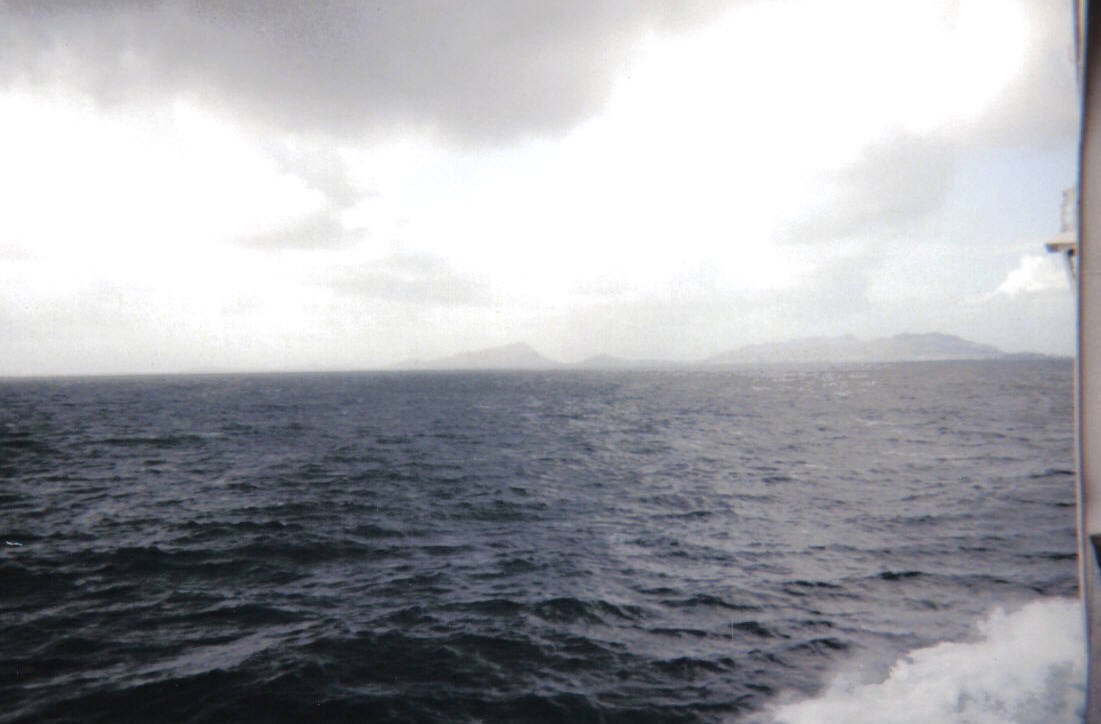 🇬🇧 United Kingdom and 1 moreBlue men of the Minchna fir ghorma
Mythical blue-skinned spirits of the Scottish strait who challenge sailors to poetry contestsBeing · Cursing and harm · Wonder and entertainment Legendary
🇬🇧 United KingdomGwyllion
Welsh spirits that lead travellers astray and are feared in mountain folkloreBeing · Cursing and harm Historical
 🇮🇪 IrelandBansheebean sí
A female spirit in Irish folklore who wails to herald the death of a family member.Being · Cursing and harm Legendary
 🇦🇹 Austria and 3 morePerchtaPercht
A Alpine goddess of winter who rewards diligence and punishes laziness during the twelve days after Christmas.Being · Luck and prosperity · Cursing and harm Revived
 🇷🇺 Russia and 4 moreLady MiddayPoludnitsa
A Slavic noon spirit who watches over fields and punishes those who work during the hottest hours.Being · Cursing and harm · Protection Historical
 🇩🇪 GermanyAlp
A Germanic spirit that presses on sleepers and drinks milkBeing · Cursing and harm Legendary
 🇸🇪 Sweden and 2 moreMjölnirMjǫllnir
The hammer of the Norse thunder god Thor, used as a weapon and for blessingsBeing · Cursing and harm · Protection Historical
🇬🇧 United Kingdom and 1 moreFuath
A class of malevolent water spirits in Scottish and Irish folkloreBeing · Cursing and harm Legendary
🇬🇧 United KingdomGlaistig
A Scottish shape-shifting spirit linked to cattle, deer, and haunted castles.Being · Protection · Cursing and harm Legendary
 🇷🇺 Russia and 1 moreLikhoЛихо
A Slavic spirit of bad luck and misfortune, often depicted as a one-eyed creature.Being · Cursing and harm Legendary
 🇭🇷 Croatia and 5 moreVilavila (Serbian: вила), víla (Bulgarian: ви́ла)
Slavic nature spirits known for healing, storms, and deadly dancesBeing · Protection · Cursing and harm Legendary
🇬🇧 United KingdomAfanc
A lake monster from Welsh mythology that dwells in dark waters and preys on the unwary.Being · Cursing and harm Legendary
 🇮🇪 IrelandBadb
An Irish war goddess who appears as a crow to sow fear and predict death in battle.Being · Cursing and harm · Seeing and foretelling Legendary
🇬🇧 United KingdomCŵn Annwn
Spectral hounds of the Welsh otherworld that hunt souls and signal deathBeing · Cursing and harm · Speaking with spirits and the dead Legendary
 🇩🇪 Germany and 3 moreMare
A spirit that sits on sleepers to cause nightmares and physical distressBeing · Cursing and harm Historical
 🇮🇪 Ireland and 5 moreFairy
A European spirit with magical powers and human form found in folklore and artBeing · Protection · Cursing and harm Legendary
 🇮🇸 Iceland and 1 moreNornsnornir
Fate-weaving figures from Norse myth who shape human destiny and tend the world tree.Being · Cursing and harm · Luck and prosperity Historical
 🇷🇺 Russia and 3 moreVodyanoyводяной
A water spirit of Slavic folklore that dwells in rivers and lakesBeing · Cursing and harm · Luck and prosperity Legendary
 🇬🇧 United Kingdom and 4 moreSelkie
Mythical seal-people who shed their skin to walk as humans on landBeing · Love and attraction · Cursing and harm Legendary
 🇫🇷 France and 5 moreRevenant
An animated corpse or spirit that returns from the grave to haunt the livingBeing · Cursing and harm Legendary
 🇬🇧 United Kingdom and 1 moreEach-uisge
A fierce water spirit of the Scottish Highlands and Irish shores that takes the form of a horse.Being · Cursing and harm Legendary
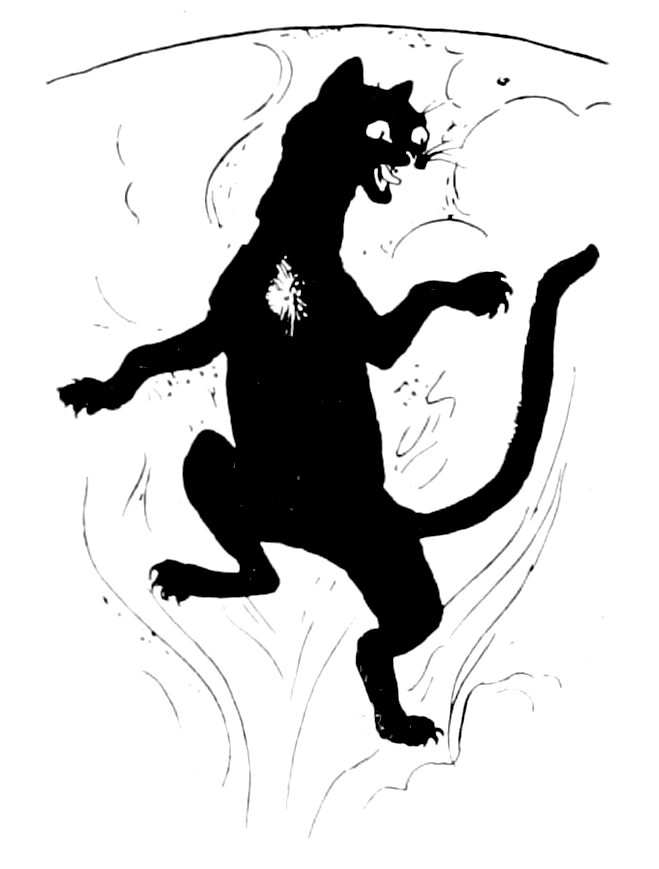 🇬🇧 United KingdomCat-sìth
A spectral feline from Celtic lore that haunts the Scottish Highlands and guards the dead.Being · Cursing and harm · Luck and prosperity Legendary
🇬🇧 United KingdomBlack dog
A spectral hound from English folklore that signals death or guards the living.Being · Cursing and harm · Protection Legendary
🇩🇪 Germany and 1 moreNachzehrer
A German revenant believed to consume the living from beyond the graveBeing · Cursing and harm Legendary
 🇮🇪 Ireland and 1 moreAos Sí
Supernatural beings of Irish and Scottish folklore, said to dwell in mounds and influence the human world.Being · Protection · Cursing and harm Living
 🇷🇺 Russia and 3 moreLeshyлеший
A forest spirit from Slavic folklore who guards the woods and misleads travelers.Being · Protection · Cursing and harm Legendary
 🇪🇸 Spain and 5 moreDuende
A humanoid spirit of Iberian and Latin American folklore, ranging from helpful to mischievous.Being · Protection · Cursing and harm Living
 🇮🇸 Iceland and 3 moreDraugr
A malevolent undead revenant from Nordic folklore, often guarding buried treasure.Being · Cursing and harm · Luck and prosperity Legendary
🇬🇧 United KingdomBarghest
A mythical black dog from Northern England that foretells death and haunts the countryside.Being · Seeing and foretelling · Cursing and harm Legendary
 🇬🇧 United KingdomPuck
A mischievous domestic sprite of English folklore known for practical jokes and household choresBeing · Cursing and harm · Luck and prosperity Legendary
🇺🇦 Ukraine and 1 moreVedmakвядзьмак
A Slavic male warlock or witch with shamanic roots and shape-shifting powersBeing · Healing · Cursing and harm Legendary
 🇮🇹 ItalyBadaliscBadalisch
A mythical goat-headed creature from the Italian Alps, captured and mocked during Epiphany celebrations.Being · Cursing and harm · Wonder and entertainment Living
🇳🇴 Norway and 1 moreTroll cat
A familiar spirit in Nordic folklore blamed for stealing milk and cream from farmsBeing · Cursing and harm Legendary
🇷🇴 Romania and 2 moreSolomonariȘolomonar
A Romanian weather wizard who rides a dragon and controls the storms.Being · Cursing and harm · Luck and prosperity Legendary
🇬🇧 United KingdomWirry-cow
A Scottish folk figure representing a frightening object or spiritBeing · Cursing and harm Historical
🇵🇱 Poland and 1 moreDydko
A Polish folk creature evolved from a Slavic house demon into a night-time scarecrow.Being · Cursing and harm Legendary
 🇮🇹 Italy and 1 moreCupidCupīdō
A Roman deity of desire and erotic love, often depicted with a bow and arrow.Being · Love and attraction · Cursing and harm Legendary
 🇬🇷 GreeceErymanthian Boarὁ Ἐρυμάνθιος κάπρος
A wild boar from Greek myth captured by Heracles as his fourth labourBeing · Cursing and harm Legendary
Photo credits on this page
The small pictures above come from Wikimedia Commons under free licences. Some are cropped to fit.
- Mare: Henry Fuseli, Public domain, source
- Changeling: Henry Fuseli, Public domain, source
- Vampire: Edvard Munch, Public domain, source
- Norns: file: James Steakley ; artwork: Gustav Heidenreich, Public domain, source
- Circe: Wright Barker, Public domain, source
- Aos Sí: AE [George William Russell] (1867-1935), CC BY 4.0, source
- Fairy: Henry Fuseli, Public domain, source
- Marchosias: Louis Le Breton, Public domain, source
- Puck: Joseph Noel Paton, Public domain, source
- Duende: René Mayorga, CC BY-SA 2.0, source
- Each-uisge: John Allan, CC BY-SA 2.0, source
- Leshy: Γραφέας, CC BY-SA 4.0, source
- Keening: W.H. Brooke, Public domain, source
- Likho: Mhapon, CC BY-SA 4.0, source
- Erymanthian Boar: Antimenes Painter, Public domain, source
- Alp: Henry Fuseli, Public domain, source
- Badb: Commonists, CC BY-SA 4.0, source
- Cupid: Bertel Thorvaldsen, CC BY-SA 3.0, source
- Vodyanoy: Ivan Bilibin, Public domain, source
- Badalisc: Luca Giarelli, CC BY-SA 3.0, source
- Lady Midday: Віщун, CC BY-SA 4.0, source
- Boggart: Katolophyromai, CC BY-SA 4.0, source
- Wiedergänger: Unknown author, Public domain, source
- Vila: Scan by NYPL, Public domain, source
- Blue men of the Minch: Lord P in the Commons 17:16, 17 June 2007 (UTC), CC BY-SA 3.0, source
- Selkie: Carolyn Emerick, CC BY-SA 3.0, source
- Mjölnir: Mårten Eskil Winge, Public domain, source
- Perchta: Holger Uwe Schmitt, CC BY-SA 4.0, source
- Cat-sìth: John D. Batten, Public domain, source
- Púca: Wirt Sikes, Public domain, source
- Draugr: Kim Diaz Holm, CC BY 4.0, source
- Fortuna: Charles Samuel, CC BY-SA 4.0, source