🇳🇱 Magic in the Netherlands
12 entries from the Netherlands, best known first, across 6 places of magic.
Folklore of the Low Countries weaves pre-Christian Germanic and Celtic motifs into later Christian and courtly tales. Stories about water spirits, trickster animals, and flooded cities circulate across Dutch, Belgian, and Luxembourg communities. These narratives survive through folk songs, puppet stages, and nineteenth-century collections rather than active ritual practice.
- Water spirits play enchanted music to lure listeners near rivers.
- Pewter or silver spoons were traditionally gifted at births.
- Trickster foxes outwit royal courts in medieval animal fables.
- Flood legends warn of sunken port cities and underwater bells.
- Nineteenth-century collectors transcribed regional oral manuscripts.
Overview
The folk tradition of the Low Countries blends ancient Germanic and Gaulish roots with later Christian and Celtic layers. Narratives travel easily across modern borders, sharing plots with French and German neighbors. Water disasters, sacred oaks, and clever animal tricksters form common threads. Medieval writers adapted saint biographies and Arthurian quests into local verse. Later collectors gathered oral verses and puppet scripts. The material stays close to daily life, reflecting river valleys, coastal storms, and village markets. It functions as shared cultural memory rather than a closed spiritual system.
Practices and beliefs
Active magical work is not documented in the surviving records. The tradition relies on storytelling, song, and stage performance. Tales feature male water spirits who play enchanted melodies to draw listeners toward rivers. Elves appear in household episodes, while trickster foxes navigate royal courts. Saints undergo trials and receive miraculous aid. These figures serve as moral guides or cautionary examples. Communities pass them down through recitation and printed anthologies instead of casting spells or preparing charms.
Rites and charms
Ceremonial detail remains sparse. The sources note a custom of presenting pewter or silver spoons to mark a child’s birth. Community festivals are described as the most visible living tradition. Medieval texts record acts of penance and divine intervention, but they read as hagiography, which means written accounts of holy lives, rather than ongoing ceremony. No structured rituals for healing, protection, or seasonal change are outlined. The tradition survives through repeated telling and public performance.
Who practises
No dedicated class of healers, diviners, or ritual specialists appears in the material. The tradition depends on secular storytellers, traveling puppet troupes, and monastic scribes. Court poets and university scholars later collected oral fragments. Nineteenth-century educators and folklorists transcribed regional manuscripts. Artists like Brueghel and Bosch illustrated circulating legends for wider audiences. Knowledge flows through writers and performers rather than initiatory lineages or licensed experts.
Regions and communities
Customs and tales shift across the Benelux area, which refers to the combined region of Belgium, the Netherlands, and Luxembourg. Walloon collectors focused on Hainaut and Namur manuscripts, preserving distinct rural voices. Flemish stories emphasize market towns and domestic settings. Dutch narratives lean heavily on coastal storms, sunken ports, and maritime warnings. Frisian and Luxembourgish materials add local place names and landscape features. Despite these variations, shared plot structures and recurring animal figures keep the broader tradition recognizable.
Today
Contemporary interest treats these tales as literary heritage. Nineteenth-century publications preserved oral versions for schoolchildren and general readers. Modern anthologies and academic studies keep the material accessible. The stories appear in museums, puppet theatres, and regional archives. They function as cultural reference points rather than active spiritual practice. Migration and digital publishing have spread them beyond their original borders.
The facts in this overview come from the Wikipedia article "Folklore of the Low Countries", written by its contributors and used under the CC BY-SA 4.0 licence. EveryJaadu rewrote the text in its own words, with AI assistance, and compares every page with the article to make sure no passage is copied. It may be reused under the same CC BY-SA 4.0 licence with a link back.
Places of magic in the Netherlands
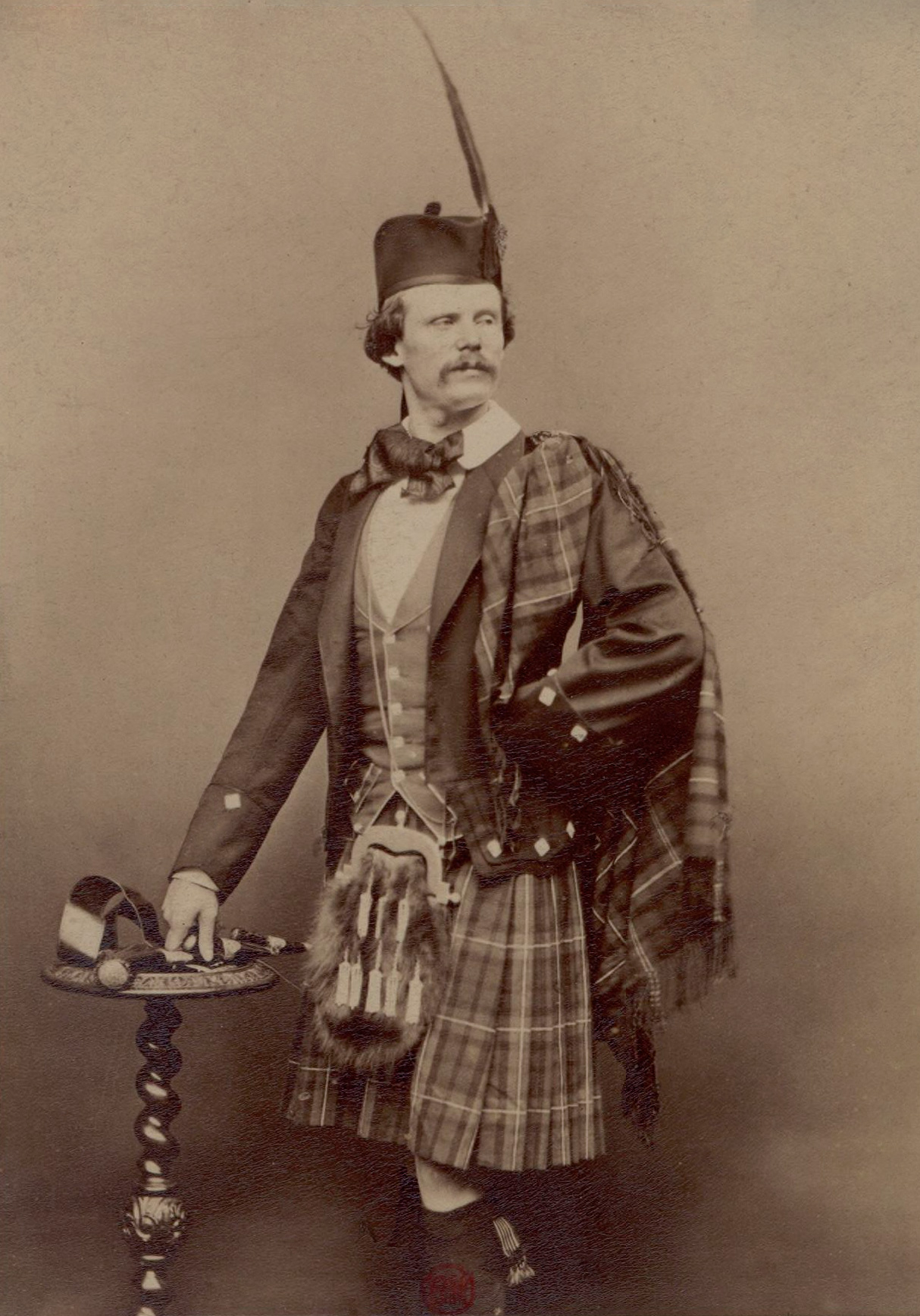 🇬🇧 United Kingdom and 2 moreDaniel Dunglas Home
A Scottish physical medium known for levitation and spirit communication during the Victorian era.Belief · Speaking with spirits and the dead · Wonder and entertainment Historical
🇬🇧 United Kingdom and 2 moreDaniel Dunglas Home
A Scottish physical medium known for levitation and spirit communication during the Victorian era.Belief · Speaking with spirits and the dead · Wonder and entertainment Historical
 🇳🇱 NetherlandsWitch trials in the Netherlands
A historical record of prosecutions and executions for sorcery in the Dutch Republic.Belief · Cursing and harm Historical
🇳🇱 NetherlandsWitch trials in the Netherlands
A historical record of prosecutions and executions for sorcery in the Dutch Republic.Belief · Cursing and harm Historical
 🇺🇸 United States and 7 moreSatanic panic
A moral panic over unsubstantiated claims of Satanic cults abusing children in the late twentieth centuryBelief · Cursing and harm Historical
🇪🇬 Egypt and 1 moreLeyden papyrus X
A third-century Greek manuscript of alchemical and metallurgical recipesText · Power and authority Historical
🇫🇷 France and 5 moreBuatier De Kolta
A French stage magician known for mechanical illusions and the vanishing chair.Illusion · Wonder and entertainment Historical
🇺🇸 United States and 7 moreSatanic panic
A moral panic over unsubstantiated claims of Satanic cults abusing children in the late twentieth centuryBelief · Cursing and harm Historical
🇪🇬 Egypt and 1 moreLeyden papyrus X
A third-century Greek manuscript of alchemical and metallurgical recipesText · Power and authority Historical
🇫🇷 France and 5 moreBuatier De Kolta
A French stage magician known for mechanical illusions and the vanishing chair.Illusion · Wonder and entertainment Historical
 🇧🇷 Brazil and 5 moreWhite Lady
A female ghost in white clothing linked to tragedy and omens across many culturesFigure · Cursing and harm · Seeing and foretelling Legendary
🇧🇷 Brazil and 5 moreWhite Lady
A female ghost in white clothing linked to tragedy and omens across many culturesFigure · Cursing and harm · Seeing and foretelling Legendary
 🇺🇸 United States and 5 moreFriday the 13th
A Western superstition marking a specific calendar date as unlucky.Belief · Luck and prosperity Living
🇬🇧 United Kingdom and 4 moreTelling the bees
A Western European custom of informing bees about major household eventsRite · Protection · Speaking with spirits and the dead Living
🇺🇸 United States and 5 moreFriday the 13th
A Western superstition marking a specific calendar date as unlucky.Belief · Luck and prosperity Living
🇬🇧 United Kingdom and 4 moreTelling the bees
A Western European custom of informing bees about major household eventsRite · Protection · Speaking with spirits and the dead Living
 🇸🇦 Saudi Arabia and 5 moreIslamic exorcismرقية
A rite to expel spirits through Quranic recitation and negotiationRite · Healing · Cleansing and purification Living
🇸🇦 Saudi Arabia and 5 moreIslamic exorcismرقية
A rite to expel spirits through Quranic recitation and negotiationRite · Healing · Cleansing and purification Living
 🇩🇪 Germany and 7 moreWalpurgis NightWalpurgisnacht
A spring vigil marking the eve of Saint Walpurga's feast day with bonfires and student festivalsRite · Protection · Speaking with spirits and the dead Living
🇩🇪 Germany and 7 moreWalpurgis NightWalpurgisnacht
A spring vigil marking the eve of Saint Walpurga's feast day with bonfires and student festivalsRite · Protection · Speaking with spirits and the dead Living
 🇸🇪 Sweden and 4 moreEmanuel Swedenborg
An 18th-century Swedish scientist who became a mystic and claimed to visit the afterlife.Text · Speaking with spirits and the dead · Change and initiation Living
🇸🇪 Sweden and 4 moreEmanuel Swedenborg
An 18th-century Swedish scientist who became a mystic and claimed to visit the afterlife.Text · Speaking with spirits and the dead · Change and initiation Living
 🇧🇷 Brazil and 5 moreSanto Daime
A Brazilian syncretic religion using ayahuasca for spiritual work and healingTradition · Healing · Speaking with spirits and the dead Living
🇧🇷 Brazil and 5 moreSanto Daime
A Brazilian syncretic religion using ayahuasca for spiritual work and healingTradition · Healing · Speaking with spirits and the dead Living
Photo credits on this page
The small pictures above come from Wikimedia Commons under free licences. Some are cropped to fit.
- Daniel Dunglas Home: Nadar, Public domain, source
- Friday the 13th: Leonardo da Vinci, Public domain, source
- Witch trials in the Netherlands: Mathje1963, CC BY-SA 4.0, source
- White Lady: engraved by Ames of Bristol (according to Fincham, Artists and engrave, Public domain, source
- Islamic exorcism: Unknown Calligrapher, Public domain, source
- Satanic panic: Hartmann Schedel (1440-1514), Public domain, source
- Walpurgis Night: Luis Ricardo Falero, Public domain, source
- Emanuel Swedenborg: Carl Frederik von Breda, Public domain, source
- Santo Daime: Tonelada, CC BY-SA 3.0, source
The weekly digest
Every Monday: seven entries you may not know, what is on the calendar this week, and one rite drawn step by step.