🇳🇱 Magic in the Netherlands
34 entries from the Netherlands, best known first, across 12 places of magic.
Folklore of the Low Countries weaves pre-Christian Germanic and Celtic motifs into later Christian and courtly tales. Stories about water spirits, trickster animals, and flooded cities circulate across Dutch, Belgian, and Luxembourg communities. These narratives survive through folk songs, puppet stages, and nineteenth-century collections rather than active ritual practice.
- Water spirits play enchanted music to lure listeners near rivers.
- Pewter or silver spoons were traditionally gifted at births.
- Trickster foxes outwit royal courts in medieval animal fables.
- Flood legends warn of sunken port cities and underwater bells.
- Nineteenth-century collectors transcribed regional oral manuscripts.
Overview
The folk tradition of the Low Countries blends ancient Germanic and Gaulish roots with later Christian and Celtic layers. Narratives travel easily across modern borders, sharing plots with French and German neighbors. Water disasters, sacred oaks, and clever animal tricksters form common threads. Medieval writers adapted saint biographies and Arthurian quests into local verse. Later collectors gathered oral verses and puppet scripts. The material stays close to daily life, reflecting river valleys, coastal storms, and village markets. It functions as shared cultural memory rather than a closed spiritual system.
Practices and beliefs
Active magical work is not documented in the surviving records. The tradition relies on storytelling, song, and stage performance. Tales feature male water spirits who play enchanted melodies to draw listeners toward rivers. Elves appear in household episodes, while trickster foxes navigate royal courts. Saints undergo trials and receive miraculous aid. These figures serve as moral guides or cautionary examples. Communities pass them down through recitation and printed anthologies instead of casting spells or preparing charms.
Rites and charms
Ceremonial detail remains sparse. The sources note a custom of presenting pewter or silver spoons to mark a child’s birth. Community festivals are described as the most visible living tradition. Medieval texts record acts of penance and divine intervention, but they read as hagiography, which means written accounts of holy lives, rather than ongoing ceremony. No structured rituals for healing, protection, or seasonal change are outlined. The tradition survives through repeated telling and public performance.
Who practises
No dedicated class of healers, diviners, or ritual specialists appears in the material. The tradition depends on secular storytellers, traveling puppet troupes, and monastic scribes. Court poets and university scholars later collected oral fragments. Nineteenth-century educators and folklorists transcribed regional manuscripts. Artists like Brueghel and Bosch illustrated circulating legends for wider audiences. Knowledge flows through writers and performers rather than initiatory lineages or licensed experts.
Regions and communities
Customs and tales shift across the Benelux area, which refers to the combined region of Belgium, the Netherlands, and Luxembourg. Walloon collectors focused on Hainaut and Namur manuscripts, preserving distinct rural voices. Flemish stories emphasize market towns and domestic settings. Dutch narratives lean heavily on coastal storms, sunken ports, and maritime warnings. Frisian and Luxembourgish materials add local place names and landscape features. Despite these variations, shared plot structures and recurring animal figures keep the broader tradition recognizable.
Today
Contemporary interest treats these tales as literary heritage. Nineteenth-century publications preserved oral versions for schoolchildren and general readers. Modern anthologies and academic studies keep the material accessible. The stories appear in museums, puppet theatres, and regional archives. They function as cultural reference points rather than active spiritual practice. Migration and digital publishing have spread them beyond their original borders.
The facts in this overview come from the Wikipedia article "Folklore of the Low Countries", written by its contributors and used under the CC BY-SA 4.0 licence. EveryJaadu rewrote the text in its own words, with AI assistance, and compares every page with the article to make sure no passage is copied. It may be reused under the same CC BY-SA 4.0 licence with a link back.
 🇺🇸 United States and 5 moreFriday the 13th
A Western superstition that a specific calendar combination brings misfortuneBelief · Cursing and harm Living
 🇩🇪 Germany and 7 moreWalpurgis NightWalpurgisnacht
A spring vigil marking the eve of Saint Walpurga's feast day with bonfires and student festivalsRite · Protection · Speaking with spirits and the dead Living
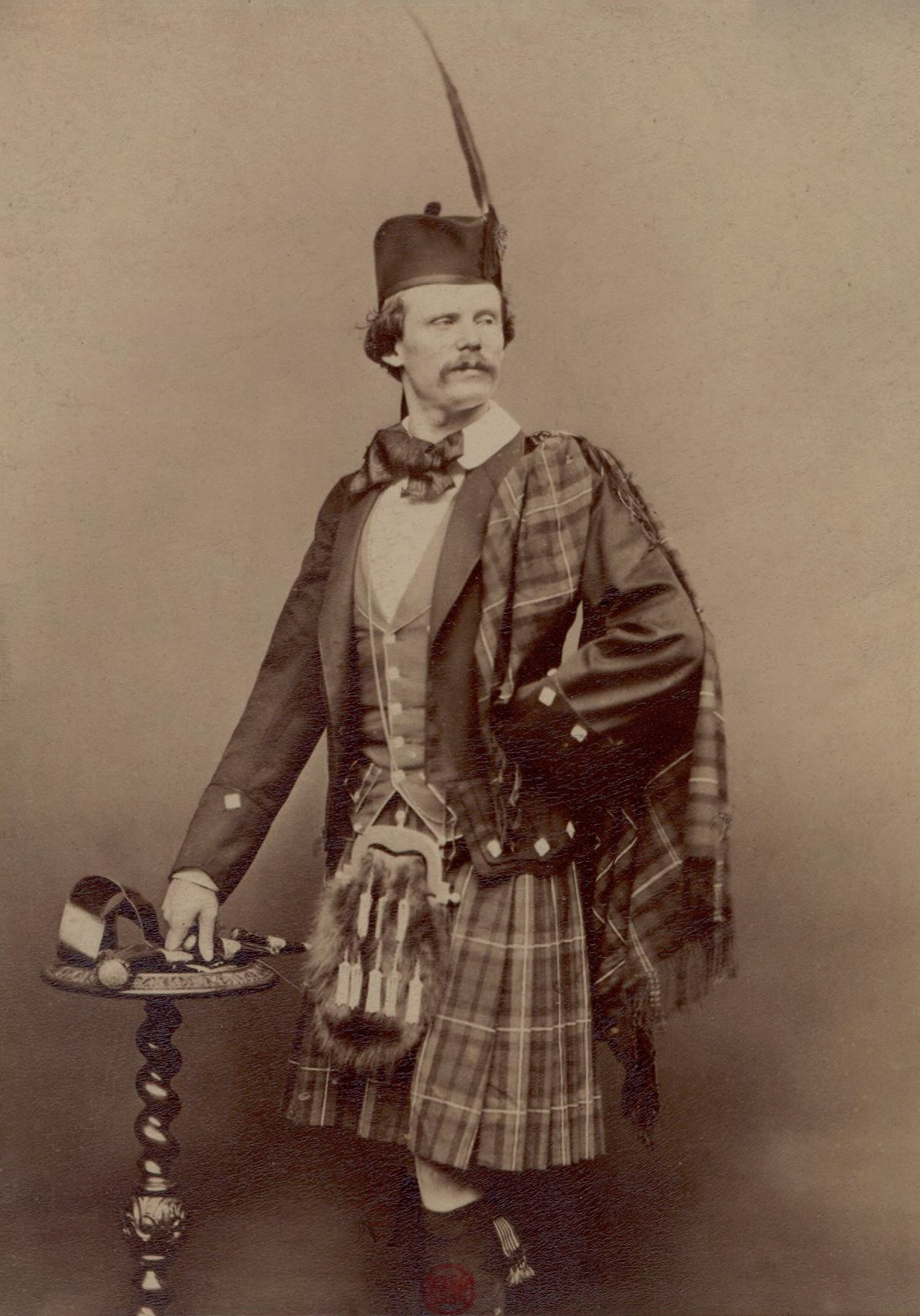 🇬🇧 United Kingdom and 2 moreDaniel Dunglas Home
A Scottish physical medium known for levitation and spirit communication during the Victorian era.Belief · Speaking with spirits and the dead · Wonder and entertainment Historical
 🇧🇷 Brazil and 5 moreSanto Daime
A Brazilian syncretic religion using ayahuasca for spiritual work and healingTradition · Healing · Speaking with spirits and the dead Living
 🇩🇪 Germany and 5 moreWild Hunt
A spectral chase across Europe led by a mythic figure and ghostly riders.Belief · Cursing and harm Historical
 🇩🇪 Germany and 2 moreEaster FireOsterfeuer
Bonfires lit at Easter to mark the Resurrection and spring renewalRite · Cleansing and purification · Power and authority Living
 🇧🇷 Brazil and 5 moreWhite Lady
A female ghost in white clothing linked to tragedy and omens across many culturesFigure · Cursing and harm · Seeing and foretelling Legendary
🇬🇧 United Kingdom and 4 moreTelling the bees
A Western European custom of informing hives about major household eventsTradition · Protection · Luck and prosperity Living
 🇳🇱 NetherlandsWitch trials in the Netherlands
A historical record of prosecutions and executions for sorcery in the Dutch Republic.Belief · Cursing and harm Historical
 🇺🇸 United States and 5 moreSatanic panic
A moral panic of unsubstantiated claims about occult child abuse that spread globally in the late twentieth centuryBelief · Cursing and harm Historical
 🇳🇱 Netherlands and 3 morePig-faced women
A European legend of a woman with the face of a pig, and the charms used to break her curseFigure · Change and initiation Historical
🇺🇸 United States and 5 moreFriday the 13th
A Western superstition marking a specific calendar date as unluckyBelief · Cursing and harm Living
🇺🇸 United States and 5 moreFriday the 13th
A Western superstition that a specific calendar alignment brings misfortuneBelief · Cursing and harm Living
 🇮🇪 Ireland and 4 moreFairy Queen
A female ruler of fairies found in folklore, literature, and witchcraft trials across Europe.Figure · Power and authority Historical
 🇩🇪 Germany and 3 moreWiedergänger
A German term for a revenant or ghost that returns to the world of the living.Being · Cursing and harm Historical
🇧🇪 Belgium and 1 moreKabouter
A tiny Dutch folklore spirit that helps with chores and punishes those who spy on them.Being · Protection · Cursing and harm Legendary
 🇩🇪 Germany and 5 moreCompanions of Saint Nicholas
Dark figures who accompany the gift-bringer to discipline children across Central EuropeFigure · Cursing and harm · Luck and prosperity Living
 🇩🇪 Germany and 3 moreKlabautermann
A North Sea ship kobold that aids sailors and signals a vessel's doom.Being · Protection · Wonder and entertainment Historical
 🇳🇱 Netherlands and 3 moreZwarte Piet
A companion of Saint Nicholas in Low Countries folklore, now the subject of major cultural debate.Figure · Luck and prosperity Living
Photo credits on this page
The small pictures above come from Wikimedia Commons under free licences. Some are cropped to fit.
- Friday the 13th: Leonardo da Vinci, Public domain, source
- Fairy: Henry Fuseli, Public domain, source
- Satanic panic: Hartmann Schedel (1440-1514), Public domain, source
- Walpurgis Night: Luis Ricardo Falero, Public domain, source
- White Lady: engraved by Ames of Bristol (according to Fincham, Artists and engrave, Public domain, source
- Witch trials in the Netherlands: Mathje1963, CC BY-SA 4.0, source
- Pig-faced women: DubhEire, CC0, source
- Wiedergänger: Unknown author, Public domain, source
- Easter Fire: Jürgen Eissink, CC BY-SA 4.0, source
- Santo Daime: Tonelada, CC BY-SA 3.0, source
- Companions of Saint Nicholas: unknown, unreadable signature on bottom right hand side, Public domain, source
- Daniel Dunglas Home: Nadar, Public domain, source
- Wild Hunt: Peter Nicolai Arbo, Public domain, source
- Zwarte Piet: The illustrator is Daan Hoeksma, who died in 1935. The author is liste, Public domain, source
- Klabautermann: Anton von Werner, Public domain, source
The weekly digest
Every Monday: seven entries you may not know, what is on the calendar this week, and one rite drawn step by step.