🇫🇮 Magic in Finland
15 entries from Finland, best known first, across 3 places of magic.
Finnish mythology is rooted in an oral tradition of poem-singing and folklore, sharing features with Estonian, Baltic, and Norse beliefs. It survives today through a small modern revival alongside the dominant Lutheran faith.
- The bear was called mesikämmen to avoid uttering its true name
- Ukko struck lightning with a hammer, axe, or sword
- Tietäjät sang runo poetry and traveled to Tuonela in trance
- The world formed from a pochard bird laying seven eggs
- Peijaiset feasts convinced the bear spirit death was accidental
Overview
The tradition relies on an oral history of mythical verse that persisted into the nineteenth century. It shares many elements with neighboring Finnic, Baltic, Slavic, and Norse cultures. The worldview centers on a flat earth covered by a sky dome, with stars rotating around the North Star. Souls were believed to travel via a great whirl at the pole to Tuonela, the land of the dead. This cosmology explains natural phenomena through mythic origins, such as the world forming from a bird's egg. The belief system integrates nature spirits, deities, and ancestral figures into daily life and hunting practices.
Practices and beliefs
Practitioners use charms, oracles, and ritual speech to interact with the spirit world. Tietäjät, or traditional ritual specialists, traveled in trance to Tuonela for guidance. Bear worship involved using circumlocutions like mesikämmen to avoid naming the animal directly. Stone axes were collected as weapons left by Ukko after lightning strikes. The Sampo, a magical mill, was said to produce wealth. Shamans used wooden bird figures to protect sleeping souls from escaping.
Rites and charms
Bear feasts, known as peijaiset, honored the bear spirit after a kill. Rituals aimed to convince the spirit that death was accidental rather than murder. The bear skull was hung high in a pine tree to allow the spirit to return to the heavens. Divination and song magic were central to tietäjä practice. Protective rituals included placing wooden birds near sleepers to guard against soul loss. Offerings and respectful language were used when dealing with forest and water spirits.
Who practises
Tietäjät served as ritual specialists, healers, and singers of runo poetry. They were chosen for their ability to perform magic through song and trance. Scholars like Elias Lönnrot recorded their verses in the nineteenth century. Local guardian spirits and haltija protected specific places or objects. Deities like Ukko and Tapio held authority over weather and forests. Modern practitioners maintain a small percentage of the population, keeping the oral traditions alive.
Regions and communities
Mikael Agricola documented deities in Häme and Karjala in the sixteenth century. Later research showed these lists mixed gods with local spirits and Christian saints. Regional variations existed in the number of eggs in creation myths and the types of birds involved. Different areas had distinct names for the bear and other sacred animals. The Kalevala compiled stories from various parts of Finland, standardizing some regional tales into a national epic.
The calendar
Witches were believed to meet at Kyöpelinvuori during Easter. Bear feasts followed the killing of a sacred animal, marking a significant seasonal event. The lunar cycle influenced certain spirits like Kave. Seasonal changes were explained by birds moving along the Milky Way to Lintukoto. Life events like birth and death involved interactions with soul-birds. Festivals honored deities like Pekko for barley and brewing.
Law and the state
Lutheran reformer Mikael Agricola first recorded folk religion in the sixteenth century. He listed deities but later scholars reclassified them as spirits or legends. The church historically viewed pagan practices with suspicion. Modern Finnish paganism exists as a small revival movement. There is no mention of legal persecution in the provided text, only historical documentation by clergy and scholars.
Today
A small percentage of Finns practice a modern revival of this mythology. The Kalevala remains a central cultural artifact, influencing literature and national identity. Scholars continue to study the oral poetry and mythic structures. Migration has spread these beliefs, though the core remains tied to Finnish and Estonian roots. Tourism and academic interest keep the folklore visible, while practitioners maintain the traditional rites.
The facts in this overview come from the Wikipedia article "Finnish mythology", written by its contributors and used under the CC BY-SA 4.0 licence. EveryJaadu rewrote the text in its own words, with AI assistance, and compares every page with the article to make sure no passage is copied. It may be reused under the same CC BY-SA 4.0 licence with a link back.
Places of magic in Finland
 🇹🇷 Turkey and 5 moreEvil eye
A curse believed to be cast by a jealous glare and the charms used to stop itBelief · Protection Living
🇹🇷 Turkey and 5 moreEvil eye
A curse believed to be cast by a jealous glare and the charms used to stop itBelief · Protection Living
 🇺🇸 United States and 5 moreFriday the 13th
A Western superstition marking a specific calendar date as unlucky.Belief · Luck and prosperity Living
🇫🇮 Finland and 1 moreWitch trials in Finland
A historical record of legal persecution for magic in a region where men were common targets.Belief · Cursing and harm Historical
🇺🇸 United States and 5 moreFriday the 13th
A Western superstition marking a specific calendar date as unlucky.Belief · Luck and prosperity Living
🇫🇮 Finland and 1 moreWitch trials in Finland
A historical record of legal persecution for magic in a region where men were common targets.Belief · Cursing and harm Historical
 🇸🇪 Sweden and 3 moreSilver bullet
A folk weapon for monsters and a metaphor for simple solutionsCharm · Cursing and harm Historical
🇸🇪 Sweden and 3 moreSilver bullet
A folk weapon for monsters and a metaphor for simple solutionsCharm · Cursing and harm Historical
 🇬🇧 United Kingdom and 3 moreRowancaorann
A Northern Hemisphere tree believed to ward off witches and protect travellers.Substance · Protection · Speaking with spirits and the dead Living
🇫🇮 Finland and 1 moreFinnic mythologies
The traditional beliefs and spiritual practices of the Finnic-speaking peoples of northern Eurasia.Tradition · Speaking with spirits and the dead · Power and authority Living
🇬🇧 United Kingdom and 3 moreRowancaorann
A Northern Hemisphere tree believed to ward off witches and protect travellers.Substance · Protection · Speaking with spirits and the dead Living
🇫🇮 Finland and 1 moreFinnic mythologies
The traditional beliefs and spiritual practices of the Finnic-speaking peoples of northern Eurasia.Tradition · Speaking with spirits and the dead · Power and authority Living
 🇮🇸 Iceland and 1 moreHidden-folkhuldufólk
Supernatural beings in Nordic folklore who live in a parallel world within the landscape.Being · Protection · Luck and prosperity Living
🇮🇸 Iceland and 1 moreHidden-folkhuldufólk
Supernatural beings in Nordic folklore who live in a parallel world within the landscape.Being · Protection · Luck and prosperity Living
 🇺🇸 United States and 7 moreSatanic panic
A moral panic over unsubstantiated claims of Satanic cults abusing children in the late twentieth centuryBelief · Cursing and harm Historical
🇺🇸 United States and 7 moreSatanic panic
A moral panic over unsubstantiated claims of Satanic cults abusing children in the late twentieth centuryBelief · Cursing and harm Historical
 🇸🇪 Sweden and 5 moreMidsummerJāņi; Joninės; Jaanipäev; Enyovden; Litha; Juhannus
A summer solstice festival marked by bonfires, maypole dancing, and feasting across Europe.Tradition · Protection · Luck and prosperity Living
🇸🇪 Sweden and 5 moreMidsummerJāņi; Joninės; Jaanipäev; Enyovden; Litha; Juhannus
A summer solstice festival marked by bonfires, maypole dancing, and feasting across Europe.Tradition · Protection · Luck and prosperity Living
 🇪🇸 Spain and 5 moreSt John's Eve
A Christian vigil marked by bonfires and plant gathering on the summer solstice eveRite · Protection · Speaking with spirits and the dead Living
🇪🇸 Spain and 5 moreSt John's Eve
A Christian vigil marked by bonfires and plant gathering on the summer solstice eveRite · Protection · Speaking with spirits and the dead Living
 🇩🇪 Germany and 7 moreWalpurgis NightWalpurgisnacht
A spring vigil marking the eve of Saint Walpurga's feast day with bonfires and student festivalsRite · Protection · Speaking with spirits and the dead Living
🇩🇪 Germany and 7 moreWalpurgis NightWalpurgisnacht
A spring vigil marking the eve of Saint Walpurga's feast day with bonfires and student festivalsRite · Protection · Speaking with spirits and the dead Living
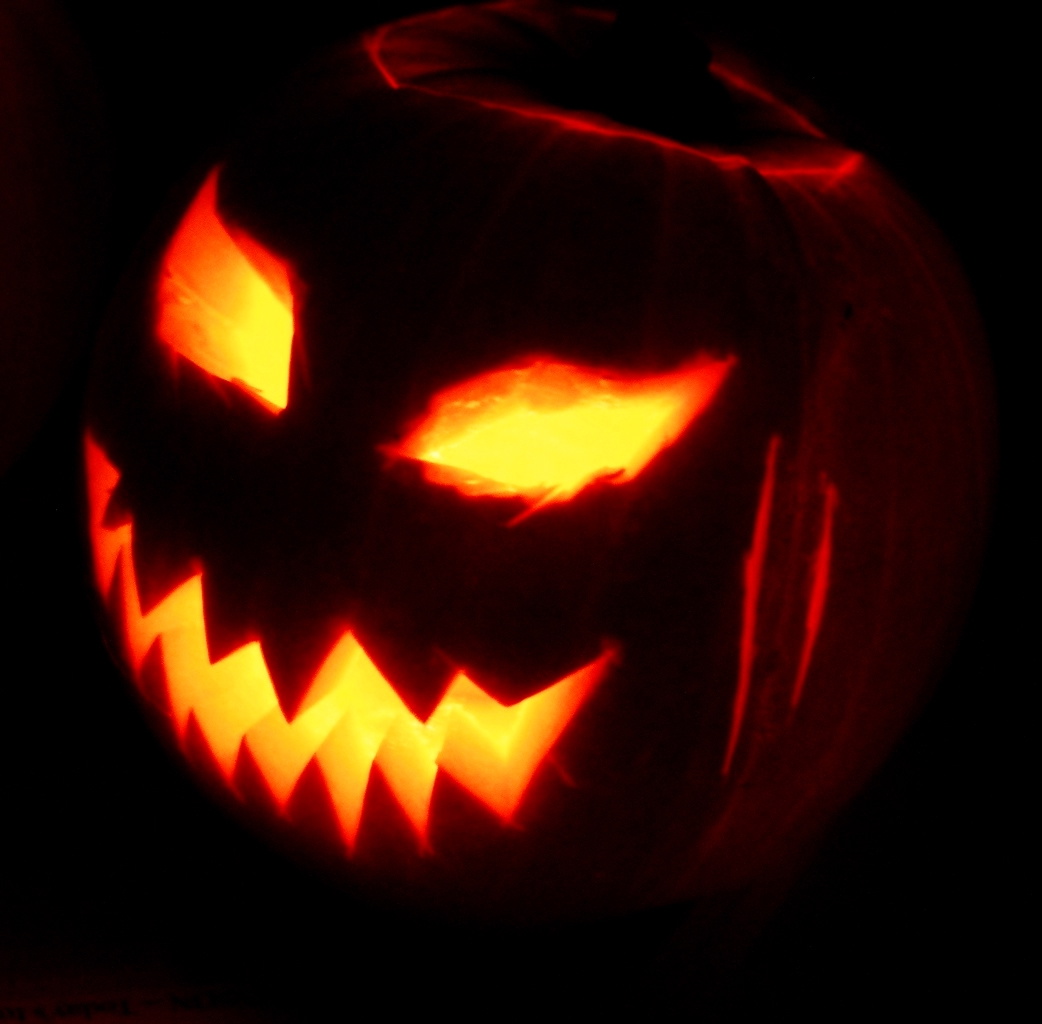 🇮🇪 Ireland and 5 moreHalloween
A Christian vigil on 31 October for the dead, now marked by costumes and carved vegetablesRite · Speaking with spirits and the dead · Protection Living
🇮🇪 Ireland and 5 moreHalloween
A Christian vigil on 31 October for the dead, now marked by costumes and carved vegetablesRite · Speaking with spirits and the dead · Protection Living
 🇫🇮 Finland and 1 moreFinnish mythology
The pre-Christian folklore and cosmology of the Finns and KareliansTradition · Speaking with spirits and the dead · Protection Revived
🇫🇮 Finland and 1 moreFinnish mythology
The pre-Christian folklore and cosmology of the Finns and KareliansTradition · Speaking with spirits and the dead · Protection Revived
 🇪🇪 Estonia and 1 moreEstonian mythologyeesti mütoloogia
The pre-Christian beliefs and legends of the Estonian peopleTradition · Protection · Speaking with spirits and the dead Historical
🇪🇪 Estonia and 1 moreEstonian mythologyeesti mütoloogia
The pre-Christian beliefs and legends of the Estonian peopleTradition · Protection · Speaking with spirits and the dead Historical
 🇳🇴 Norway and 2 moreSámi drumgoavddis
A ceremonial instrument used by Sámi noaidi for trance and divinationTradition · Seeing and foretelling · Speaking with spirits and the dead Historical
🇳🇴 Norway and 2 moreSámi drumgoavddis
A ceremonial instrument used by Sámi noaidi for trance and divinationTradition · Seeing and foretelling · Speaking with spirits and the dead Historical
Photo credits on this page
The small pictures above come from Wikimedia Commons under free licences. Some are cropped to fit.
- St John's Eve: Jules Breton, Public domain, source
- Evil eye: FocalPoint, CC BY-SA 3.0, source
- Friday the 13th: Leonardo da Vinci, Public domain, source
- Rowan: Taken by me, Jonik , on August 25, 2004., CC BY-SA 2.0, source
- Hidden-folk: Schorle, CC BY-SA 3.0, source
- Satanic panic: Hartmann Schedel (1440-1514), Public domain, source
- Midsummer: Kora27, CC BY-SA 4.0, source
- Walpurgis Night: Luis Ricardo Falero, Public domain, source
- Halloween: Toby Ord, CC BY-SA 2.5, source
- Estonian mythology: Jeannette Berkowitz (illustrator), Public domain, source
- Sámi drum: Zouavman Le Zouave, CC BY-SA 3.0, source
- Silver bullet: Smithsonian Institution, CC0, source
The weekly digest
Every Monday: seven entries you may not know, what is on the calendar this week, and one rite drawn step by step.