🇫🇮 Magic in Finland
43 entries from Finland, best known first, across 10 places of magic.
Finnish mythology is rooted in an oral tradition of poem-singing and folklore, sharing features with Estonian, Baltic, and Norse beliefs. It survives today through a small modern revival alongside the dominant Lutheran faith.
- The bear was called mesikämmen to avoid uttering its true name
- Ukko struck lightning with a hammer, axe, or sword
- Tietäjät sang runo poetry and traveled to Tuonela in trance
- The world formed from a pochard bird laying seven eggs
- Peijaiset feasts convinced the bear spirit death was accidental
Overview
The tradition relies on an oral history of mythical verse that persisted into the nineteenth century. It shares many elements with neighboring Finnic, Baltic, Slavic, and Norse cultures. The worldview centers on a flat earth covered by a sky dome, with stars rotating around the North Star. Souls were believed to travel via a great whirl at the pole to Tuonela, the land of the dead. This cosmology explains natural phenomena through mythic origins, such as the world forming from a bird's egg. The belief system integrates nature spirits, deities, and ancestral figures into daily life and hunting practices.
Practices and beliefs
Practitioners use charms, oracles, and ritual speech to interact with the spirit world. Tietäjät, or traditional ritual specialists, traveled in trance to Tuonela for guidance. Bear worship involved using circumlocutions like mesikämmen to avoid naming the animal directly. Stone axes were collected as weapons left by Ukko after lightning strikes. The Sampo, a magical mill, was said to produce wealth. Shamans used wooden bird figures to protect sleeping souls from escaping.
Rites and charms
Bear feasts, known as peijaiset, honored the bear spirit after a kill. Rituals aimed to convince the spirit that death was accidental rather than murder. The bear skull was hung high in a pine tree to allow the spirit to return to the heavens. Divination and song magic were central to tietäjä practice. Protective rituals included placing wooden birds near sleepers to guard against soul loss. Offerings and respectful language were used when dealing with forest and water spirits.
Who practises
Tietäjät served as ritual specialists, healers, and singers of runo poetry. They were chosen for their ability to perform magic through song and trance. Scholars like Elias Lönnrot recorded their verses in the nineteenth century. Local guardian spirits and haltija protected specific places or objects. Deities like Ukko and Tapio held authority over weather and forests. Modern practitioners maintain a small percentage of the population, keeping the oral traditions alive.
Regions and communities
Mikael Agricola documented deities in Häme and Karjala in the sixteenth century. Later research showed these lists mixed gods with local spirits and Christian saints. Regional variations existed in the number of eggs in creation myths and the types of birds involved. Different areas had distinct names for the bear and other sacred animals. The Kalevala compiled stories from various parts of Finland, standardizing some regional tales into a national epic.
The calendar
Witches were believed to meet at Kyöpelinvuori during Easter. Bear feasts followed the killing of a sacred animal, marking a significant seasonal event. The lunar cycle influenced certain spirits like Kave. Seasonal changes were explained by birds moving along the Milky Way to Lintukoto. Life events like birth and death involved interactions with soul-birds. Festivals honored deities like Pekko for barley and brewing.
Law and the state
Lutheran reformer Mikael Agricola first recorded folk religion in the sixteenth century. He listed deities but later scholars reclassified them as spirits or legends. The church historically viewed pagan practices with suspicion. Modern Finnish paganism exists as a small revival movement. There is no mention of legal persecution in the provided text, only historical documentation by clergy and scholars.
Today
A small percentage of Finns practice a modern revival of this mythology. The Kalevala remains a central cultural artifact, influencing literature and national identity. Scholars continue to study the oral poetry and mythic structures. Migration has spread these beliefs, though the core remains tied to Finnish and Estonian roots. Tourism and academic interest keep the folklore visible, while practitioners maintain the traditional rites.
The facts in this overview come from the Wikipedia article "Finnish mythology", written by its contributors and used under the CC BY-SA 4.0 licence. EveryJaadu rewrote the text in its own words, with AI assistance, and compares every page with the article to make sure no passage is copied. It may be reused under the same CC BY-SA 4.0 licence with a link back.
 🇹🇷 Turkey and 5 moreEvil eye
A curse caused by an envious look and the charms used to block itBelief · Protection · Cursing and harm Living
 🇸🇪 Sweden and 5 moreMidsummerJāņi; Joninės; Jaanipäev; Enyovden; Litha; Juhannus
A summer solstice festival marked by bonfires, maypole dancing, and feasting across Europe.Tradition · Protection · Luck and prosperity Living
 🇪🇸 Spain and 5 moreSt John's Eve
A Christian vigil marked by bonfires and plant gathering on the summer solstice eveRite · Protection · Speaking with spirits and the dead Living
 🇩🇪 Germany and 7 moreWalpurgis NightWalpurgisnacht
A spring vigil marking the eve of Saint Walpurga's feast day with bonfires and student festivalsRite · Protection · Speaking with spirits and the dead Living
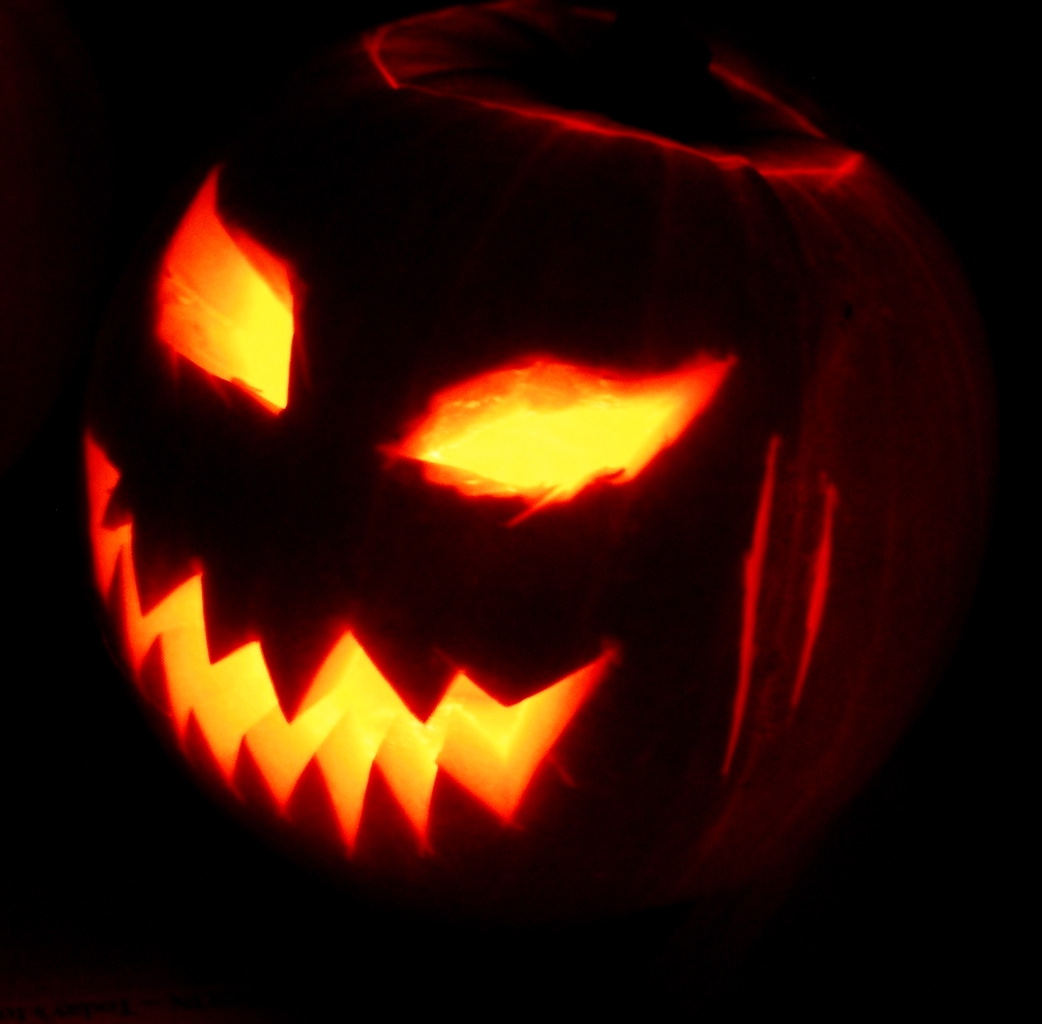 🇮🇪 Ireland and 5 moreHalloween
A Christian vigil on 31 October for the dead, now marked by costumes and carved vegetablesRite · Speaking with spirits and the dead · Protection Living
 🇫🇮 Finland and 5 moreMolybdomancy
A divination method using molten metal poured into water to read omensRite · Seeing and foretelling · Cursing and harm Living
 🇬🇧 United Kingdom and 3 moreRowancaorann
A Northern Hemisphere tree believed to ward off witches and protect travellers.Substance · Protection · Speaking with spirits and the dead Living
 🇺🇸 United States and 5 moreFriday the 13th
A Western superstition that a specific calendar combination brings misfortuneBelief · Cursing and harm Living
 🇮🇸 Iceland and 1 moreHidden-folkhuldufólk
Supernatural beings in Nordic folklore said to live in a parallel world within the natural landscape.Being · Protection · Speaking with spirits and the dead Living
🇺🇸 United States and 5 moreFriday the 13th
A Western superstition that a specific calendar alignment brings misfortuneBelief · Cursing and harm Living
🇫🇮 Finland and 1 moreFrog coffin
A Finnish folk magic burial of a frog in a tiny coffin to steal luck or reflect harmRite · Protection · Cursing and harm Historical
 🇸🇪 Sweden and 1 moreEaster witchpåskkärring
A Swedish legend of witches flying to Blockula, and a children's Easter dressing-up customBelief · Protection Living
🇫🇮 FinlandEtiäinen
A Finnish belief in a premonitory apparition that precedes a person's arrivalBelief · Seeing and foretelling Living
🇫🇮 Finland and 2 moreSaint Knut's Daytjugondag jul; nuutinpäivä
A January festival ending the Christmas season with tree removal and traditional visits.Rite · Cleansing and purification Living
Photo credits on this page
The small pictures above come from Wikimedia Commons under free licences. Some are cropped to fit.
- Halloween: Toby Ord, CC BY-SA 2.5, source
- Friday the 13th: Leonardo da Vinci, Public domain, source
- Midsummer: Kora27, CC BY-SA 4.0, source
- Evil eye: FocalPoint, CC BY-SA 3.0, source
- Rowan: Taken by me, Jonik , on August 25, 2004., CC BY-SA 2.0, source
- Walpurgis Night: Luis Ricardo Falero, Public domain, source
- Easter witch: Holger.Ellgaard , eget fotomontage, CC BY-SA 3.0, source
- St John's Eve: Jules Breton, Public domain, source
- Molybdomancy: Micha L. Rieser, Attribution, source
- Hidden-folk: Schorle, CC BY-SA 3.0, source
The weekly digest
Every Monday: seven entries you may not know, what is on the calendar this week, and one rite drawn step by step.