Folk and village custom: magic in this belief world
Rural and household beliefs that belong to no single organised religion.
Folk and village custom is the large body of belief and practice that belongs to no organised religion: the charm against the evil eye, the cure for warts, the fairy hawthorn, the household spirit, the lucky day. It is passed within families and communities and exists in every society. This page looks at how it is kept, who keeps it, and why it is both valued and dismissed. It is also called popular religion, vernacular religion or lived religion by scholars.
Keepers and settings
Keepers are often older women, farmers, midwives, shepherds and craftsmen. Settings are the house, field, well, crossroads and church porch. European cunning folk offered help for fees and kept charms and books. In many Asian and African villages the specialist is a healer, a diviner or a spirit medium working beside religion. The same grandmother may light a candle at church, tie a thread on a child and say a charm for a burn, and see no conflict between them.
Names and labels
The same thing carries many names: the evil eye is the nazar, mal de ojo and ayin hara. Folklorists collected such customs from the nineteenth century, sometimes as relics of a vanished past and sometimes as living culture. The label folk also marks class, since the term often implies rural, poor or uneducated, a bias that modern scholars try to avoid. Where the village has a wise woman or a bone-setter, the community knows what to ask of her and what she will refuse to do.
Religion, state and reform
Churches, mosques and temples have absorbed, tolerated and condemned folk practice in turn. States have banned it as backward: Chinese campaigns against superstition in the twentieth century closed local temples and shrines, and Soviet policy targeted village healers. At times governments have turned to it as national heritage, as in revived festivals across Europe and Asia. Historians and folklorists note that it often keeps old customs alive within newer religions, such as lighting fires at midsummer within Christian saints' days.
Change and commerce
Urban life and migration thin out folk knowledge, while heritage projects and the internet gather it. Customs reappear as products, such as protective charms in shops and festival tourism. Some folk practice carries harm: village accusation of witchcraft, treatments that delay medical care, and fees charged to relieve fear. Illness needs real medical care. In places with active heritage movements, folk custom has become a source of pride, and young people record songs and cures from grandparents before they are lost.
Folk and village custom on EveryJaadu
The entries written up so far, best known first.
 🇮🇳 India and 2 morePalmistry
A divination method that interprets the lines and shapes of the hand to predict fate or reveal character.Oracle · Seeing and foretelling · Power and authority Living
🇮🇳 India and 2 morePalmistry
A divination method that interprets the lines and shapes of the hand to predict fate or reveal character.Oracle · Seeing and foretelling · Power and authority Living
 🇯🇵 JapanDaruma doll達磨
A round Japanese talisman that rights itself when knocked overCharm · Luck and prosperity · Power and authority Living
🇯🇵 JapanDaruma doll達磨
A round Japanese talisman that rights itself when knocked overCharm · Luck and prosperity · Power and authority Living
 🇨🇳 China and 2 moreEight Immortals八仙
Eight legendary Taoist figures of China, each with a power and a vesselFigure · Protection · Healing Living
🇨🇳 China and 2 moreEight Immortals八仙
Eight legendary Taoist figures of China, each with a power and a vesselFigure · Protection · Healing Living
 🇨🇳 China and 5 moreKau chim求籤
A divination practice using numbered bamboo sticks to seek answers from deitiesOracle · Seeing and foretelling · Power and authority Living
🇨🇳 China and 3 moreQi氣 / 气
A vital force in Chinese philosophy and medicine, believed to flow through all living things.Substance · Healing · Power and authority Living
🇨🇳 China and 5 moreKau chim求籤
A divination practice using numbered bamboo sticks to seek answers from deitiesOracle · Seeing and foretelling · Power and authority Living
🇨🇳 China and 3 moreQi氣 / 气
A vital force in Chinese philosophy and medicine, believed to flow through all living things.Substance · Healing · Power and authority Living
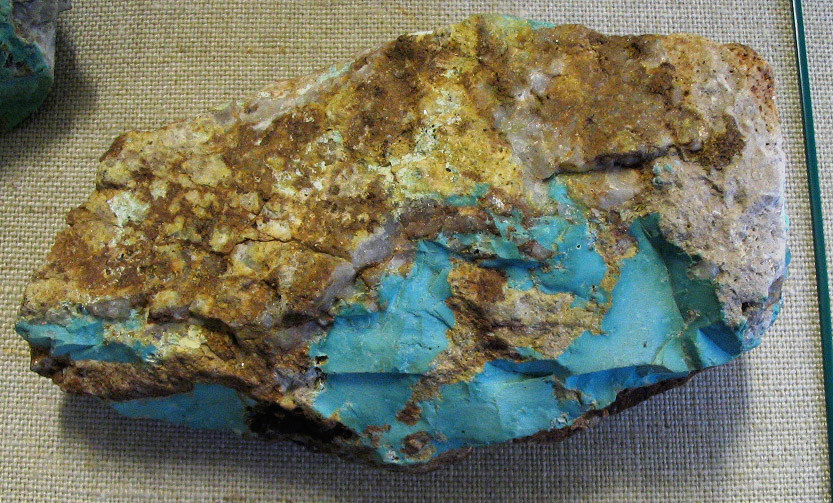 🇮🇷 Iran and 5 moreTurquoise
An opaque blue-green gemstone prized for its color since ancient timesSubstance · Protection · Luck and prosperity Living
🇮🇷 Iran and 5 moreTurquoise
An opaque blue-green gemstone prized for its color since ancient timesSubstance · Protection · Luck and prosperity Living
 🇮🇪 IrelandBlarney StoneCloch na Blarnan
A limestone block in an Irish castle kissed for the gift of eloquenceCharm · Power and authority Living
🇧🇯 Benin and 2 morePapa Legba
A loa who stands at the crossroads and opens the gate between people and spiritsBeing · Speaking with spirits and the dead · Power and authority Living
🇬🇧 United Kingdom and 1 moreChaos magic
A modern magical system that treats belief as a flexible tool rather than a fixed truth.Tradition · Change and initiation · Power and authority Living
🇮🇪 IrelandBlarney StoneCloch na Blarnan
A limestone block in an Irish castle kissed for the gift of eloquenceCharm · Power and authority Living
🇧🇯 Benin and 2 morePapa Legba
A loa who stands at the crossroads and opens the gate between people and spiritsBeing · Speaking with spirits and the dead · Power and authority Living
🇬🇧 United Kingdom and 1 moreChaos magic
A modern magical system that treats belief as a flexible tool rather than a fixed truth.Tradition · Change and initiation · Power and authority Living
 🇸🇴 Somalia and 5 moreFrankincense
An aromatic tree resin harvested for incense, perfume, and religious ritualSubstance · Speaking with spirits and the dead · Power and authority Living
🇸🇴 Somalia and 5 moreFrankincense
An aromatic tree resin harvested for incense, perfume, and religious ritualSubstance · Speaking with spirits and the dead · Power and authority Living
 🇬🇧 United Kingdom and 2 moreWheel of the Year
An annual cycle of eight seasonal festivals observed by modern pagans.Tradition · Speaking with spirits and the dead · Power and authority Living
🇬🇧 United Kingdom and 2 moreWheel of the Year
An annual cycle of eight seasonal festivals observed by modern pagans.Tradition · Speaking with spirits and the dead · Power and authority Living
 🇺🇸 United States and 4 moreFortune-telling
A practice of predicting future events or personal details through various methods and tools.Rite · Seeing and foretelling · Power and authority Living
🇺🇸 United States and 4 moreFortune-telling
A practice of predicting future events or personal details through various methods and tools.Rite · Seeing and foretelling · Power and authority Living
 🇨🇳 China and 1 moreDongyue Dadi東嶽大帝
The Chinese mountain god of Mount Tai who rules lifespans and underworld recordsBeing · Speaking with spirits and the dead · Power and authority Living
🇨🇳 China and 1 moreDongyue Dadi東嶽大帝
The Chinese mountain god of Mount Tai who rules lifespans and underworld recordsBeing · Speaking with spirits and the dead · Power and authority Living
 🇮🇳 India and 5 moreSnake worship
Veneration of serpents as divine or ancestral beings across global culturesTradition · Protection · Healing Living
🇮🇳 India and 5 moreSnake worship
Veneration of serpents as divine or ancestral beings across global culturesTradition · Protection · Healing Living
 🇮🇷 Iran and 2 moreBibliomancy
Divination by opening a book at random and reading the first passage foundOracle · Seeing and foretelling · Power and authority Living
🇮🇷 Iran and 2 moreBibliomancy
Divination by opening a book at random and reading the first passage foundOracle · Seeing and foretelling · Power and authority Living
 🇸🇳 Senegal and 5 morePentagramπεντάγραμμον
A five-pointed star figure used across history for protection, ritual, and cosmologyCharm · Protection · Binding and oaths Living
🇸🇳 Senegal and 5 morePentagramπεντάγραμμον
A five-pointed star figure used across history for protection, ritual, and cosmologyCharm · Protection · Binding and oaths Living
 🇬🇹 GuatemalaMaximónRi Laj Mam
A Maya folk saint and trickster deity venerated in the Guatemalan HighlandsBeing · Protection · Healing Living
🇬🇹 GuatemalaMaximónRi Laj Mam
A Maya folk saint and trickster deity venerated in the Guatemalan HighlandsBeing · Protection · Healing Living
 🇷🇺 Russia and 7 moreSlavic Native FaithРодноверие
A modern polytheistic movement drawing on Slavic folklore, romanticism, and global spiritual traditions.Tradition · Speaking with spirits and the dead · Power and authority Living
🇷🇺 Russia and 7 moreSlavic Native FaithРодноверие
A modern polytheistic movement drawing on Slavic folklore, romanticism, and global spiritual traditions.Tradition · Speaking with spirits and the dead · Power and authority Living
 🇬🇧 United KingdomBeltane Fire Festival
A modern Edinburgh performance celebrating the start of summer with fire and danceRite · Wonder and entertainment · Power and authority Living
🇬🇧 United KingdomBeltane Fire Festival
A modern Edinburgh performance celebrating the start of summer with fire and danceRite · Wonder and entertainment · Power and authority Living
 🇮🇩 Indonesia and 3 moreDragon's blood
A bright red resin from several plant species used in magic, medicine, and art since antiquitySubstance · Healing · Protection Living
🇮🇩 Indonesia and 3 moreDragon's blood
A bright red resin from several plant species used in magic, medicine, and art since antiquitySubstance · Healing · Protection Living
 🇮🇳 India and 2 morePlanets in astrology
Seven celestial bodies used to map human character and destinyBelief · Power and authority · Luck and prosperity Living
🇮🇳 India and 2 morePlanets in astrology
Seven celestial bodies used to map human character and destinyBelief · Power and authority · Luck and prosperity Living
 🇨🇦 Canada and 1 moreTotemdoodem
A spirit or symbol linking a group to nature, from Ojibwe clan systems to Australian kinshipBelief · Speaking with spirits and the dead · Power and authority Living
🇨🇦 Canada and 1 moreTotemdoodem
A spirit or symbol linking a group to nature, from Ojibwe clan systems to Australian kinshipBelief · Speaking with spirits and the dead · Power and authority Living
 🇪🇪 Estonia and 5 moreFern flower
A mythical bloom said to bring fortune and unlock secrets, found only on midsummer night.Belief · Luck and prosperity · Love and attraction Living
🇪🇪 Estonia and 5 moreFern flower
A mythical bloom said to bring fortune and unlock secrets, found only on midsummer night.Belief · Luck and prosperity · Love and attraction Living
 🇺🇸 United StatesRing shout
A sacred circle dance of African American origin using rhythmic movement and call-and-response singingRite · Speaking with spirits and the dead · Power and authority Living
🇺🇸 United StatesRing shout
A sacred circle dance of African American origin using rhythmic movement and call-and-response singingRite · Speaking with spirits and the dead · Power and authority Living
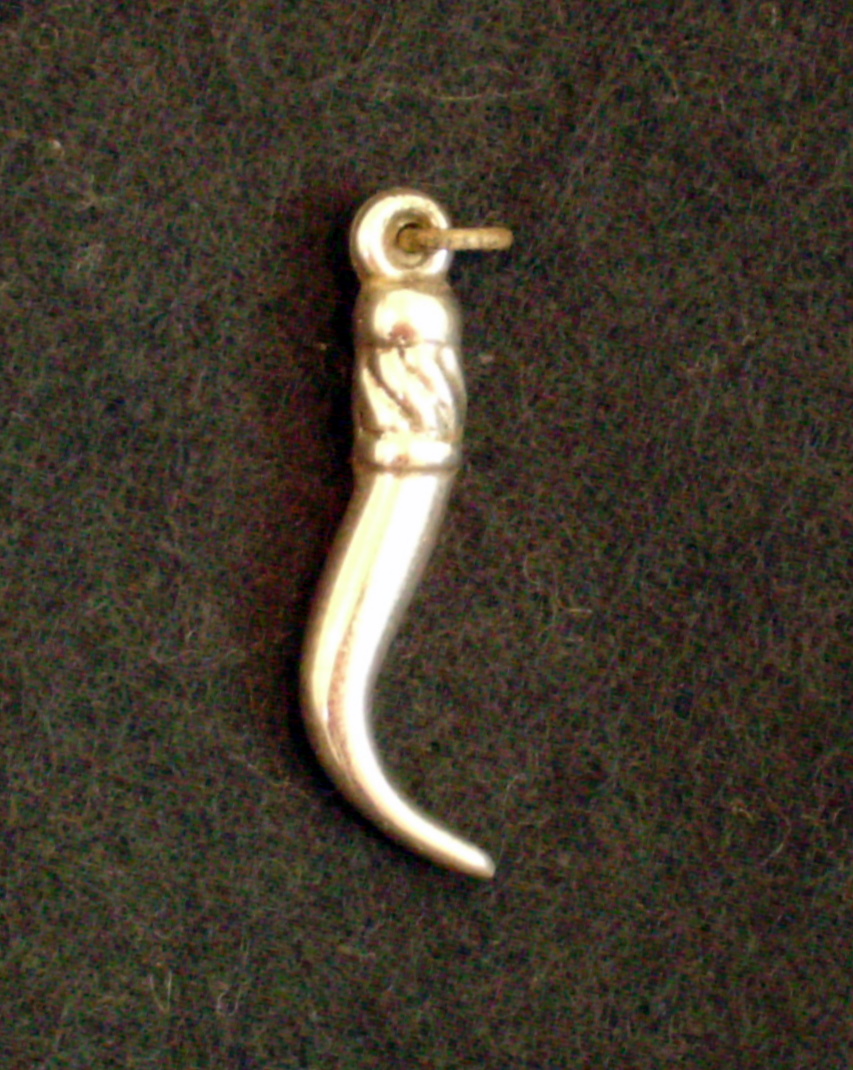 🇮🇹 ItalyCornicello
A twisted horn charm worn in Italy to ward off the evil eye and invite luck.Charm · Protection · Luck and prosperity Living
🇮🇹 ItalyCornicello
A twisted horn charm worn in Italy to ward off the evil eye and invite luck.Charm · Protection · Luck and prosperity Living
 🇩🇪 Germany and 2 moreEaster FireOsterfeuer
Bonfires lit at Easter to mark the Resurrection and spring renewalRite · Cleansing and purification · Power and authority Living
🇩🇪 Germany and 2 moreEaster FireOsterfeuer
Bonfires lit at Easter to mark the Resurrection and spring renewalRite · Cleansing and purification · Power and authority Living
 🇫🇷 France and 5 moreYule log
A large wooden log burned in the hearth during winter festivals across Europe and North America.Tradition · Protection · Luck and prosperity Living
🇫🇷 France and 5 moreYule log
A large wooden log burned in the hearth during winter festivals across Europe and North America.Tradition · Protection · Luck and prosperity Living
 🇲🇳 Mongolia and 2 moreWind Horseརླུང་རྟ་
An East and Central Asian symbol of the soul, luck, and vital energyBeing · Luck and prosperity · Protection Living
🇲🇳 Mongolia and 2 moreWind Horseརླུང་རྟ་
An East and Central Asian symbol of the soul, luck, and vital energyBeing · Luck and prosperity · Protection Living
 🇵🇭 Philippines and 1 moreAgimatAnting-anting
A Filipino amulet or charm believed to grant protection, power, and supernatural abilities.Charm · Protection · Love and attraction Living
🇵🇭 Philippines and 1 moreAgimatAnting-anting
A Filipino amulet or charm believed to grant protection, power, and supernatural abilities.Charm · Protection · Love and attraction Living
 🇳🇿 New Zealand and 5 moreFace tattoo
Marks inked on the face for spiritual protection, identity, rank, and rite of passageTradition · Protection · Power and authority Living
🇳🇿 New Zealand and 5 moreFace tattoo
Marks inked on the face for spiritual protection, identity, rank, and rite of passageTradition · Protection · Power and authority Living
 🇳🇴 Norway and 2 moreValknut
A symbol of three interlocked triangles found on Germanic artifacts and used in modern Heathenry.Belief · Power and authority Living
🇳🇴 Norway and 2 moreValknut
A symbol of three interlocked triangles found on Germanic artifacts and used in modern Heathenry.Belief · Power and authority Living
 🇮🇳 India and 3 moreSpirit
An invisible force or soul found in many cultures, linked to gods, humans, and nature.Being · Speaking with spirits and the dead · Power and authority Living
🇮🇳 India and 3 moreSpirit
An invisible force or soul found in many cultures, linked to gods, humans, and nature.Being · Speaking with spirits and the dead · Power and authority Living
 🇨🇳 China and 1 moreChinese shamanism巫教 (Wūjiào)
Spirit-mediums of China who dance and trance to carry messages between people and godsTradition · Speaking with spirits and the dead · Seeing and foretelling Living
🇨🇳 China and 1 moreChinese shamanism巫教 (Wūjiào)
Spirit-mediums of China who dance and trance to carry messages between people and godsTradition · Speaking with spirits and the dead · Seeing and foretelling Living
 🇯🇵 JapanFukusuke福助
A kneeling Japanese doll believed to bring wealth and honorCharm · Luck and prosperity · Power and authority Living
🇺🇸 United StatesFeri Tradition
An American ecstatic witchcraft tradition founded on the West Coast in the mid-twentieth century.Tradition · Power and authority · Change and initiation Living
🇧🇷 BrazilPro-VidaPró-Vida, Integração Cósmica
An occultist group founded in Brazil that promises cosmic consciousness and earthly paradise.Tradition · Change and initiation · Power and authority Living
🇯🇵 JapanFukusuke福助
A kneeling Japanese doll believed to bring wealth and honorCharm · Luck and prosperity · Power and authority Living
🇺🇸 United StatesFeri Tradition
An American ecstatic witchcraft tradition founded on the West Coast in the mid-twentieth century.Tradition · Power and authority · Change and initiation Living
🇧🇷 BrazilPro-VidaPró-Vida, Integração Cósmica
An occultist group founded in Brazil that promises cosmic consciousness and earthly paradise.Tradition · Change and initiation · Power and authority Living
 🇺🇸 United States and 1 moreNew Thought
A spiritual philosophy linking mental states to physical health and prosperityTradition · Healing · Luck and prosperity Living
🇺🇸 United States and 1 moreNew Thought
A spiritual philosophy linking mental states to physical health and prosperityTradition · Healing · Luck and prosperity Living
 🇮🇳 IndiaSnow Lionགངས་སེང་གེ་
A celestial mountain guardian of Tibet embodying fearlessness, bliss, and the DharmaBeing · Protection · Power and authority Living
🇮🇳 IndiaSnow Lionགངས་སེང་གེ་
A celestial mountain guardian of Tibet embodying fearlessness, bliss, and the DharmaBeing · Protection · Power and authority Living
 🇺🇸 United StatesAshtar
A channeled extraterrestrial figure central to mid-century American ufology and New Age spiritualityBeing · Speaking with spirits and the dead · Seeing and foretelling Living
🇺🇸 United StatesAshtar
A channeled extraterrestrial figure central to mid-century American ufology and New Age spiritualityBeing · Speaking with spirits and the dead · Seeing and foretelling Living
 🇯🇵 JapanOkiagari-koboshi起き上がり小法師
A Japanese roly-poly doll that rights itself when knocked overCharm · Luck and prosperity · Power and authority Living
🇯🇵 JapanOkiagari-koboshi起き上がり小法師
A Japanese roly-poly doll that rights itself when knocked overCharm · Luck and prosperity · Power and authority Living
 🇬🇧 United KingdomGorsedd stonesCerrig yr Orsedd
Stone circles built for the National Eisteddfod of Wales to host druidic ceremonies.Tradition · Speaking with spirits and the dead · Power and authority Living
🇺🇸 United States and 3 more11:11
A clock time believed to signal spiritual alignment or synchronicity in numerology and New Age thoughtBelief · Wonder and entertainment · Power and authority Living
🇬🇧 United KingdomGorsedd stonesCerrig yr Orsedd
Stone circles built for the National Eisteddfod of Wales to host druidic ceremonies.Tradition · Speaking with spirits and the dead · Power and authority Living
🇺🇸 United States and 3 more11:11
A clock time believed to signal spiritual alignment or synchronicity in numerology and New Age thoughtBelief · Wonder and entertainment · Power and authority Living
 🇵🇱 Poland and 4 moreMoranaМорена
A Slavic goddess of winter and death, whose effigy is drowned to welcome springFigure · Cursing and harm · Power and authority Living
🇺🇸 United States and 3 moreBuilders of the Adytum
A Western mystery school teaching tarot and Qabalah through correspondenceTradition · Speaking with spirits and the dead · Power and authority Living
🇵🇱 Poland and 4 moreMoranaМорена
A Slavic goddess of winter and death, whose effigy is drowned to welcome springFigure · Cursing and harm · Power and authority Living
🇺🇸 United States and 3 moreBuilders of the Adytum
A Western mystery school teaching tarot and Qabalah through correspondenceTradition · Speaking with spirits and the dead · Power and authority Living
 🇨🇳 ChinaDragon turtle龍龜 (Lóngguī)
A Chinese mythic creature with a dragon body and turtle shell, used as a Feng Shui charm.Figure · Luck and prosperity · Power and authority Living
🇭🇹 HaitiFèy
A Haitian Vodou folk song used as a political anthem during military ruleTradition · Power and authority Living
🇨🇳 ChinaDragon turtle龍龜 (Lóngguī)
A Chinese mythic creature with a dragon body and turtle shell, used as a Feng Shui charm.Figure · Luck and prosperity · Power and authority Living
🇭🇹 HaitiFèy
A Haitian Vodou folk song used as a political anthem during military ruleTradition · Power and authority Living
 🇨🇳 China and 1 moreMoney tree搖錢樹
A mythical tree of fortune and a Chinese New Year custom for wealthFigure · Luck and prosperity · Power and authority Living
🇨🇳 China and 1 moreMoney tree搖錢樹
A mythical tree of fortune and a Chinese New Year custom for wealthFigure · Luck and prosperity · Power and authority Living
Photo credits on this page
The small pictures above come from Wikimedia Commons under free licences. Some are cropped to fit.
- Yule log: Pehr Arvid Säve (1811—1887), Public domain, source
- Daruma doll: Crisco 1492, Public domain, source
- Eight Immortals: Fanghong, CC BY-SA 3.0, source
- Kau chim: No machine-readable author provided. 9old9 assumed (based on copyright, Public domain, source
- Turquoise: Unknown author, Public domain, source
- Blarney Stone: Srleffler, Public domain, source
- Fukusuke: Nesnad, CC BY-SA 3.0, source
- Bibliomancy: Albert Robida, Public domain, source
- Pentagram: Tomruen, Attribution, source
- Maximón: Sapfan (Jan Pesula), Public domain, source
- Slavic Native Faith: Union of Slavic Rodnover Communities (Союз Славянских Общин Славянской, CC BY-SA 4.0, source
- Beltane Fire Festival: Stefan Schäfer, Lich, CC BY-SA 3.0, source
- Dragon's blood: Andy Dingley, CC BY-SA 3.0, source
- Planets in astrology: Jan van Loon, Public domain, source
- Totem: Jami430, CC BY-SA 4.0, source
- Fern flower: Antoni Piotrowski, Public domain, source
- Ring shout: Attributed to John Rose, Public domain, source
- Cornicello: Antonio Cavallo, Public domain, source
- Easter Fire: Jürgen Eissink, CC BY-SA 4.0, source
- Ashtar: Evedawn99, Public domain, source
- Dragon turtle: Jonathan O'Donnell, CC BY 2.0, source
- Chinese shamanism: No machine-readable author provided. +上帝+ assumed (based on copyright, CC BY-SA 3.0, source
- Morana: Marta Malina Moraczewska, CC BY-SA 4.0, source
- Face tattoo: Gottfried Lindauer, Public domain, source
- Gorsedd stones: Robin Drayton, CC BY-SA 2.0, source
- Okiagari-koboshi: Unknown author, CC BY-SA 3.0, source
- Money tree: Pratyeka, CC BY-SA 4.0, source
- Fortune-telling: Taras Shevchenko, Public domain, source
- Palmistry: Pietro della Vecchia, Public domain, source
- Dongyue Dadi: H2v5o68z, CC0, source
- Spirit: Jastrow, Public domain, source
- Snake worship: Alexandermcnabb, CC BY-SA 4.0, source
- Snow Lion: John Hill, CC BY-SA 4.0, source
- Wheel of the Year: Sunblade1500, CC BY-SA 3.0, source
- Frankincense: No machine-readable author provided. Gaius Cornelius assumed (based on, Public domain, source
- Valknut: Sacrificial_scene_on_Hammars_(I).JPG : Berig derivative work: The Man, CC BY-SA 3.0, source
- Agimat: FroyAgta, CC BY-SA 4.0, source
- Wind Horse: Clemensmarabu, CC BY-SA 3.0, source
- New Thought: Nyttend, Public domain, source