Historical practices
Documented in the past; no continuous living tradition today.
- Living
- Revived
- Fading
- Historical
- Legendary
- Performed
RegionSouth AsiaSoutheast AsiaEast AsiaCentral Asia and the CaucasusMiddle EastNorth AfricaSub-Saharan AfricaEuropeNorth AmericaLatin America and the CaribbeanOceania
PurposeProtectionHealingSeeing and foretellingLuck and prosperityLove and attractionCursing and harmCleansing and purificationSpeaking with spirits and the deadChange and initiationBinding and oathsPower and authorityWonder and entertainment
WhoShamansFolk healersPriests and ritual specialistsWitches, sorcerers and cunning folkDiviners and readersMediums and the possessedCeremonial magicians and alchemistsHouseholds and ordinary peopleStage magiciansScholars and sceptics
BeliefHindu and TantricBuddhistJainMuslim and SufiJewishChristianSikhZoroastrianShinto and TaoistIndigenous and shamanicAfrican and Afro-diasporicPagan and NeopaganEsoteric and occultFolk and village customSecular and stageOther traditions
 🇮🇳 India and 1 moreYoginiयोगिनी
A female master of yoga and tantra, or a fierce goddess aspect worshipped in open-air shrines.Tradition · Power and authority · Protection Historical
 🇯🇵 Japan and 1 moreKūkai空海
Founder of Shingon Buddhism who brought Vajrayana esoteric practices from China to Japan.Text · Power and authority · Protection Historical
 🇯🇵 Japan and 1 moreHyakumonogatari Kaidankai百物語怪談会
An Edo period Japanese parlour game of telling ghost stories while extinguishing candlesTradition · Cursing and harm · Wonder and entertainment Historical
🇯🇵 Japan and 1 moreKuji-in九字印
A system of nine syllables and hand gestures used for protection and spiritual alignment in Japanese esoteric traditionsRite · Protection · Speaking with spirits and the dead Historical
 🇮🇳 India and 1 moreTilopa
A tenth-century Buddhist tantric master who transmitted Mahamudra and the Six Yogas of Naropa.Figure · Change and initiation · Power and authority Historical
 🇯🇵 JapanEn no Gyōja役小角
A legendary Japanese ascetic and founder of Shugendō mountain practiceFigure · Power and authority · Protection Historical
 🇮🇳 IndiaNaropa
An Indian Buddhist master whose teachings shaped Tibetan Vajrayana practiceFigure · Change and initiation Historical
 🇮🇳 India and 3 moreDakiniḍākinī
A goddess figure in Hinduism and Buddhism, ranging from flesh-eating demoness to enlightened energy.Being · Cursing and harm · Power and authority Historical
 🇯🇵 Japan and 1 moreTennin天人
Heavenly beings in Japanese Buddhism, often depicted as beautiful women with feathered scarves.Being · Luck and prosperity Historical
 🇨🇳 China and 1 moreLock charms家锁 / 锁片 (jiā suǒ / suǒ piàn)
A Chinese metal pendant shaped like a lock to protect children from harm and death.Charm · Protection · Luck and prosperity Historical
 🇨🇳 China and 2 moreBuddhist coin charm佛教品壓勝錢
Amulets shaped like coins that bear Buddhist symbols and prayers for protection.Charm · Protection · Luck and prosperity Historical
 🇮🇳 India and 4 moreMakaraमकर
A legendary sea-creature in Hindu mythology and a symbol of water and thresholdsBeing · Protection · Power and authority Historical
 🇨🇳 China and 1 moreMogwai魔鬼
A Chinese term for demons and evil spirits, borrowed from Sanskrit lore through Buddhism.Being · Cursing and harm Historical
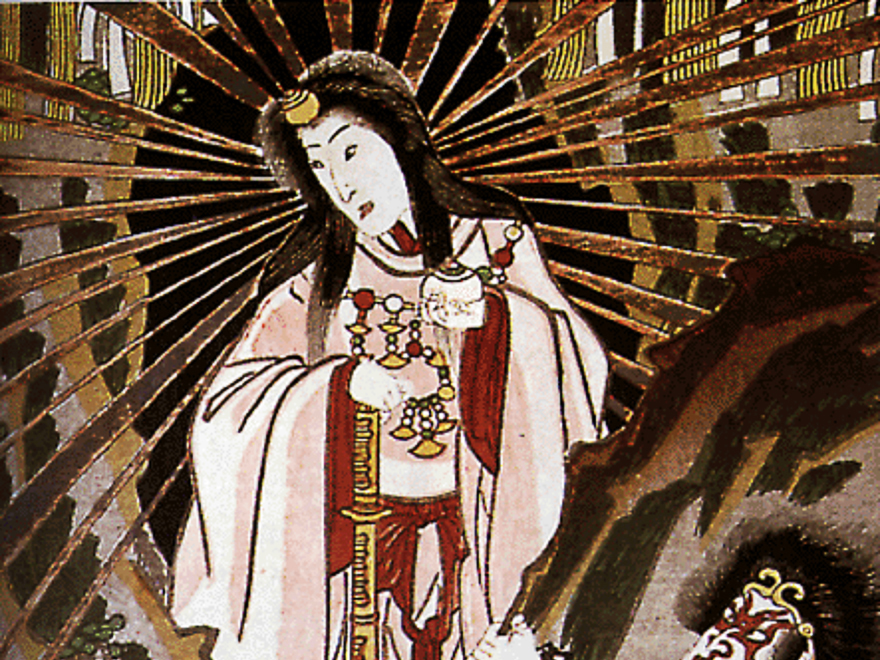 🇯🇵 JapanAkuma悪魔(あくま)
An evil spirit in Japanese folklore, later used for Satan in ChristianityBeing · Cursing and harm Historical
 🇹🇭 Thailand and 2 moreSang Thongสังข์ทอง
A Southeast Asian folktale about a prince born in a shell who gains golden skin and magical powers.Figure · Luck and prosperity · Love and attraction Historical
 🇮🇳 IndiaAbhijñāअभिज्ञा
A set of special insights and powers in Buddhist meditation.Belief · Speaking with spirits and the dead · Change and initiation Historical
 🇮🇳 India and 2 moreCintāmaṇiचिन्तामणि
A wish-fulfilling jewel from Hindu and Buddhist traditionsSubstance · Healing · Power and authority Historical
 🇬🇷 Greece and 2 moreClassical elements
Ancient theories that explain all matter as combinations of earth, water, fire, air, and aetherBelief · Wonder and entertainment Historical
🇯🇵 JapanOshiroibabā白粉ばばあ
A yōkai old woman from Nara folklore linked to white powder and mirrors.Being · Wonder and entertainment Historical
🇰🇷 South KoreaDocham도참
A Korean system of prophecy and omens guiding political fate and temple placementTradition · Seeing and foretelling · Power and authority Historical
 🇮🇱 Israel and 1 moreDivine retribution
Supernatural punishment by a deity in response to anger or wrongdoingBelief · Cursing and harm Historical
 🇯🇵 JapanDatsue-ba奪衣婆
A Japanese underworld figure who strips clothes from spirits at the river of deathBeing · Cursing and harm Historical
 🇮🇳 IndiaJvarasuraज्वारासुर
A fever demon in Hindu lore who serves the pox goddess Shitala.Being · Cursing and harm · Healing Historical
🇮🇳 IndiaEtheric body
A subtle energy layer said to sustain the physical form and connect it to higher states.Being · Power and authority Historical
🇳🇵 Nepal and 1 moreTenma goddesses
Twelve guardian deities in Tibetan Buddhism who swore to protect the faith.Being · Protection Historical
 🇪🇬 Egypt and 5 moreWorship of heavenly bodies
Veneration of stars, planets, and the sky as divine forces or deitiesTradition · Protection · Power and authority Historical
 🇯🇵 JapanKasha火車
A Japanese yōkai that steals corpses from funerals and gravesBeing · Cursing and harm Historical
🇨🇳 ChinaQizheng Siyu七政四餘
A Chinese horoscope system that counts eleven lights: seven planets and four computed bodiesOracle · Seeing and foretelling Historical
 🇮🇷 Iran and 5 moreAxis mundi
A concept describing a central point connecting the earthly and heavenly realms.Belief · Speaking with spirits and the dead · Power and authority Historical
🇲🇳 Mongolia and 1 moreYellow shamanismШар бөө
A Mongolian and Siberian shamanic tradition blended with Buddhist ritualsTradition · Speaking with spirits and the dead · Protection Historical
Photo credits on this page
The small pictures above come from Wikimedia Commons under free licences. Some are cropped to fit.
- Yogini: Soumendra Barik, CC BY-SA 3.0, source
- Divine retribution: John Martin, Public domain, source
- Datsue-ba: Fred Cherrygarden, CC BY-SA 4.0, source
- Kūkai: Unknown author, CC BY 4.0, source
- Hyakumonogatari Kaidankai: Katsushika Hokusai, Public domain, source
- Mogwai: Gisling, CC BY-SA 3.0, source
- Jvarasura: Suraj Belbase, CC BY-SA 4.0, source
- Worship of heavenly bodies: Jean-Pierre Dalbéra, CC BY 2.0, source
- Kasha: Brigham Young University, CC BY-SA 4.0, source
- Akuma: Utagawa Kunisada (歌川国貞), Public domain, source
- Axis mundi: Unknown author, Public domain, source
- Tilopa: Unknown author, Public domain, source
- Sang Thong: Narisara Nuwattiwong, Public domain, source
- Abhijñā: Gryffindor, Public domain, source
- En no Gyōja: Wmpearl, CC0, source
- Classical elements: Unknown author, Public domain, source
- Naropa: Unknown author, CC BY-SA 3.0, source
- Lock charms: Scott Semans World Coins (CoinCoin.com)., CC BY 3.0, source
- Buddhist coin charm: Scott Semans, CC BY 3.0, source
- Makara: Subbhashinee S, CC BY-SA 3.0, source
- Tennin: Unknown author, Public domain, source
- Cintāmaṇi: sailko, CC BY-SA 3.0, source
- Dakini: Didier Descouens, Public domain, source