Scholars and sceptics
Anthropologists, historians and investigators who study magic and test its claims.
Scholars and sceptics are the people who study magic from outside the practice: anthropologists, historians, folklorists, psychologists, scholars of religion and investigators who test claims. They have names such as E. E. Evans-Pritchard, Marcel Mauss, Bronislaw Malinowski, Mary Douglas, Keith Thomas and Carlo Ginzburg, and also investigators such as James Randi. This page covers what they have found, how they disagree, and what their work has cost and changed. Their work has changed how the whole subject is understood.
Early theories
Nineteenth-century writers such as James Frazer treated magic as a mistaken early science, a view now widely rejected as arrogant and inaccurate. Later anthropologists, including Evans-Pritchard in his 1937 study of the Azande, showed that magical belief can be a consistent way of reasoning about misfortune. Mauss and Malinowski stressed its social role. Fieldwork, archives, laboratory studies and surveys are their main methods, and each field has its own debates and schools.
The history of witch trials
Historians have revised their view of the witch trials. Keith Thomas and Alan Macfarlane studied English village accusations, Carlo Ginzburg found the benandanti in Friuli, and Ronald Hutton has argued about the numbers and causes, and Silvia Federici links the persecution to the rise of capitalism, a thesis historians dispute. The older figure of nine million victims has been dropped, and estimates now run to tens of thousands of executions.
Testing claims
Sceptics test whether claims hold up. James Randi offered a prize for evidence of paranormal power that was never won, and organisations such as the Committee for Skeptical Inquiry investigate fraud. Researchers study why people believe: pattern-seeking, uncertainty and the wish to control events. The best sceptics aim to understand people, not to mock them. Sceptics hold that claims should be tested, and they have a long record of exposing cases such as spirit photography and fake healers.
Ethics of study
Scholars were often colonial officials or missionaries, and their reports shaped how Indigenous religions were named. Contemporary researchers work with communities, ask consent and respect closed knowledge. Practitioners sometimes object to being explained, and sceptics sometimes to being called closed-minded. The conversation continues, and this guide aims to stay neutral on whether magic works. Their critics reply that science cannot measure everything that matters to a community, and that explaining a ritual away is not the same as understanding it.
Scholars and sceptics on EveryJaadu
The entries written up so far, best known first.
 🇮🇹 ItalyShe-wolf (Roman mythology)lupa
The mythical wolf that nursed Rome's founders and became the city's enduring symbolFigure · Power and authority Historical
🇮🇹 ItalyDe Umbris Idearum
A 1582 treatise by Giordano Bruno on memory, magic and philosophyText · Power and authority · Wonder and entertainment Historical
 🇪🇬 Egypt and 1 moreCurse of Ham
A biblical story used to justify slavery and racial discriminationBelief · Cursing and harm Historical
 🇬🇧 United KingdomCurse of Scotland
A nickname for a playing card linked to bad luck and Scottish historyBelief · Luck and prosperity Historical
🇵🇱 Poland and 1 moreTwardowski's Mirror
A cracked Renaissance mirror linked to the legend of a magical alchemistCharm · Power and authority Historical
🇮🇶 Iraq and 3 moreMandaic lead rolls
Lead sheets inscribed with Mandaic incantations, rolled and worn as protective talismans by Mandaeans.Charm · Protection Historical
 🇮🇳 India and 2 moreCintāmaṇiचिन्तामणि
A wish-fulfilling jewel from Hindu and Buddhist traditionsSubstance · Healing · Power and authority Historical
 🇪🇬 Egypt and 1 moreOuroborosοὐροβόρος
An ancient image of a serpent eating its own tail, symbolizing cycles and wholenessFigure · Power and authority · Wonder and entertainment Historical
🇨🇳 ChinaWude Zhongshi Shuo五德終始說
An imperial Chinese theory that matched each ruling dynasty to one of the Five PhasesBelief · Power and authority · Seeing and foretelling Historical
🇬🇧 United KingdomScottish pork taboo
A historical aversion to eating pork in Scotland, debated as superstition or economic necessityBelief Historical
 🇮🇱 Israel and 2 moreNehushtanנְחֻשְׁתָּן
A bronze serpent on a pole from the Hebrew Bible, once worshipped for healing before its destruction.Charm · Healing · Protection Historical
🇨🇳 ChinaChinese sorcery scares
A series of moral panics in Imperial China driven by fears of magical harm and hair cuttingBelief · Cursing and harm · Power and authority Historical
🇺🇸 United States and 1 moreThe Teachings of Don Juan
A 1968 book presenting an apprenticeship with a Mexican sorcerer as anthropological fieldwork.Text · Speaking with spirits and the dead · Change and initiation Historical
🇸🇩 SudanWitchcraft, Oracles and Magic Among the Azande
A foundational anthropological study of Azande witchcraft, oracles, and magic in southern Sudan.Text · Cursing and harm · Seeing and foretelling Historical
 🇫🇷 FranceOn the Demonomania of the SorcerersDe la démonomanie des sorciers
Jean Bodin's 1580 treatise on witches, demons and their prosecutionText · Cursing and harm · Protection Historical
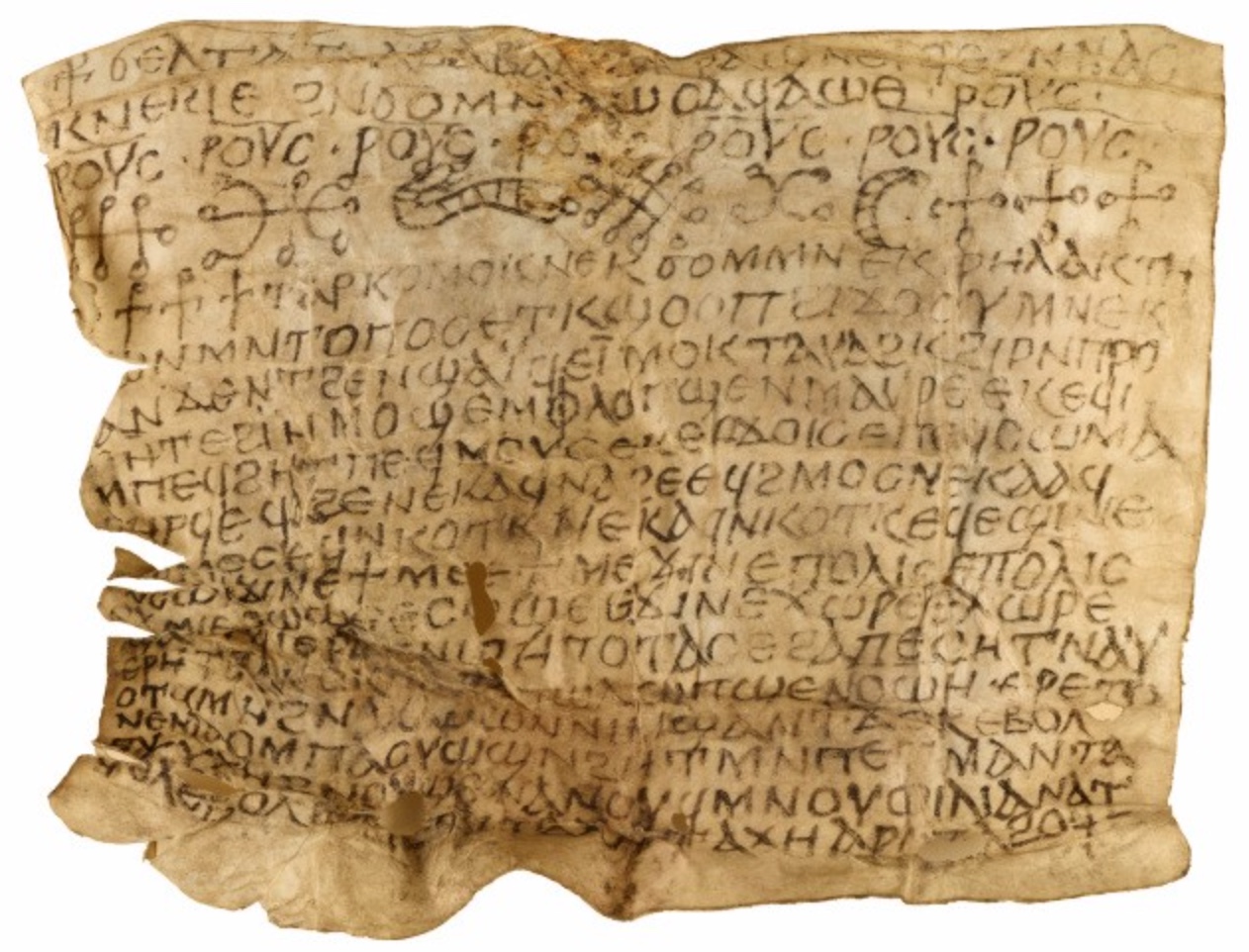 🇪🇬 EgyptAshmolean Parchment AN 1981.940
A folded Coptic love charm from Egypt, written by one man to win anotherText · Love and attraction Historical
 🇬🇷 GreecePydna curse tablets
Six ancient Greek lead sheets found in Macedonia, used to influence court casesText · Cursing and harm · Binding and oaths Historical
 🇺🇸 United StatesSecond-term curse
A belief that U.S. presidents face greater trouble in their second term than their first.Belief Historical
 🇨🇳 China and 1 moreWorship of the living生祠 (Chinese), 生祀 (Japanese)
A shrine built for a person while they are still alive to honour their spirit or contributions.Tradition · Power and authority · Protection Historical
 🇩🇪 GermanyAGLAאגלא
A Hebrew magic word used in Jewish and medieval European charmsBelief · Protection Historical
 🇨🇳 ChinaLute
A sealing paste for alchemical vessels and a joining technique in potterySubstance · Protection · Power and authority Historical
🇰🇷 South KoreaDocham도참
A Korean system of prophecy and omens guiding political fate and temple placementTradition · Seeing and foretelling · Power and authority Historical
 🇬🇷 Greece and 2 moreDioneΔιώνη
An ancient Greek oracular goddess and Titaness, mother of Aphrodite.Being · Seeing and foretelling Historical
🇩🇪 Germany and 1 moreProtests against early modern witch trials
Objections to the European witch hunts, made in court, in church and in printBelief Historical
🇷🇺 RussiaVolkhovnikВолховник
A lost Old Russian divination book of omens and signsText · Seeing and foretelling · Healing Historical
 🇬🇷 GreeceDaimonδαίμων
A Greek spirit or divine force that mediates between gods and humansBeing · Protection · Speaking with spirits and the dead Historical
 🇮🇸 Iceland and 3 moreRune poem
Proverbial verses used to memorize the names and order of runic lettersText · Power and authority Historical
 🇦🇺 Australia and 1 moreVoldemort effect
A social pattern where naming a fear or problem makes it seem more powerfulBelief · Cursing and harm Historical
 🇩🇪 Germany and 3 moreCruentation
A medieval judicial test where a suspect touched a victim's body to see if it bled.Rite · Cursing and harm Historical
 🇪🇬 EgyptHermanubisἙρμανοῦβις
A Graeco-Egyptian god who guides the souls of the dead to the underworld.Being · Speaking with spirits and the dead Historical
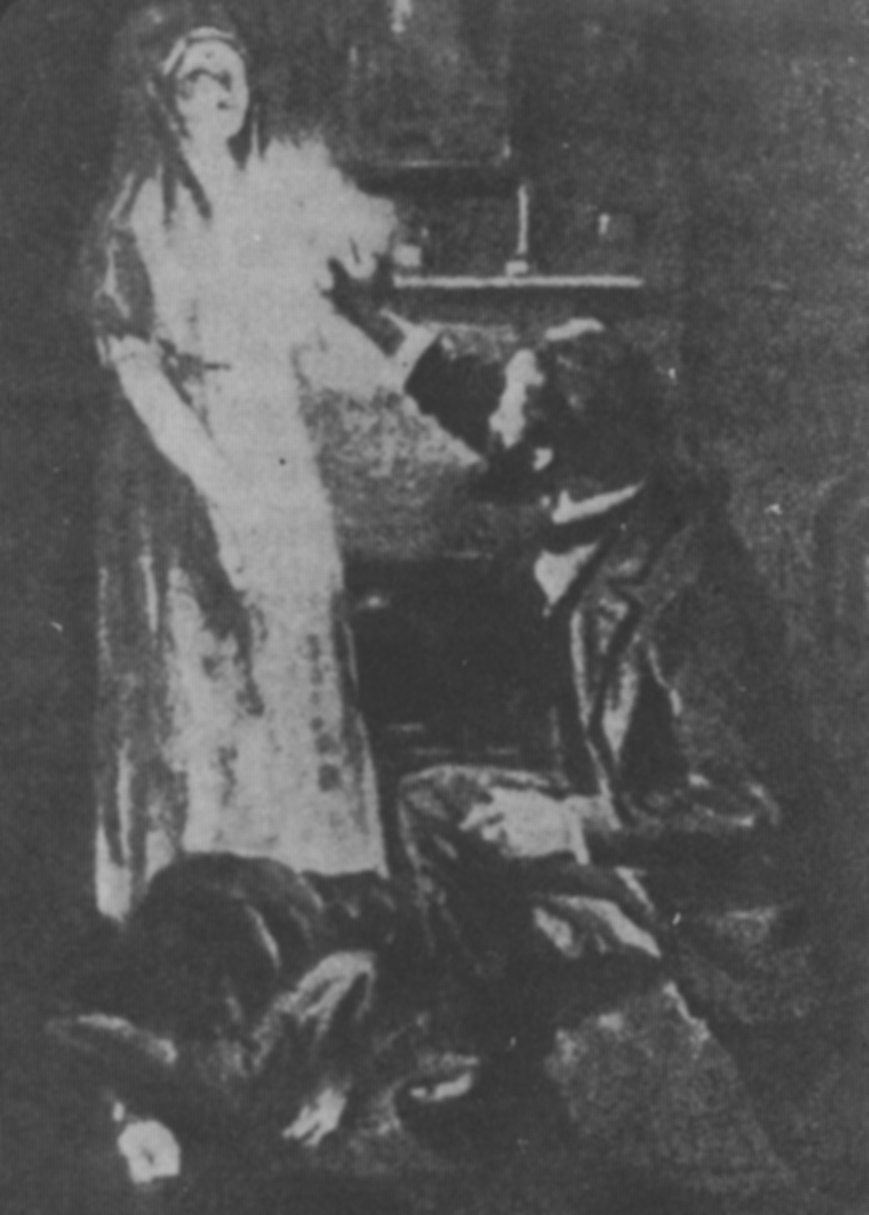 🇩🇪 Germany and 3 moreMaterialization (paranormal)
The claimed appearance of matter from unknown sources in spiritualist séancesBelief · Wonder and entertainment Historical
🇮🇳 IndiaKhongjomnubi NonggarolKhongchomnupi Nongkalol
A Meitei puya with two stories of transformation and ascent to the sky.Text · Wonder and entertainment Historical
 🇮🇱 IsraelNumber of the beastἈριθμὸς τοῦ θηρίου
A biblical number linked to a prophetic figure and interpreted through ancient numerologyBelief · Cursing and harm Historical
🇺🇸 United States and 1 moreBaskerville effect
A theory that superstition about unlucky numbers causes heart attacks through stressBelief · Cursing and harm Historical
 🇩🇪 GermanyLichtenberg's Avertissement
A satirical poster exposing stage magic as deceptionText · Wonder and entertainment Historical
🇬🇧 United Kingdom and 1 moreThe History of Spiritualism
A two-volume history of the Spiritualist movement written by Arthur Conan Doyle in 1926.Text · Speaking with spirits and the dead · Power and authority Historical
🇬🇧 United KingdomCaoineag
A Highland spirit whose night cries signal impending death for a specific family lineBeing · Seeing and foretelling Historical
🇩🇪 GermanyThule SocietyThule-Gesellschaft
A German occult group that sponsored the early Nazi party and promoted racial mysticism.Tradition · Cursing and harm · Power and authority Historical
🇮🇳 IndiaQutbقطب
A Sufi spiritual leader who acts as the unseen axis of a cosmic hierarchy.Figure · Power and authority Historical
 🇦🇫 AfghanistanZuhdزهد
An Islamic ideal of detachment from worldly desires and material wealthBelief · Power and authority · Cleansing and purification Historical
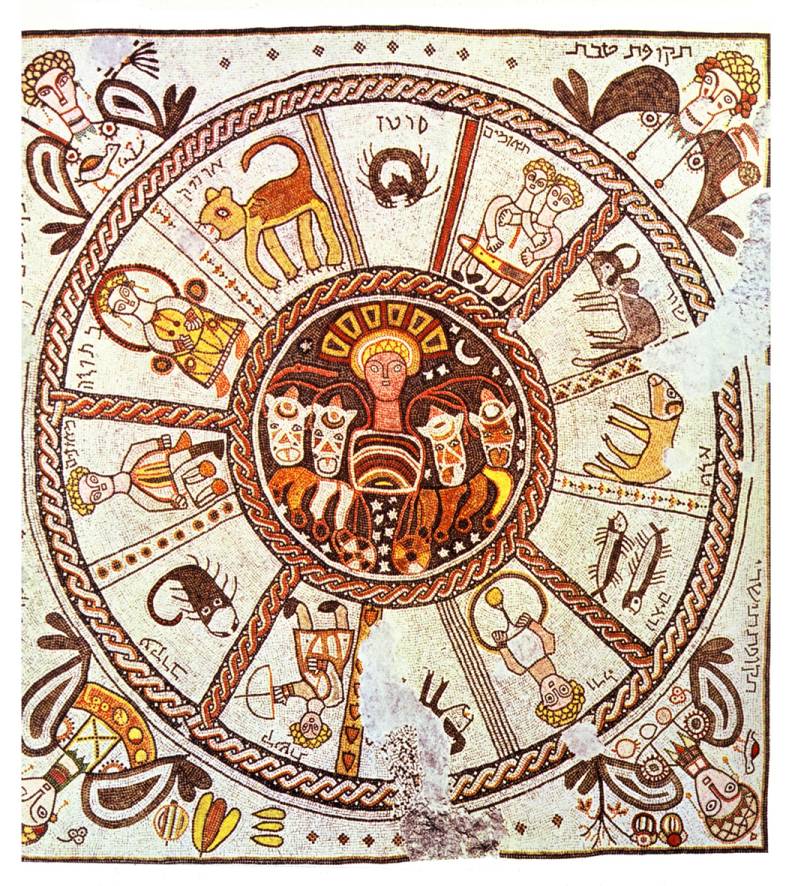 🇮🇱 Israel and 5 moreJewish views on astrologyחָכְמַת הַמַּזָּלוֹת
A long-standing debate within Jewish thought about the influence of stars and planetsBelief · Seeing and foretelling · Power and authority Historical
🇮🇱 IsraelMessiah ben Josephמָשִׁיחַ בֶּן־יוֹסֵף
A Jewish eschatological figure who wages war and dies before the final age of peaceFigure · Cursing and harm · Power and authority Historical
🇮🇱 Israel and 1 moreRighteous Priest
A messianic priestly figure in Jewish eschatology, identified with Shem and Melchizedek.Figure · Power and authority Historical
 🇮🇪 IrelandTailteann GamesÁenach Tailteann
Ancient Irish funeral games and assemblies held in County Meath to honor the dead.Rite · Speaking with spirits and the dead · Luck and prosperity Historical
🇪🇷 Eritrea and 1 moreBeher
A pre-Christian Aksumite deity of the sea and agricultural fertilityBeing · Luck and prosperity · Healing Historical
Photo credits on this page
The small pictures above come from Wikimedia Commons under free licences. Some are cropped to fit.
- Tailteann Games: Unknown author, Public domain, source
- Wolves in folklore, religion and mythology: Unknown author, CC0, source
- Materialization (paranormal): Unknown author, Public domain, source
- Hermanubis: Ad Meskens, CC BY-SA 3.0, source
- Daimon: François-André Vincent, Public domain, source
- Lute: Gremelm, CC BY-SA 3.0, source
- AGLA: Stephan Michelspacher, Public domain, source
- Second-term curse: Achille Beltrame, Public domain, source
- Nehushtan: Michelangelo, Public domain, source
- Number of the beast: William Blake, Public domain, source
- Jewish astrology: Talmoryair, Public domain, source
- Curse of Ham: Ксенофонтов Иван Степанович. Ksenofóntov Iván Stepánovich (1817-1875), Public domain, source
- Curse of Scotland: James Gillray (died 1815), Public domain, source
- Cintāmaṇi: sailko, CC BY-SA 3.0, source
- Ouroboros: Djehouty, CC BY-SA 4.0, source
- On the Demonomania of the Sorcerers: Jean Bodin, Public domain, source
- Ashmolean Parchment AN 1981.940: Apapolo, Public domain, source
- Pydna curse tablets: Juergen Weidner, CC BY-SA 4.0, source
- Worship of the living: 663highland, CC BY 2.5, source
- Dione: Phidias, CC BY 2.5, source
- Rune poem: Tollef Salemann, CC0, source
- Voldemort effect: Shayan Barjesteh van Waalwijk van Doorn, CC BY-SA 4.0, source
- Cruentation: Unknown author, Public domain, source
- Lichtenberg's Avertissement: Georg Christoph Lichtenberg, Public domain, source
- Zuhd: عامر شاہین, CC BY-SA 3.0, source