
The Curse of Ham is a narrative from the Book of Genesis where Noah curses his grandson Canaan after Ham sees him naked. It was later misinterpreted as a divine justification for enslaving Black people.
- Noah curses Canaan, not Ham, in Genesis 9
- Used historically to justify slavery and racism
- Modern scholars reject the racial interpretation
- Debates exist over the nature of Ham's sin
- Text mentions no skin color or race
What it is
The Curse of Ham is a biblical narrative found in Genesis 9. In the story, Noah curses his grandson Canaan after Ham commits a shameful act involving Noah's nakedness. The text does not mention race or skin color. Over centuries, some groups reinterpreted this story to explain black skin and justify the enslavement of Black people. Modern scholars and religious leaders widely reject this interpretation as a misconception driven by ideology rather than the actual text.
Where it comes from
The narrative likely originated to justify the subjection of the Canaanites to the Israelites. Some historians suggest it served as a land claim during the New Kingdom of Egypt's rule over Canaan. The story presents difficulties, such as why Canaan was cursed instead of Ham. Scholars debate whether Ham's offense was voyeurism, castration, or incest. Ancient commentaries offer various explanations for the severity of the punishment.
Curse of Ham, drawn and placed
- Living
- Revived
- Fading
- Historical
- Legendary
- Performed
What it is for
Historically, the curse was used to rationalize racial discrimination and chattel slavery. Proponents claimed it marked Black people as servants. This view has been condemned by many Christian and Jewish leaders as blasphemy. The original text intended to establish social hierarchy between nations, not racial inferiority. Today, it is studied as an example of how texts can be misused for oppression.
Who does it
Scholars analyze the narrative through historical and literary lenses. Rabbinic traditions debate the nature of Ham's sin. Some argue he committed voyeurism, while others suggest patricidal or maternal incest. These debates focus on textual nuances and ancient legal concepts. No living ritual practice exists based on the curse itself.
Peoples and places
The story involves Noah, Ham, Shem, Japheth, and Canaan. It addresses relationships between Israelites, Canaanites, Egyptians, and other ancient Near Eastern peoples. Later interpretations involved European colonizers and American slaveholders who applied the curse to African descendants. Jewish law historically used 'Canaanite slave' as a legal term for non-Jewish bondsmen.
At a glance: who, where and when
Who does it
Belief worlds


What people believe
The narrative reflects ancient views on lineage and land ownership. It establishes Canaan as a servant to his brothers. Some traditions hold that Ham's actions brought moral corruption upon his line. The belief in a racial curse relies on reading modern concepts into an ancient text. Most contemporary theologians emphasize that the Bible never links the curse to skin color or African heritage.
How scholars and sceptics see it
Biblical scholars note contradictions in the text, such as Ham being called the youngest son when he is listed second. Historians suggest the story justifies Israelite conquest of Canaan. Anthropologists study how the curse was weaponized to support racist ideologies. Experts point out that Ham's descendants include Cush and Mizraim, often associated with Africa, but the curse falls only on Canaan.
Cautions and what is closed
The misuse of this text caused immense harm by legitimizing slavery and racism. Martin Luther King Jr. called such interpretations blasphemy. Modern scholarship warns against deriving racial theories from Genesis 9. The narrative is often confused with the Curse of Canaan, which is the actual target of Noah's words.
Compare and confuse
The Curse of Ham is frequently confused with the Curse of Canaan. The latter is the specific judgment in Genesis 9. Other biblical stories involve curses affecting entire lines, such as the fall of Adam. Unlike folk magic charms, this is a theological narrative about divine and human authority.
Law and persecution
No legal system enforces the Curse of Ham today. Its use to justify slavery was abolished with emancipation laws. Many religious denominations have formally repudiated its racist interpretations. It remains a subject of academic study in theology and history courses.
Questions people ask about Curse of Ham
What is the Curse of Ham?
It is a biblical story in Genesis 9 where Noah curses his grandson Canaan after Ham sees him naked. It is not a magical spell but a narrative about family conflict and land rights.
Does the Bible say Ham was cursed because he was Black?
No. The text never mentions skin color or race. The idea that Ham was Black and cursed for it is a later interpretation used to justify slavery, which most scholars now reject.
Who did Noah actually curse?
Noah cursed Canaan, Ham's son. He blessed Shem and Japheth. The curse stated Canaan would be a servant to his brothers, referring to political subjugation, not racial identity.
Why do people still talk about the Curse of Ham?
It persists due to historical misuse by slaveholders and racists. Today, it is studied as an example of how religious texts can be misinterpreted to support prejudice and oppression.
Good reading and sources
- Curse of Ham on WikipediaEncyclopedia
- More photos on Wikimedia CommonsPhotos and video
- Wikidata recordOpen data
The facts on this page come from the Wikipedia article "Curse of Ham", written by its contributors and used under the CC BY-SA 4.0 licence, and from its Wikidata record (CC0). EveryJaadu rewrote the text in its own words, with AI assistance, and compares every page with the article to make sure no passage is copied. It may be reused under the same CC BY-SA 4.0 licence with a link back.
It may contain mistakes. Names and customs differ from one community to the next, and some knowledge is closed to outsiders and left out here. This page describes belief and practice. It does not say that any of it works, it is not a how-to, and it is not medical advice. If something is wrong, tell us. Last refreshed 2026-10-07.
More from Egypt
All the entries from Egypt 🇪🇬 EgyptCurse
A spoken wish for misfortune to befall a person or placeBelief · Cursing and harm · Luck and prosperity Historical
🇪🇬 EgyptCurse
A spoken wish for misfortune to befall a person or placeBelief · Cursing and harm · Luck and prosperity Historical
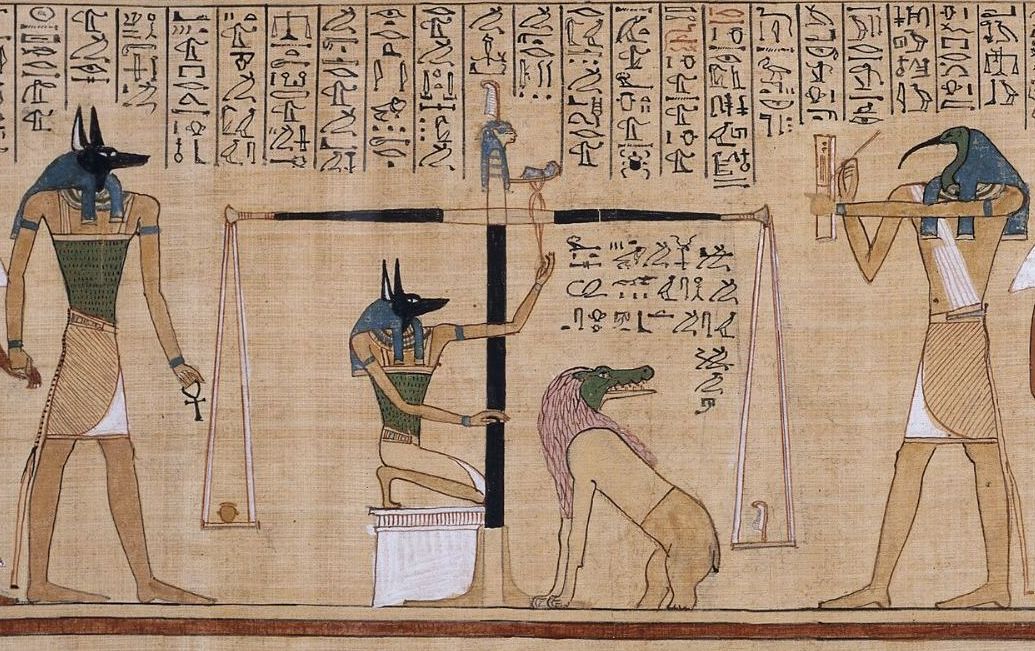 🇪🇬 EgyptAncient Egyptian afterlife beliefs
A system of rituals and texts guiding the soul through the underworld to eternal rebirthTradition · Protection · Speaking with spirits and the dead Historical
🇪🇬 EgyptAncient Egyptian afterlife beliefs
A system of rituals and texts guiding the soul through the underworld to eternal rebirthTradition · Protection · Speaking with spirits and the dead Historical
 🇪🇬 EgyptCurse of the pharaohs
A belief that disturbing ancient Egyptian tombs brings illness or death to the living.Belief · Cursing and harm Historical
🇪🇬 EgyptCurse of the pharaohs
A belief that disturbing ancient Egyptian tombs brings illness or death to the living.Belief · Cursing and harm Historical
 🇪🇬 EgyptLucifer
A Latin name for the planet Venus that became an epithet for the Devil in Christian traditionFigure · Cursing and harm Historical
🇪🇬 EgyptLucifer
A Latin name for the planet Venus that became an epithet for the Devil in Christian traditionFigure · Cursing and harm Historical
Related elsewhere
All belief 🇷🇸 Serbia and 5 moreVampire
An undead creature from folklore that feeds on the blood or life force of the livingBeing · Cursing and harm · Luck and prosperity Legendary
🇷🇸 Serbia and 5 moreVampire
An undead creature from folklore that feeds on the blood or life force of the livingBeing · Cursing and harm · Luck and prosperity Legendary
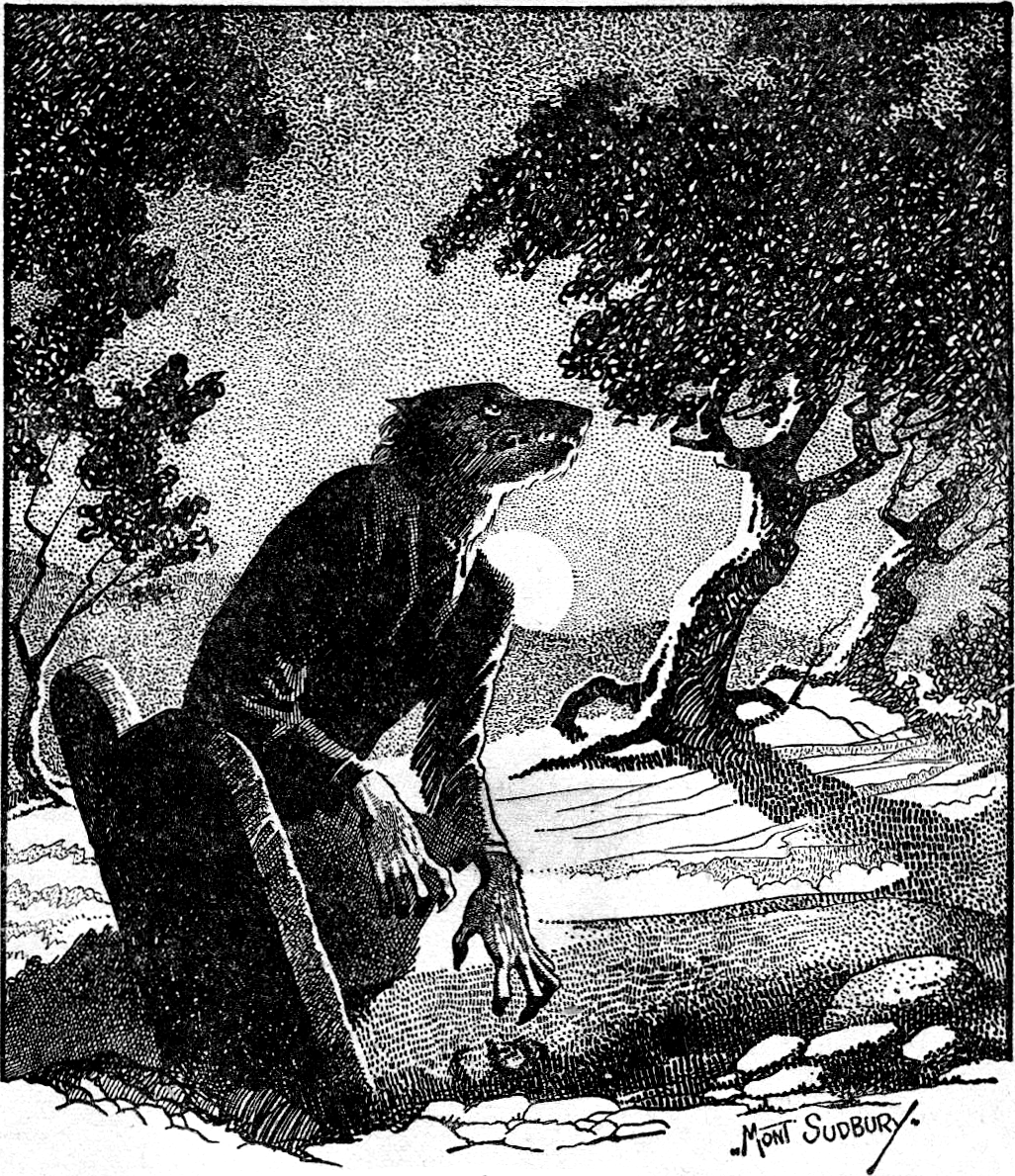 🇫🇷 France and 5 moreWerewolf
A mythical shapeshifter that turns into a wolf, central to European witch-hunts and Gothic horror.Being · Cursing and harm · Wonder and entertainment Legendary
🇫🇷 France and 5 moreWerewolf
A mythical shapeshifter that turns into a wolf, central to European witch-hunts and Gothic horror.Being · Cursing and harm · Wonder and entertainment Legendary
 🇹🇷 Turkey and 5 moreEvil eye
A curse caused by an envious look and the charms used to block itBelief · Protection · Cursing and harm Living
🇹🇷 Turkey and 5 moreEvil eye
A curse caused by an envious look and the charms used to block itBelief · Protection · Cursing and harm Living
 🇬🇧 United KingdomBideford witch trial
The final English hangings for witchcraft in 1682.Belief · Cursing and harm Historical
🇬🇧 United KingdomBideford witch trial
The final English hangings for witchcraft in 1682.Belief · Cursing and harm Historical