New year: practices that mark them
Fire, first-footing, divination for the year and the clearing of the old.
The new year is a moment for clearing the old and divining the new. Customs include Chinese red envelopes and firecrackers, Nowruz and its haft-sin table in Persian lands, Scottish first-footing and Hogmanay fire, Japanese bell-ringing and hatsumode, the Thai and Burmese water festivals, Rosh Hashanah foods, Diwali in India and the grapes eaten at midnight in Spain. This page looks at how people across the world mark the turning of the year.
Clearing the old
Many cultures clean and settle debts before the year turns. Chinese families clean the house before the festival, and sweeping on the day itself is avoided so luck is not swept away. In Iran, people jump over small fires on the last Wednesday evening of the year. Japan's temples ring 108 bells, which Buddhists link with human worldly desires. Fireworks and noise are widely said to drive off harm. Many families also pay debts and settle quarrels before the day, so the year can start fresh.
Divining the year
The year is read for omens. Scots say the first person to enter after midnight shapes the household's luck, and their gifts and looks are noted. Greek families break a pomegranate. In Mexico and Italy, foods and colours of clothing are chosen for luck in love or money. Astrologers publish forecasts and diviners in Asia and Africa are consulted at this time. Others take a more reflective path: Jewish families hold a period of repentance, and Zoroastrian and Hindu households light lamps and make offerings.
Politics and calendars
Calendars differ, so there are many new years: lunar in East Asia, solar in Persian lands, tied to harvests in India and Southeast Asia. Governments have banned and revived festivals, as in the Soviet and Cultural Revolution campaigns against old customs. Fireworks are now restricted in many Chinese cities for safety and air quality. These local customs vary widely and are often kept by older relatives. Customs also tend to ask for harmony, such as avoiding arguments, keeping the house tidy and visiting elders.
Commerce and caution
Forecasts and lucky charms are a seasonal market. Resolutions have become secular rites of self-improvement. Fireworks, bonfires and drink bring real injuries each year, and a celebration is no reason to skip care. Public celebration of the new year is often marked by a countdown, music, food and shared greeting, and it provides a regular moment of family contact and new resolve in places as different as Seoul, Lagos, Tehran and Buenos Aires, and the date and the customs may differ from one country to the next.
New year on EveryJaadu
The entries written up so far, best known first.
 🇨🇳 China and 1 moreShamanism in the Qing dynasty
State-managed rituals of the Manchu rulers and their shamansTradition · Protection · Healing Historical
 🇺🇸 United StatesLemon pig
A carved fruit figure made for amusement and later linked to New Year luckCharm · Luck and prosperity Living
🇯🇵 JapanJapanese superstitions
Common beliefs in Japan about luck, numbers, and omens rooted in language and customBelief · Luck and prosperity · Protection Living
 🇮🇶 Iraq and 1 moreTawûsî Melekتاوسی مەلەک
The central angel of Yazidism, known as the Peacock Angel and leader of the Seven Mysteries.Being · Power and authority · Speaking with spirits and the dead Living
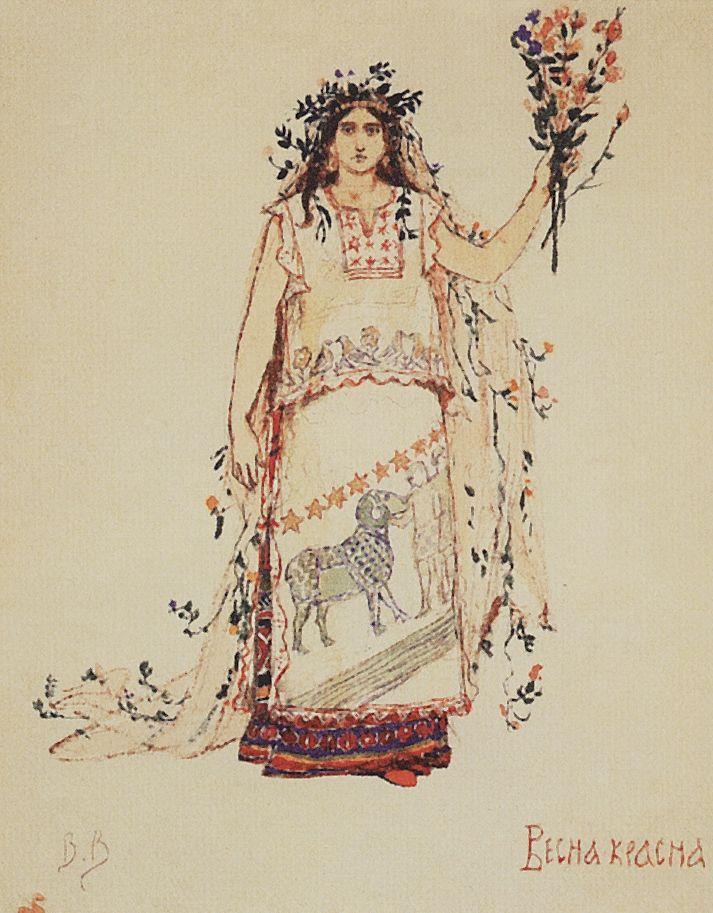 🇸🇮 Slovenia and 5 moreVesnaВесна
A Slavic personification of spring and youth, known in myth and languageFigure · Luck and prosperity Historical
🇰🇬 Kyrgyzstan and 2 moreAyaz AtaАяз Ата
A Turkic winter spirit who brings snow and gifts during the cold seasonBeing · Luck and prosperity · Protection Living
 🇯🇵 JapanKayu ura粥占
A Japanese Shinto divination ritual using rice or bean gruel to predict the harvest.Rite · Seeing and foretelling · Luck and prosperity Living
 🇯🇵 JapanKabura-ya鏑矢
A Japanese arrow with a whistling tip used in ritual archery and Shinto ritesSubstance · Protection · Speaking with spirits and the dead Living
 🇩🇪 Germany and 5 moreLutzelfrau
A German Alpine witch who brings fruit or punishes childrenFigure · Protection · Cursing and harm Living
 🇻🇳 VietnamCây nêuCây nêu (chữ Nôm: 核標)
A bamboo pole raised to keep evil spirits away during the Lunar New Year in VietnamTradition · Protection Living
 🇭🇹 HaitiHaitian CarnivalKanaval
A major Caribbean festival of music, dance, and satire leading to Mardi Gras in HaitiTradition · Wonder and entertainment · Luck and prosperity Living
 🇯🇵 Japan and 4 moreKṣitigarbhaक्षितिगर्भ
A bodhisattva vowed to empty the hells and guard children, shown with a staff and jewel.Being · Protection · Speaking with spirits and the dead Living
🇩🇪 Germany and 1 moreCromniomancy
Divination by onions to reveal health, love, weather and distant newsOracle · Seeing and foretelling · Love and attraction Historical
 🇨🇺 Cuba and 5 moreLetra del añoLetra del año (Spanish); Letra do ano (Portuguese)
An annual set of predictions and advice from Ifá priests for the coming yearTradition · Seeing and foretelling · Luck and prosperity Living
🇷🇺 RussiaZoya's Standing
A Soviet-era tale of a dancer frozen in place for mocking a saint's iconBelief Legendary
 🇯🇵 JapanHoshi Matsuri星まつり
A Buddhist ritual to honor stars and pray for protection from disasterRite · Protection · Luck and prosperity Living
 🇨🇳 China and 6 moreRed envelope红包 (hóngbāo)
A cash gift in a red paper cover given during holidays and weddings to share good fortuneTradition · Luck and prosperity · Protection Living
 🇺🇸 United StatesQuviasukvikᖁᕕᐊᓲᑎᖃᕐᕕᒃ
An Arctic festival marking the new year with sunrise rituals and community gatherings.Tradition · Luck and prosperity · Speaking with spirits and the dead Living
 🇯🇵 JapanOkiagari-koboshi起き上がり小法師
A Japanese roly-poly doll that rights itself when knocked overCharm · Luck and prosperity · Power and authority Living
 🇨🇳 China and 1 moreMoney tree搖錢樹
A mythical tree of fortune and a Chinese New Year custom for wealthFigure · Luck and prosperity · Power and authority Living
🇮🇷 IranFaravaharفَرَوَهَر
Zoroastrian guardian spirits: ancestor-warriors and each person's unseen twinBeing · Protection · Speaking with spirits and the dead Living
🇩🇿 AlgeriaWezeeaوَزِيعَة
A Kabyle custom of communal slaughter and meat sharing for social solidarityRite · Speaking with spirits and the dead · Luck and prosperity Living
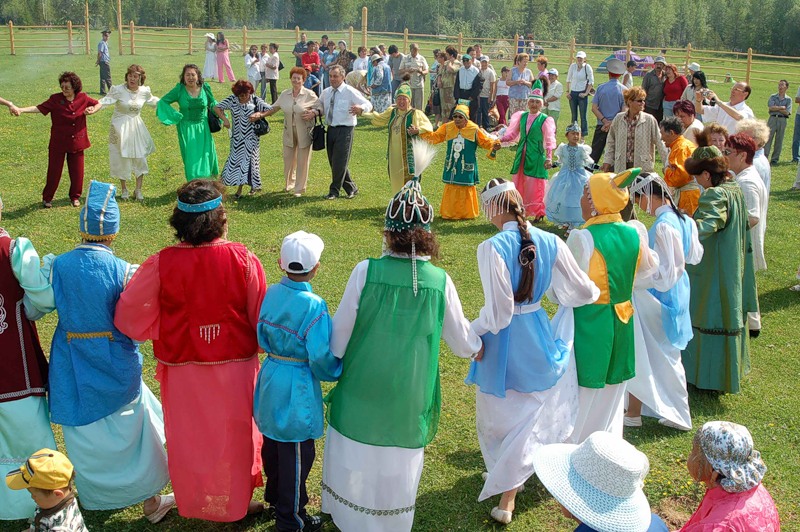 🇷🇺 RussiaYhyakhЫһыах
A summer solstice festival of the Sakha people marking the new year and nature's returnTradition · Luck and prosperity · Speaking with spirits and the dead Living
 🇮🇩 IndonesiaSunda Wiwitanᮞᮥᮔ᮪ᮓ ᮝᮤᮝᮤᮒᮔ᮪
A folk religion of the Sundanese people in western Java, IndonesiaTradition · Protection · Speaking with spirits and the dead Living
 🇨🇳 ChinaFlying Star Feng Shui
A Chinese feng shui school that charts a building's nine squares for good and bad qiTradition · Seeing and foretelling · Luck and prosperity Living
🇫🇮 Finland and 2 moreSaint Knut's Daytjugondag jul; nuutinpäivä
A January festival ending the Christmas season with tree removal and traditional visits.Rite · Cleansing and purification Living
 🇨🇳 China and 1 moreFangxiangshi方相氏
An official Chinese exorcist who cleared demons from houses and tombsRite · Protection · Cleansing and purification Living
 🇯🇵 JapanOmamori御守/お守り
Japanese amulets from shrines and temples for luck and protectionCharm · Protection · Luck and prosperity Living
 🇯🇵 JapanNamahage生剥げ
Masked ogre visitors who scold lazy children at New Year in northern JapanRite · Protection · Speaking with spirits and the dead Living
 🇳🇵 Nepal and 1 moreKiratism
The indigenous animist and shamanic religion of the Kirati peoples in Nepal and IndiaTradition · Protection · Speaking with spirits and the dead Living
🇷🇸 Serbia and 3 moreBožićБожић
A Slavic figure linked to the new year and spring, whose name now marks ChristmasFigure · Luck and prosperity · Wonder and entertainment Historical
 🇨🇳 ChinaFish in Chinese mythology鱼 (yú)
A cultural symbol of wealth and abundance in Chinese traditionBelief · Luck and prosperity · Love and attraction Living
🇮🇷 IranAroos-Goolehعروس گوله
A Gilani spring performance pitting a bride against a ghoul to welcome the new yearIllusion · Wonder and entertainment · Luck and prosperity Revived
 🇨🇦 CanadaChasse-galerieLa Chasse-galerie
A French-Canadian folktale about lumberjacks who fly a canoe to visit lovers on New Year's EveFigure · Love and attraction · Wonder and entertainment Legendary
 🇦🇲 Armenia and 3 moreNardoqanНартуған
A Turkic winter solstice celebration marking the birth of the sunTradition · Wonder and entertainment Revived
Photo credits on this page
The small pictures above come from Wikimedia Commons under free licences. Some are cropped to fit.
- Vesna: Viktor Vasnetsov, Public domain, source
- Quviasukvik: Jodie Wilson, CC BY 2.0, source
- Kṣitigarbha: སངས་རྒྱས་བཅོམ་ལྡན་འདས།, Public domain, source
- Haitian Carnival: User:Doron, CC BY-SA 3.0, source
- Lemon pig: GenesisNZ, CC0, source
- Egungun: Ìṣẹ̀ṣeAssembly, CC BY-SA 4.0, source
- Kayu ura: Yatukiyurei, CC BY-SA 4.0, source
- Nardoqan: Ollios, CC BY-SA 4.0, source
- Shamanism in the Qing dynasty: A nineteenth-century team of editors., Public domain, source
- Omamori: Leongboy1, Public domain, source
- Kiratism: TheDreamSky ( talk ), CC BY 3.0, source
- Kejawèn: Greenland4, Public domain, source
- Fish in Chinese mythology: Daderot, Public domain, source
- Chasse-galerie: Henri Julien, Public domain, source
- Kabura-ya: urasimaru, CC BY-SA 2.0, source
- Lutzelfrau: Karel Rozum, Public domain, source
- Cây nêu: vi:Phạm Xuân Nguyên, CC BY-SA 3.0, source
- Hoshi Matsuri: Anonymous ( Japan ) Unknown author, CC0, source
- Red envelope: Oldie~commonswiki, Public domain, source
- Tawûsî Melek: Bernd Schwabe in Hannover, CC BY 3.0, source
- Okiagari-koboshi: Unknown author, CC BY-SA 3.0, source
- Money tree: Pratyeka, CC BY-SA 4.0, source
- Yhyakh: Humano92, Public domain, source
- Flying Star Feng Shui: Unknown author, Public domain, source
- Fangxiangshi: Gary Todd, CC0, source
- Namahage: Douglas P Perkins ( Douglaspperkins ( talk )), CC BY 3.0, source