Cromniomancy
from Ancient Greek krommon (onion) and manteia (oracle)
Divination by onions to reveal health, love, weather and distant news
Cromniomancy is a form of divination that uses onions to answer questions about the future or hidden matters. Practitioners interpret sprouting speed, skin thickness or liquid content after ritual preparation. It was historically recorded across Europe, Africa and northern Asia.
- Earliest record in Burton's The Anatomy of Melancholy
- Ancient Egyptians used onions for sacred oaths
- Twelve onions predict monthly rainfall in Germany
- Sprouting speed indicates health or romantic worth
- Derived from Greek words for onion and oracle
What it is
Cromniomancy is a method of divination using onions to gain insight into personal matters, weather patterns and distant events. The practice relies on interpreting physical changes in the vegetable, such as how quickly it sprouts or how much liquid it holds. Historians note that this technique was once common in parts of Europe, Africa and northern Asia. The onion’s layered structure made it a symbol of eternity and spirituality for some ancient cultures. People used it to ask specific questions, from romantic choices to annual rainfall forecasts. The method requires no special equipment beyond fresh onions and a place to let them rest. It belongs to the broader category of plant-based divination, where the natural growth habits of fast-sprouting vegetables are read as signs.
Where it comes from
The exact origin of cromniomancy is unknown, though its roots likely lie in the practical value of onions as food and medicine. Onions are rich in vitamin C and were widely used to treat colds and infections, giving them a respected status in folk traditions. The word itself comes from Ancient Greek terms for onion and oracle. The earliest written record appears in Robert Burton’s The Anatomy of Melancholy, which describes a Christmas Eve custom of laying onions on an altar to divine marriage dates. Ancient Egyptians also revered the onion, placing their right hand on one when taking sacred oaths. This suggests the vegetable held spiritual weight long before it became a tool for fortune-telling.
How it is done
Practitioners typically inscribe names or questions onto onions and leave them undisturbed until they begin to sprout. For romantic queries, a person might carve two potential suitors’ names on separate bulbs; the first to sprout indicates the most worthy partner. To check on faraway friends, names are written on individual onions, with faster sprouting signaling better health and happiness. Weather divination involves placing twelve onion pieces on a board to represent months, adding salt to each, and leaving them overnight in a cool room. The amount of liquid released predicts rain or snow for that month. Some variations involve planting yes-or-no onions to see which grows first.
Tools and materials
The primary tool is the onion, chosen for its rapid sprouting and layered structure. Salt is often added to enhance liquid release in weather predictions. A wooden board serves as a base for monthly forecasts, while an altar may be used for dedicating onions to specific questions. Names are inscribed directly onto the skin. No complex machinery or rare materials are required. The simplicity of the tools reflects the practice’s household nature, relying on everyday kitchen items rather than specialized occult supplies.
Cromniomancy, drawn and placed
- Living
- Revived
- Fading
- Historical
- Legendary
- Performed
- Lineage
- folk divination
- Timing
- Christmas Eve, December 1, Silvester evening
What it is for
People used cromniomancy to seek clarity on uncertain matters. Lovers asked which suitor was best suited for them. Families wanted to know if distant relatives were healthy. Farmers predicted seasonal weather to plan crops. The practice offered a sense of control over unpredictable outcomes. It was not seen as a guarantee but as a sign to guide decisions. Questions were framed clearly before the onions were prepared. The results were interpreted based on speed, quantity or timing of growth. It served as a folk mechanism for reducing anxiety about the future.
Who does it
Cromniomancy was typically practiced by ordinary households rather than professional priests or shamans. Any individual could perform the rite at home using kitchen ingredients. There is no evidence of formal training or initiation. Women are specifically mentioned in romantic divination contexts, but the practice does not appear restricted by gender. Status or social rank did not determine who could use it. It was a domestic art, accessible to anyone with access to onions and a quiet corner to let them rest. The lack of institutional oversight allowed many local variations to develop.
Peoples and places
The practice was documented across Europe, Africa and northern Asia. In Germany, a specific weather-divination method involving twelve onion pieces and salt was recorded for Silvester evening. Ancient Egyptians incorporated onions into sacred oaths, viewing them as symbols of eternity. European folklore includes Christmas Eve rituals to predict marriage dates. These regional differences show how the same vegetable was adapted to local customs. While the core idea of reading sprouts remained constant, the specific questions and preparations varied by culture. The widespread use suggests onions were a familiar and trusted medium for seeking answers.
At a glance: who, where and when
Who does it
Peoples
Belief worlds
Occasions
What people believe
The underlying belief is that plants respond to human concerns with visible signs. Sprouting speed was read as a measure of vitality or favor. Liquid content was interpreted as a forecast of natural forces. The onion’s layers symbolized depth and continuity, making it suitable for eternal questions like marriage or yearly cycles. Practitioners did not see the onion as magical in itself but as a mirror reflecting hidden truths. The ritual of inscription and dedication focused intent. Results were accepted as guidance rather than absolute truth. This worldview aligns with other folk divination systems that read nature’s patterns for advice.
When it is done
Key moments included Christmas Eve for marriage predictions and Silvester evening (New Year’s Eve) for annual weather forecasts. December 1 was sometimes chosen for romantic divination. These dates tied the practice to seasonal transitions and holidays, when people naturally reflect on the future. The overnight resting period was essential for all methods, allowing time for sprouting or liquid release. The timing relied on calendar holidays and the biological rhythm of the onion’s growth.
How scholars and sceptics see it
Historians note that cromniomancy appears in early modern texts like Burton’s Anatomy of Melancholy, indicating it was a recognized folk custom by the seventeenth century. Anthropologists view it as part of a broader tradition of plant-based divination, where medicinal and food plants become tools for spiritual inquiry. The lack of detailed records makes it difficult to trace precise origins. Scholars agree that the practice faded as scientific agriculture and meteorology replaced folk forecasting. It remains a historical curiosity rather than a living tradition.
Cautions and what is closed
The practice involved no dangerous substances or animal sacrifice. It was a harmless household activity using common vegetables. There is no indication of persecution or suppression. The method posed no health risks, as onions are edible and non-toxic. Outsiders were not excluded, and no secret knowledge was required. The absence of cautions suggests it was viewed as a benign folk pastime rather than a threatening occult practice.
Compare and confuse
Cromniomancy is similar to other plant-based divination methods like bulbomancy or herbomancy, where growth patterns are read for signs. It differs from astrology or tarot by relying on biological processes rather than symbolic cards or celestial movements. The use of onions parallels other folk practices that assign spiritual meaning to common foods. Unlike ceremonial magic, it requires no complex rituals or Latin invocations. The focus on sprouting speed is unique to fast-growing vegetables, distinguishing it from methods using dried herbs or stones.
Law and persecution
The practice does not appear to have been regulated or banned by any authority. It existed outside official religious structures, so it faced no institutional opposition. Its domestic nature kept it below the radar of legal scrutiny. Today, it has no legal standing as it is no longer actively practiced.
Today
Cromniomancy is not currently practiced as a living tradition. It survives only in historical records and folkloric studies. No diaspora communities maintain the custom. The practice has been replaced by scientific methods for weather and health. It remains a footnote in the history of divination, illustrating how everyday objects were once used to navigate uncertainty. Scholars study it to understand pre-modern worldviews rather than to revive the technique.
Questions people ask about Cromniomancy
What is cromniomancy?
It is a divination method using onions to answer questions about love, health, weather and distant events. Practitioners read sprouting speed or liquid content as signs.
Where did cromniomancy originate?
Its exact origin is unknown. It was practiced across Europe, Africa and northern Asia. The word comes from Ancient Greek terms for onion and oracle.
How do you predict weather with onions?
In southern Germany, twelve onion pieces represent months. Salt is added, and they rest overnight. The liquid released predicts rain or snow for each month.
Can onions help choose a lover?
Yes. Names of suitors are carved on separate onions. The first to sprout is believed to indicate the most worthy partner for the querent.
Is cromniomancy still practiced today?
No. It is considered a historical folk custom. No living communities maintain the practice, and it has been replaced by scientific methods.
Good reading and sources
The facts on this page come from the Wikipedia article "Cromniomancy", written by its contributors and used under the CC BY-SA 4.0 licence, and from its Wikidata record (CC0). EveryJaadu rewrote the text in its own words, with AI assistance, and compares every page with the article to make sure no passage is copied. It may be reused under the same CC BY-SA 4.0 licence with a link back.
It may contain mistakes. Names and customs differ from one community to the next, and some knowledge is closed to outsiders and left out here. This page describes belief and practice. It does not say that any of it works, it is not a how-to, and it is not medical advice. If something is wrong, tell us. Last refreshed 2026-10-10.
More from Germany
All the entries from Germany 🇬🇷 Greece and 1 moreHydromancy
Divination using water to reveal the future or judge legitimacy.Oracle · Seeing and foretelling · Luck and prosperity Historical
🇬🇷 Greece and 1 moreHydromancy
Divination using water to reveal the future or judge legitimacy.Oracle · Seeing and foretelling · Luck and prosperity Historical
 🇬🇷 Greece and 5 moreSpodomancy
Divination by reading omens in ashes, soot, and cindersOracle · Seeing and foretelling · Healing Living
🇬🇷 Greece and 5 moreSpodomancy
Divination by reading omens in ashes, soot, and cindersOracle · Seeing and foretelling · Healing Living
 🇮🇷 Iran and 5 moreHippomancy
Divination through the movements, sounds, and tracks of horsesOracle · Seeing and foretelling · Luck and prosperity Historical
🇮🇷 Iran and 5 moreHippomancy
Divination through the movements, sounds, and tracks of horsesOracle · Seeing and foretelling · Luck and prosperity Historical
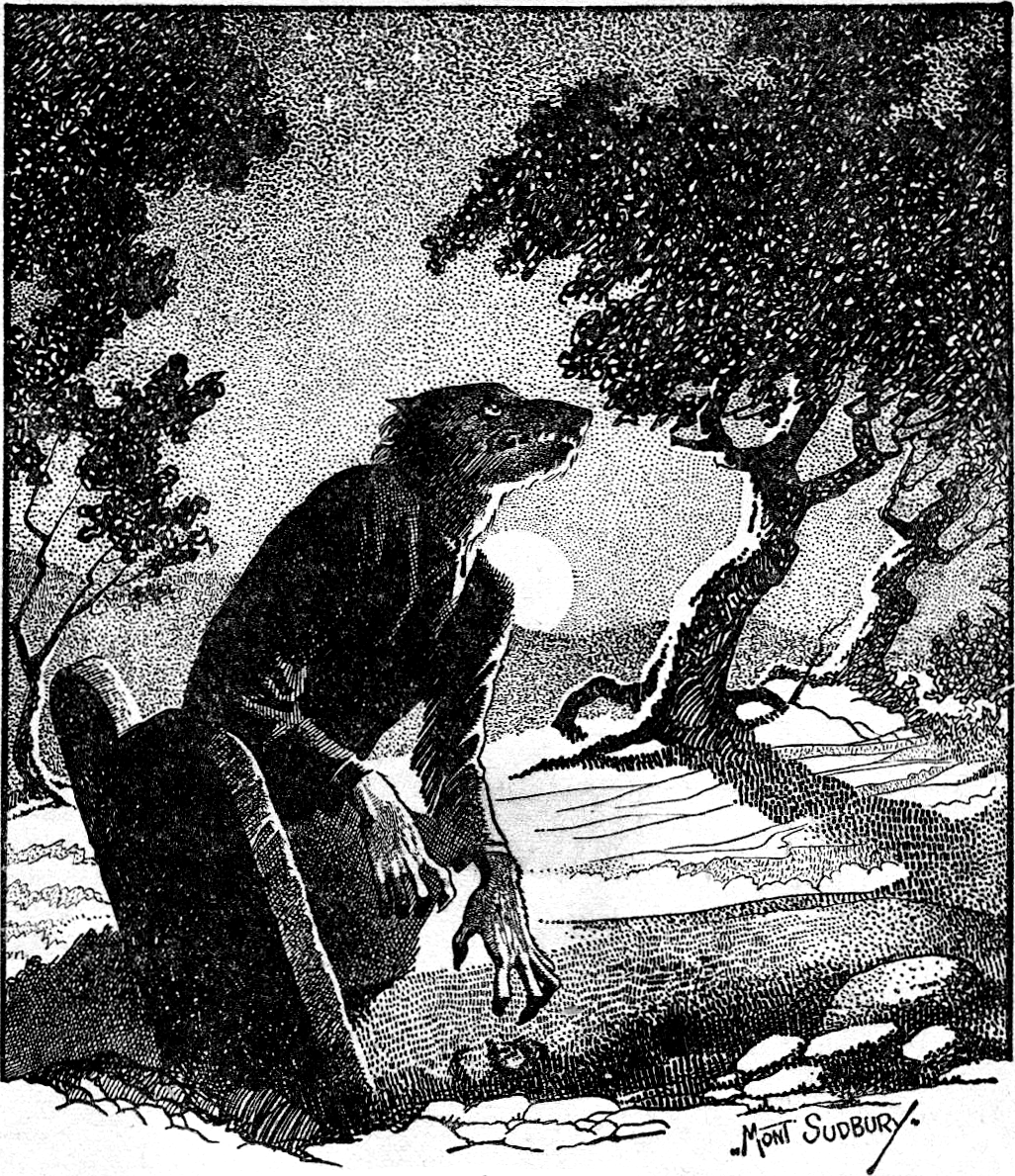 🇫🇷 France and 5 moreWerewolf
A mythical shapeshifter that turns into a wolf, central to European witch-hunts and Gothic horror.Being · Cursing and harm · Wonder and entertainment Legendary
🇫🇷 France and 5 moreWerewolf
A mythical shapeshifter that turns into a wolf, central to European witch-hunts and Gothic horror.Being · Cursing and harm · Wonder and entertainment Legendary
Related elsewhere
All oracle 🇮🇳 India and 5 moreAstrology
A divinatory practice that reads human fate through the positions of celestial bodies.Belief · Seeing and foretelling · Luck and prosperity Living
🇮🇳 India and 5 moreAstrology
A divinatory practice that reads human fate through the positions of celestial bodies.Belief · Seeing and foretelling · Luck and prosperity Living
 🇮🇳 India and 5 moreHoliहोली
A Hindu spring festival marked by coloured powders and bonfires to celebrate love and virtue.Tradition · Love and attraction · Cursing and harm Living
🇧🇷 Brazil and 1 moreQuimbanda
An Afro-Brazilian religion focused on male and female street spirits for worldly mattersTradition · Protection · Luck and prosperity Living
🇮🇳 India and 5 moreHoliहोली
A Hindu spring festival marked by coloured powders and bonfires to celebrate love and virtue.Tradition · Love and attraction · Cursing and harm Living
🇧🇷 Brazil and 1 moreQuimbanda
An Afro-Brazilian religion focused on male and female street spirits for worldly mattersTradition · Protection · Luck and prosperity Living
 🇯🇵 JapanOnmyōdō陰陽道
A Japanese system of divination and calendar science rooted in yin-yang philosophyTradition · Seeing and foretelling · Protection Revived
🇯🇵 JapanOnmyōdō陰陽道
A Japanese system of divination and calendar science rooted in yin-yang philosophyTradition · Seeing and foretelling · Protection Revived