Cursing and harm
Curses, hexes and sorcery as people describe and fear them, with the counter-magic against them.
Cursing and harm are the part of magic that societies fear most. This page describes curses and sorcery as beliefs, and the social role of fear and accusation, and does not give instructions. The evil eye, the curse tablets of the Greek and Roman world, Hebrew and Arabic writings on harmful magic, sorcery in Melanesia and Africa, and the European witch are all part of this subject. Most of the harm recorded is that done to people accused.
What is believed
Many cultures hold that envy, anger or hostile ritual can bring illness, loss or death to a victim. The beliefs differ: in the Mediterranean, the evil eye needs no intent. In Azande society, studied by Evans-Pritchard, witchcraft was an inherited substance that explained why misfortune struck one person and not another. Greek and Roman lead curse tablets, often addressed to gods of the underworld, show the belief was written down in antiquity.
Accusation as social force
Where harm is feared, accusation follows. Anthropologists have shown that charges of witchcraft often follow tension inside a family or village, such as inheritance, jealousy or a sudden death. Accusers are usually in conflict with the accused, who is more likely to be old, poor, widowed or marginal. The belief can enforce norms and also destroy people. People also fear being accused, since an accusation can arrive without warning and can follow a family for generations.
Persecution and its present
European and colonial American witch trials, from the fifteenth to the eighteenth century, put tens of thousands to death, including the Salem trials of 1692. The practice has not ended. Mobs and families still attack accused people in parts of Africa, India, Papua New Guinea and elsewhere, and Saudi Arabia has executed people for sorcery. Albino people have been killed for body parts in East Africa. Several states are drafting or enforcing laws against accusation itself.
Counter-magic and scholarship
Where harm is feared, so is protection: amulets, cleansing, and a specialist who can say who sent it. Scholars see curses as a language of grievance, and psychologists have documented the nocebo effect, in which belief in harm can bring on real distress. A person who is afraid should seek medical and social help, and talk to someone they trust. People who believe they have been cursed should be helped to find practical support, including from health services, and not left alone with fear.
Cursing and harm on EveryJaadu
The entries written up so far, best known first.
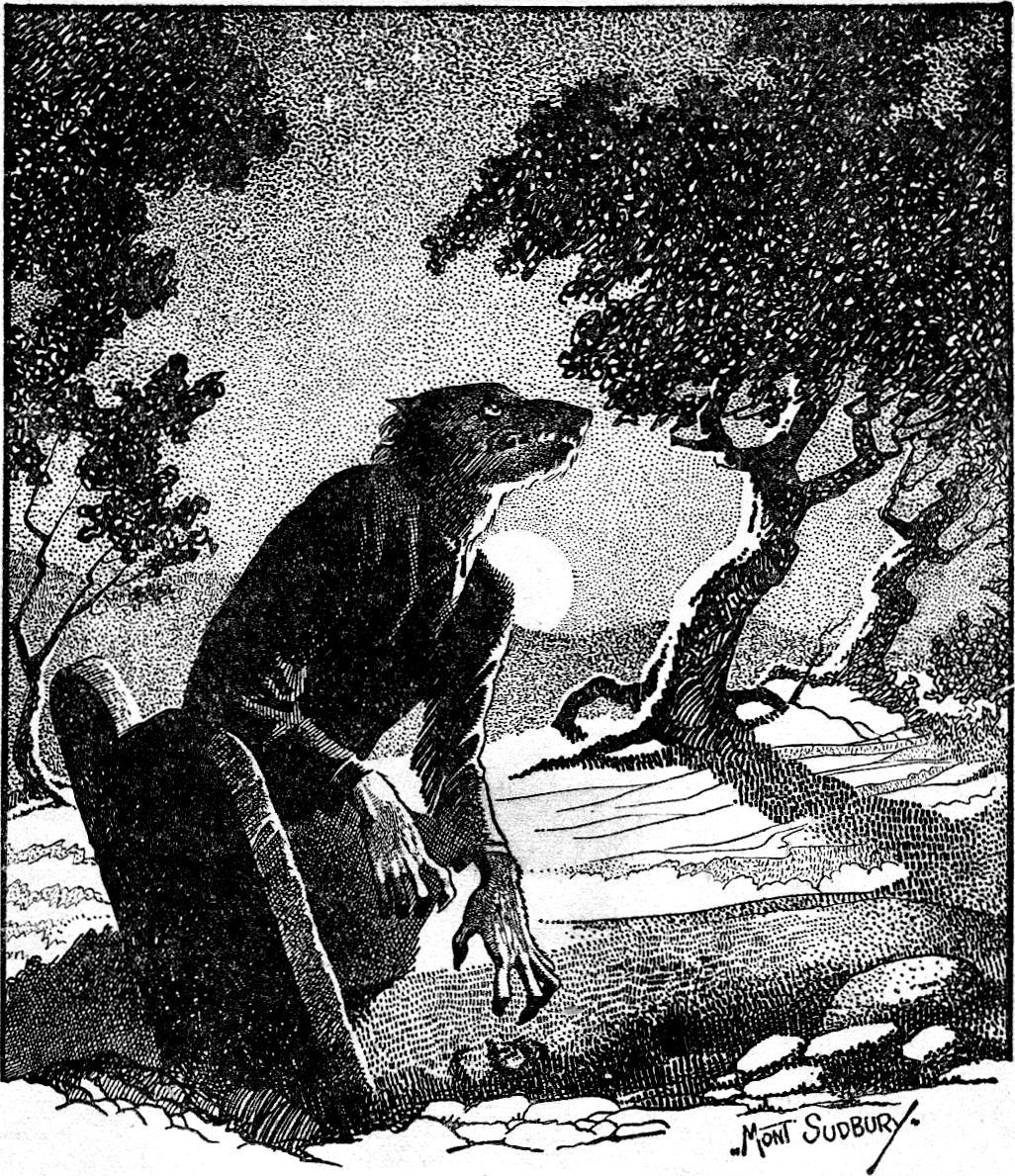 🇨🇭 Switzerland and 5 moreWerewolf
A figure in folklore who transforms into a wolf or hybrid beastFigure · Cursing and harm Legendary
 🇫🇷 FranceLady of the LakeDame du Lac
A water spirit who raises knights and captures wizards in Arthurian talesFigure · Protection · Cursing and harm Legendary
🇮🇪 IrelandThe MorríganMórrígan
An Irish goddess of war, fate, and sovereignty who appears as a crow or shape-shifter.Figure · Seeing and foretelling · Cursing and harm Legendary
🇩🇪 GermanyJohannes Junius
A German mayor executed in the Bamberg witch trials who wrote a final letter from his cell.Figure · Cursing and harm Historical
 🇬🇧 United Kingdom and 3 moreJack
A trickster hero from English folklore who outwits giants and oppressorsFigure · Cursing and harm · Luck and prosperity Living
🇮🇹 Italy and 1 moreAradia
A figure of Italian folklore and modern pagan witchcraft, seen as a teacher of magic and liberation.Figure · Cursing and harm · Power and authority Revived
🇬🇧 United Kingdom and 1 moreBugbear
A medieval English creature used to frighten children into obedienceFigure · Cursing and harm Legendary
 🇩🇪 Germany and 5 moreKrampus
A horned Alpine figure who punishes misbehaving children on KrampusnachtFigure · Cursing and harm Living
🇩🇪 GermanyPhilipp Adolf von Ehrenberg
A German prince-bishop who directed a massive witch-hunt in the 1620sFigure · Cursing and harm Historical
 🇮🇹 Italy and 5 moreBogeyman
A mythical creature used across cultures to frighten children into obedienceFigure · Cursing and harm Living
 🇩🇪 Germany and 1 moreFaust
A German legend of a scholar who trades his soul for knowledge and pleasureFigure · Power and authority · Cursing and harm Legendary
🇷🇴 Romania and 1 moreMoroi
A Romanian phantom that drains the living, linked to strigoi and unbaptised infants.Figure · Cursing and harm Legendary
 🇷🇺 Russia and 4 moreBaba Yaga
A complex Slavic witch figure who lives in a moving hut and flies in a mortar.Figure · Cursing and harm · Protection Legendary
 🇮🇹 ItalyWitches of Benevento
A medieval Italian legend of witches gathering under a walnut treeBelief · Cursing and harm · Luck and prosperity Historical
 🇪🇸 SpainSorginak
Mythical beings and historical figures associated with Basque witchcraft and the goddess Mari.Figure · Speaking with spirits and the dead · Cursing and harm Historical
🇬🇷 GreeceEpimenides of CreteἘπιμενίδης
A semi-mythical Greek prophet and purifier from KnossosFigure · Cursing and harm Legendary
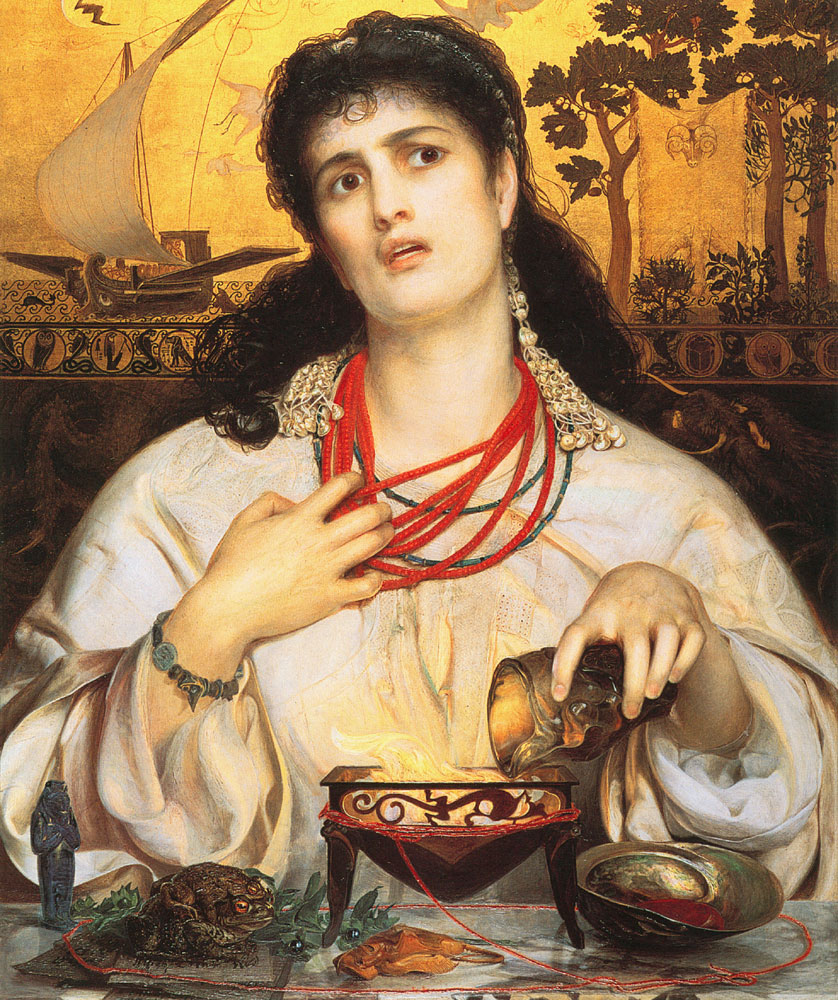 🇬🇷 GreeceMedeaΜήδεια
A sorceress and princess of Colchis who aids Jason and uses magic for revenge.Figure · Cursing and harm · Healing Legendary
 🇫🇷 France and 4 moreMorgan le FayFée Morgane
An Arthurian enchantress known for her shifting role as healer and adversaryFigure · Healing · Cursing and harm Legendary
 🇧🇷 Brazil and 5 moreWhite Lady
A female ghost in white clothing linked to tragedy and omens across many culturesFigure · Cursing and harm · Seeing and foretelling Legendary
 🇵🇹 Portugal and 5 moreCocoCoca
A monster used to frighten children into obedience across the Iberian world and Latin America.Figure · Cursing and harm · Binding and oaths Living
🇮🇪 IrelandBodach
A Gaelic trickster figure used to frighten children and warn of deathFigure · Cursing and harm · Seeing and foretelling Historical
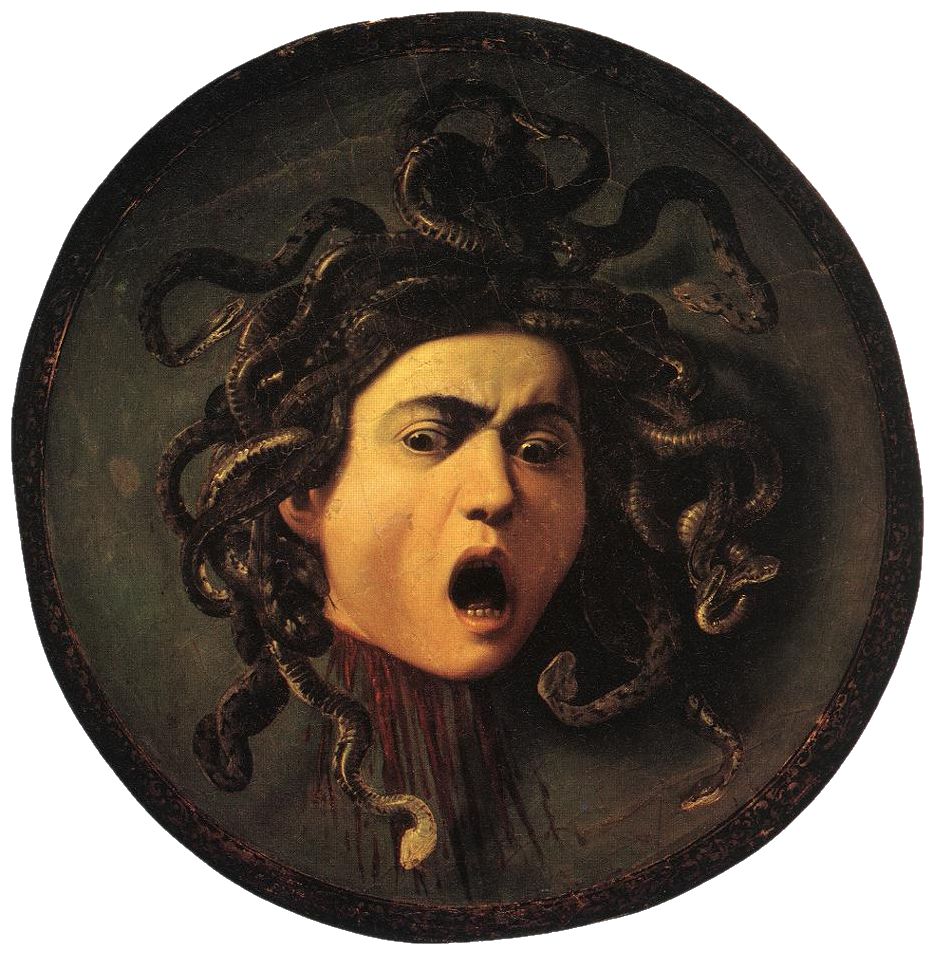 🇬🇷 Greece and 1 moreMedusaΜέδουσα
A mortal Greek monster whose gaze turns onlookers to stoneFigure · Cursing and harm Legendary
 🇬🇧 United KingdomMatthew Hopkins
The English witch-hunter who led the deadliest wave of executions in Britain.Figure · Cursing and harm Historical
 🇷🇺 RussiaGolden apple
A mythical fruit that sparks quests, wars, and linguistic confusion across culturesFigure · Cursing and harm · Luck and prosperity Legendary
 🇷🇸 Serbia and 5 moreWolves in folklore, religion and mythology
A global survey of how cultures view the wolf as symbol, spirit or threatBelief · Power and authority · Cursing and harm Historical
 🇷🇺 Russia and 1 moreBabayБабай
A night spirit in Slavic folklore used to frighten children into sleepingFigure · Cursing and harm Legendary
 🇬🇷 Greece and 1 moreCacodemonκακοδαίμων (kakodaimōn)
An ancient Greek evil spirit, depicted as a horned youth and used in literature and games.Being · Cursing and harm Legendary
 🇬🇧 United Kingdom and 2 moreJenny Greenteeth
A river-hag from English folklore used to warn children away from dangerous watersFigure · Cursing and harm Legendary
 🇪🇪 EstoniaVanapaganVanatühi
A giant farmer and underworld figure from Estonian folklore who is often outwitted.Figure · Cursing and harm Legendary
🇮🇹 Italy and 1 moreCola Pesce
An Italian merman legend about a boy cursed by his mother to live in the seaFigure · Cursing and harm · Seeing and foretelling Historical
🇦🇲 Armenia and 2 moreAzhdahakԱժդահակ
A dragon-like demon of Armenian and Iranian myth, imprisoned in a mountain until the end of time.Figure · Cursing and harm Legendary
 🇪🇪 EstoniaThe Dragon of the NorthPõhja konn
A legendary frog-like monster from Estonian folklore, later reimagined as a cultural guardian.Figure · Cursing and harm · Protection Legendary
🇮🇹 ItalyMonacielloMunaciello
A Neapolitan sprite linked to the city's underground waterways and hidden wealth.Figure · Luck and prosperity · Cursing and harm Legendary
 🇮🇹 Italy and 1 moreGrim Reaper
A hooded skeleton with a scythe, representing death in Western art and story.Figure · Cursing and harm Historical
 🇫🇷 France and 1 moreCheval Gauvin
A malevolent spirit horse from the Jura mountains that drowns riders and abducts children.Figure · Cursing and harm Legendary
 🇬🇷 GreeceHorkosὍρκος
A Greek divine personification of the curse that follows a broken oathFigure · Cursing and harm Legendary
🇫🇷 FranceTempestarii
Medieval figures accused of controlling storms and the beliefs surrounding them.Belief · Cursing and harm · Protection Historical
 🇪🇸 SpainWitches of Anaga
A Tenerife legend of women who danced at covens in the Anaga mountainsBelief · Cursing and harm Legendary
 🇵🇱 Poland and 4 moreMoranaМорена
A Slavic goddess of winter and death, whose effigy is drowned to welcome springFigure · Cursing and harm · Power and authority Living
 🇬🇧 United Kingdom and 1 moreWitchwiċċe
The English word for a magic-worker, from Old English wiċċe to WiccaFigure · Cursing and harm · Seeing and foretelling Living
🇮🇪 IrelandAibellAoibheall
A Munster goddess turned fairy queen, said to foretell deathsFigure · Seeing and foretelling · Cursing and harm Legendary
 🇫🇷 FranceLou DrapéLo drapet
A legendary white horse from southern France that abducts wandering children.Figure · Cursing and harm · Protection Historical
 🇬🇧 United KingdomPiers Shonks
A legendary knight who slew a dragon and cheated the Devil in HertfordshireFigure · Cursing and harm · Wonder and entertainment Legendary
 🇫🇷 France and 4 moreRobert the Devil
A medieval legend of a knight born to Satan who seeks redemptionFigure · Cursing and harm · Change and initiation Legendary
🇮🇹 ItalyVenefica
A Latin name for a woman said to work sorcery with drugs, potions and poisonFigure · Cursing and harm Historical
 🇬🇧 United Kingdom and 1 moreBloody Bones
A bogeyman figure used to frighten children in English and North American folkloreFigure · Cursing and harm Historical
🇬🇧 United KingdomNanny Rutt
A cautionary figure from Lincolnshire folklore who lures girls into the woodsFigure · Cursing and harm Legendary
🇸🇪 SwedenYsätters-Kajsa
A wind-troll from Swedish folklore who danced with the gales of NärkeFigure · Cursing and harm · Luck and prosperity Legendary
Photo credits on this page
The small pictures above come from Wikimedia Commons under free licences. Some are cropped to fit.
- Vanapagan: Kristjan Raud, Public domain, source
- The Dragon of the North: Ivo Kruusamägi, CC BY-SA 4.0, source
- Wolves in folklore, religion and mythology: Unknown author, CC0, source
- Jack: Internet Archive Book Images, No restrictions, source
- Krampus: Naturpuur, CC BY-SA 4.0, source
- Bogeyman: Francisco Goya, Public domain, source
- Faust: Earthsphere, CC BY-SA 4.0, source
- Evocation: engraved by Ames of Bristol (according to Fincham, Artists and engrave, Public domain, source
- Babay: Kyoukaa, CC BY-SA 4.0, source
- Grim Reaper: Jaroslav A. Polák, CC BY 4.0, source
- Werewolf: Mont Sudbury, Public domain, source
- Jenny Greenteeth: Jayan.thanal, CC BY-SA 4.0, source
- Baba Yaga: Ivan Bilibin, Public domain, source
- Witches of Benevento: Guglielmo della Porta, CC0, source
- Witches of Anaga: User:Beneharo Hdez., CC BY 3.0, source
- Sorginak: Errazking, CC BY-SA 4.0, source
- Magic circle: John William Waterhouse, Public domain, source
- Lou Drapé: Morburre, CC BY-SA 3.0, source
- Medea: Frederick Sandys, Public domain, source
- Robert the Devil: Gustave Doré, Public domain, source
- Bloody Bones: ArtemisiaGentileschiFan, CC0, source
- Lady of the Lake: Internet Archive Book Images, No restrictions, source
- Golden apple: Guido Reni, Public domain, source
- Morgan le Fay: Frederick Sandys, Public domain, source
- Cacodemon: Louis Le Breton, Public domain, source
- Coco: Francisco de Goya, CC0, source
- Horkos: Furienmeister, Public domain, source
- Morana: Marta Malina Moraczewska, CC BY-SA 4.0, source
- Piers Shonks: William Blyth Gerish, Public domain, source
- Cheval Gauvin: Tsaag Valren, CC BY-SA 3.0, source
- Medusa: Caravaggio, Public domain, source
- Matthew Hopkins: Unknown author, CC BY 4.0, source