Books and texts
Grimoires, magical papyri, Kabbalistic and Hermetic works and the manuals of cunning folk.
Magical texts are the books, scrolls and papyri that record spells, rites and lore: the Greek Magical Papyri, the Hebrew Sefer Yetzirah and the Zohar, the Picatrix, the Key of Solomon, the Grimorium Verum, the Hindu Atharvaveda, the Egyptian Book of the Dead, the Chinese Taoist ritual manuals and the grimoires of the European cunning folk. This page asks what these texts are, who wrote and read them, and why their authority is complicated.
What the texts are
Some are scripture, such as the Atharvaveda, which contains charms and healing hymns beside its worship. Some are handbooks, like the Greek Magical Papyri from Roman Egypt, which mix Greek, Egyptian and Jewish elements. Some are medieval compendia, such as the Arabic Picatrix. Many European grimoires were printed cheaply and passed hand to hand, and names such as Solomon were attached to give them credit. Some are tiny, such as a few lines on a papyrus strip folded into a case, and some run to hundreds of pages, but all were handled by a small number of people.
Readers and gatekeepers
Literacy mattered. A text of magic could only be used by someone who could read, copy and, often, read Latin, Hebrew or Arabic. That made the learned magician a figure of the elite and left village healers with oral knowledge. In Ethiopia, the debtera, a church-trained scribe, writes protective scrolls. In Java and Malaysia, Quranic and Sanskrit-derived texts are kept by family teachers. Where a text was in a sacred language, the ritual use sometimes outran the meaning, and people recited words they could not translate because the sound itself was held to matter.
Censorship and burning
Texts have been burned. The Church placed books of magic on its Index, Chinese dynasties restricted books of divination, and Qing and later authorities attacked books they saw as superstition. The Nazi regime closed occult lodges and seized their libraries. What we now know of some practices survives because inquisitors, in transcribing confiscated books, kept copies. Preservation depends on accident as well as intention: papyri survived in the dry sands of Egypt, while many paper books of village healers were lost when families moved or owners died.
Authenticity and the market
Many famous grimoires are not as old as they claim. The Sixth and Seventh Books of Moses is a nineteenth-century compilation. Scholars study such works to see how people imagined power, not to test it. Modern editions and online copies are popular, and some publishers present them as ready-to-use manuals, which the guide treats as a matter of belief and not of instruction. Collectors, museums and antiquarian dealers now trade in old manuscripts, and some forgeries sell as originals, which is another reason scholars check provenance.
Text on EveryJaadu
The entries written up so far, best known first.
 🇫🇷 FranceOn the Demonomania of the SorcerersDe la démonomanie des sorciers
Jean Bodin's 1580 treatise on witches, demons and their prosecutionText · Cursing and harm · Protection Historical
 🇮🇸 Iceland and 3 moreDeal with the Devil
A cultural trope of trading one's soul for worldly favours in exchange for demonic aidBelief · Power and authority · Cursing and harm Historical
 🇫🇷 FrancePetit AlbertSecrets merveilleux de la magie naturelle et cabalistique du petit Albert
An 18th-century French grimoire of natural and cabalistic magic sold to rural householdsText · Protection · Luck and prosperity Historical
 🇳🇴 NorwayGrógaldr
An Old Norse poem about raising a dead seeress to ask for helpText · Cursing and harm · Protection Historical
🇬🇧 United KingdomThe Book of Thoth
A guide to a tarot deck designed by an occultist and his collaboratorText · Power and authority · Seeing and foretelling Historical
🇺🇸 United StatesDreaming the Dark
A 1982 book by Starhawk linking magic, sex, and politicsText · Power and authority Historical
 🇫🇷 France and 1 moreDogme et Rituel de la Haute Magie
A foundational treatise on ritual magic by Éliphas Lévi, structured around the tarot.Text · Power and authority · Wonder and entertainment Historical
🇪🇬 EgyptPrima materia
The formless base of all matter in alchemyText · Change and initiation Historical
🇺🇸 United States and 1 moreThe Teachings of Don Juan
A 1968 book presenting an apprenticeship with a Mexican sorcerer as anthropological fieldwork.Text · Speaking with spirits and the dead · Change and initiation Historical
🇮🇶 IraqZu-buru-dabbedazú-buru5-dib-bé-da
Akkadian spells calling on gods and winds to drive pests from the fieldsText · Protection · Cleansing and purification Historical
🇨🇳 ChinaKing Wen sequence文王卦序
The oldest arrangement of the sixty-four hexagrams in the I ChingText · Seeing and foretelling Historical
🇮🇹 ItalyDe Umbris Idearum
A 1582 treatise by Giordano Bruno on memory, magic and philosophyText · Power and authority · Wonder and entertainment Historical
🇺🇸 United StatesThe Occult: A History
A 1971 survey of occult figures and latent human powers by Colin WilsonText · Wonder and entertainment Historical
🇨🇳 China and 1 moreRishu日書
A Chinese day book sorting lucky and unlucky days by the sexagenary cycleText · Seeing and foretelling · Luck and prosperity Historical
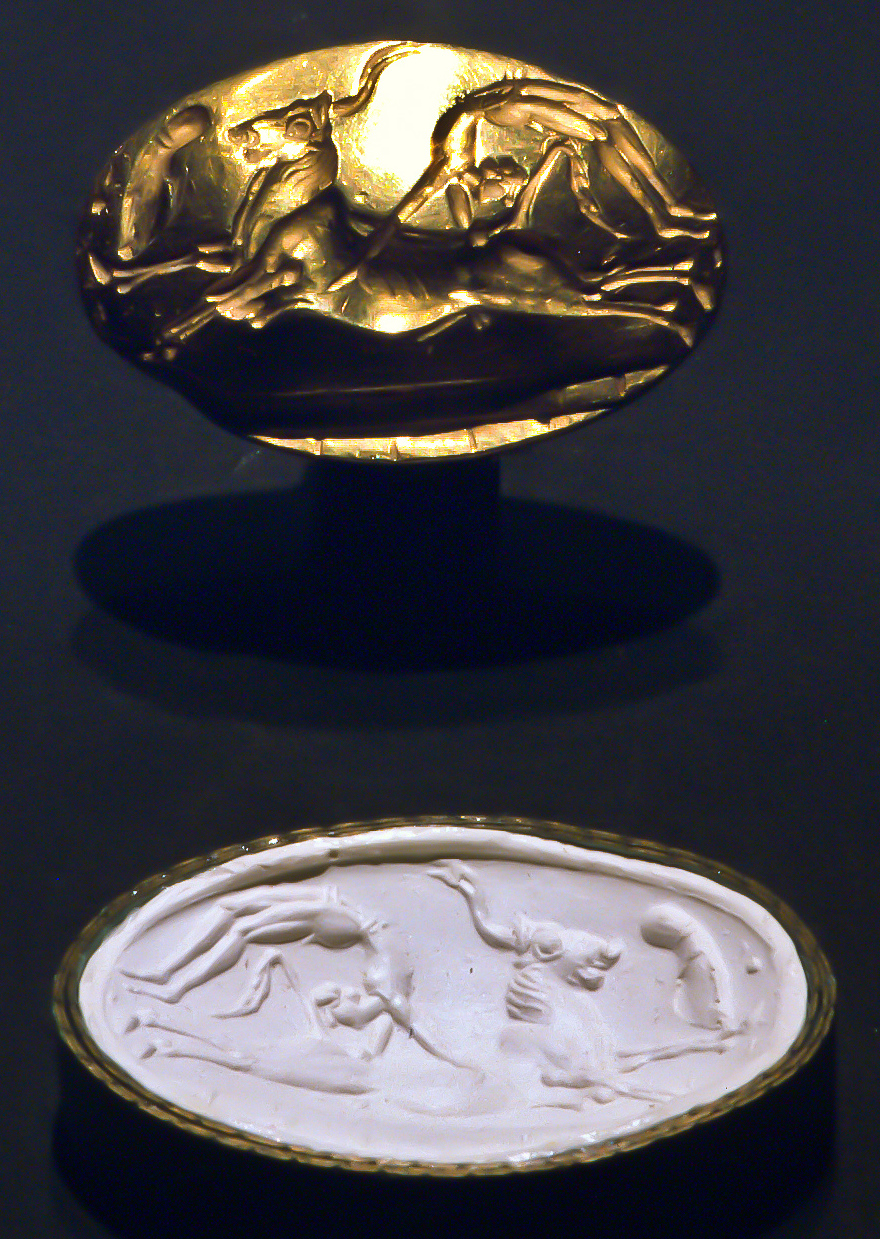 🇬🇷 GreeceMinoan sealstones
Carved gemstones and amulets from Bronze Age Crete used for identification and ritualCharm · Protection · Power and authority Historical
 🇮🇱 Israel and 1 morePardesפרד״ס
A four-level method for interpreting Jewish scriptureText · Speaking with spirits and the dead Historical
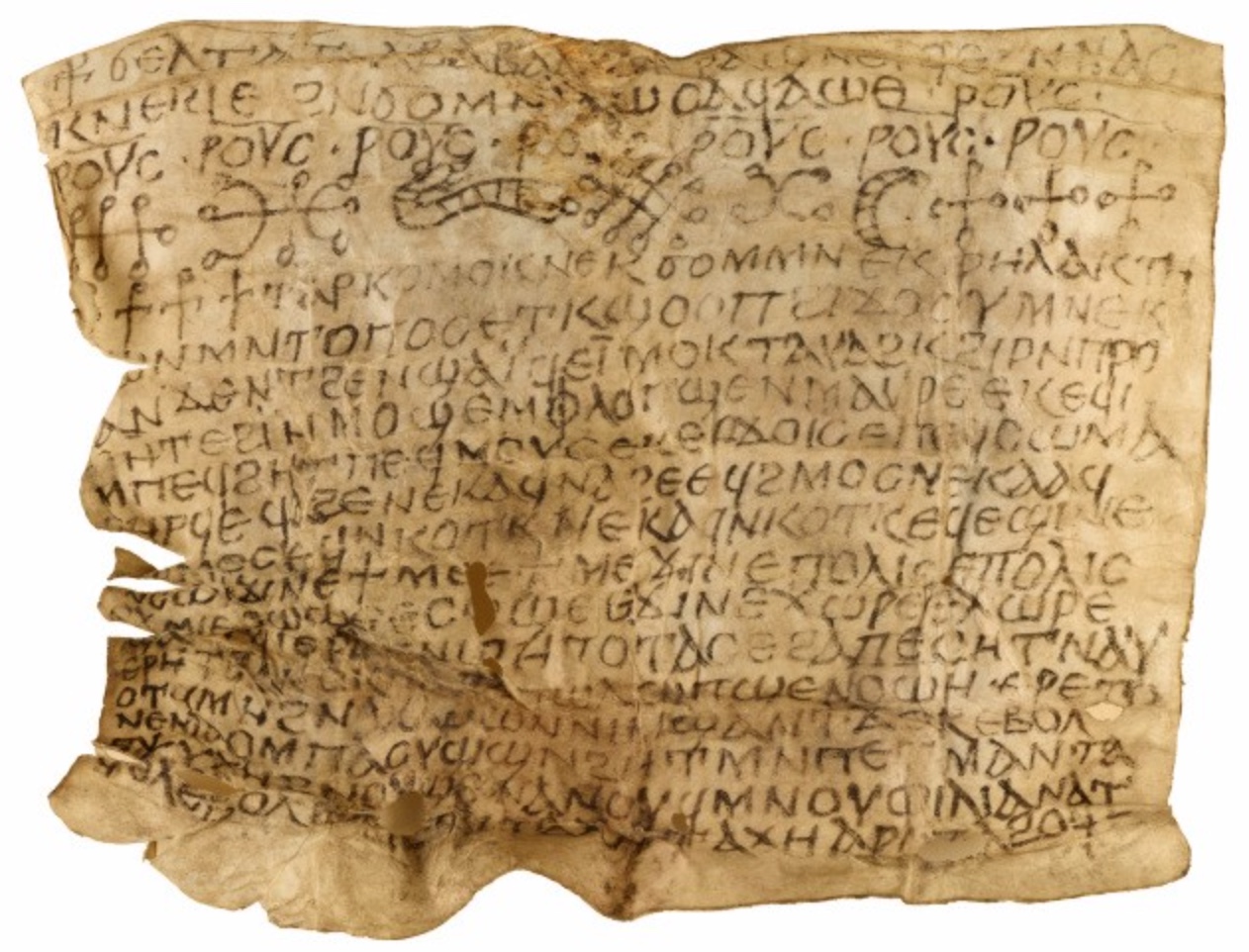 🇪🇬 EgyptAshmolean Parchment AN 1981.940
A folded Coptic love charm from Egypt, written by one man to win anotherText · Love and attraction Historical
🇮🇳 India and 1 moreManba al-Ansabمنبع الانساب
A Persian manuscript tracing Sayyid lineage and Sufi practice in early modern IndiaText · Speaking with spirits and the dead · Power and authority Historical
 🇬🇷 GreecePydna curse tablets
Six ancient Greek lead sheets found in Macedonia, used to influence court casesText · Cursing and harm · Binding and oaths Historical
🇸🇾 Syria and 1 moreLots of the ApostlesSortes Apostolorum
A Christian divination text based on casting lots to seek guidance from the apostles.Text · Seeing and foretelling Historical
🇨🇭 SwitzerlandArbatel de magia veterum
A 1575 Swiss grimoire focused on celestial spirits and Christian ethicsText · Power and authority · Speaking with spirits and the dead Historical
 🇸🇪 SwedenCanterbury charm
An Old Norse runic spell against infection found in an Anglo-Saxon manuscript.Text · Healing Historical
🇪🇸 SpainLiber Ignium
A medieval Latin manuscript containing recipes for incendiary weapons and chemicals.Text · Cursing and harm · Power and authority Historical
 🇯🇵 JapanGazu Hyakki Tsurezure Bukuro百器徒然袋
A 1781 Japanese picture book in which crafted objects wake up as spiritsText · Wonder and entertainment Historical
 🇹🇭 Thailand and 2 moreSang Thongสังข์ทอง
A Southeast Asian folktale about a prince born in a shell who gains golden skin and magical powers.Figure · Luck and prosperity · Love and attraction Historical
🇮🇷 IranBalaibalanباليبلن
An early constructed language from the Islamic world, likely created for sacred or poetic purposes.Text · Speaking with spirits and the dead · Wonder and entertainment Historical
 🇯🇵 JapanEhon Hyaku Monogatari絵本百物語
An 1841 Japanese picture book of yōkai: ghosts, monsters and spirits named and drawnText · Wonder and entertainment Historical
 🇬🇧 United KingdomBook of Magical Charms
A seventeenth-century English manuscript of spells and medical remedies held in Chicago.Text · Healing · Speaking with spirits and the dead Historical
🇸🇩 SudanWitchcraft, Oracles and Magic Among the Azande
A foundational anthropological study of Azande witchcraft, oracles, and magic in southern Sudan.Text · Cursing and harm · Seeing and foretelling Historical
🇮🇹 Italy and 1 moreBooks of secrets
Early modern European compilations of recipes and formulae framed as hidden knowledgeText · Power and authority Historical
 🇮🇸 Iceland and 1 moreUr (rune)
A runic character representing the aurochs or cold rain in Germanic alphabetsText · Wonder and entertainment Historical
🇯🇵 JapanAme no Ohabari天之尾羽
A legendary sword and Shinto spirit from Japanese mythBeing · Cursing and harm · Power and authority Historical
🇯🇵 JapanSenji Ryakketsu占事略決
A Heian-era divination text attributed to Abe no Seimei, detailing shikigami-based fortune-telling.Text · Seeing and foretelling · Luck and prosperity Historical
 🇬🇧 United KingdomTheatrum Chemicum Britannicum
A 1652 collection of English alchemical verse, gathered and annotated by Elias AshmoleText · Change and initiation Historical
🇬🇧 United Kingdom and 1 moreThe History of Spiritualism
A two-volume history of the Spiritualist movement written by Arthur Conan Doyle in 1926.Text · Speaking with spirits and the dead · Power and authority Historical
🇮🇸 Iceland and 1 moreBerkanan
A runic letter representing the birch tree across Germanic writing systems.Text Historical
 🇬🇧 United KingdomTam Lin
A Scottish ballad about a fairy knight rescued by his mortal lover on Hallowe'enFigure · Love and attraction · Cursing and harm Historical
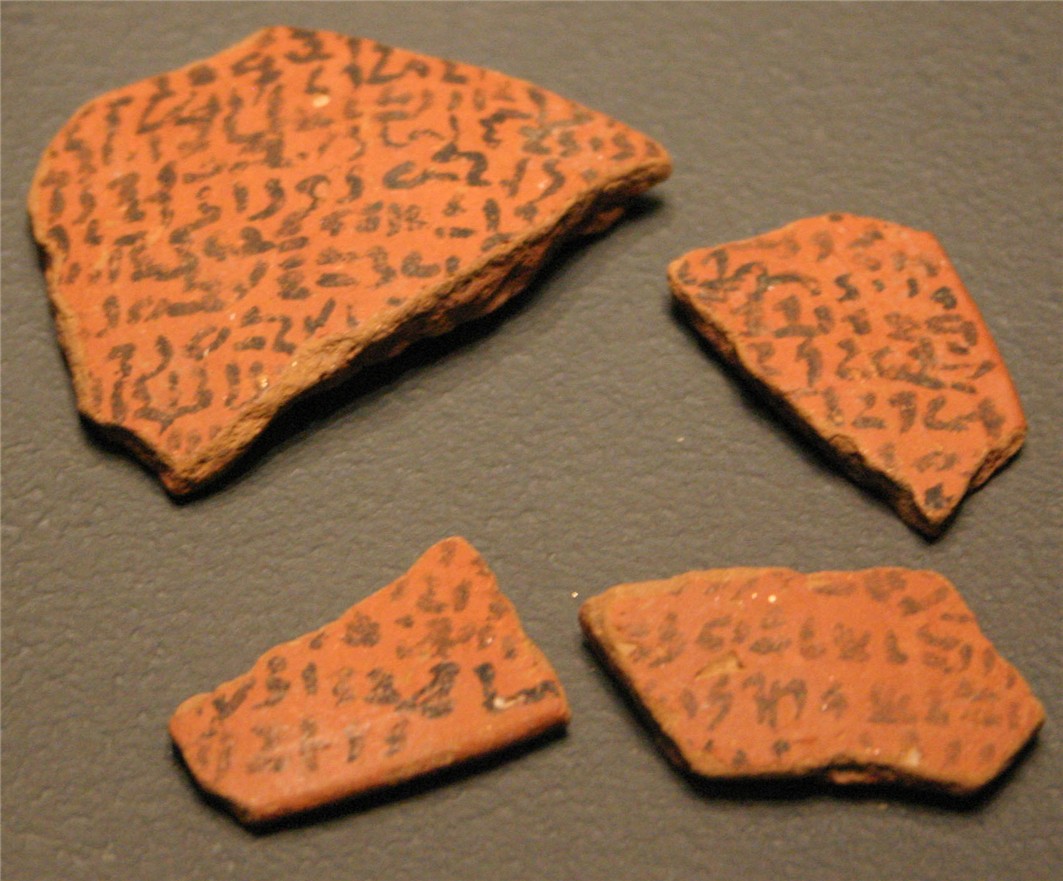 🇪🇬 Egypt and 4 moreExecration texts
Ancient Egyptian magical texts inscribed on objects to be destroyed, targeting enemies of the state.Text · Protection · Cursing and harm Historical
🇨🇳 ChinaXici繫辭
A Confucian commentary on the I Ching and a key text of early Chinese cosmologyText Historical
🇮🇸 IcelandSowilo
The s-rune representing the sun in Germanic writing systemsText · Power and authority Historical
🇮🇳 IndiaKhongjomnubi NonggarolKhongchomnupi Nongkalol
A Meitei puya with two stories of transformation and ascent to the sky.Text · Wonder and entertainment Historical
 🇬🇧 United KingdomSaducismus Triumphatus
A 1681 English book defending witchcraft beliefs and attacking skepticsText · Cursing and harm Historical
 🇸🇪 SwedenStentoften Runestone
A seventh-century Swedish stone inscribed with a curse and harvest blessings in Proto-NorseText · Cursing and harm · Luck and prosperity Historical
 🇸🇪 SwedenSaleby Runestone
A Swedish memorial stone raised by a husband for his wife, featuring an ancient curse.Text · Protection Historical
 🇯🇵 JapanHyakkai Zukan百怪図巻
An 1737 picture scroll of thirty Japanese yōkai by Sawaki SuushiText · Wonder and entertainment Historical
 🇩🇪 GermanyAlgiz
A runic letter representing a terminal sound and later symbols of life and deathText Historical
 🇯🇵 JapanKonjaku Gazu Zoku Hyakki今昔画図続百鬼
An 18th-century Japanese book drawing yōkai: ghosts, spirits and monstersText Historical
 🇨🇿 Czech Republic and 1 moreCodex GigasObří kniha
A massive medieval manuscript known for its size and a portrait of Satan.Text · Power and authority Historical
Photo credits on this page
The small pictures above come from Wikimedia Commons under free licences. Some are cropped to fit.
- Pardes: Anonymous (photo by Adrian Pingstone), Public domain, source
- Petit Albert: Albertus Parvus Lucius, CC BY-SA 4.0, source
- Minoan sealstones: Andree Stephan, CC BY 3.0, source
- Canterbury charm: Mårtensås, CC BY-SA 4.0, source
- Ehon Hyaku Monogatari: Takehara Shunsen (竹原春泉), Public domain, source
- Book of Magical Charms: Robert Ashley, died 1641, Public domain, source
- Theatrum Chemicum Britannicum: Goddard, John, active 1645-1671 (engraver), Public domain, source
- Saducismus Triumphatus: unknown engraver of the 17th century, Public domain, source
- Hyakkai Zukan: Sawaki Sūshi (佐脇嵩之, Japanese, *1707, †1772), Public domain, source
- Konjaku Gazu Zoku Hyakki: Toriyama Sekien ( 鳥山石燕 , Japanese, *1712, †1788), Public domain, source
- Codex Gigas: Herman the Recluse of the Benedictine monastery of Podlažice, Public domain, source
- Deal with the Devil: Christoph, Public domain, source
- Dogme et Rituel de la Haute Magie: Eliphas Levi, Public domain, source
- Ashmolean Parchment AN 1981.940: Apapolo, Public domain, source
- Pydna curse tablets: Juergen Weidner, CC BY-SA 4.0, source
- Numbers in Germanic paganism: Sendelbach ( talk ), CC BY-SA 3.0, source
- Sang Thong: Narisara Nuwattiwong, Public domain, source
- Ur (rune): RexCrudelissimus, CC BY-SA 4.0, source
- Execration texts: Naunakhte, CC BY-SA 3.0, source
- Saleby Runestone: Berig, CC BY-SA 3.0, source
- Algiz: Arolsen Archives, CC BY-SA 4.0, source
- On the Demonomania of the Sorcerers: Jean Bodin, Public domain, source
- Grógaldr: W.G. Collingwood (1854 - 1932), Public domain, source
- Tam Lin: Richard Webb, CC BY-SA 2.0, source
- Gazu Hyakki Tsurezure Bukuro: Toriyama Sekien ( 鳥山石燕 ), Public domain, source