Arbatel de magia veterum
Uncertain; possibly Hebrew for an angel or God, or an author pseudonym
A 1575 Swiss grimoire focused on celestial spirits and Christian ethics
The Arbatel is a Latin book of ceremonial magic published in Switzerland in 1575. It teaches practitioners to work with Olympian spirits while following Christian virtues like charity and honesty.
- Published in Switzerland in 1575
- Features original Olympian spirits
- Encourages community engagement over isolation
- Introduced Theosophy to occult circles
- Condemned by Reformed Church censors
What it is
The Arbatel de magia veterum is a Latin grimoire from the Renaissance period. It stands out for its clear writing and positive outlook on magic. The text focuses on the connection between humans and celestial hierarchies. It describes unique entities called Olympian spirits. Unlike many other magical books, it rejects black magic entirely. The work encourages magicians to stay active in their communities. It values kindness and honesty over obscure rituals. The Bible serves as the primary source of authority throughout the book. The author memorized large portions of scripture, often paraphrasing them freely.
Where it comes from
The book was published in Switzerland in 1575. Textual evidence places its creation between 1536 and 1583. The final editing was likely done by Theodor Zwinger. Pietro Perna almost certainly handled the publication. The original author remains unknown. Some scholars suggest Jacques Gohory wrote it. He was a contemporary Paracelsian thinker. Other German manuscripts wrongly attributed the work to Paracelsus. No evidence supports this claim. The title's origin is also debated. Some believe it references a Hebrew angel name. Others see a link to the Tetragrammaton. A third theory suggests it is a pseudonym.
How it is done
Practitioners begin with prayers to God. These prayers lead into requests for heavenly angels. The system avoids isolationist rituals. Magicians are urged to remain engaged in society. The work details invocations of solar Olympian spirits. One such spirit is named Och. The method relies heavily on biblical knowledge. Practitioners must understand classical philosophy. They study concepts of macrocosm and microcosm. Respect for ancient authorities is required. Experimentation is encouraged alongside tradition.
Tools and materials
The primary tool is the invocation of spirits. The Olympian spirits are central to the practice. These entities are described as entirely original creations. Biblical texts serve as the main reference material. The work draws on Paracelsian elementals. This includes gnomes and Sagani beings. Numerical analysis of spirit names is used. The sum of these names holds significance. Prayers act as the gateway to spiritual contact.
Arbatel de magia veterum, drawn and placed
- Living
- Revived
- Fading
- Historical
- Legendary
- Performed
- Lineage
- Renaissance Paracelsian magic
What it is for
The book aims to establish a relationship with celestial powers. It seeks to harness divine knowledge. Practitioners use it to communicate with angels. The goal is not harm but positive engagement. It distinguishes between human and divine wisdom. This distinction introduced the term Theosophy to occult circles. Users seek authority through spiritual connection. The work provides a framework for ethical magic. It guides users toward charitable actions.
Who does it
The intended user is a ceremonial magician. They must be knowledgeable in Christian theology. Familiarity with Paracelsian philosophy is essential. Understanding of Greek thought is required. The practitioner should be honest and kind. Isolation is discouraged by the text. Training involves studying biblical paraphrases. Knowledge of classical oracles is necessary. The magus acts as a bridge to spirits.
Peoples and places
The text emerged from Swiss scholarly circles. It influenced thinkers across Northern Europe. Figures like Johann Arndt and Robert Fludd studied it. German scholars initially misattributed it to Paracelsus. English translators brought it to Britain. Robert Turner produced a popular version in 1655. American libraries held copies by the nineteenth century. Swedish mystics used it to explore Kabbalah. Its reach extended into folk belief systems later.
At a glance: who, where and when
Who does it
Belief worlds
What people believe
The worldview blends Christianity with esotericism. It posits a hierarchy of celestial beings. Olympian spirits occupy a specific place in this order. The universe operates through macrocosmic principles. Human actions reflect cosmic structures. Divine knowledge surpasses human understanding. Angels respond to prayerful requests. The text rejects demonic pacts entirely. It views magic as a religious endeavor rather than a secular trick.
When it is done
No specific festivals or dates are mandated. The practice is not tied to lunar cycles. There are no seasonal requirements listed. The text does not prescribe ritual timing. Practitioners may engage with the system at any time. The focus remains on ethical conduct rather than calendar events.
How scholars and sceptics see it
Historians view the Arbatel as a key Renaissance text. It represents a shift toward ethical ceremonial magic. Scholars note its unique Olympian spirits. The influence on later Theosophical movements is significant. Rudolf Steiner adopted terms found within it. Critics like Johann Weyer condemned the work. They labeled it full of magical impiety. University officials expelled students obsessed with it. Modern researchers trace its impact on various occult figures.
Cautions and what is closed
The book faced condemnation from church censors. Simon Sulzer criticized its content openly. Academic institutions banned its use as a textbook. Students were expelled for excessive interest in the text. Some accused it of promoting impious practices. Despite this, it remained influential. Later editions incorporated errors and corruptions. Translators sometimes missed sections entirely. Readers must navigate these textual issues carefully.
Compare and confuse
The Arbatel differs from Solomonic grimoires. It lacks the complex rituals of those works. It shares themes with Paracelsian writings. However, it introduces distinct spirit types. It influenced later texts like the Sixth Book of Moses. Elements appeared in translations by Turner. The work predates modern definitions of Theosophy. It serves as a bridge between medieval and early modern magic.
Questions people ask about Arbatel de magia veterum
What is the Arbatel?
It is a Latin grimoire published in Switzerland in 1575. It focuses on ceremonial magic involving Olympian spirits. The text emphasizes Christian ethics and community involvement.
Who wrote the Arbatel?
The author is unknown. Some scholars suggest Jacques Gohory. Others attribute it to Paracelsus without evidence. The final editing is linked to Theodor Zwinger.
What makes it unique?
It features original Olympian spirits. It rejects black magic completely. It urges magicians to remain active in society. It uses biblical paraphrases extensively.
How was it received?
It influenced many European thinkers. Church censors condemned it as impious. Universities banned its use in classrooms. Later occultists adopted its terminology.
Good reading and sources
- Arbatel de magia veterum on WikipediaEncyclopedia
- More photos on Wikimedia CommonsPhotos and video
- Wikidata recordOpen data
The facts on this page come from the Wikipedia article "Arbatel de magia veterum", written by its contributors and used under the CC BY-SA 4.0 licence, and from its Wikidata record (CC0). EveryJaadu rewrote the text in its own words, with AI assistance, and compares every page with the article to make sure no passage is copied. It may be reused under the same CC BY-SA 4.0 licence with a link back.
It may contain mistakes. Names and customs differ from one community to the next, and some knowledge is closed to outsiders and left out here. This page describes belief and practice. It does not say that any of it works, it is not a how-to, and it is not medical advice. If something is wrong, tell us. Last refreshed 2026-10-06.
More from Switzerland
All the entries from Switzerland 🇮🇶 Iraq and 5 moreGrimoire
A textbook containing instructions for spells, rituals, and the creation of magical objects.Text · Protection · Healing Historical
🇮🇶 Iraq and 5 moreGrimoire
A textbook containing instructions for spells, rituals, and the creation of magical objects.Text · Protection · Healing Historical
 🇮🇹 Italy and 4 moreTarottarocchi
A set of cards for games and divination, with roots in fifteenth-century ItalyText · Wonder and entertainment · Seeing and foretelling Living
🇮🇹 Italy and 4 moreTarottarocchi
A set of cards for games and divination, with roots in fifteenth-century ItalyText · Wonder and entertainment · Seeing and foretelling Living
 🇮🇸 Iceland and 3 moreDeal with the Devil
A cultural trope of trading one's soul for worldly favours in exchange for demonic aidBelief · Power and authority · Cursing and harm Historical
🇮🇸 Iceland and 3 moreDeal with the Devil
A cultural trope of trading one's soul for worldly favours in exchange for demonic aidBelief · Power and authority · Cursing and harm Historical
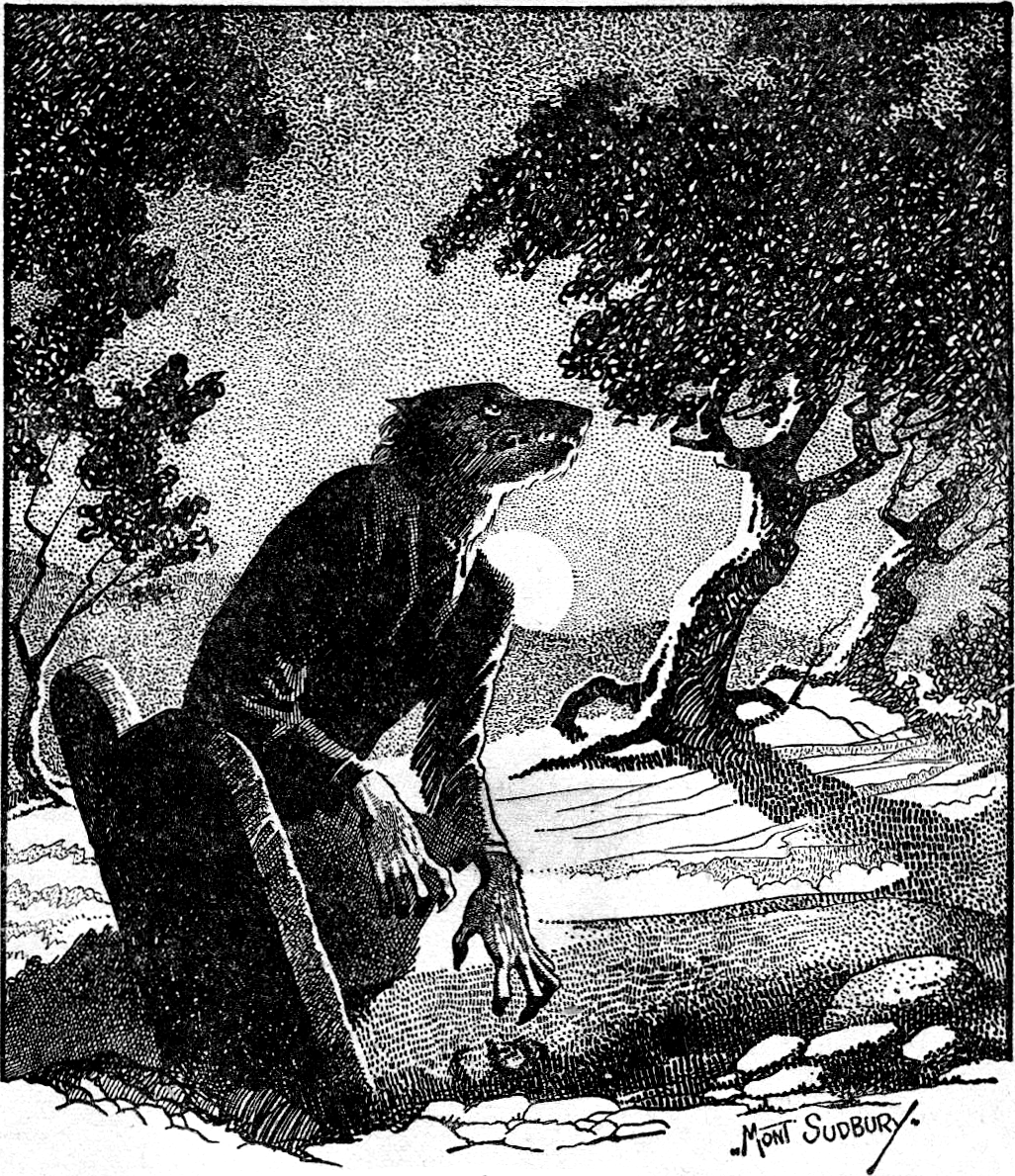 🇫🇷 France and 5 moreWerewolf
A mythical shapeshifter that turns into a wolf, central to European witch-hunts and Gothic horror.Being · Cursing and harm · Wonder and entertainment Legendary
🇫🇷 France and 5 moreWerewolf
A mythical shapeshifter that turns into a wolf, central to European witch-hunts and Gothic horror.Being · Cursing and harm · Wonder and entertainment Legendary
Related elsewhere
All text 🇮🇳 India and 5 moreSnake worship
Veneration of serpents as divine or ancestral beings across global culturesTradition · Protection · Healing Living
🇮🇳 India and 5 moreSnake worship
Veneration of serpents as divine or ancestral beings across global culturesTradition · Protection · Healing Living
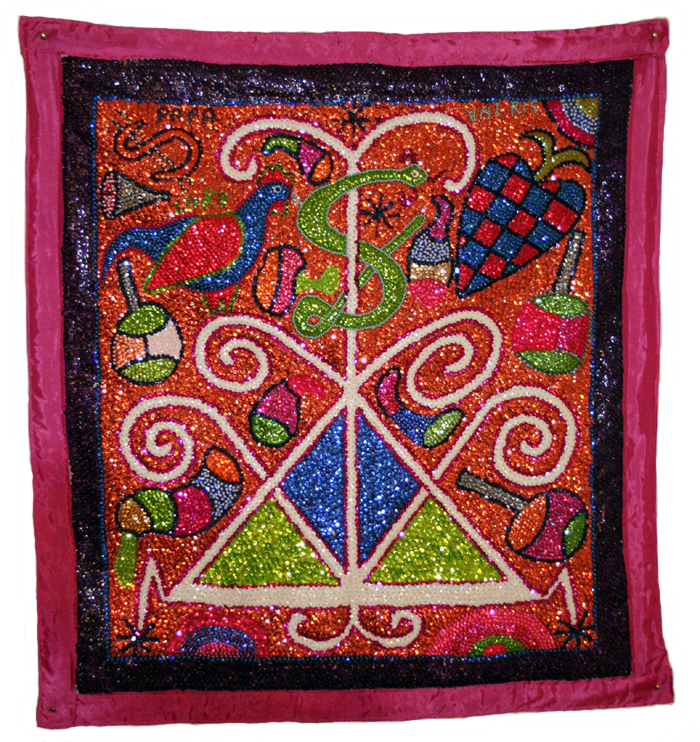 🇭🇹 Haiti and 2 moreHaitian VodouVodou
An Afro-Haitian religion blending West African traditions with Catholicism and FreemasonryTradition · Protection · Healing Living
🇭🇹 Haiti and 2 moreHaitian VodouVodou
An Afro-Haitian religion blending West African traditions with Catholicism and FreemasonryTradition · Protection · Healing Living
 🇮🇳 India and 1 moreMantraमन्त्रम्
A sacred sound or phrase repeated to focus the mind and invoke spiritual powerText · Speaking with spirits and the dead · Power and authority Living
🇮🇳 India and 1 moreMantraमन्त्रम्
A sacred sound or phrase repeated to focus the mind and invoke spiritual powerText · Speaking with spirits and the dead · Power and authority Living
 🇳🇵 Nepal and 1 moreMatsyendranathMacchindranāth, Mīnanātha
A yogi and rain deity revered across Hindu and Buddhist traditions in South Asia.Figure · Speaking with spirits and the dead · Power and authority Living
🇳🇵 Nepal and 1 moreMatsyendranathMacchindranāth, Mīnanātha
A yogi and rain deity revered across Hindu and Buddhist traditions in South Asia.Figure · Speaking with spirits and the dead · Power and authority Living