Charms, amulets and talismans
Made and worn things: the nazar, the hamsa, the omamori, the mojo bag and the witch bottle.
Charms, amulets and talismans are things made or chosen to carry a purpose. The blue glass nazar in Turkey, the hamsa hand across North Africa and the Middle East, the Japanese omamori, the Haitian pwen, the Italian cornicello and the Hoodoo mojo bag all belong here. They are small, portable and personal, and found on every continent. This page looks at what they are said to do and how they are made, sold and understood.
Amulet or talisman
The two words are often used loosely. An amulet is usually said to protect by what it is, such as a blue bead against the evil eye. A talisman is made or empowered for a purpose, often with writing, a name or a date. Islamic, Jewish, Taoist and Hindu traditions all have written talismans: the Taoist fu, the Jewish kame'a, the Hindu yantra and the Muslim hirz. The common thread is that something small and personal is believed to hold a purpose on behalf of its owner.
Making and keeping
Many charms are made by specialists, then blessed or sold at a temple, shrine or market. Others are made at home, such as a red thread, a knotted cord, or a horseshoe nailed over a door. Practitioners usually say a charm should be kept clean, respected and not shown off. In Japan an omamori is returned to its shrine after a year. Charm makers are often women, jewellers, scribes or temple staff, and the person who makes a charm may not be the person who blesses it.
Faith and suspicion
Religious authorities disagree on charms. Some Islamic scholars allow Quranic verses carried as a reminder and reject objects held to work by themselves. Many Christian churches have blessed medals and scapulars while condemning amulets of folk origin. Sikh teaching rejects charms altogether. Anthropologists read them as ways to hold fear and uncertainty in a form a person can carry. Interpretation is divided within religions too, so one family may treat a bead as decoration while a neighbour treats it as a serious shield.
Market and appropriation
Charms are big business. Evil-eye beads sell as fashion on every high street, and the hamsa appears as a decoration far from its homes. Fakes are common, and some sellers promise outcomes in ways that amount to fraud, particularly in expensive gemstone or lottery charm schemes. Sacred designs used as a logo can offend the community they come from. Designers have taken eyes, hands and runes as motifs, and while many communities are glad to see them shared, others ask that sacred symbols not be turned into trivia or used by brands.
Charm on EveryJaadu
The entries written up so far, best known first.
 🇬🇷 Greece and 2 moreCurse tabletκατάδεσμος
A lead sheet inscribed with a binding curse in the Greco-Roman worldCharm · Cursing and harm · Love and attraction Historical
🇬🇷 Greece and 2 moreCurse tabletκατάδεσμος
A lead sheet inscribed with a binding curse in the Greco-Roman worldCharm · Cursing and harm · Love and attraction Historical
 🇬🇷 GreeceOmphalosὀμφαλός
A sacred stone marking the center of the world in Greek myth and oracle practiceCharm · Speaking with spirits and the dead · Power and authority Historical
🇬🇷 GreeceOmphalosὀμφαλός
A sacred stone marking the center of the world in Greek myth and oracle practiceCharm · Speaking with spirits and the dead · Power and authority Historical
 🇬🇧 United Kingdom and 2 moreAdder stone
A naturally perforated stone used as a protective talisman in European folkloreCharm · Protection · Luck and prosperity Historical
🇬🇧 United Kingdom and 2 moreAdder stone
A naturally perforated stone used as a protective talisman in European folkloreCharm · Protection · Luck and prosperity Historical
 🇸🇪 Sweden and 3 moreSilver bullet
A folk weapon for monsters and a metaphor for simple solutionsCharm · Cursing and harm Historical
🇸🇪 Sweden and 3 moreSilver bullet
A folk weapon for monsters and a metaphor for simple solutionsCharm · Cursing and harm Historical
 🇬🇧 United Kingdom and 3 moreJet
A black gemstone carved into amulets and mourning jewellery for centuriesCharm · Protection · Luck and prosperity Historical
🇬🇧 United Kingdom and 3 moreJet
A black gemstone carved into amulets and mourning jewellery for centuriesCharm · Protection · Luck and prosperity Historical
 🇬🇧 United Kingdom and 5 moreConcealed shoes
Shoes hidden in building structures as folk charms for protection and fertilityCharm · Protection · Speaking with spirits and the dead Historical
🇬🇧 United Kingdom and 5 moreConcealed shoes
Shoes hidden in building structures as folk charms for protection and fertilityCharm · Protection · Speaking with spirits and the dead Historical
 🇮🇸 IcelandIcelandic magical stavesgaldrastafir
Sigils from Icelandic grimoires believed to hold magical powerCharm · Power and authority Historical
🇮🇸 IcelandIcelandic magical stavesgaldrastafir
Sigils from Icelandic grimoires believed to hold magical powerCharm · Power and authority Historical
 🇬🇧 United Kingdom and 2 moreWitch bottle
A container filled with personal items and sharp objects to trap harmful magicCharm · Protection · Cursing and harm Historical
🇫🇷 FrancePlanchette
A wooden device for automatic writing used in Victorian spiritualist séancesCharm · Speaking with spirits and the dead · Seeing and foretelling Historical
🇬🇧 United Kingdom and 2 moreWitch bottle
A container filled with personal items and sharp objects to trap harmful magicCharm · Protection · Cursing and harm Historical
🇫🇷 FrancePlanchette
A wooden device for automatic writing used in Victorian spiritualist séancesCharm · Speaking with spirits and the dead · Seeing and foretelling Historical
 🇷🇺 Russia and 2 moreCaul
A birth membrane kept as a talisman for luck and protection from drowningCharm · Protection · Luck and prosperity Historical
🇷🇺 Russia and 2 moreCaul
A birth membrane kept as a talisman for luck and protection from drowningCharm · Protection · Luck and prosperity Historical
 🇮🇪 IrelandLia Fáil
A standing stone at the Hill of Tara used for royal inaugurations in Irish legendCharm · Power and authority Historical
🇮🇪 IrelandLia Fáil
A standing stone at the Hill of Tara used for royal inaugurations in Irish legendCharm · Power and authority Historical
 🇮🇳 IndiaUnicorn horn
A legendary object believed to neutralize poison and cure disease, traded as narwhal teeth for centuries.Charm · Healing · Protection Historical
🇮🇳 IndiaUnicorn horn
A legendary object believed to neutralize poison and cure disease, traded as narwhal teeth for centuries.Charm · Healing · Protection Historical
 🇬🇧 United KingdomWitch ball
A glass sphere hung in windows to trap spirits and ward off evilCharm · Protection Historical
🇬🇧 United KingdomWitch ball
A glass sphere hung in windows to trap spirits and ward off evilCharm · Protection Historical
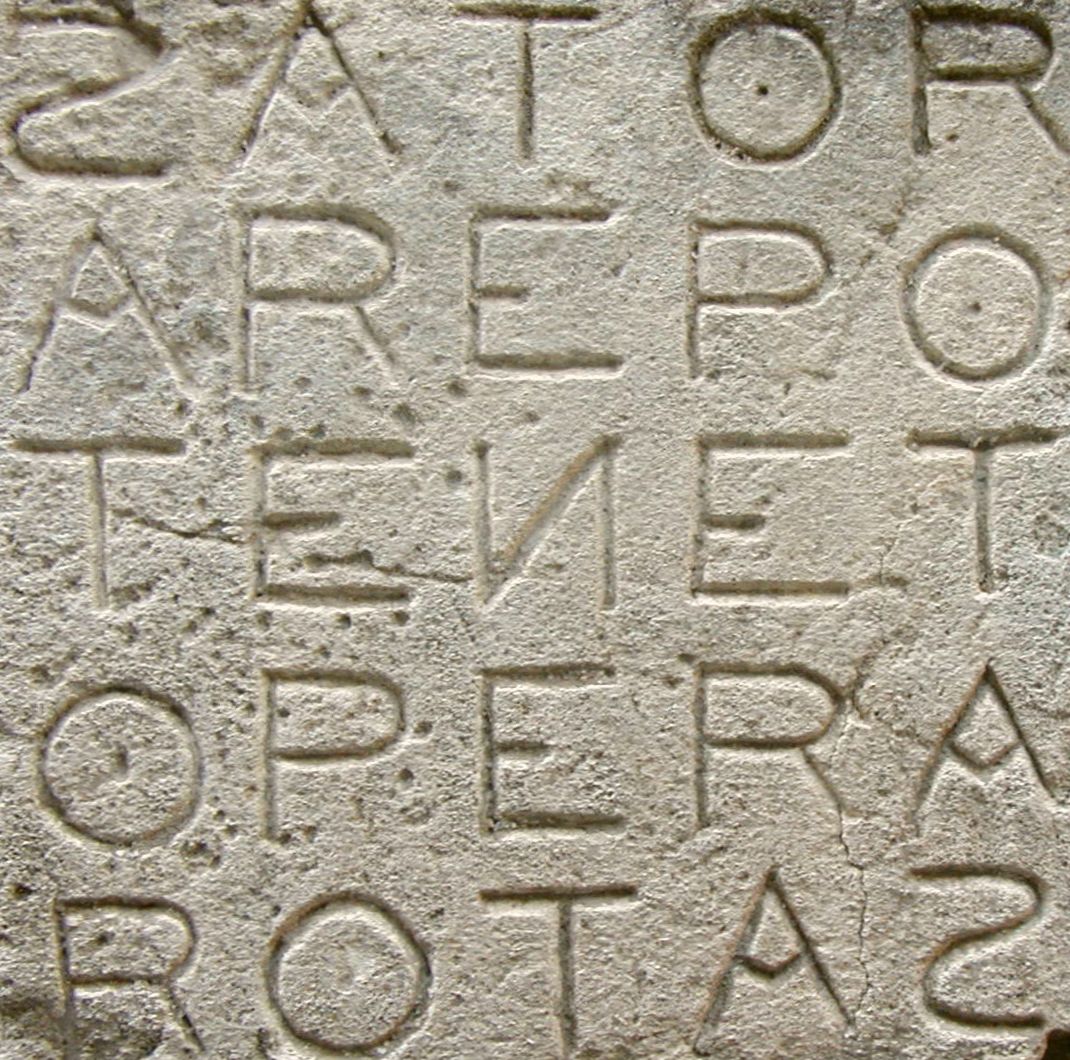 🇮🇹 Italy and 5 moreSator Square
A five-word Latin palindrome found in Roman ruins and medieval churchesCharm · Protection · Healing Historical
🇬🇧 United KingdomWitch bottle (sample)
A stoppered bottle set out against curses.Charm · Protection · Cursing and harm Historical
🇮🇹 Italy and 5 moreSator Square
A five-word Latin palindrome found in Roman ruins and medieval churchesCharm · Protection · Healing Historical
🇬🇧 United KingdomWitch bottle (sample)
A stoppered bottle set out against curses.Charm · Protection · Cursing and harm Historical
 🇮🇹 Italy and 2 moreBulla
A round Roman amulet given to freeborn boys as a mark of status and protectionCharm · Protection · Luck and prosperity Historical
🇮🇹 Italy and 2 moreBulla
A round Roman amulet given to freeborn boys as a mark of status and protectionCharm · Protection · Luck and prosperity Historical
 🇩🇪 Germany and 1 moreHercules' ClubHerkuleskeule
A club-shaped amulet worn in the Roman Empire and by Germanic peoples as a protective charm.Charm · Protection Historical
🇩🇪 Germany and 1 moreHercules' ClubHerkuleskeule
A club-shaped amulet worn in the Roman Empire and by Germanic peoples as a protective charm.Charm · Protection Historical
 🇷🇺 Russia and 5 moreAxe of Perun
Bronze axe-shaped pendants worn in honor of the Slavic god PerunCharm · Power and authority Historical
🇷🇺 Russia and 5 moreAxe of Perun
Bronze axe-shaped pendants worn in honor of the Slavic god PerunCharm · Power and authority Historical
 🇬🇧 United Kingdom and 1 moreBirthing girdle
A medieval charm worn during pregnancy to ensure a safe deliveryCharm · Protection Historical
🇬🇧 United Kingdom and 1 moreBirthing girdle
A medieval charm worn during pregnancy to ensure a safe deliveryCharm · Protection Historical
 🇸🇪 SwedenKvinneby amulet
An 11th-century Swedish copper plate with a long runic inscription seeking protectionCharm · Protection Historical
🇸🇪 SwedenKvinneby amulet
An 11th-century Swedish copper plate with a long runic inscription seeking protectionCharm · Protection Historical
 🇫🇷 FranceCurse of Vibia
A damaged Oscan lead tablet invoking underworld forces against a named man and his kinCharm · Cursing and harm Historical
🇬🇧 United KingdomFumsup
A small figurine charm believed to bring good luck, popular in the late 19th and early 20th centuries.Charm · Luck and prosperity Historical
🇫🇷 FranceCurse of Vibia
A damaged Oscan lead tablet invoking underworld forces against a named man and his kinCharm · Cursing and harm Historical
🇬🇧 United KingdomFumsup
A small figurine charm believed to bring good luck, popular in the late 19th and early 20th centuries.Charm · Luck and prosperity Historical
 🇮🇹 Italy and 1 morePalladiumΠαλλάδιον (Palladion)
A wooden statue of Athena said to protect cities, stolen from Troy and brought to Rome.Charm · Protection Historical
🇮🇹 Italy and 1 morePalladiumΠαλλάδιον (Palladion)
A wooden statue of Athena said to protect cities, stolen from Troy and brought to Rome.Charm · Protection Historical
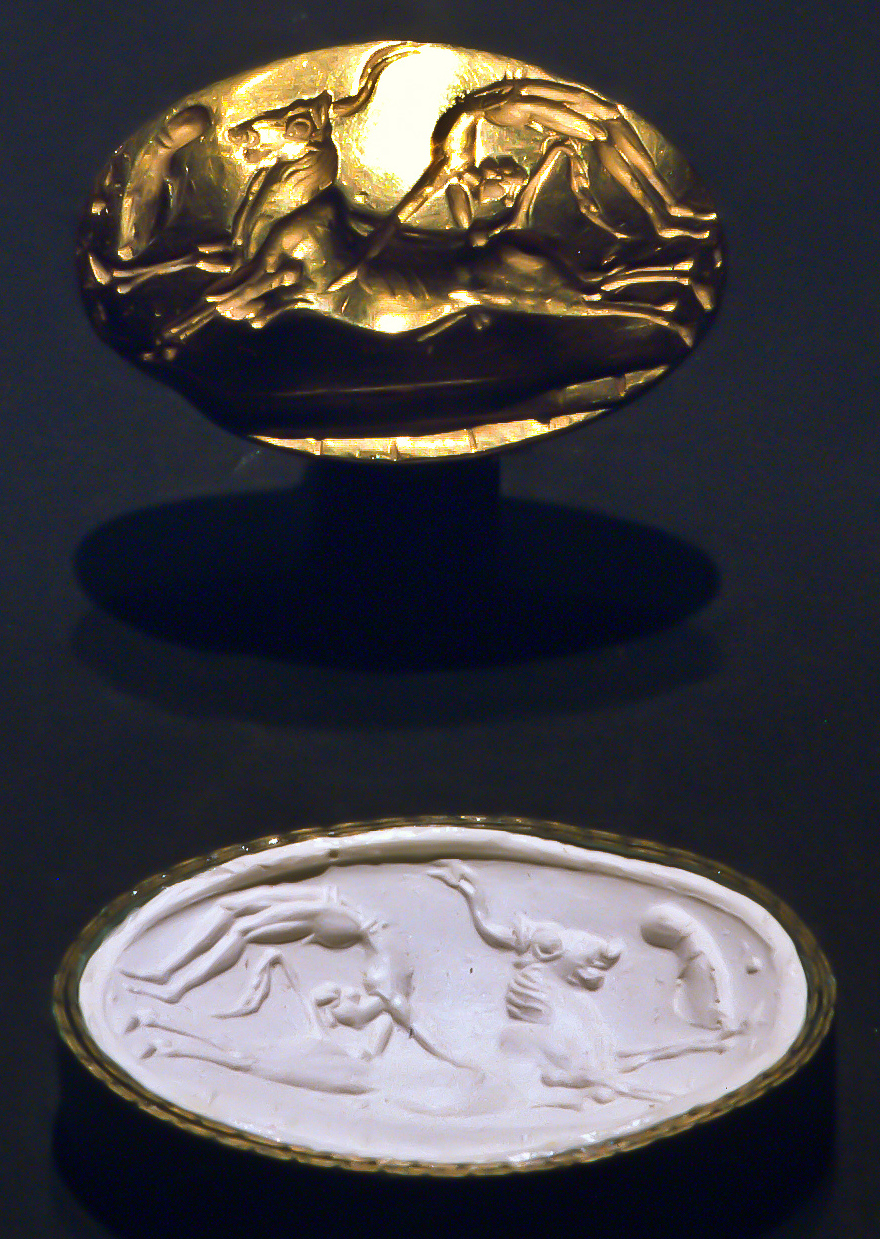 🇬🇷 GreeceMinoan sealstones
Carved gemstones and amulets from Bronze Age Crete used for identification and ritualCharm · Protection · Power and authority Historical
🇬🇷 GreeceMinoan sealstones
Carved gemstones and amulets from Bronze Age Crete used for identification and ritualCharm · Protection · Power and authority Historical
 🇬🇧 United Kingdom and 1 moreDried cat
A dried feline body hidden in walls to protect a home from harmCharm · Protection · Luck and prosperity Historical
🇫🇮 Finland and 1 moreFrog coffin
A Finnish folk magic burial of a frog in a tiny coffin to steal luck or reflect harmRite · Protection · Cursing and harm Historical
🇬🇧 United Kingdom and 1 moreDried cat
A dried feline body hidden in walls to protect a home from harmCharm · Protection · Luck and prosperity Historical
🇫🇮 Finland and 1 moreFrog coffin
A Finnish folk magic burial of a frog in a tiny coffin to steal luck or reflect harmRite · Protection · Cursing and harm Historical
 🇫🇷 France and 1 moreGargoylegargouille
A carved stone waterspout shaped like a creature, used on Gothic buildings to shed rainwaterCharm · Protection · Wonder and entertainment Historical
🇮🇹 ItalyBologna bottle
A glass vessel that withstands hammer blows but shatters from an internal scratchCharm · Wonder and entertainment Historical
🇫🇷 France and 1 moreGargoylegargouille
A carved stone waterspout shaped like a creature, used on Gothic buildings to shed rainwaterCharm · Protection · Wonder and entertainment Historical
🇮🇹 ItalyBologna bottle
A glass vessel that withstands hammer blows but shatters from an internal scratchCharm · Wonder and entertainment Historical
 🇳🇴 NorwayBergen rune charm
A four-sided wooden stick with runic verses for love and protection from medieval Norway.Charm · Love and attraction · Protection Historical
🇵🇱 Poland and 1 moreTwardowski's Mirror
A cracked Renaissance mirror linked to the legend of a magical alchemistCharm · Power and authority Historical
🇳🇴 NorwayBergen rune charm
A four-sided wooden stick with runic verses for love and protection from medieval Norway.Charm · Love and attraction · Protection Historical
🇵🇱 Poland and 1 moreTwardowski's Mirror
A cracked Renaissance mirror linked to the legend of a magical alchemistCharm · Power and authority Historical
 🇬🇧 United KingdomFairy FlagA' Bhratach Shìth
A tattered silk heirloom of Clan MacLeod, said to hold fairy magic and ancient power.Charm · Protection · Luck and prosperity Historical
🇬🇧 United KingdomFairy FlagA' Bhratach Shìth
A tattered silk heirloom of Clan MacLeod, said to hold fairy magic and ancient power.Charm · Protection · Luck and prosperity Historical
 🇮🇹 ItalyAlchemical DoorPorta Alchemica
A Roman gate covered in alchemical symbols and legends of transmutationCharm · Power and authority · Wonder and entertainment Historical
🇮🇹 ItalyAlchemical DoorPorta Alchemica
A Roman gate covered in alchemical symbols and legends of transmutationCharm · Power and authority · Wonder and entertainment Historical
 🇸🇪 SwedenSigtuna rib
A runic bone amulet from medieval Sweden bearing a spell against diseaseCharm · Healing Historical
🇬🇷 Greece and 3 morePalladium
A sacred image or object believed to guarantee the safety of a city or nationCharm · Protection Historical
🇸🇪 SwedenSigtuna rib
A runic bone amulet from medieval Sweden bearing a spell against diseaseCharm · Healing Historical
🇬🇷 Greece and 3 morePalladium
A sacred image or object believed to guarantee the safety of a city or nationCharm · Protection Historical
 🇩🇪 Germany and 5 moreYellow badgeJudenstern
A marked garment worn by Jews under laws of distinction and humiliation across centuries.Charm · Cursing and harm Historical
🇩🇪 Germany and 5 moreYellow badgeJudenstern
A marked garment worn by Jews under laws of distinction and humiliation across centuries.Charm · Cursing and harm Historical
Photo credits on this page
The small pictures above come from Wikimedia Commons under free licences. Some are cropped to fit.
- Birthing girdle: Sarah Fiddyment , Natalie J. Goodison , Elma Brenner , Stefania Signor, CC BY 4.0, source
- Curse of Vibia: Franz Bücheler, Public domain, source
- Bulla: Anonymous ( Category:Etruscans ) Unknown author, Public domain, source
- Amniomancy: JC Brand, CC BY-SA 4.0, source
- Kvinneby amulet: Ulrik Skans SHMM, CC BY-SA 2.5, source
- Lia Fáil: August Schwerdfeger, CC BY 4.0, source
- Hercules' Club: Wolfgang Sauber, CC BY-SA 4.0, source
- Unicorn horn: Unknown author, CC BY 4.0, source
- Witch ball: John W. Schulze, CC BY 2.0, source
- Sator Square: M Disdero, CC BY-SA 3.0, source
- Omphalos: Unknown author, Public domain, source
- Adder stone: Ansgar Koreng, CC BY-SA 3.0 de, source
- Palladium: Marie-Lan Nguyen ( Jastrow ), Public domain, source
- Jet: Thmsfrst, Public domain, source
- Concealed shoes: Edmund Patrick, CC BY-SA 3.0, source
- Alchemical Door: Sailko, CC BY 2.5, source
- Gargoyle: Bernard Gagnon, CC BY-SA 4.0, source
- Minoan sealstones: Andree Stephan, CC BY 3.0, source
- Witch bottle: British Museum, Daniel Pett, 2004-10-25 15:27:22, CC BY-SA 2.0, source
- Dried cat: The Voice of Hassocks, CC0, source
- Curse tablet: Unknown artist, Public domain, source
- Icelandic magical staves: Unknown author, Public domain, source
- Bergen rune charm: Bengt A. Lundberg, CC BY 2.5, source
- Fairy Flag: Otter, CC BY-SA 3.0, source
- Axe of Perun: VoivodeZmey, Public domain, source
- Sigtuna rib: Swedish National Heritage Board, CC BY 4.0, source
- Silver bullet: Smithsonian Institution, CC0, source
- Yellow badge: Edited version of original photo by Rama, CC BY-SA 3.0, source