Beliefs, omens and superstitions
Luck and unluck, the evil eye, knocking on wood and the small customs people keep without asking why.
Beliefs, omens and superstitions are the small customs people keep without asking why: knocking on wood, salt over the shoulder, avoiding the number thirteen, the evil eye, a black cat crossing the road, a first visitor of the new year. They are found on every continent and are rarely tied to a priest or book. This page looks at where they come from, what the word superstition hides, and why they persist.
What they look like
Beliefs differ by place. The number four is avoided in China, Japan and Korea because it sounds like the word for death, while thirteen is avoided in much of the West. In India, a sneeze before leaving home may delay a journey, and a lemon and chillies are hung over a shop. The evil eye is feared under many names: nazar, mal de ojo, ayin hara. First-footing at new year in Scotland is said to bring luck to a house.
Whose word is superstition
The word superstition has a history. Roman writers used it for religion they disliked, and Christian writers for forbidden practice. Today it often means someone else's belief. Many religions regard some of their own customs as faith and others as superstition, and where the line falls depends on the speaker. Using the word can mark a speaker as modern and a neighbour as backward. Tests of common superstitions show that people who hold them are not less educated or less rational than others, and many hold them lightly.
Why people keep them
Psychologists find that superstition rises with uncertainty and stakes, which is why athletes, sailors, students and gamblers are known for them. Anthropologist Bronislaw Malinowski observed in the 1920s that Trobriand fishermen used rites in dangerous deep-sea fishing and not in safe lagoon fishing. Most people who follow small customs say they do so partly in jest and partly just in case. Similar customs turn up in places that have never met each other, which suggests that people everywhere respond to risk in similar ways.
When belief causes harm
Most superstitions are harmless. Some are not: beliefs about witchcraft have led to killings in parts of Africa, India and Papua New Guinea, and beliefs about albinism have led to attacks in Tanzania and Malawi. Others cost people money, as when a fee is demanded to lift a bad omen. Education, law and trusted community leaders have all been part of reducing harm. Campaigns by health workers, teachers and community radio have been effective where they listen first and explain later.
Belief on EveryJaadu
The entries written up so far, best known first.
 🇮🇱 Israel and 1 moreMicah's Idol
A carved image and silver idol from the Book of Judges, stolen by the Tribe of Dan.Belief · Power and authority Historical
🇮🇷 Iran and 1 moreChinvat Bridge𐬗𐬌𐬥𐬬𐬀𐬙𐬋 𐬞𐬈𐬭𐬈𐬙𐬏𐬨 (Cinvatô Peretûm)
A Zoroastrian crossing every soul must meet, wide or narrow by its deedsBelief · Speaking with spirits and the dead Legendary
 🇮🇳 IndiaShamanism in Ayyavazhi
A divination practice within the Hindu denomination of Ayyavazhi in South India.Rite · Seeing and foretelling · Speaking with spirits and the dead Living
 🇩🇪 Germany and 3 moreDrude
A Germanic nightmare spirit and the pentagram charm used to keep it outBeing · Cursing and harm · Protection Historical
🇬🇧 United KingdomScottish pork taboo
A historical aversion to eating pork in Scotland, debated as superstition or economic necessityBelief Historical
🇬🇳 Guinea and 2 moreTaboo on rulers
Restrictions placed on kings and priests to manage fear and hostilityBelief · Protection Historical
🇮🇶 IraqHufaidhحفيظ
A legendary island said to dwell in the southern Iraqi marshesBelief · Wonder and entertainment Historical
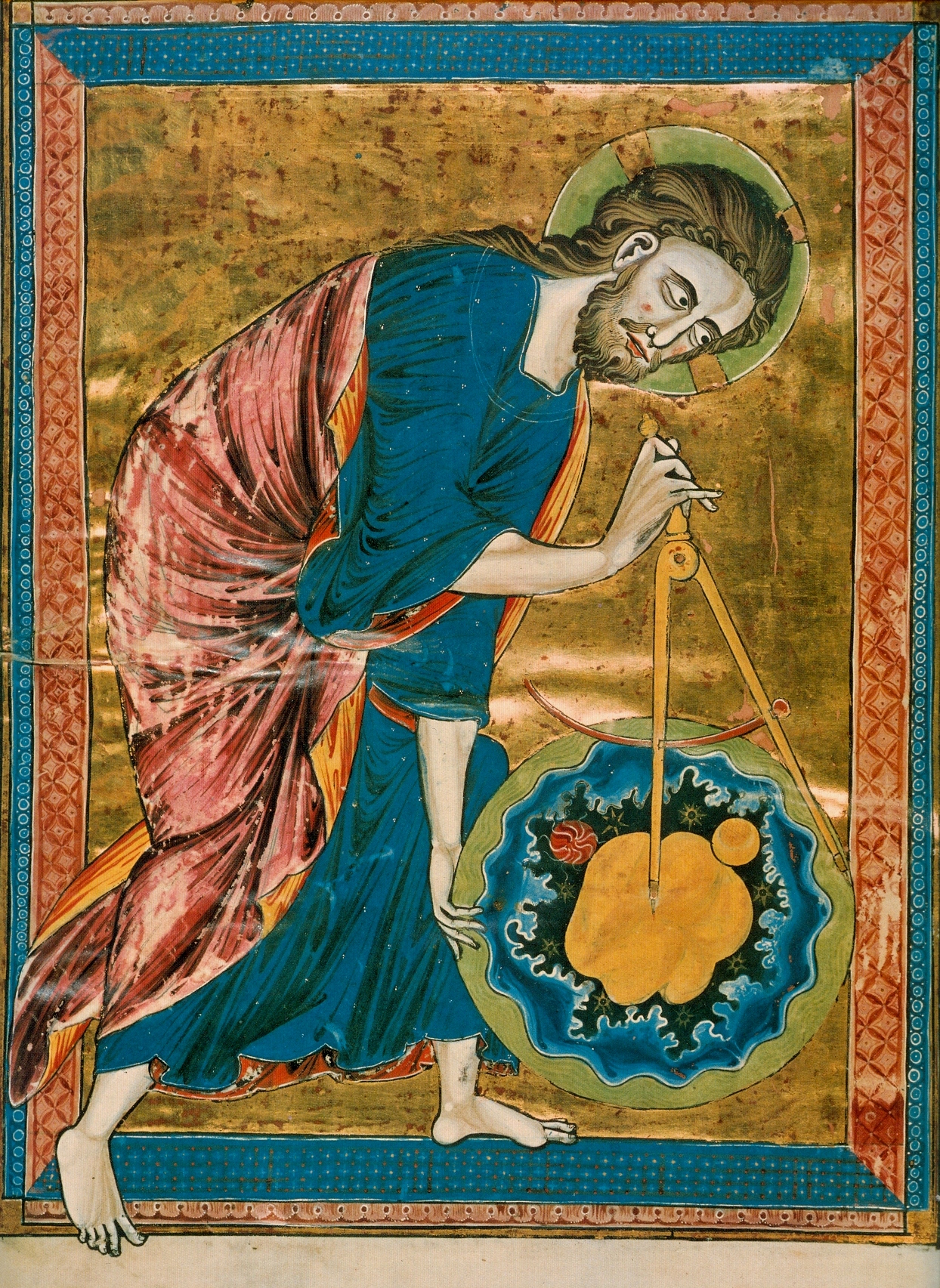 🇬🇷 GreeceAstrology and astronomy
Two disciplines that shared a history before splitting into science and divinationTradition · Seeing and foretelling · Power and authority Historical
 🇲🇬 MadagascarFady
Malagasy cultural taboos regulating daily life and ancestor relationsBelief · Protection · Speaking with spirits and the dead Living
🇫🇷 FranceAix-en-Provence possessions
17th-century French convent cases of alleged demonic possessionBelief · Cursing and harm Historical
🇨🇳 ChinaMien shiang面相
A Chinese practice of reading character and fate through facial featuresBelief · Seeing and foretelling · Healing Historical
🇩🇪 GermanySuhl card reader case
A 1956 East German trial of a psychic for favorable forecasts about leaving the countryBelief · Seeing and foretelling · Luck and prosperity Historical
 🇮🇸 IcelandGrásteinn
A lodestone in Iceland linked to elf habitation and safe passageBeing · Luck and prosperity · Speaking with spirits and the dead Living
 🇮🇱 Israel and 1 moreUnclean spiritπνεῦμα ἀκάθαρτον (pneuma akatharton)
A spirit of impurity in biblical belief, driven out by breath, smoke and wordsBeing · Cleansing and purification · Cursing and harm Living
🇰🇪 KenyaUfufunyane
A culture-bound illness the Zulu and Xhosa read as a curse, a lover's potion or a demonBelief · Cursing and harm Living
 🇬🇷 GreeceNympholepsy
An ancient Greek belief in being possessed by nymphs, later redefined as a wild passion.Belief · Speaking with spirits and the dead Historical
 🇩🇪 Germany and 1 moreReligious aspects of Nazism
The study of how Nazi ideology borrowed religious forms and esoteric beliefs to build a political movement.Tradition · Power and authority · Cursing and harm Historical
 🇮🇳 India and 2 moreEndless knotདཔལ་བེའུ།
A knotted sign of good fortune in Buddhist, Hindu and Jain artCharm · Luck and prosperity Living
 🇱🇹 Lithuania and 1 moreAitvaras
A rooster-shaped house spirit from Lithuanian lore that brings stolen wealth and strife.Being · Luck and prosperity Legendary
 🇨🇦 CanadaMuthkweyməθkʷəy̓
A sacred Musqueam plant of uncertain identity, said to sprout from a serpentSubstance Legendary
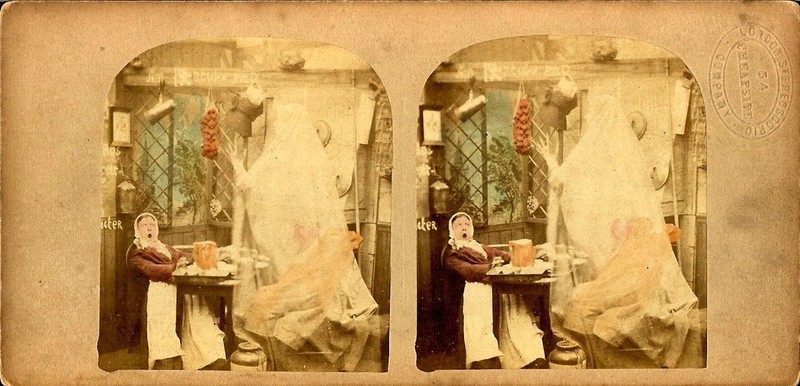 🇺🇸 United StatesSpirit photography
Photographs made or taken to show the dead, from studio sittings to haunted housesTradition · Speaking with spirits and the dead Living
🇺🇸 United StatesNight Doctors
African American folklore about doctors who stole or killed black bodies for medical studyBelief · Cursing and harm Historical
 🇺🇸 United States and 4 moreHaunted house
A house said to hold the spirits of its dead, and how the scares are investigatedBelief · Speaking with spirits and the dead · Wonder and entertainment Living
🇯🇵 JapanKuchisake-onna口裂け女
A masked Japanese spirit said to ask strangers if she is beautifulBeing · Cursing and harm Legendary
🇬🇧 United KingdomThe Cheltenham Ghost
A late nineteenth century English haunting investigated by the Society for Psychical ResearchBelief Historical
🇯🇵 JapanAzukiarai小豆洗い
A Japanese water yōkai heard washing beans, said to pull the curious into the waterBeing · Cursing and harm Legendary
 🇮🇱 Israel and 1 moreSerpent seed
A fringe belief that Cain was the offspring of Eve and the Serpent, creating two distinct human lineages.Belief · Cursing and harm Historical
 🇺🇸 United StatesMartian Monkey
A 1953 Atlanta hoax involving a tailless monkey dressed as an alienBelief · Wonder and entertainment Historical
 🇯🇵 JapanMononoke物の怪
A Japanese term for spirits believed to cause illness and misfortune through possession or curses.Being · Cursing and harm · Healing Historical
 🇯🇵 JapanMomiji Legend紅葉伝説
A Japanese tale of a demoness defeated by a warrior on Mount TogakushiFigure · Cursing and harm · Protection Historical
🇺🇸 United States2019 Louisiana black church fires
A series of arson attacks on three historic African-American churches in St. Landry Parish.Belief · Cursing and harm Historical
 🇩🇪 GermanyFeuermann
A large, fiery German ghost believed to be the wandering soul of a sinnerBeing · Speaking with spirits and the dead · Cursing and harm Legendary
 🇵🇭 PhilippinesLimokon
An omen bird of Philippine mythology that guides travelers and warriors through its calls.Belief · Seeing and foretelling Historical
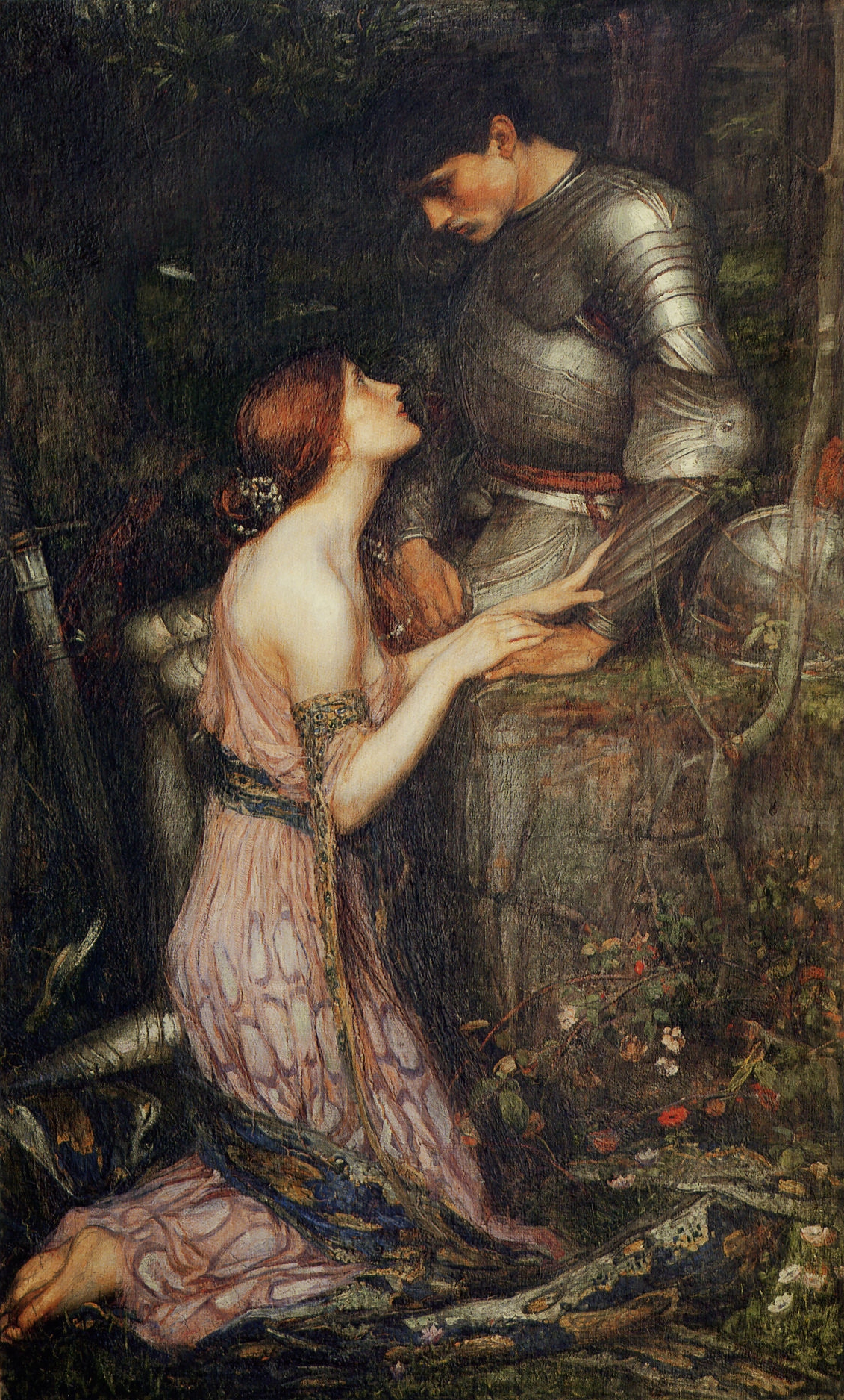 🇱🇾 Libya and 2 moreLamiaΛάμια
A child-snatching monster and night phantom from ancient Greek mythBeing · Cursing and harm · Seeing and foretelling Legendary
🇻🇳 VietnamVietnamese ghostsHồn ma
Wandering spirits in Vietnam, and the rites held to feed or calm themBeing · Protection · Speaking with spirits and the dead Living
 🇺🇸 United StatesJoint snake
A legendary American serpent said to shatter into pieces and assemble itself againBeing Legendary
🇺🇸 United StatesPalatine Light
A spectral ship sighted near Block Island, rooted in an 18th-century tragedy.Belief · Wonder and entertainment Living
Photo credits on this page
The small pictures above come from Wikimedia Commons under free licences. Some are cropped to fit.
- Serpent seed: David Roberts, CC BY-SA 3.0, source
- Aitvaras: APN-PL, CC BY-SA 3.0, source
- Nympholepsy: Jebulon, CC0, source
- Shamanism in Ayyavazhi: Vaikunda Raja, CC BY-SA 3.0, source
- Philippine mythology: The original uploader was Rodsan18 at English Wikipedia . ( Original t, CC BY 2.5, source
- Lamia: John William Waterhouse, Public domain, source
- Joint snake: Benjamin Franklin, Public domain, source
- Feuermann: Rolf Erik von Hoerschelmann (1885 - 1947), CC0, source
- Micah's Idol: Avner, CC BY-SA 4.0, source
- Drude: Ramessos, Public domain, source
- Astrology and astronomy: anonymous, Public domain, source
- Fady: Robin Taylor, CC BY 2.0, source
- Grásteinn: Ásgeir Helgason, Attribution, source
- Unclean spirit: David Shankbone, CC BY-SA 3.0, source
- Religious aspects of Nazism: Unknown author, CC BY-SA 3.0 de, source
- Endless knot: Unknown author, CC BY 4.0, source
- Muthkwey: elayc, CC BY 4.0, source
- Spirit photography: Лондонская Стереоскопическая Компания, 1850-е годы, Public domain, source
- Haunted house: John Anster Fitzgerald, Public domain, source
- Martian Monkey: Tim Farley, CC BY-SA 4.0, source
- Mononoke: Unknown author, Public domain, source
- Momiji Legend: Tengoro, CC BY-SA 3.0, source