
Serpent seed
A fringe belief that Cain was the offspring of Eve and the Serpent, creating two distinct human lineages.
The serpent seed is a controversial religious belief found in some fringe Christian and Abrahamic movements. It interprets the biblical fall of man to mean that the Serpent mated with Eve, producing Cain as the ancestor of a wicked race destined for damnation.
- Daniel Parker published Views on the Two Seeds in 1826.
- Irenaeus condemned early serpent seed ideas as Gnostic heresy.
- Christian Identity groups use the doctrine to promote white supremacy.
- The Unification Church teaches a variation involving Holy Marriage Blessing.
- Mainstream Christianity rejects the doctrine as incompatible with Genesis.
What it is
The serpent seed doctrine is a theological concept within certain fringe Abrahamic groups. It reinterprets the Genesis account of the Garden of Eden. The belief holds that the Serpent had sexual relations with Eve. Their union produced Cain, the first murderer. This event created a second human lineage alongside Adam's descendants. The Serpent's offspring are viewed as inherently wicked and destined for eternal damnation. In contrast, Adam's children are seen as righteous and destined for eternal life. Human history is framed as a cosmic conflict between these two races. Adherents believe the lineage of Adam will ultimately triumph over the Serpent's line.
Where it comes from
Early traces appear in Gnostic texts from the second century. Valentinus taught that Eve mated with a serpent-like aeon named Sophia to produce Cain. Irenaeus condemned this view as heresy in Against Heresies around 180 CE. Medieval Jewish literature also explored similar ideas. The eighth-century Pirkei De-Rabbi Eliezer suggested Cain resulted from Eve's union with the serpent. The full modern doctrine emerged in the nineteenth century. Daniel Parker promoted it among Primitive Baptists. He published Views on the Two Seeds in 1826. Later, British Israelism and Christian Identity theology adopted and expanded the teaching.
Serpent seed, drawn and placed
- Living
- Revived
- Fading
- Historical
- Legendary
- Performed
- Lineage
- Abrahamic religious movements
What it is for
The doctrine serves to explain the origin of evil and racial division. It frames human existence as a struggle between pure and impure bloodlines. Some groups use it to justify hatred against specific populations. They claim Jews or non-white races descend from the Serpent. This belief fosters division and fuels racism. Mainstream Christian apologists argue it leads to sin by dehumanizing others. It contradicts traditional views of original sin as a universal spiritual condition rather than a genetic trait.
Peoples and places
The belief spread through various American religious leaders. C. A. L. Totten and Russel Kelso Carter introduced it to British Israelism. Christian Identity teachers promoted it within white supremacist organizations like the Ku Klux Klan and Aryan Nations. William Branham and Wesley Swift spread versions among their followers. Sun Myung Moon incorporated elements into Unification Church teachings. Millions adhere to these doctrines globally. Groups vary in how they identify the Serpent's descendants. Some point to northern Europeans, while others target Jews or Africans.
At a glance: who, where and when
Who does it
Peoples
Belief worlds
What people believe
Adherents view the world through a dualistic lens. They believe two distinct races exist due to ancient mating events. The identity of the Serpent varies. Some see him as Satan, while others view him as a pre-Adamite creature. The doctrine asserts that the Serpent's descendants lack souls. They are considered irredeemable and predestined for hell. Conversely, Adam's lineage possesses inherent righteousness. This belief undermines the Christian concept of universal redemption through faith. It suggests salvation is based on ancestry rather than spiritual conversion.
How scholars and sceptics see it
Scholars and mainstream Christian groups reject the doctrine. Apologetics organizations denounce it as incompatible with traditional Christianity. They cite Genesis 4:1, which names Adam as Cain's father. Critics argue the teaching foments racial hatred and division. It is often linked to radical hate groups and neo-Nazis. The Anti-Defamation League accuses promoters of exacerbating social tensions. Scholars trace its roots to Gnostic heresies and medieval Jewish midrash. They note its invention in the nineteenth century by Daniel Parker. Modern analysis highlights its role in justifying white supremacy and antisemitism.
Cautions and what is closed
The doctrine has been used to justify severe harm. It underpins the ideologies of white supremacist groups. These groups have engaged in violence and discrimination. The belief dehumanizes targeted populations, labeling them as satanic. This rhetoric facilitates racism and antisemitism. Mainstream religious bodies warn that such teachings lead to sin and social unrest. The doctrine is widely condemned for its potential to incite hatred and violence against minorities.
Compare and confuse
The serpent seed doctrine shares themes with Gnostic beliefs about divine sparks and corrupt matter. It resembles dualistic cosmologies found in Manichaeism. However, it uniquely focuses on racial lineage and biblical literalism. It differs from mainstream Christian theology, which emphasizes universal sin and grace. The doctrine is also distinct from medieval monster lore, though both link Cain to monstrous ancestry.
Today
The belief persists in fringe religious and extremist circles. It remains influential within Christian Identity and Branhamist communities. The Unification Church continues to teach modified versions. White supremacist groups still utilize the doctrine to justify their ideologies. Mainstream religious organizations actively oppose it. They work to counter its spread through education and apologetics. The doctrine remains a controversial topic in discussions of religious extremism and racial theory.
Questions people ask about Serpent seed
What is the serpent seed doctrine?
It is a fringe belief that the Serpent mated with Eve to produce Cain. This created a wicked lineage destined for damnation, separate from Adam's righteous descendants.
Where did the serpent seed belief originate?
Early forms appeared in Gnostic texts and medieval Jewish literature. The full doctrine was invented in the nineteenth century by Daniel Parker among Primitive Baptists.
Who promotes the serpent seed doctrine today?
It is held by some Christian Identity adherents, Branhamists, and Unification Church members. It is also used by white supremacist and antisemitic groups.
How does mainstream Christianity view this belief?
Mainstream Christians reject it as heretical. They argue it contradicts Genesis, which names Adam as Cain's father, and promotes harmful racial divisions.
Good reading and sources
The facts on this page come from the Wikipedia article "Serpent seed", written by its contributors and used under the CC BY-SA 4.0 licence, and from its Wikidata record (CC0). EveryJaadu rewrote the text in its own words, with AI assistance, and compares every page with the article to make sure no passage is copied. It may be reused under the same CC BY-SA 4.0 licence with a link back.
It may contain mistakes. Names and customs differ from one community to the next, and some knowledge is closed to outsiders and left out here. This page describes belief and practice. It does not say that any of it works, it is not a how-to, and it is not medical advice. If something is wrong, tell us. Last refreshed 2026-10-09.
More from Israel
All the entries from Israel 🇮🇱 IsraelNumber of the beastἈριθμὸς τοῦ θηρίου
A biblical number linked to a prophetic figure and interpreted through ancient letter values.Belief · Cursing and harm Historical
🇮🇱 IsraelNumber of the beastἈριθμὸς τοῦ θηρίου
A biblical number linked to a prophetic figure and interpreted through ancient letter values.Belief · Cursing and harm Historical
 🇮🇱 Israel and 5 moreTetragrammatonיהוה
The four-letter name of God in the Hebrew Bible, written as YHWH.Belief · Speaking with spirits and the dead Living
🇮🇱 Israel and 5 moreTetragrammatonיהוה
The four-letter name of God in the Hebrew Bible, written as YHWH.Belief · Speaking with spirits and the dead Living
 🇸🇾 Syria and 5 moreBaetyl
A sacred stone, often a meteorite, believed to house a deity in ancient Near Eastern and Mediterranean traditions.Charm · Power and authority · Speaking with spirits and the dead Historical
🇮🇱 Israel and 2 moreBelialבְּלִיַּעַל
A Hebrew term for worthlessness that evolved into a demon of darkness in Jewish and Christian texts.Being · Cursing and harm Historical
🇸🇾 Syria and 5 moreBaetyl
A sacred stone, often a meteorite, believed to house a deity in ancient Near Eastern and Mediterranean traditions.Charm · Power and authority · Speaking with spirits and the dead Historical
🇮🇱 Israel and 2 moreBelialבְּלִיַּעַל
A Hebrew term for worthlessness that evolved into a demon of darkness in Jewish and Christian texts.Being · Cursing and harm Historical
Related elsewhere
All belief 🇷🇸 Serbia and 5 moreVampire
An undead creature from folklore that feeds on the blood or life force of the livingBeing · Cursing and harm · Luck and prosperity Legendary
🇷🇸 Serbia and 5 moreVampire
An undead creature from folklore that feeds on the blood or life force of the livingBeing · Cursing and harm · Luck and prosperity Legendary
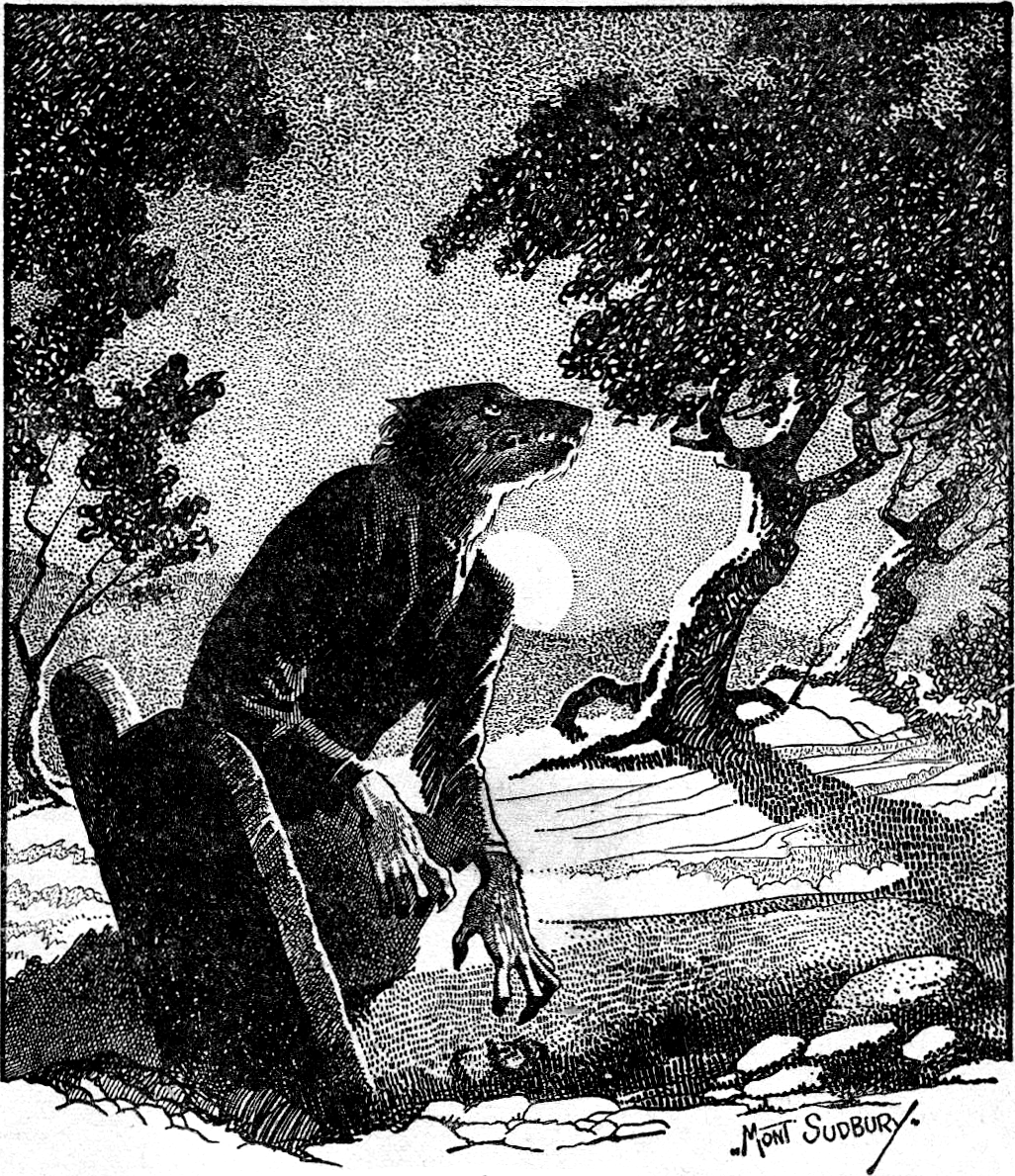 🇫🇷 France and 5 moreWerewolf
A mythical shapeshifter that turns into a wolf, central to European witch-hunts and Gothic horror.Being · Cursing and harm · Wonder and entertainment Legendary
🇫🇷 France and 5 moreWerewolf
A mythical shapeshifter that turns into a wolf, central to European witch-hunts and Gothic horror.Being · Cursing and harm · Wonder and entertainment Legendary
 🇪🇬 Egypt and 1 moreLilithלִילִית
A feminine figure from Mesopotamian and Jewish mythology, often depicted as a night demon or spirit.Being · Cursing and harm Legendary
🇪🇬 Egypt and 1 moreLilithלִילִית
A feminine figure from Mesopotamian and Jewish mythology, often depicted as a night demon or spirit.Being · Cursing and harm Legendary
 🇪🇬 EgyptCurse
A spoken wish for misfortune to befall a person or placeBelief · Cursing and harm · Luck and prosperity Historical
🇪🇬 EgyptCurse
A spoken wish for misfortune to befall a person or placeBelief · Cursing and harm · Luck and prosperity Historical