Beliefs, omens and superstitions
Luck and unluck, the evil eye, knocking on wood and the small customs people keep without asking why.
Beliefs, omens and superstitions are the small customs people keep without asking why: knocking on wood, salt over the shoulder, avoiding the number thirteen, the evil eye, a black cat crossing the road, a first visitor of the new year. They are found on every continent and are rarely tied to a priest or book. This page looks at where they come from, what the word superstition hides, and why they persist.
What they look like
Beliefs differ by place. The number four is avoided in China, Japan and Korea because it sounds like the word for death, while thirteen is avoided in much of the West. In India, a sneeze before leaving home may delay a journey, and a lemon and chillies are hung over a shop. The evil eye is feared under many names: nazar, mal de ojo, ayin hara. First-footing at new year in Scotland is said to bring luck to a house.
Whose word is superstition
The word superstition has a history. Roman writers used it for religion they disliked, and Christian writers for forbidden practice. Today it often means someone else's belief. Many religions regard some of their own customs as faith and others as superstition, and where the line falls depends on the speaker. Using the word can mark a speaker as modern and a neighbour as backward. Tests of common superstitions show that people who hold them are not less educated or less rational than others, and many hold them lightly.
Why people keep them
Psychologists find that superstition rises with uncertainty and stakes, which is why athletes, sailors, students and gamblers are known for them. Anthropologist Bronislaw Malinowski observed in the 1920s that Trobriand fishermen used rites in dangerous deep-sea fishing and not in safe lagoon fishing. Most people who follow small customs say they do so partly in jest and partly just in case. Similar customs turn up in places that have never met each other, which suggests that people everywhere respond to risk in similar ways.
When belief causes harm
Most superstitions are harmless. Some are not: beliefs about witchcraft have led to killings in parts of Africa, India and Papua New Guinea, and beliefs about albinism have led to attacks in Tanzania and Malawi. Others cost people money, as when a fee is demanded to lift a bad omen. Education, law and trusted community leaders have all been part of reducing harm. Campaigns by health workers, teachers and community radio have been effective where they listen first and explain later.
Belief on EveryJaadu
The entries written up so far, best known first.
 🇮🇳 India and 1 moreMantraमन्त्रम्
A sacred sound or phrase repeated to focus the mind and invoke spiritual powerText · Speaking with spirits and the dead · Power and authority Living
 🇱🇻 Latvia and 1 moreLatvian mythology
A collection of myths about gods, spirits, and the afterlife from the Baltic region.Tradition · Speaking with spirits and the dead · Power and authority Living
 🇮🇪 Ireland and 5 moreFairy ring
A natural ring of mushrooms surrounded by folklore about dancing spirits and witches.Belief · Wonder and entertainment Living
 🇪🇸 SpainFolklore of Spain
The oral traditions, legends, and folktales of the Iberian PeninsulaTradition · Wonder and entertainment Living
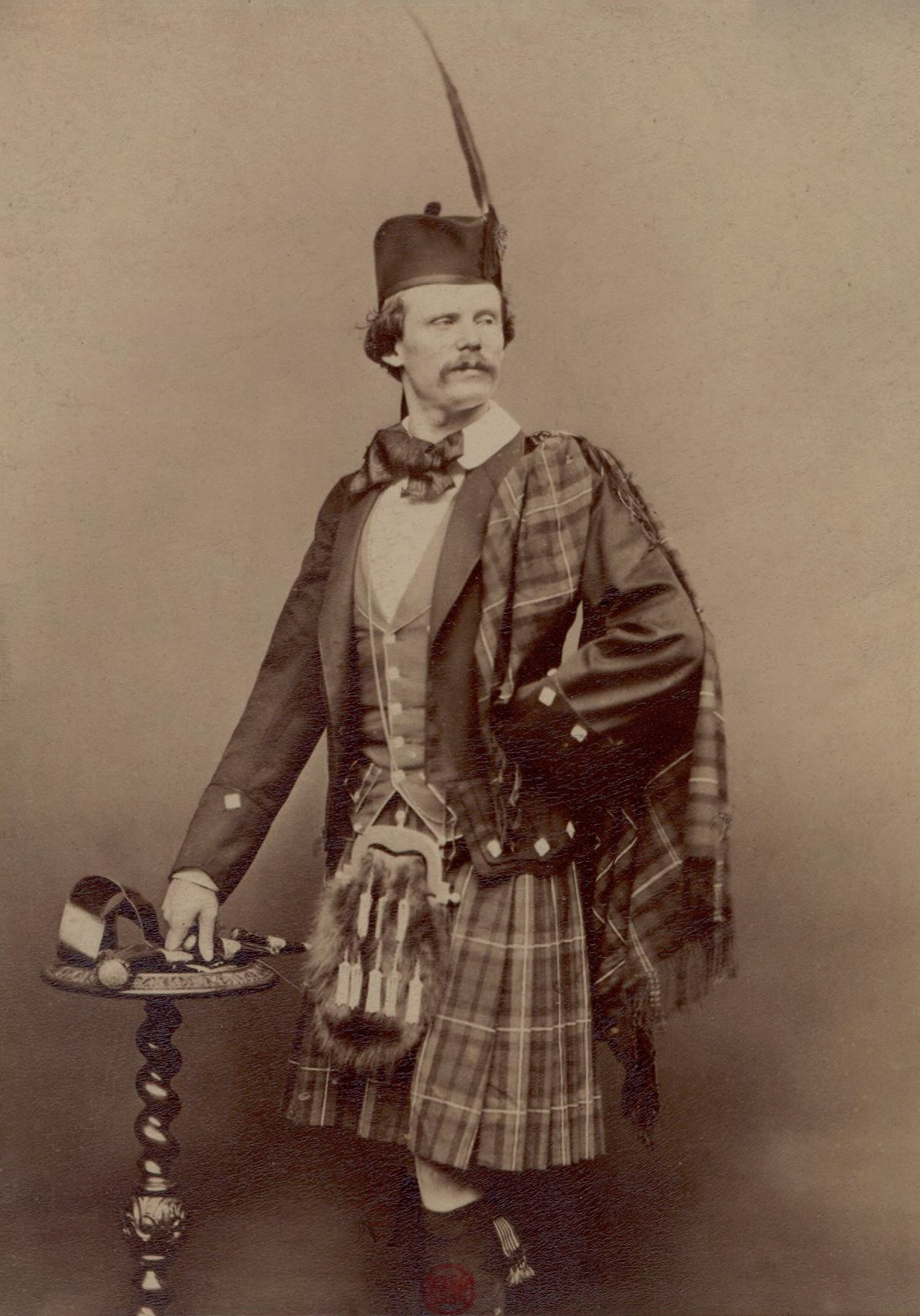 🇬🇧 United Kingdom and 2 moreDaniel Dunglas Home
A Scottish physical medium known for levitation and spirit communication during the Victorian era.Belief · Speaking with spirits and the dead · Wonder and entertainment Historical
🇰🇮 Kiribati and 4 moreMicronesian mythology
The traditional belief systems and legends of the island peoples in the southwest Pacific.Belief · Wonder and entertainment Historical
 🇨🇴 ColombiaColombian folklore
Beliefs and legends passed down through generations in ColombiaTradition · Wonder and entertainment Living
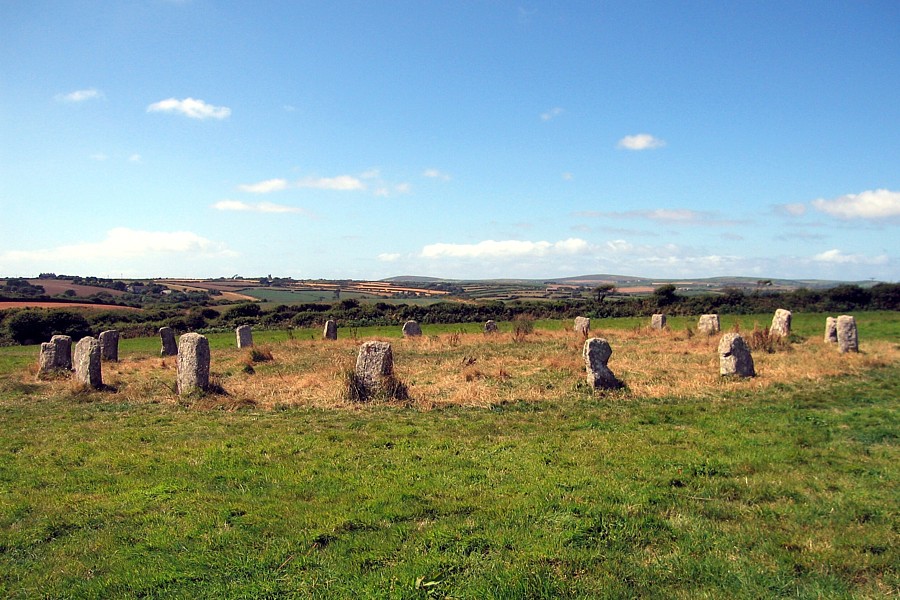 🇬🇧 United KingdomCornish mythology
The folk tales and legends of Cornwall, shared with Brittany and Wales.Tradition · Wonder and entertainment Historical
 🇨🇦 CanadaSpoon bending
A magic trick and paranormal claim involving the deformation of metal cutleryBelief · Wonder and entertainment · Power and authority Historical
 🇧🇷 BrazilThe Hairy LegPerna cabeluda
A Brazilian urban legend of a detached leg that attacks people at nightFigure · Cursing and harm · Wonder and entertainment Historical
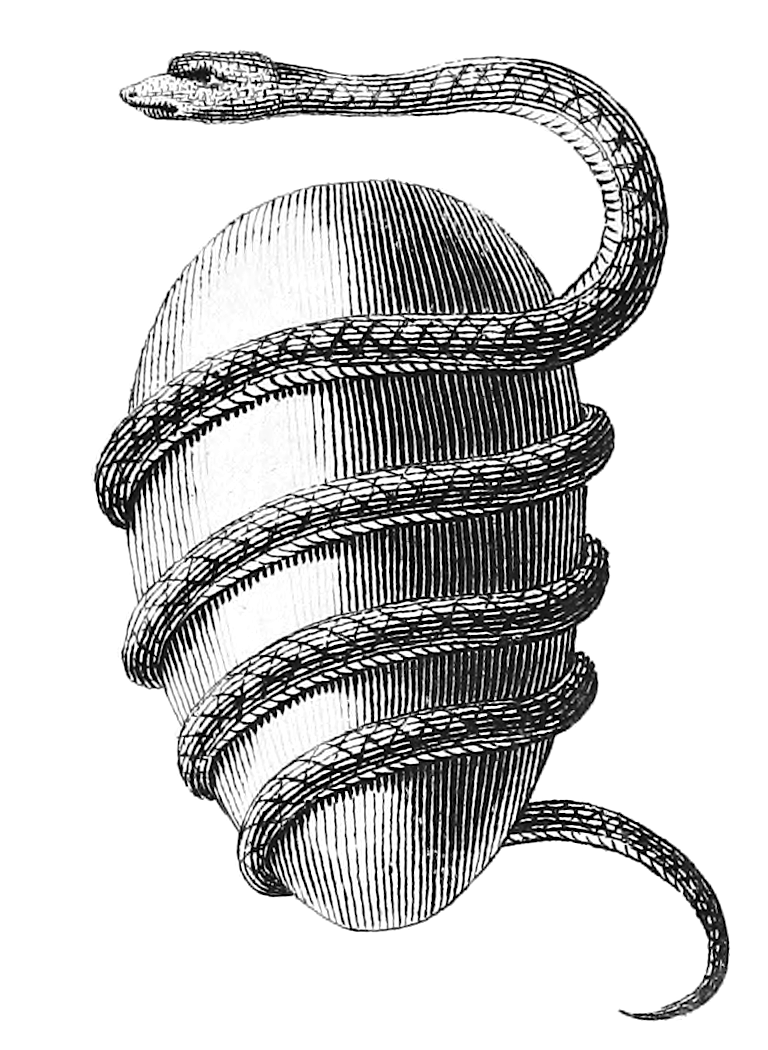 🇧🇫 Burkina Faso and 5 moreCosmic egg
A mythological motif where the universe or a creator emerges from a primordial egg.Belief · Wonder and entertainment Historical
 🇯🇵 JapanAosaginohi青鷺火
A Japanese will-o'-the-wisp attributed to the glowing flight of herons at nightBelief · Wonder and entertainment Historical
 🇮🇹 ItalyScrofa semilanuta
A legendary sow seen in a dream that became the ancient emblem of Milan.Figure · Wonder and entertainment · Seeing and foretelling Historical
 🇮🇪 IrelandJack O'The Lantern
An Irish folktale about a deceitful man condemned to wander with a carved lanternFigure · Wonder and entertainment Historical
 🇺🇸 United States and 5 moreHaunted doll
A doll claimed to be haunted or possessed, often linked to film and urban legend.Belief · Wonder and entertainment Living
 🇮🇱 IsraelSeder hishtalshelusסדר השתלשלות
A Kabbalistic cosmology mapping the descent of divine light through spiritual realms to the physical world.Belief · Power and authority · Wonder and entertainment Living
 🇬🇷 Greece and 2 moreClassical elements
Ancient theories that explain all matter as combinations of earth, water, fire, air, and aetherBelief · Wonder and entertainment Historical
 🇮🇳 India and 1 moreFire (classical element)
A classical substance of heat and transformation in Greek, Indian, and Western esoteric traditionsSubstance · Change and initiation · Power and authority Historical
🇨🇳 ChinaChinese creation myths
A collection of ancient Chinese stories explaining how the universe and humanity beganBelief · Wonder and entertainment Historical
 🇩🇿 AlgeriaTassili Mushroom Figure
Neolithic cave art in Algeria interpreted by some as depicting psychedelic mushroom use.Belief · Speaking with spirits and the dead · Wonder and entertainment Historical
 🇸🇨 Seychelles and 2 moreLegends of the Coco de Mer
Myths surrounding a rare palm nut shaped like human body partsBelief · Wonder and entertainment Historical
 🇺🇸 United States and 4 moreHaunted house
A house said to hold the spirits of its dead, and how the scares are investigatedBelief · Speaking with spirits and the dead · Wonder and entertainment Living
 🇺🇸 United StatesMartian Monkey
A 1953 Atlanta hoax involving a tailless monkey dressed as an alienBelief · Wonder and entertainment Historical
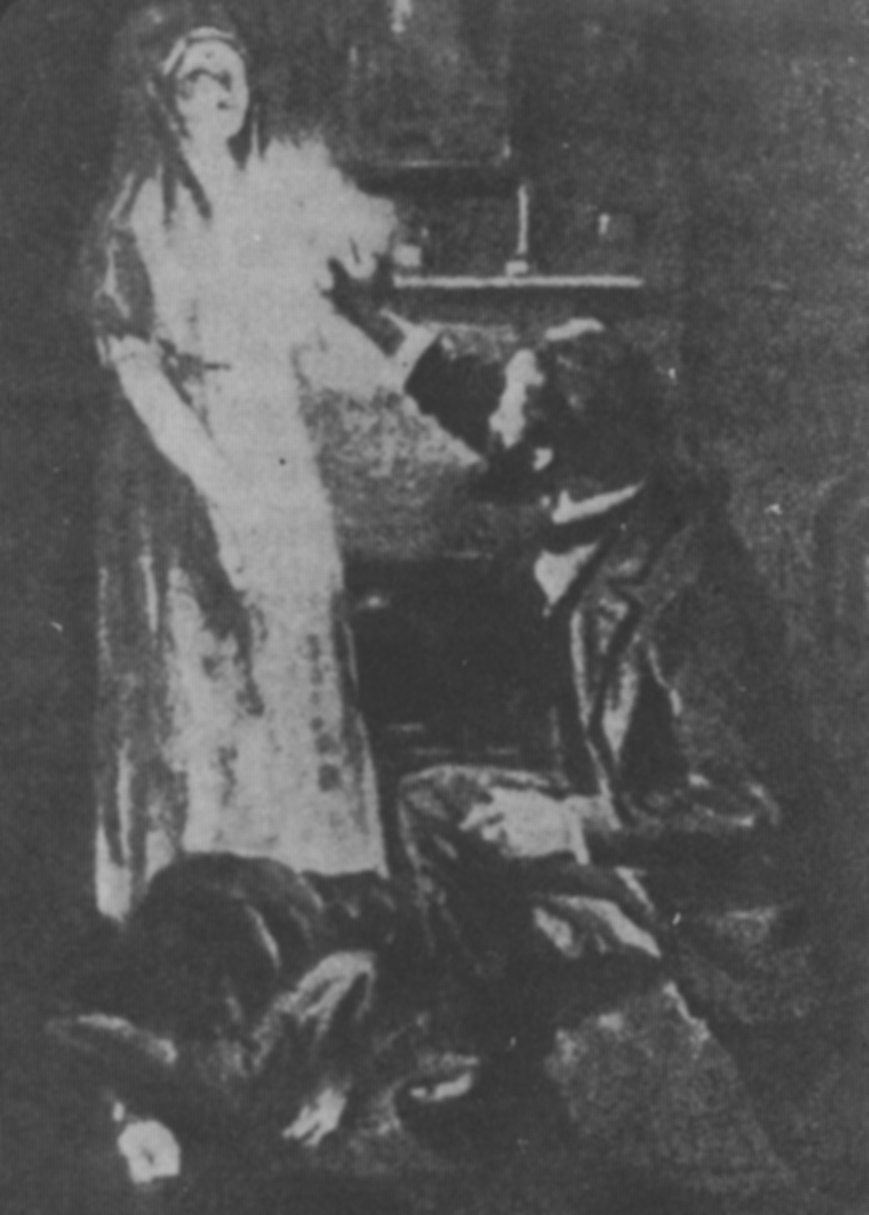 🇩🇪 Germany and 3 moreMaterialization (paranormal)
The claimed appearance of matter from unknown sources in spiritualist séancesBelief · Wonder and entertainment Historical
 🇩🇪 Germany and 5 moreNazi UFOs
A conspiracy theory linking Nazi Germany to advanced flying discs and alien contact.Belief · Wonder and entertainment Historical
 🇷🇺 Russia and 1 moreTelekinesis
A purported psychic ability to move objects with the mind aloneBelief · Wonder and entertainment Historical
🇷🇸 Serbia and 3 moreBožićБожић
A Slavic figure linked to the new year and spring, whose name now marks ChristmasFigure · Luck and prosperity · Wonder and entertainment Historical
 🇸🇪 Sweden and 1 moreStalloStállu
A large, clumsy creature from Sámi folklore that eats people and is often outwitted by humans.Being · Cursing and harm · Wonder and entertainment Historical
 🇮🇪 Ireland and 1 moreAirship of Clonmacnoise
A medieval Irish legend of a ship in the sky and its anchorBelief · Wonder and entertainment Historical
🇯🇵 JapanShiranui不知火
Atmospheric ghost lights of the Yatsushiro and Ariake Seas in JapanBelief · Wonder and entertainment · Luck and prosperity Historical
 🇪🇬 Egypt and 1 moreOuroborosοὐροβόρος
An ancient image of a serpent eating its own tail, symbolizing cycles and wholenessFigure · Power and authority · Wonder and entertainment Historical
 🇸🇪 Sweden and 3 moreAlu
A runic charm word found on Germanic artifacts, linked to magic and intoxication.Charm · Power and authority · Wonder and entertainment Historical
 🇱🇹 Lithuania and 2 moreEglė the Queen of SerpentsEglė žalčių karalienė
A Lithuanian folk tale about a woman who marries a serpent king and turns her family into trees.Figure · Wonder and entertainment Historical
🇯🇵 Japan and 3 moreThoughtography念写
A claimed psychic ability to imprint mental images directly onto photographic film.Belief · Wonder and entertainment Historical
🇺🇸 United States and 5 moreVanishing hitchhiker
An urban legend where a motorist picks up a passenger who vanishes, often leaving behind proof of their death.Belief · Seeing and foretelling · Wonder and entertainment Living
Photo credits on this page
The small pictures above come from Wikimedia Commons under free licences. Some are cropped to fit.
- The Hairy Leg: Diógenes Montenegro, Public domain, source
- Materialization (paranormal): Unknown author, Public domain, source
- Spoon bending: Sgerbic, CC BY-SA 3.0, source
- Colombian folklore: Unknown author, Public domain, source
- Latvian mythology: Dezidor, CC BY 3.0, source
- Nazi UFOs: Nesnad, CC0, source
- Cornish mythology: waterborough, Public domain, source
- Fairy ring: User:Mrs skippy, Public domain, source
- Telekinesis: Strobridge Lithographing Co., Public domain, source
- Stallo: John Bauer, Public domain, source
- Airship of Clonmacnoise: Joseph Mischyshyn, CC BY-SA 2.0, source
- Folklore of Spain: Mikipons, CC BY-SA 4.0, source
- Robert the Doll: Cayobo, CC BY 1.0, source
- Aosaginohi: Koikawa Harumachi ja:恋川春町 (1744-1789), Public domain, source
- Scrofa semilanuta: M.casanova, CC BY-SA 4.0, source
- Cosmic egg: James Basire, 1730–1802 (engraver), Public domain, source
- Mantra: Markrosenrosen, CC BY-SA 3.0, source
- Ouroboros: Djehouty, CC BY-SA 4.0, source
- Alu: Bloodofox, CC BY-SA 3.0, source
- Eglė the Queen of Serpents: Huw, CC BY 2.0, source
- Daniel Dunglas Home: Nadar, Public domain, source
- Jack O'The Lantern: Bodrugan, CC BY-SA 3.0, source
- Seder hishtalshelus: Daderot, Public domain, source
- Classical elements: Unknown author, Public domain, source
- Fire (classical element): Correogsk, CC BY-SA 3.0, source
- Tassili Mushroom Figure: I redrawn the rock art written by ancient people., Public domain, source
- Legends of the Coco de Mer: Brocken Inaglory, CC BY-SA 3.0, source
- Haunted house: John Anster Fitzgerald, Public domain, source
- Martian Monkey: Tim Farley, CC BY-SA 4.0, source