Beliefs, omens and superstitions
Luck and unluck, the evil eye, knocking on wood and the small customs people keep without asking why.
Beliefs, omens and superstitions are the small customs people keep without asking why: knocking on wood, salt over the shoulder, avoiding the number thirteen, the evil eye, a black cat crossing the road, a first visitor of the new year. They are found on every continent and are rarely tied to a priest or book. This page looks at where they come from, what the word superstition hides, and why they persist.
What they look like
Beliefs differ by place. The number four is avoided in China, Japan and Korea because it sounds like the word for death, while thirteen is avoided in much of the West. In India, a sneeze before leaving home may delay a journey, and a lemon and chillies are hung over a shop. The evil eye is feared under many names: nazar, mal de ojo, ayin hara. First-footing at new year in Scotland is said to bring luck to a house.
Whose word is superstition
The word superstition has a history. Roman writers used it for religion they disliked, and Christian writers for forbidden practice. Today it often means someone else's belief. Many religions regard some of their own customs as faith and others as superstition, and where the line falls depends on the speaker. Using the word can mark a speaker as modern and a neighbour as backward. Tests of common superstitions show that people who hold them are not less educated or less rational than others, and many hold them lightly.
Why people keep them
Psychologists find that superstition rises with uncertainty and stakes, which is why athletes, sailors, students and gamblers are known for them. Anthropologist Bronislaw Malinowski observed in the 1920s that Trobriand fishermen used rites in dangerous deep-sea fishing and not in safe lagoon fishing. Most people who follow small customs say they do so partly in jest and partly just in case. Similar customs turn up in places that have never met each other, which suggests that people everywhere respond to risk in similar ways.
When belief causes harm
Most superstitions are harmless. Some are not: beliefs about witchcraft have led to killings in parts of Africa, India and Papua New Guinea, and beliefs about albinism have led to attacks in Tanzania and Malawi. Others cost people money, as when a fee is demanded to lift a bad omen. Education, law and trusted community leaders have all been part of reducing harm. Campaigns by health workers, teachers and community radio have been effective where they listen first and explain later.
Belief on EveryJaadu
The entries written up so far, best known first.
 🇮🇪 Ireland and 3 moreFairy path
An invisible route used by fairies, often straight and connecting sacred sitesBelief · Cursing and harm · Protection Historical
 🇺🇸 United StatesBelled buzzard
A folklore omen of disaster, depicted as a vulture wearing a bellBelief · Cursing and harm Historical
 🇮🇶 Iraq and 3 moreUmayyad tradition of cursing Ali
A state policy to denounce Ali during communal prayers under the Umayyad CaliphateRite · Cursing and harm · Binding and oaths Historical
🇯🇵 JapanAyakashi妖
Water spirits and ghost lights in Japanese folkloreBeing · Cursing and harm · Luck and prosperity Historical
🇺🇸 United StatesCurse of the Boulder Valley
A legend attributed to Chief Niwot about the valley's beauty and its futureBelief · Cursing and harm Historical
 🇫🇷 FranceBlack Mass
A deliberate parody of the Catholic Mass, known mostly from French trials and booksRite · Cursing and harm · Love and attraction Living
 🇮🇸 Iceland and 3 moreElf
A supernatural person of Germanic lore, linked to illness, beauty and magicBeing · Cursing and harm Legendary
🇺🇸 United StatesPlastic shaman
A label for imposters who sell fake Indigenous spiritual practices for profitBelief · Cursing and harm Living
🇮🇳 India and 5 moreWerecat
A feline shapeshifter found in global folklore and occult beliefBeing · Cursing and harm · Power and authority Legendary
🇺🇸 United States and 1 moreBaskerville effect
A theory that superstition about unlucky numbers causes heart attacks through stressBelief · Cursing and harm Historical
🇨🇲 CameroonNyongo society
A witch legend from Cameroon used to explain sudden wealth and unexplained deathBelief · Cursing and harm · Luck and prosperity Living
🇺🇸 United States and 1 moreMammon in popular culture
The personification of wealth and greed across stories, games, and media.Figure · Power and authority · Cursing and harm Living
🇲🇦 Morocco and 1 moreZuhriزوهري
A human-djinn hybrid child in North African folklore, sought for treasure ritualsBeing · Luck and prosperity · Cursing and harm Fading
 🇸🇪 Sweden and 1 moreStalloStállu
A large, clumsy creature from Sámi folklore that eats people and is often outwitted by humans.Being · Cursing and harm · Wonder and entertainment Historical
 🇨🇳 China and 1 moreLegend of the White Snake白蛇傳
A Chinese folktale about a snake spirit who becomes human to love a mortal manFigure · Love and attraction · Cursing and harm Historical
 🇵🇪 PeruYachay
Peruvian Amazon phlegm said to hold a shaman's power as darts that harm or healSubstance · Cursing and harm · Healing Living
 🇷🇸 Serbia and 1 moreVampire pumpkins and watermelons
A Balkan folk tale about ground fruit that turns into vampires.Belief · Cursing and harm Legendary
🇬🇭 Ghana and 2 moreSakawa
A Ghanaian term for internet fraud linked to traditional ritualsBelief · Luck and prosperity · Cursing and harm Living
🇨🇳 ChinaChinese sorcery scares
A series of moral panics in Imperial China driven by fears of magical harm and hair cuttingBelief · Cursing and harm · Power and authority Historical
 🇯🇵 Japan and 1 moreBake-danuki化け狸
A shape-shifting raccoon dog spirit from Japanese folklore known for pranks and illusions.Being · Cursing and harm · Luck and prosperity Legendary
🇨🇱 Chile and 3 moreGualichu
An evil spirit feared in Mapuche and Tehuelche traditions, and a word for bad luckBeing · Cursing and harm Historical
🇯🇵 JapanReikon霊魂
The Shinto soul: it joins the ancestors after funeral rites, or haunts as a yūreiBeing · Speaking with spirits and the dead · Cursing and harm Living
 🇨🇳 China and 3 moreSwan maiden
A folk motif where a man steals a bird-woman's feather cloak to force marriage.Figure · Love and attraction · Cursing and harm Legendary
 🇱🇷 LiberiaMaryland ritual killings
A 1970s Liberian case of ritual murders and the public executions that followedBelief · Cursing and harm Historical
 🇮🇳 IndiaVyatipāta
An astrological moment in India marking a sun-moon alignment believed to signal calamity.Belief · Cursing and harm Historical
🇫🇷 FranceTempestarii
Medieval figures accused of controlling storms and the beliefs surrounding them.Belief · Cursing and harm · Protection Historical
 🇯🇵 JapanLooking taboo
A mythic rule forbidding a gaze that would bring disasterBelief · Cursing and harm Legendary
🇬🇷 Greece and 1 moreMaternal impression
A discredited theory that a mother's shock or thoughts can mark her unborn childBelief · Cursing and harm Historical
 🇺🇸 United States and 3 moreFortune telling fraud
A confidence trick where a grifter invents a curse to extract money from a vulnerable client.Belief · Cursing and harm Living
 🇯🇵 JapanBanchō Sarayashiki番町皿屋敷
A Japanese ghost story about a servant who dies unjustly and haunts her murderer by counting plates.Figure · Cursing and harm · Wonder and entertainment Legendary
 🇮🇹 Italy and 2 moreWheel of Fortune
A medieval allegory of fate's unpredictable turns and the fall of kingsBelief · Cursing and harm · Luck and prosperity Historical
 🇮🇱 IsraelGharqadغرقد
A tree in Islamic eschatology said to protect Jews at the end timesBelief · Cursing and harm Historical
🇬🇧 United KingdomFairy ridingmarcachd shìth
A Scottish Gaelic term for livestock paralysis, blamed on fairies riding the beastsBelief · Cursing and harm Historical
🇯🇵 JapanFurutsubaki-no-rei古椿の霊
A spirit said to live in old camellia trees, appearing as a woman who lures or warnsBeing · Cursing and harm · Seeing and foretelling Legendary
 🇦🇺 AustraliaNargun
A stone creature from Gunai/Kurnai legend and a site of women's initiationBeing · Cursing and harm · Speaking with spirits and the dead Legendary
🇫🇷 FranceAix-en-Provence possessions
17th-century French convent cases of alleged demonic possessionBelief · Cursing and harm Historical
 🇮🇱 Israel and 1 moreUnclean spiritπνεῦμα ἀκάθαρτον (pneuma akatharton)
A spirit of impurity in biblical belief, driven out by breath, smoke and wordsBeing · Cleansing and purification · Cursing and harm Living
🇰🇪 KenyaUfufunyane
A culture-bound illness the Zulu and Xhosa read as a curse, a lover's potion or a demonBelief · Cursing and harm Living
 🇩🇪 Germany and 1 moreReligious aspects of Nazism
The study of how Nazi ideology borrowed religious forms and esoteric beliefs to build a political movement.Tradition · Power and authority · Cursing and harm Historical
🇺🇸 United StatesNight Doctors
African American folklore about doctors who stole or killed black bodies for medical studyBelief · Cursing and harm Historical
🇯🇵 JapanKuchisake-onna口裂け女
A masked Japanese spirit said to ask strangers if she is beautifulBeing · Cursing and harm Legendary
🇯🇵 JapanAzukiarai小豆洗い
A Japanese water yōkai heard washing beans, said to pull the curious into the waterBeing · Cursing and harm Legendary
 🇬🇧 United KingdomChained Oak
A Staffordshire oak bound in chains by a local legend of a curse and an earl.Belief · Cursing and harm Historical
 🇯🇵 JapanMononoke物の怪
A Japanese term for spirits believed to cause illness and misfortune through possession or curses.Being · Cursing and harm · Healing Historical
 🇯🇵 JapanMomiji Legend紅葉伝説
A Japanese tale of a demoness defeated by a warrior on Mount TogakushiFigure · Cursing and harm · Protection Historical
 🇮🇱 Israel and 1 moreSerpent seed
A fringe belief that Cain was the offspring of Eve and the Serpent, creating two distinct human lineages.Belief · Cursing and harm Historical
🇺🇸 United States2019 Louisiana black church fires
A series of arson attacks on three historic African-American churches in St. Landry Parish.Belief · Cursing and harm Historical
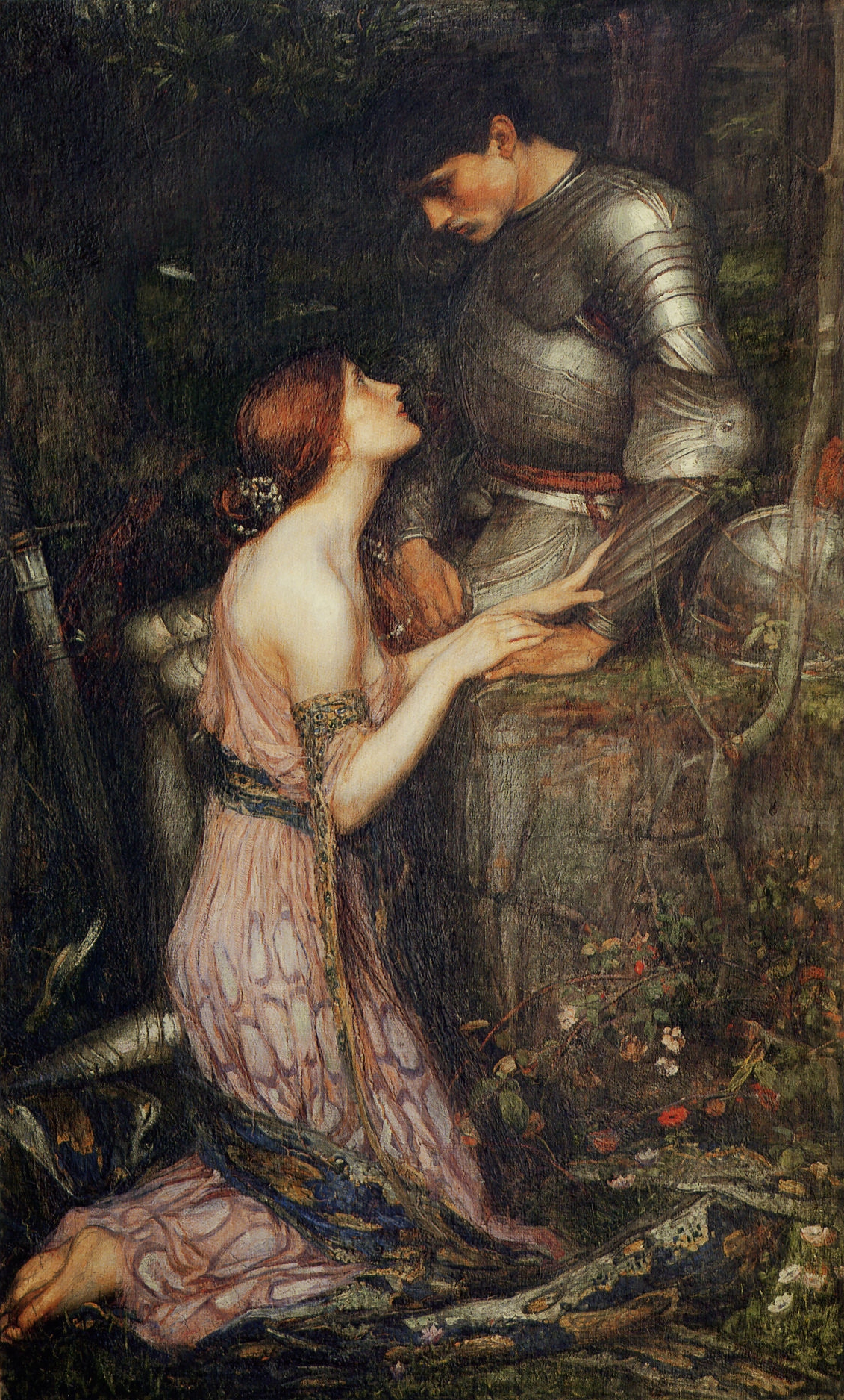 🇱🇾 Libya and 2 moreLamiaΛάμια
A child-snatching monster and night phantom from ancient Greek mythBeing · Cursing and harm · Seeing and foretelling Legendary
Photo credits on this page
The small pictures above come from Wikimedia Commons under free licences. Some are cropped to fit.
- Serpent seed: David Roberts, CC BY-SA 3.0, source
- Chained Oak: Gary Rogers, CC BY-SA 2.0, source
- Nargun: Unknown author, Public domain, source
- Banchō Sarayashiki: Tsukioka Yoshitoshi, Okiku ,, Public domain, source
- Lamia: John William Waterhouse, Public domain, source
- Bake-danuki: Poposhka at English Wikipedia, Public domain, source
- Vampire pumpkins and watermelons: The original uploader was Ke4roh at English Wikipedia ., Public domain, source
- Yachay: Veton PICQ, CC BY-SA 3.0, source
- Stallo: John Bauer, Public domain, source
- Umayyad tradition of cursing Ali: Anwar Rizvi, CC BY 2.0, source
- Fairy path: Aviddoghug at English Wikipedia ( Original text: David Gough ), Public domain, source
- Belled buzzard: Saturday Evening Post Irvin Cobb Douglas Durr, Public domain, source
- Black Mass: Unknown XIXe s, Public domain, source
- Elf: Martin Brandenburg, Public domain, source
- Legend of the White Snake: Unknown author, CC BY-SA 3.0, source
- Maryland ritual killings: Fred van der Kraaij, CC BY-SA 4.0, source
- Vyatipāta: Krishnachandranvn, CC0, source
- Looking taboo: ArchaiOptix, CC BY-SA 4.0, source
- Fortune telling fraud: Simon Vouet, Public domain, source
- Wheel of Fortune: Unknown author, Public domain, source
- Gharqad: MurielBendel, CC BY-SA 4.0, source
- Unclean spirit: David Shankbone, CC BY-SA 3.0, source
- Religious aspects of Nazism: Unknown author, CC BY-SA 3.0 de, source
- Mononoke: Unknown author, Public domain, source
- Momiji Legend: Tengoro, CC BY-SA 3.0, source
- Swan maiden: Walter Crane, Public domain, source