
Black magic
From Latin nigromantia, a variant of necromancy influenced by niger meaning black
Magic used for evil or selfish purposes, and the beliefs surrounding it
A term for supernatural practices aimed at harm or self-interest. It is often seen as the opposite of white magic and has been linked to religion, witchcraft, and popular culture.
- Term first used by Edmund Spenser in The Faerie Queene
- Derived from Latin nigromantia meaning black divination
- Often defined by intent to cause harm or selfish gain
- Medieval nigromancers were educated elites with grimoires
- Russian media accused Ukraine of using black magic in 2022
What it is
The phrase describes supernatural acts driven by malice or selfish gain. It stands as the dark counterpart to white magic, which seeks good ends. The concept covers a wide range of activities, from cursing neighbors to invoking demons. Historically, it was grouped with witchcraft and forbidden arts. Modern definitions focus on the intent behind the act rather than the specific rituals performed. Some scholars prefer terms like low magic to describe these practices based on their perceived social standing.
Where it comes from
The English term first appeared in Edmund Spenser's poem The Faerie Queene. He adapted the word nigromancy, which comes from Latin roots meaning black divination. This term evolved from medieval necromancy. Robert M. Place traces the origins of such practices to primitive spirit worship. He suggests that early rituals aimed to control spirits for personal benefit. Over time, these practices were labeled as evil by religious authorities. The distinction between high and low magic emerged later, often reflecting class prejudices rather than moral ones.
How it is done
Practices vary widely but often involve invoking spirits or demons. Medieval accounts describe groups led by a figure with a grimoire. These rituals were sometimes performed in secret to avoid persecution. Natural magic offered a safer path for intellectuals during the Renaissance. Folk magic remained vulnerable to accusations of black arts. Modern practitioners often distance themselves from harmful intents. The focus is typically on achieving specific outcomes through supernatural means.
Tools and materials
Grimoires served as key texts for demonic magic in the Middle Ages. These books were usually written in Latin for educated elites. Rituals might include specific invocations or ceremonial actions. The color black is symbolically associated with the practice. Other tools depend on the specific tradition or accusation. Common themes include curses, poisons, and spirit travel.
Black magic, drawn and placed
- Living
- Revived
- Fading
- Historical
- Legendary
- Performed
- Lineage
- Black magic
What it is for
The primary goal is to cause harm or serve selfish desires. Accusations often target those who curse neighbors or destroy crops. Demonic invocation was a common fear in medieval times. Some believed practitioners could leave their bodies to travel spiritually. The intent distinguishes it from benevolent folk magic. However, labels like black magic were sometimes applied broadly to any non-mainstream practice.
Who does it
Historically, accused practitioners included sorcerers, witches, and cunning folk. Inquisitors targeted those suspected of demon worship. Educated elites sometimes practiced ritual magic secretly. Modern definitions separate harmful intent from general witchcraft. Wiccan circles often reject members who seek to do evil. Scholars study the historical perceptions and legal cases surrounding these figures.
Peoples and places
The concept appears in European history, particularly within Christian contexts. It was used to label forbidden arts in medieval canon law. Popular culture has linked it to various traditions, including Voodoo. In Voodoo, sorcerers known as bokor use both protective and harmful magic. The association with black magic often stems from modern stereotypes rather than indigenous beliefs. Russian media recently accused Ukrainian officials of using such magic.
At a glance: who, where and when
Who does it
Belief worlds
What people believe
Beliefs center on the power to influence events through supernatural means. Demons and evil spirits are often invoked in these practices. The act itself is seen as morally corrupt due to its intent. Medieval theology viewed such magic as a pact with the devil. Natural magic was tolerated if it sought to understand nature. The line between good and bad magic is defined by the practitioner's goals.
When it is done
No specific festivals are tied to the general concept. Accusations often arose during periods of social crisis or war. Inquisitions targeted practices year-round as needed. Modern associations may appear in contemporary political rhetoric. Historical records show sporadic persecutions rather than regular ceremonies.
How scholars and sceptics see it
Researchers analyze the term as a social construct rather than a distinct practice. A. E. Waite documented historical rituals in his works. Montague Summers criticized the binary view of magic. Anthropologists note that labels like black magic often reflect cultural biases. Scholars distinguish between actual folk practices and imagined threats. The etymology reveals shifts in how society views spiritual power.
Cautions and what is closed
Accusations of black magic have led to severe persecution and executions. Witch trials resulted in many deaths across Europe. Modern false accusations can still cause violence and stigma. Fraudulent healers may exploit fears of black magic for profit. Legal systems in some regions still criminalize certain spiritual practices. Open discussion of these topics requires sensitivity to historical trauma.
Compare and confuse
It is often contrasted with white magic, which aims for good. Gray magic represents a middle ground in some modern systems. Nigromancy specifically refers to historical demonic practices. Necromancy involves communication with the dead, not necessarily evil. Voodoo is frequently mislabeled as black magic in popular fiction. Demonology studies the beings invoked in these alleged practices.
Questions people ask about Black magic
What does black magic mean?
It refers to supernatural practices intended for evil or selfish purposes. The term contrasts with white magic, which seeks benevolent outcomes. Definitions vary, but intent is the key distinguishing factor in modern usage.
Where did the term originate?
The English phrase appeared in Edmund Spenser's poem The Faerie Queene. It adapts the Latin word nigromancy, which combines niger (black) and mantia (divination). This reflects medieval beliefs about dark spiritual arts.
Is it the same as witchcraft?
Not exactly. Witchcraft is a broad term for magical practice. Black magic specifically implies malicious intent. Historically, accusations of black magic were used to condemn various forms of witchcraft and folk healing.
How is it different from white magic?
White magic aims to help others or achieve positive results. Black magic focuses on harm, control, or self-interest. The distinction lies in the practitioner's goal rather than the specific rituals used.
Good reading and sources
The facts on this page come from the Wikipedia article "Black magic", written by its contributors and used under the CC BY-SA 4.0 licence, and from its Wikidata record (CC0). EveryJaadu rewrote the text in its own words, with AI assistance, and compares every page with the article to make sure no passage is copied. It may be reused under the same CC BY-SA 4.0 licence with a link back.
It may contain mistakes. Names and customs differ from one community to the next, and some knowledge is closed to outsiders and left out here. This page describes belief and practice. It does not say that any of it works, it is not a how-to, and it is not medical advice. If something is wrong, tell us. Last refreshed 2026-10-06.
More from Russia
All the entries from Russia 🇷🇺 Russia and 2 moreCaul
A birth membrane kept as a talisman for luck and protection from drowningCharm · Protection · Luck and prosperity Historical
🇷🇺 Russia and 2 moreCaul
A birth membrane kept as a talisman for luck and protection from drowningCharm · Protection · Luck and prosperity Historical
 🇷🇺 Russia and 4 moreLady MiddayPoludnitsa
A Slavic noon spirit who watches over fields and punishes those who work during the hottest hours.Being · Cursing and harm · Protection Historical
🇷🇺 RussiaBlack magic
Magic traditionally defined by malevolent intent and selfish purposesBelief · Cursing and harm Historical
🇷🇺 Russia and 4 moreLady MiddayPoludnitsa
A Slavic noon spirit who watches over fields and punishes those who work during the hottest hours.Being · Cursing and harm · Protection Historical
🇷🇺 RussiaBlack magic
Magic traditionally defined by malevolent intent and selfish purposesBelief · Cursing and harm Historical
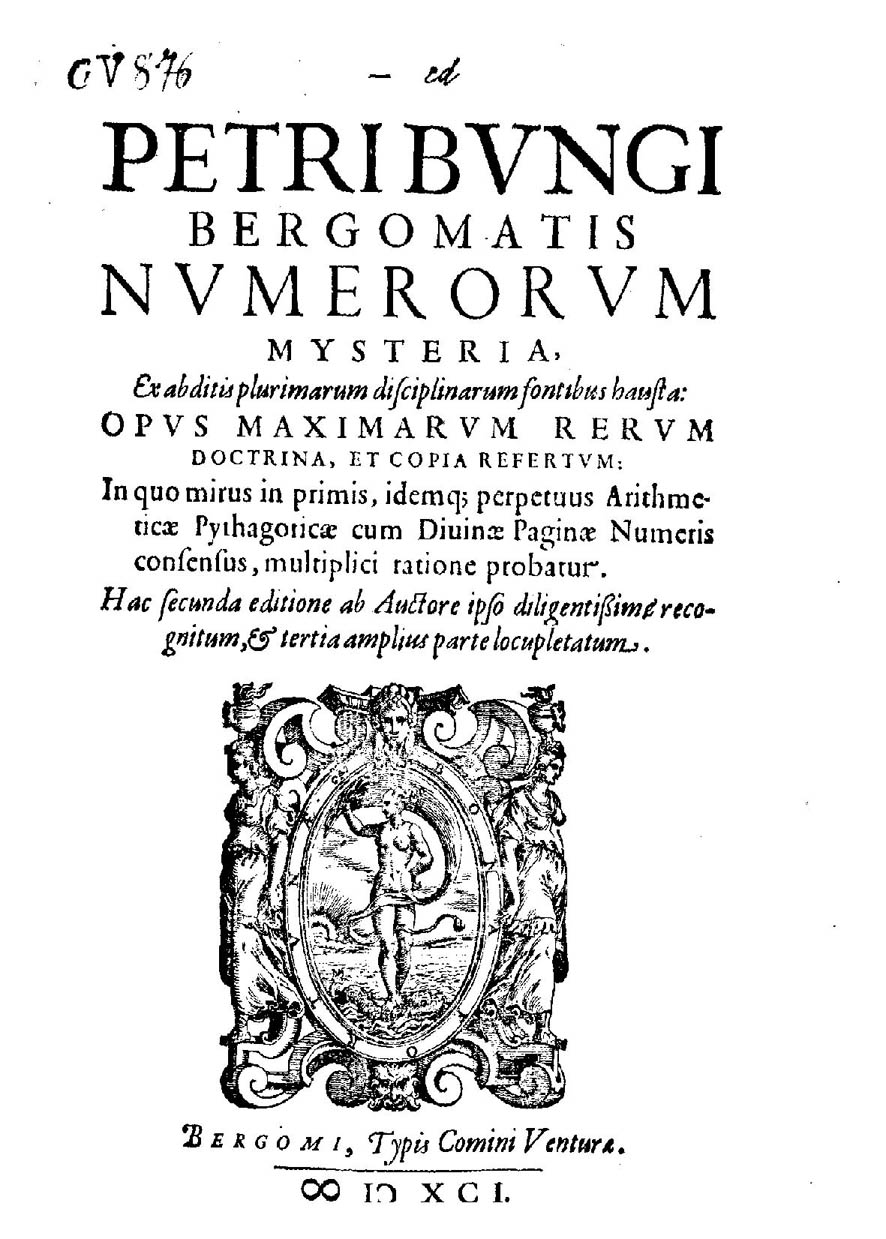 🇬🇷 Greece and 2 moreNumerology
The belief that numbers hold hidden meanings and influence human events.Belief · Seeing and foretelling · Luck and prosperity Historical
🇬🇷 Greece and 2 moreNumerology
The belief that numbers hold hidden meanings and influence human events.Belief · Seeing and foretelling · Luck and prosperity Historical
Related elsewhere
All belief 🇪🇬 Egypt and 1 moreLilithלִילִית
A feminine figure from Mesopotamian and Jewish mythology, often depicted as a night demon or spirit.Being · Cursing and harm Legendary
🇪🇬 Egypt and 1 moreLilithלִילִית
A feminine figure from Mesopotamian and Jewish mythology, often depicted as a night demon or spirit.Being · Cursing and harm Legendary
 🇪🇬 EgyptCurse
A spoken wish for misfortune to befall a person or placeBelief · Cursing and harm · Luck and prosperity Historical
🇪🇬 EgyptCurse
A spoken wish for misfortune to befall a person or placeBelief · Cursing and harm · Luck and prosperity Historical
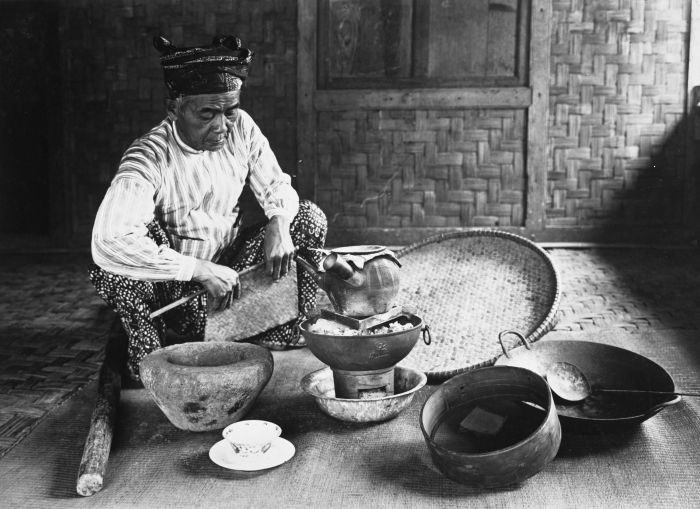 🇮🇩 Indonesia and 2 moreDukun
A traditional healer and spirit medium in Indonesian folk practiceTradition · Healing · Seeing and foretelling Living
🇮🇩 Indonesia and 2 moreDukun
A traditional healer and spirit medium in Indonesian folk practiceTradition · Healing · Seeing and foretelling Living
 🇮🇳 India and 5 moreHoliहोली
A Hindu spring festival marked by coloured powders and bonfires to celebrate love and virtue.Tradition · Love and attraction · Cursing and harm Living
🇮🇳 India and 5 moreHoliहोली
A Hindu spring festival marked by coloured powders and bonfires to celebrate love and virtue.Tradition · Love and attraction · Cursing and harm Living