Slavic folklore covers the customs and tales of Slavic communities from early times to the present. It blends pre-Christian pagan ideas with later Christian teachings.
- Slavic folklore blends pagan and Christian beliefs
- Nobles and peasants worshipped separate deities
- Vladimir Propp studied narrative structures
- Written records of pagan beliefs are scarce
What it is
Slavic folklore includes the stories, rituals, and beliefs of Slavic peoples. It spans from ancient times to modern day. The tradition mixes old pagan ideas with newer Christian views. Scholars study these cultural elements today.
Where it comes from
Records of pagan Slavic beliefs are rare. Research is hard because nobles and peasants worshipped different gods. This class divide makes tracing origins difficult. Later, Christian ideas were mixed into these older traditions.
Slavic folklore, drawn and placed
- Living
- Revived
- Fading
- Historical
- Legendary
- Performed
Who does it
Folklorists have published many works on this topic. They analyze the stories and customs. Vladimir Propp was a Russian scholar who studied the structure of these tales. His work focuses on how folk narratives are built.
Peoples and places
The folklore belongs to Slavic cultures. It appears in regions like Russia. France is also mentioned in some academic contexts regarding the study of these myths. The traditions vary across different Slavic groups.
At a glance: who, where and when
What people believe
Pre-Christian beliefs included worship of various deities. Nobility and peasantry had separate spiritual practices. These pagan roots were not lost but changed over time. Christian beliefs were added to the existing framework.
How scholars and sceptics see it
Researchers face challenges due to the lack of written records. The gap between noble and peasant religions complicates understanding. Scholars like Jan Máchal and Michel Mathieu-Colas have written about Slavic mythology and gods.
Today
Folklorists continue to publish studies on Slavic folklore. The subject remains active in academic circles. Modern research looks at both historical and current aspects of these traditions.
Rites that involve Slavic folklore
Questions people ask about Slavic folklore
What is Slavic folklore?
It is the collection of stories, customs, and beliefs of Slavic peoples. It includes both ancient pagan traditions and later Christian influences.
Where does it come from?
It originates from the Slavic cultures of Europe. Early records are rare due to social divides between nobles and peasants.
Who studies it?
Folklorists and scholars study these traditions. Vladimir Propp was a key figure in analyzing the morphology of these tales.
Good reading and sources
- Slavic folklore on WikipediaEncyclopedia
- More photos on Wikimedia CommonsPhotos and video
- Wikidata recordOpen data
The facts on this page come from the Wikipedia article "Slavic folklore", written by its contributors and used under the CC BY-SA 4.0 licence, and from its Wikidata record (CC0). EveryJaadu rewrote the text in its own words, with AI assistance, and compares every page with the article to make sure no passage is copied. It may be reused under the same CC BY-SA 4.0 licence with a link back.
It may contain mistakes. Names and customs differ from one community to the next, and some knowledge is closed to outsiders and left out here. This page describes belief and practice. It does not say that any of it works, it is not a how-to, and it is not medical advice. If something is wrong, tell us. Last refreshed 2026-10-05.
More from Russia
All the entries from Russia 🇷🇴 Romania and 5 moreVampire folklore
Global legends of blood-drinking spirits and undead revenantsBelief · Cursing and harm · Protection Historical
🇷🇴 Romania and 5 moreVampire folklore
Global legends of blood-drinking spirits and undead revenantsBelief · Cursing and harm · Protection Historical
 🇷🇺 Russia and 5 moreSlavic religion
The pre-Christian beliefs of the Slavic peoples before their conversion to Christianity.Tradition · Protection · Healing Revived
🇷🇺 Russia and 5 moreSlavic religion
The pre-Christian beliefs of the Slavic peoples before their conversion to Christianity.Tradition · Protection · Healing Revived
 🇷🇸 Serbia and 5 moreVampire
An undead creature from folklore that feeds on the blood or life force of the livingBeing · Cursing and harm · Luck and prosperity Legendary
🇷🇸 Serbia and 5 moreVampire
An undead creature from folklore that feeds on the blood or life force of the livingBeing · Cursing and harm · Luck and prosperity Legendary
 🇫🇷 France and 5 moreJean Eugène Robert-HoudinJean-Eugène Robert-Houdin
A French clockmaker who elevated stage magic into a refined theatrical art.Illusion · Wonder and entertainment Historical
🇫🇷 France and 5 moreJean Eugène Robert-HoudinJean-Eugène Robert-Houdin
A French clockmaker who elevated stage magic into a refined theatrical art.Illusion · Wonder and entertainment Historical
Related elsewhere
All tradition 🇮🇳 India and 5 moreAstrology
A divinatory practice that reads human fate through the positions of celestial bodies.Belief · Seeing and foretelling · Luck and prosperity Living
🇮🇳 India and 5 moreAstrology
A divinatory practice that reads human fate through the positions of celestial bodies.Belief · Seeing and foretelling · Luck and prosperity Living
 🇮🇳 IndiaChakraचक्र
Meditation points in the subtle body used in Hindu and Buddhist yogaTradition · Speaking with spirits and the dead · Change and initiation Living
🇮🇳 IndiaChakraचक्र
Meditation points in the subtle body used in Hindu and Buddhist yogaTradition · Speaking with spirits and the dead · Change and initiation Living
 🇨🇳 China and 1 moreAncestor veneration in China中國傳統宗法性宗教
Rites for dead kin who are thought to watch over the familyTradition · Protection · Speaking with spirits and the dead Living
🇨🇳 China and 1 moreAncestor veneration in China中國傳統宗法性宗教
Rites for dead kin who are thought to watch over the familyTradition · Protection · Speaking with spirits and the dead Living
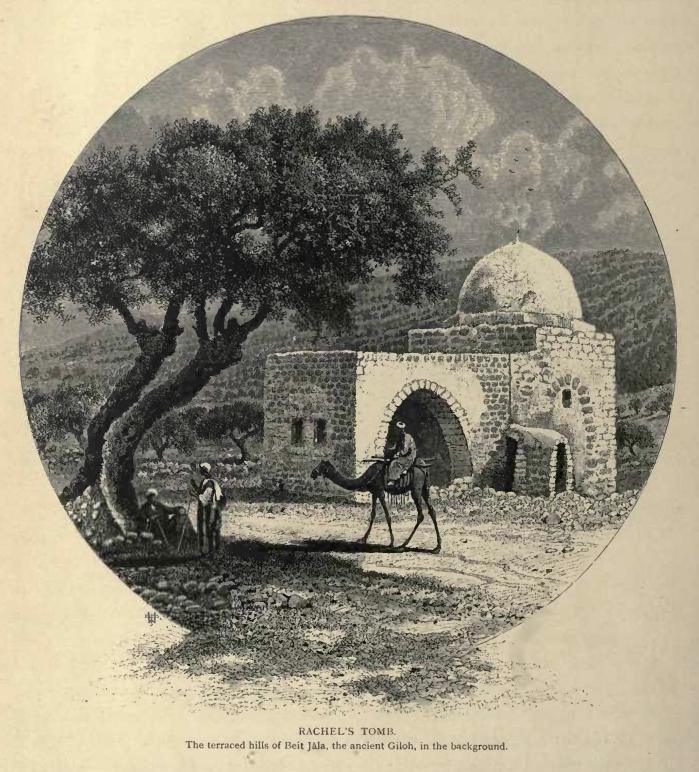 🇵🇸 Palestine and 1 moreRachel's TombQever Raḥel; Qabr Rāḥīl
A shared holy site near Bethlehem revered by Jews, Christians, and MuslimsTradition · Speaking with spirits and the dead · Protection Living
🇵🇸 Palestine and 1 moreRachel's TombQever Raḥel; Qabr Rāḥīl
A shared holy site near Bethlehem revered by Jews, Christians, and MuslimsTradition · Speaking with spirits and the dead · Protection Living