Jewish: magic in this belief world
Kabbalah, amulets, the golem and the folk customs against the evil eye.
Jewish tradition has a deep and contested history of magic. The Hebrew Bible forbids sorcery and divination in some texts, and the Talmud discusses amulets, charms and the evil eye. Medieval and later Jewish life produced Kabbalah, amulets, the golem legend and the folk figure of the ba'al shem. This page covers the main strands, as Jewish teachers and scholars describe them. Jewish practice varies between Orthodox, Conservative, Reform and secular communities, and by region of origin.
Amulets and the evil eye
Jewish communities have used amulets for protection of mothers, newborns and homes, often inscribed with psalms or divine names. The red thread, the hamsa, and the phrase kein ayin hara, no evil eye, are common among Jews of many backgrounds. The mezuzah on the doorpost is a religious obligation that some also regard as protective, a view that rabbis have often cautioned against. Early rabbis recorded amulets for illness and travel, and the Talmud mentions dream interpretation, charms and demons, and states that some of these practices are permitted while others are idolatry.
Kabbalah and learned practice
Kabbalah, the tradition of mysticism that grew in medieval Spain and France, includes teachings on divine names and the structure of reality. Practical Kabbalah concerned the use of names, and was controversial. The golem, a figure shaped of clay and animated, appears in stories about Rabbi Judah Loew of Prague, a legend that dates from the nineteenth century rather than from his own time. Women who wrote or commissioned amulets, as well as midwives, held a quiet role in the community, and the mother and child received special protection at birth and through the first weeks.
Authority, gender and limits
Rabbinic opinion has differed over what is allowed. Maimonides rejected astrology and charms as foolish, while others accepted them. Access to Kabbalah was traditionally limited to older married men with prior study. Women kept domestic customs for birth, health and protection. Today, many Jewish women lead rituals and some study Kabbalah publicly. Many Jewish communities have rich folk customs for birth, marriage and death, such as the bedeken, and for the evil eye, and these vary between Ashkenazi, Sephardi and Mizrahi families.
Diaspora, commerce and appropriation
Kabbalah centres, red string bracelets and celebrity interest have made Jewish mysticism a global product, which critics within the community call a distortion. Jewish folk practice has moved with migration from Morocco, Yemen, Iraq, Iran, Eastern Europe and Ethiopia, each keeping its own amulets and healers. Scholars such as Gershom Scholem transformed the academic study of the field. Hasidic communities keep Kabbalistic ideas in daily life, and blessings from rebbes are sought by many visitors, including those from outside the community.
Jewish on EveryJaadu
The entries written up so far, best known first.
 🇪🇬 Egypt and 5 moreAmulet
A portable object worn or carried to ward off harm and invite protection.Charm · Protection · Healing Living
🇮🇱 IsraelSegulaסגולה
A Jewish charm or ritual believed to bring protection, healing, or blessings.Charm · Protection · Healing Living
 🇮🇱 Israel and 4 moreAngelמלאך
A supernatural messenger or intermediary spirit found in many religious traditions.Being · Speaking with spirits and the dead · Protection Living
 🇬🇷 Greece and 4 moreTutelary deity
A guardian spirit or god assigned to protect a specific place, person, or group.Being · Protection Living
 🇮🇱 Israel and 1 moreSolomon's shamirשָׁמִיר
A legendary worm or stone used to carve stone without iron toolsBeing · Power and authority Legendary
🇮🇱 Israel and 2 moreRahabרַהַב
A Hebrew mythic sea monster and symbol of chaos, later used as a poetic name for Egypt.Being · Cursing and harm · Power and authority Legendary
🇮🇱 IsraelAgrat bat Mahlatאגרת בת מחלת
A demon in Jewish tradition who rules over destructive spirits and night hours.Being · Cursing and harm Historical
 🇮🇱 IsraelMatzevahמַצֵּבָה
A standing stone used as a sacred marker or grave monument in ancient and Jewish traditionCharm · Speaking with spirits and the dead · Protection Living
🇮🇱 Israel and 1 moreSe'irimשעירים
Demons of Hebrew tradition linked to wild goats and ruined placesBeing · Cursing and harm Historical
 🇮🇱 Israel and 1 moreSons of Godבְנֵי־הָאֱלֹהִים
Heavenly beings of Genesis 6, read as angels, kings or Seth's lineBeing Legendary
🇮🇱 IsraelPulsa diNuraפולסא דנורא
A Kabbalistic curse invoking destroying angels to block forgiveness and cause deathRite · Cursing and harm Historical
 🇮🇱 Israel and 1 moreUnclean spiritπνεῦμα ἀκάθαρτον (pneuma akatharton)
A spirit of impurity in biblical belief, driven out by breath, smoke and wordsBeing · Cleansing and purification · Cursing and harm Living
 🇮🇱 Israel and 1 moreOrdeal of the bitter waterמֵי הַמָּרִים (mei ha-marim)
A biblical test for a wife accused of adultery when no witnesses are present.Rite · Cursing and harm · Protection Historical
 🇬🇷 GreeceShadeσκιά
A ghostly shadow of the dead, said to linger in the world belowBeing · Speaking with spirits and the dead Legendary
 🇮🇱 Israel and 1 moreMicah's Idol
A carved image and silver idol from the Book of Judges, stolen by the Tribe of Dan.Belief · Power and authority Historical
 🇮🇱 Israel and 1 moreDivine retribution
Supernatural punishment by a deity in response to anger or wrongdoingBelief · Cursing and harm Historical
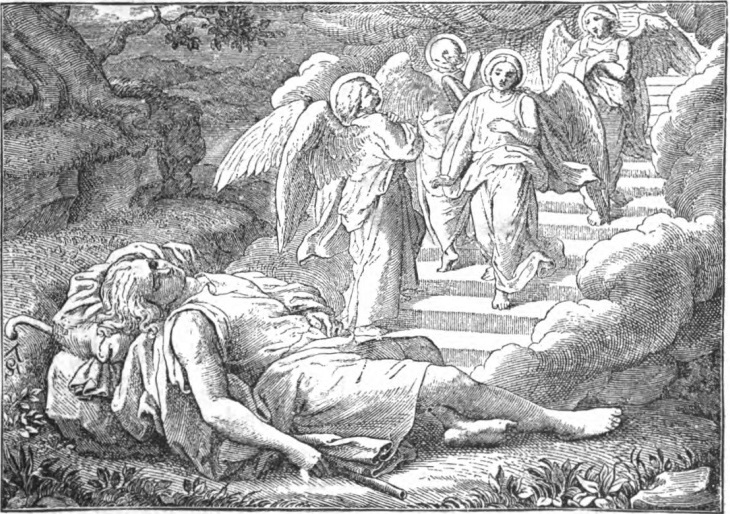 🇮🇱 Israel and 2 moreStone of Jacob
A biblical stone linked to a patriarch's vision and later claimed by Scottish coronation loreCharm · Power and authority Historical
 🇮🇷 Iran and 5 moreAxis mundi
A concept describing a central point connecting the earthly and heavenly realms.Belief · Speaking with spirits and the dead · Power and authority Historical
🇮🇱 Israel and 1 moreDream questionShe'elat Halom
A Jewish divination practice seeking prophetic answers through dreamsOracle · Seeing and foretelling · Healing Historical
🇮🇱 Israel and 5 moreHoly anointing oilשמן המשחה (šemen ham-mišḵā)
A sacred blend of spices and olive oil used to consecrate priests, kings, and sacred objects.Substance · Power and authority Living
 🇮🇱 Israel and 2 moreNehushtanנְחֻשְׁתָּן
A bronze serpent on a pole from the Hebrew Bible, once worshipped for healing before its destruction.Charm · Healing · Protection Historical
🇮🇱 IsraelQlippothקְלִיפּוֹת
Impure spiritual forces in Jewish mysticism, opposites of the holy sefirotBeing · Cursing and harm Historical
 🇮🇱 Israel and 2 moreReligious restrictions on the consumption of pork
A dietary rule found in several faiths that bars people from eating pig meat.Belief · Cleansing and purification Living
 🇾🇪 Yemen and 2 moreQueen of Shebaמַלְכַּת שְׁבָא (Hebrew), ملكة سبأ (Arabic), ንግሥተ ሳባ (Geʽez)
A legendary queen from ancient Arabia or Ethiopia who visited King Solomon.Figure Legendary
 🇮🇱 Israel and 1 moreFiery flying serpentשָׂרָף מְעוֹפֵף (sārāf mə‘ōfēf)
A biblical creature described as a venomous winged snake in the Book of IsaiahFigure · Cursing and harm Legendary
🇯🇵 Japan and 5 moreMythic humanoids
Creatures that blend human and animal traits across global folkloreBeing · Wonder and entertainment Legendary
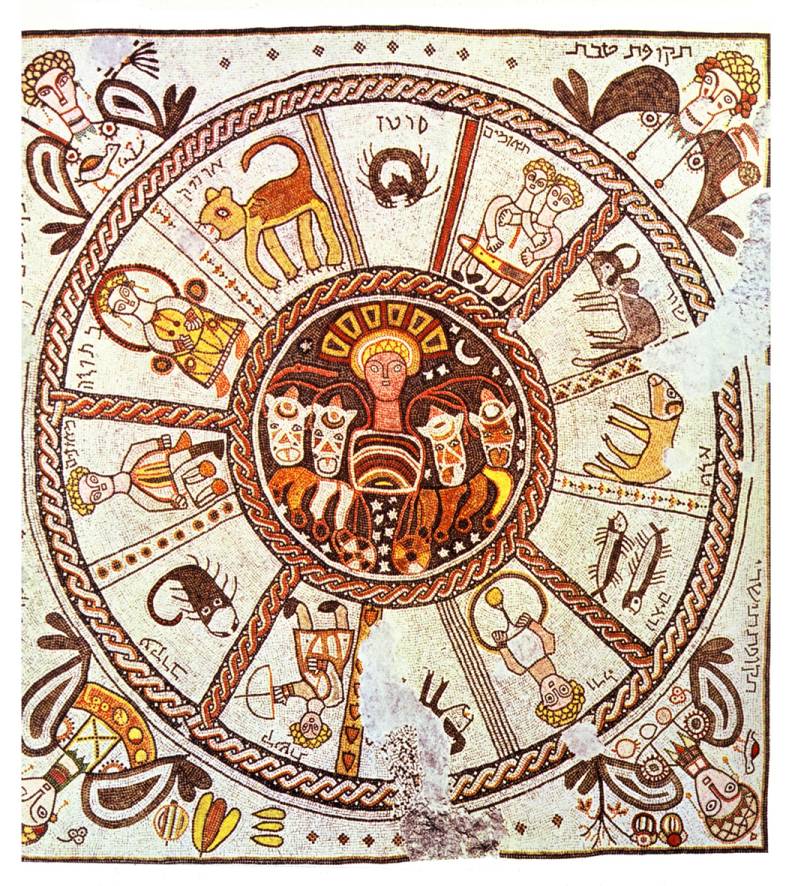 🇮🇱 Israel and 5 moreJewish views on astrologyחָכְמַת הַמַּזָּלוֹת
A long-standing debate within Jewish thought about the influence of stars and planetsBelief · Seeing and foretelling · Power and authority Historical
 🇮🇱 IsraelSeder hishtalshelusסדר השתלשלות
A Kabbalistic cosmology mapping the descent of divine light through spiritual realms to the physical world.Belief · Power and authority · Wonder and entertainment Living
🇾🇪 Yemen and 1 moreDor Daimדור דעה
A Yemenite Jewish movement promoting rational theology and opposing Kabbalistic mysticismTradition Historical
🇮🇱 IsraelEphodאֵפוֹד
A priestly apron of ancient Israel, worn for ritual and used to seek answersCharm · Seeing and foretelling · Speaking with spirits and the dead Historical
🇮🇱 Israel and 1 moreRighteous Priest
A messianic priestly figure in Jewish eschatology, identified with Shem and Melchizedek.Figure · Power and authority Historical
 🇮🇱 Israel and 4 moreChaiחי
A Hebrew word and symbol meaning 'alive', used as an amulet and in Jewish culture.Charm · Protection · Luck and prosperity Living
🇮🇱 IsraelAdne Sadehאַדְנֵי הַשָּׂדֶה
A wild humanoid from Jewish folklore tethered to the earth by its navelBeing · Wonder and entertainment Legendary
 🇩🇪 GermanyAGLAאגלא
A Hebrew magic word used in Jewish and medieval European charmsBelief · Protection Historical
 🇮🇶 IraqWinged genie
Winged guardians of Assyrian palace walls, read as the apkallu sagesBeing · Protection · Luck and prosperity Legendary
🇮🇱 IsraelEisheth Zenunimאֵשֶׁת זְנוּנִים
A demonic epithet for Lilith in Kabbalah and Western esotericismFigure · Cursing and harm Historical
 🇮🇱 Israel and 2 moreSolomonשְׁלֹמֹה
A biblical king of Israel known for wisdom and temple building, later viewed as a magician.Figure · Wonder and entertainment Historical
 🇮🇱 IsraelMelchom
A demon of hell and former Ammonite idol described in the Dictionnaire InfernalBeing · Power and authority Historical
 🇪🇬 EgyptMagical alphabet
Letter systems used in occult rituals and talismanic magicText · Protection · Power and authority Living
🇮🇱 IsraelMessiah ben Josephמָשִׁיחַ בֶּן־יוֹסֵף
A Jewish eschatological figure who wages war and dies before the final age of peaceFigure · Cursing and harm · Power and authority Historical
 🇮🇱 IsraelSeraphשָׂרָף
Six-winged heavenly beings who chant 'holy, holy, holy' at God's throneBeing · Speaking with spirits and the dead · Cleansing and purification Living
🇮🇱 Israel and 2 moreBiblical numerology
A system of interpreting numbers in sacred texts as carrying symbolic meaning beyond their mathematical valueBelief · Speaking with spirits and the dead Historical
 🇪🇹 Ethiopia and 1 moreGabrielגבריאל
An archangel who carries divine messages and explains visions in Abrahamic traditionsBeing · Protection Living
🇮🇱 IsraelShekhinahשְׁכִינָה
The divine presence of God dwelling among people in Jewish and Islamic thoughtBelief · Speaking with spirits and the dead · Power and authority Living
 🇮🇱 Israel and 2 moreStaff of Mosesmaṭṭeh
A walking stick with miraculous powers in Jewish and Islamic traditionCharm · Power and authority · Healing Historical
 🇮🇱 Israel and 1 moreAna BeKoachאנא בכח
A medieval Jewish liturgical poem linked to the 42-letter name of GodText · Power and authority · Protection Living
🇩🇪 GermanyTransitus Fluvii
A 22-letter occult script built from Hebrew, set down by Agrippa in 1533Text Historical
 🇪🇬 Egypt and 1 moreCurse of Ham
A biblical story used to justify slavery and racial discriminationBelief · Cursing and harm Historical
Photo credits on this page
The small pictures above come from Wikimedia Commons under free licences. Some are cropped to fit.
- Chai: BASWIM, CC BY 3.0, source
- Ordeal of the bitter water: Charadron, CC BY-SA 4.0, source
- Shade: Henry Fuseli, Public domain, source
- Amulet: Anonymous ( Egypt ) Unknown author, Public domain, source
- Nehushtan: Michelangelo, Public domain, source
- Religious restrictions on the consumption of pork: Unknown author, Public domain, source
- Queen of Sheba: Jacopo Tintoretto, Public domain, source
- Jewish views on astrology: Talmoryair, Public domain, source
- AGLA: Stephan Michelspacher, Public domain, source
- Winged genie: James Spurrier, CC BY-SA 2.0, source
- Brownie: Unknown author, CC BY-SA 2.5, source
- Seraph: Pietro Perugino, CC BY 2.0, source
- Staff of Moses: John Everett Millais, Public domain, source
- Ana BeKoach: Baruch Zvi Ring (c. 1872 - 1927) Details on Google Art Project, Public domain, source
- Angel: Unknown author, CC0, source
- Matzevah: Gilslovik, CC BY-SA 4.0, source
- Micah's Idol: Avner, CC BY-SA 4.0, source
- Divine retribution: John Martin, Public domain, source
- Axis mundi: Unknown author, Public domain, source
- Fiery flying serpent: דוד דוד.. Original uploader was Androctonus at he.wikipedia, CC BY-SA 3.0, source
- Melchom: Louis Le Breton, Public domain, source
- Magical alphabet: Francis Barrett, Public domain, source
- Solomon's shamir: https://en.wikipedia.org/wiki/Eberhard_Werner_Happel, Public domain, source
- Curse of Ham: Ксенофонтов Иван Степанович. Ksenofóntov Iván Stepánovich (1817-1875), Public domain, source
- Seder hishtalshelus: Daderot, Public domain, source
- Solomon: Simeon Solomon, CC0, source
- Gabriel: uploader Koperczak ( talk ) 06:28, 24 March 2009 (UTC), Public domain, source
- Unclean spirit: David Shankbone, CC BY-SA 3.0, source
- Stone of Jacob: Unknown author, Public domain, source
- Sons of God: Maurice Greiffenhagen, Public domain, source